



The human eye, a marvel of natural beauty, often serves as a focal point for personal expression. For those seeking to subtly or dramatically alter their appearance, the world of colored contact lenses offers an intriguing avenue. Among the myriad of choices, lenses that blend cool tones, specifically those evoking a sophisticated mix of grey and blue, have surged in popularity. These particular hues provide a captivating balance, offering a natural yet striking transformation that can complement a wide range of complexions and personal styles. This comprehensive guide delves into the nuances of selecting, using, and caring for these unique eye enhancements, ensuring a safe and satisfying experience.
Unveiling the Charm of Blended Eye Hues
The appeal of lenses that combine shades of grey and blue lies in their ability to mimic the complex, multi-tonal nature of real irises. Unlike single-color lenses, these blended options often feature intricate patterns and gradients that prevent a flat, artificial look. They can transform dark eyes with a subtle shimmer or intensify lighter eyes with a deeper, more defined hue. The result is an eye color that feels both exotic and inherently natural, drawing attention without appearing overtly artificial. This unique combination offers versatility, making it a favorite for both everyday wear and special occasions.
The Subtle Art of Color Fusion
Achieving a believable eye color change requires more than just a single pigment. High-quality blended lenses incorporate multiple layers of color and intricate designs that simulate the limbal ring and radial patterns found in natural eyes. The interplay between the grey and blue tones creates depth and dimension, allowing the lenses to adapt and appear different under various lighting conditions. This dynamic quality is what makes them so compelling and sought after by individuals looking for an authentic yet transformative aesthetic.
Why This Blend Captivates
The fascination with these specific blended tones stems from their universal appeal. Blue eyes are often associated with youth and clarity, while grey eyes convey sophistication and mystery. Combining these elements results in a look that is both inviting and enigmatic. For many, it's an opportunity to experiment with an eye color that might be genetically distant from their own, offering a fresh perspective on their personal image. The subtle shift can dramatically alter one's perceived demeanor, adding an element of intrigue and confidence.
Selecting the Ideal Shade for Your Complexion
Choosing the perfect pair of colored contact lenses involves more than just picking a color you like. To achieve the most natural and flattering effect, it's crucial to consider how the lens color interacts with your natural features, particularly your skin tone and hair color. A well-chosen shade can enhance your overall appearance, while a mismatched one might look out of place. This section guides you through the process of making an informed decision.
Considering Your Natural Eye Color
Your existing eye color plays a significant role in how any colored lens will appear. For individuals with darker natural eyes (brown or dark hazel), opaque lenses are usually necessary to achieve a noticeable color change. These lenses have a solid tint that completely covers your natural iris. If you have lighter eyes (light blue, green, or light hazel), enhancement tints might be sufficient. These semi-transparent lenses deepen or subtly alter your natural eye color, allowing some of your original hue to show through for a more nuanced effect. The interaction between the lens and your natural pigment is key to the final outcome.
Matching Lenses to Skin Undertones
Understanding your skin's undertone is vital for selecting a harmonious lens color.
- Cool Undertones: Individuals with cool undertones (pink, red, or blue hues in their skin) often look best with cooler lens shades. The grey-blue blend naturally complements these undertones, enhancing the skin's luminosity and creating a cohesive, elegant look.
- Warm Undertones: Those with warm undertones (yellow, peach, or golden hues) might find that some grey-blue lenses can appear too stark. However, lenses with warmer grey or slightly greener-blue undertones can still be flattering. Experimentation is key, and sometimes a slightly warmer grey component within the blend can work wonders.
- Neutral Undertones: Lucky individuals with neutral undertones (a mix of warm and cool) can generally pull off a wider range of colors, including most variations of the grey-blue blend, with ease.
Impact of Hair Color on Your Choice
Hair color also contributes to the overall aesthetic. For instance:
- Blonde or Light Brown Hair: Lenses with a prominent blue component often beautifully complement lighter hair, creating a bright and ethereal look.
- Dark Brown or Black Hair: Deeper, more intense grey-blue blends can create a striking contrast with darker hair, offering a dramatic yet sophisticated transformation.
- Red Hair: While less common, some redheads can achieve a stunning, unique look with cooler eye colors, especially if their skin has cool undertones.
Understanding Different Lens Types and Materials
The world of Colored Contact Lenses offers various types and materials, each with specific benefits and considerations. Understanding these differences is crucial for comfort, eye health, and the desired aesthetic outcome. Making an informed choice ensures both safety and satisfaction.
Daily Disposables vs. Extended Wear
- Daily Disposables: These lenses are worn for one day and then discarded. They are highly convenient, require no cleaning, and are often considered the most hygienic option, as they minimize the risk of deposit buildup. They are excellent for occasional wear or for those with sensitive eyes.
- Monthly/Bi-weekly Lenses: Designed for longer use, these lenses require daily cleaning and proper storage. While more economical for regular wearers, they demand strict adherence to hygiene protocols to prevent infections.
Hydrogel and Silicone Hydrogel Benefits
The material of your contact lenses significantly impacts comfort and oxygen permeability.
- Hydrogel Lenses: These traditional soft lenses are made of water-absorbing plastic polymers. They are generally comfortable but may offer lower oxygen transmission compared to newer materials.
- Silicone Hydrogel Lenses: A more advanced material, silicone hydrogel allows significantly more oxygen to reach the cornea, promoting better eye health and extended wear comfort. They are often recommended for individuals who experience dryness or wear lenses for long hours.
Color Opacity: Opaque vs. Enhancing Tints
The level of color intensity you desire will dictate your choice between opaque and enhancement tints.
- Opaque Lenses: These lenses feature a solid, non-transparent color layer designed to completely cover your natural iris. They are ideal for dramatically changing dark eye colors to lighter shades, such as a vibrant grey-blue.
- Enhancement Tints: Semi-transparent, these lenses are designed to intensify or subtly alter your natural eye color. They work best on lighter eyes, adding depth and vibrancy while allowing your original hue to peek through. The result is often a more subtle and natural-looking enhancement.
Essential Safety and Hygiene Practices
While colored contact lenses offer an exciting way to change your look, eye health must always be the top priority. Improper use or inadequate hygiene can lead to serious eye infections and complications. Adhering to strict safety and hygiene practices is non-negotiable for all contact lens wearers, regardless of whether the lenses are corrective or purely cosmetic.
Proper Handling and Insertion Techniques
Before touching your lenses, always wash your hands thoroughly with soap and water and dry them with a lint-free towel. This simple step prevents the transfer of bacteria and debris to your eyes. When handling the lens, ensure it's not inside out (it should form a perfect bowl shape with straight edges). Gently place the lens on your fingertip and, using your other hand, hold your upper eyelid open while pulling down your lower eyelid. Look up, then carefully place the lens onto the white part of your eye. Blink gently to center it. Practice makes perfect, but always prioritize cleanliness.
Cleaning and Storage Protocols
For reusable lenses (monthly or bi-weekly), a rigorous cleaning and storage routine is essential.
- Daily Cleaning: After removal, place each lens in the palm of your hand, add a few drops of fresh contact lens solution, and gently rub it with your fingertip for about 20 seconds. Rinse thoroughly with more solution.
- Storage: Store lenses in a clean, disinfected lens case filled with fresh solution. Never "top off" old solution; always discard it and replace with new. Replace your lens case every three months to prevent bacterial buildup.
- Never Use Tap Water: Tap water contains microorganisms that can cause severe eye infections. Always use sterile contact lens solution for cleaning and rinsing.
Recognizing Signs of Irritation
Your eyes are delicate, and any discomfort should be taken seriously. If you experience redness, persistent irritation, excessive tearing, blurred vision, or sensitivity to light while wearing your lenses, remove them immediately. Do not attempt to reinsert them if symptoms persist. Consult an eye care professional promptly. These symptoms could indicate an infection or other serious eye condition requiring medical attention. Early detection and treatment are crucial for preserving your eye health.
Navigating Prescription and Cosmetic Options
When considering colored contact lenses, it's important to understand the distinction between those that correct vision and those purely for cosmetic enhancement. Both types require a professional fitting and prescription, even if you have perfect vision, to ensure safety and proper fit.
Corrective Vision with Aesthetic Appeal
Many individuals who require vision correction (nearsightedness, farsightedness, or astigmatism) can also enjoy the aesthetic benefits of colored lenses. These lenses are custom-made to match your specific prescription while incorporating the desired color. This means you don't have to choose between clear vision and a new eye color; you can have both. Always ensure your prescription is up-to-date and that the colored lenses you purchase match your current vision needs exactly.
Non-Corrective Cosmetic Enhancements
For those with perfect vision who simply wish to change their eye color, "plano" or non-corrective colored lenses are available. While these lenses do not correct vision, they are still medical devices that sit directly on your eye. Therefore, they require the same level of professional fitting, care, and prescription from an eye care specialist as corrective lenses. Never purchase plano lenses from unregulated sources or without a proper fitting, as an ill-fitting lens can cause significant damage to your cornea and lead to serious infections.
Finding Reputable Suppliers for Quality Lenses
The safety and quality of your colored contact lenses depend heavily on where you purchase them. The market is flooded with various options, but not all suppliers adhere to the necessary health and safety standards. Prioritizing reputable sources is paramount for protecting your eye health and ensuring you receive a genuine, high-quality product.
Verifying Authenticity and Certifications
Always purchase Colored Contact Lenses from licensed opticians, optometrists, or authorized online retailers that require a valid prescription. Reputable suppliers will clearly display their certifications and adhere to national and international health regulations. Look for products approved by regulatory bodies (e.g., FDA in the US, CE mark in Europe). Be wary of street vendors, beauty supply stores, or unregulated online marketplaces that sell lenses without requiring a prescription. These sources often carry counterfeit or substandard products that can pose severe risks to your eyes.
The Importance of Professional Consultation
Before purchasing any contact lenses, whether corrective or cosmetic, a comprehensive eye examination and fitting by a qualified eye care professional are essential. An optometrist or ophthalmologist will measure your eye's curvature, assess your tear film, and check for any pre-existing conditions that might make contact lens wear unsuitable. They will also provide crucial guidance on proper insertion, removal, cleaning, and wear schedules. A professional fitting ensures that the lenses sit comfortably and correctly on your eyes, minimizing the risk of irritation, oxygen deprivation, and infection. This initial consultation and subsequent regular check-ups are vital components of responsible contact lens wear.
Embracing the transformative power of blended grey-blue colored contact lenses can be a rewarding experience when approached with knowledge and caution. By understanding the nuances of color selection, lens types, and, most importantly, adhering to stringent safety and hygiene practices, you can enjoy a stunning new look while safeguarding your precious vision. Always prioritize professional advice and choose reputable suppliers to ensure your journey into enhanced eye color is both beautiful and healthy.
Sıkça Sorulan Sorular
Are these lenses safe for daily wear?
Do I need a prescription to buy cosmetic lenses?
How do I choose the right shade for my eyes?
What's the difference between opaque and enhancement tints?
How long can I wear color lenses?
Konuyla ilgili öne çıkan ürünler
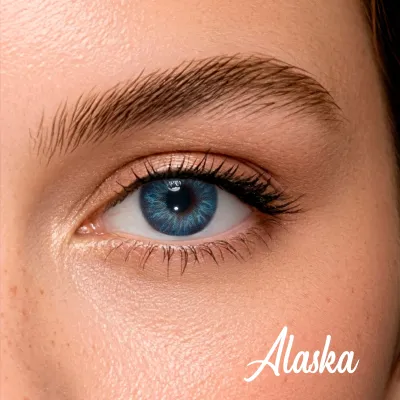
Claro Alaska - Colored Contact Lenses
*{box-sizing:border-box;} .alaska-page{ width:100%; margin:0; padding:0; font-family:Arial,Helvetica,sans-serif; color:#34495e; line-height:…
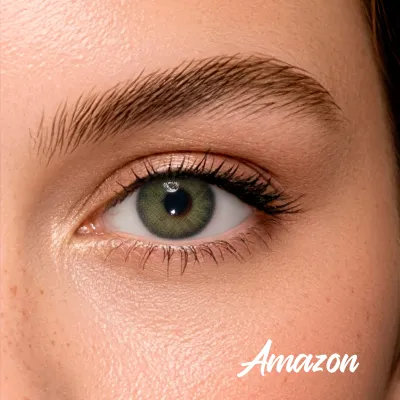
Claro Amazon - Colored Contact Lenses
*{box-sizing:border-box;} .amazon-page{ width:100%; margin:0; padding:0; font-family:Arial,Helvetica,sans-serif; color:#34495e; line-height:…
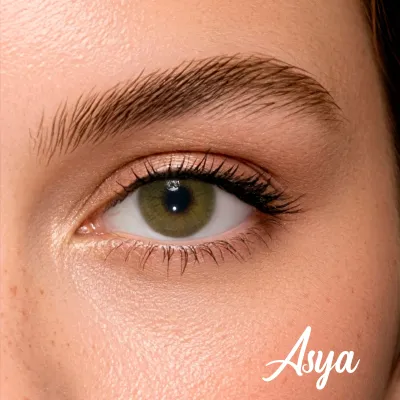
Claro Asya - Colored Contact Lenses
*{box-sizing:border-box;} .asya-page{ width:100%; margin:0; padding:0; font-family:Arial,Helvetica,sans-serif; color:#34495e; line-height:1.…
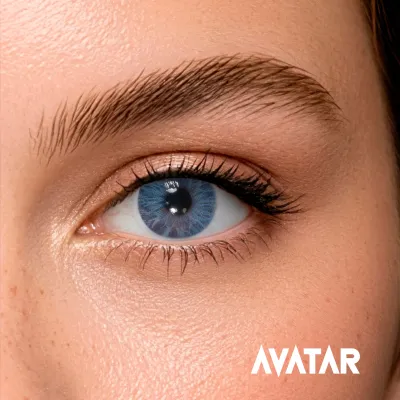
Claro Avatar - Colored Contact Lenses
*{box-sizing:border-box;} .avatar-page{ width:100%; margin:0; padding:0; font-family:Arial,Helvetica,sans-serif; color:#34495e; line-height:…
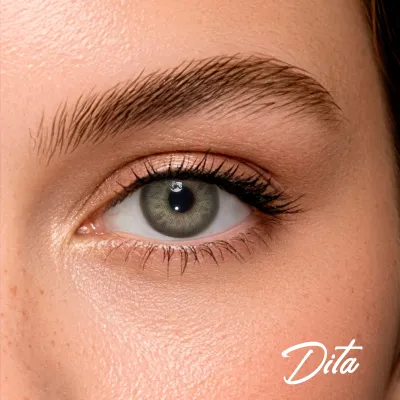
Claro Dita - Colored Contact Lenses
*{box-sizing:border-box;} .dita-page{ width:100%; margin:0; padding:0; font-family:Arial,Helvetica,sans-serif; color:#34495e; line-height:1.…
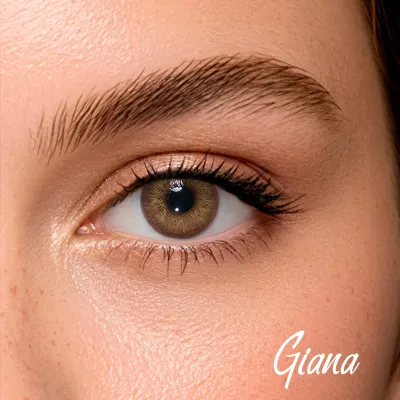
Claro Giana - Colored Contact Lenses
*{box-sizing:border-box;} .giana-page{ width:100%; margin:0; padding:0; font-family:Arial,Helvetica,sans-serif; color:#3b2a1d; line-height:1…
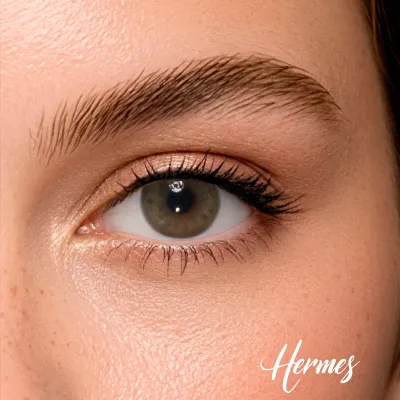
Claro Hermes - Colored Contact Lenses
*{box-sizing:border-box;} .hermes-page{ width:100%; margin:0; padding:0; font-family:Arial,Helvetica,sans-serif; color:#34495e; line-height:…
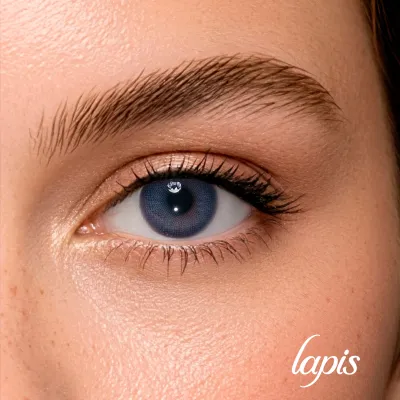
Claro Lapis - Colored Contact Lenses
*{box-sizing:border-box;} .lapis-page{ width:100%; margin:0; padding:0; font-family:Arial,Helvetica,sans-serif; color:#34495e; line-height:1…