



The allure of transforming one's eye color has captivated individuals for centuries, and in the modern era, green eye contacts offer a sophisticated and often striking way to achieve this. Whether you're looking to subtly enhance your natural hue or make a bold statement with a vibrant emerald gaze, understanding the nuances of these cosmetic accessories is paramount. This comprehensive guide aims to equip you with the knowledge needed to make informed decisions, ensuring both aesthetic satisfaction and optimal ocular health. From selecting the perfect shade to adhering to crucial safety protocols, we delve into every aspect of embracing the verdant charm that green hued contact lenses provide.
Understanding Colored Ocular Lenses
Colored contact lenses are specially designed to alter the appearance of your natural eye color. They are not merely fashion accessories but medical devices that require proper care and professional guidance. These lenses come in various designs, each intended to achieve a different level of color change, from subtle enhancements to complete transformations. The iris, the colored part of your eye, is what these lenses aim to modify, allowing for a spectrum of green shades to be applied over your existing color.
Types of Color Enhancement
- Enhancement Tints: These lenses are translucent and designed to intensify your natural eye color. If you have light eyes, an enhancement tint can make them appear more vibrant and defined, adding depth to your existing green, blue, or hazel eyes. They work by adding a layer of color without completely obscuring your natural iris pattern.
- Opaque Tints: For a complete color change, especially for individuals with dark eyes, opaque tinted lenses are the go-to option. These lenses feature a solid, non-transparent color that fully covers your natural iris, allowing for a dramatic shift to a new hue, such as a striking green. They are often available in a wide array of shades, from subtle olive to brilliant jade.
- Visibility Tints: While not intended for color change, these lenses have a faint blue or green tint to make them easier to see during insertion and removal. This tint is usually very light and does not affect the natural eye color once the lens is worn.
Materials and Breathability
The material of colored contact lenses is crucial for comfort and eye health. Most modern lenses are made from soft, flexible plastics, often hydrogels or silicone hydrogels. Silicone hydrogel lenses are particularly noted for their high oxygen permeability, allowing more oxygen to reach the cornea. This breathability is vital for maintaining eye health, preventing dryness, and ensuring comfortable wear throughout the day. When considering different types of green eye contacts, always check the material and its oxygen transmission rate (Dk/t value) to ensure it meets your eye care professional's recommendations.
Selecting the Perfect Shade of Verdant
Choosing the right shade of green can be a delightful yet challenging process, as the ideal hue often depends on your natural eye color, skin tone, and desired effect. The goal is to find a shade that complements your features, whether you seek a natural enhancement or a dramatic transformation. Exploring the diverse range of green hued contact lenses available will help you pinpoint the perfect match for your aesthetic aspirations.
Matching Tones to Natural Eye Color
- For Light Eyes (Blue, Gray, Light Hazel): If your natural eyes are light, you have the flexibility to choose from a wide spectrum of green shades. Lighter greens, such as seafoam or jade, can create a striking yet natural look. Enhancement tints can deepen your existing light eyes, adding a richer green tone. Consider how the lens color interacts with your natural iris pattern for the most authentic appearance.
- For Dark Eyes (Brown, Dark Hazel): For those with darker natural eye colors, opaque green eye contacts are necessary to achieve a noticeable change. Shades like emerald, forest green, or deep olive can provide a beautiful contrast and create a captivating new look. Some lenses feature a limbal ring (a dark outer ring) that can make the eyes appear larger and more defined, enhancing the overall effect of the green tint.
Opacity Levels Explained
The opacity of a lens refers to how much light it blocks and, consequently, how much of your natural eye color it conceals. Understanding this is key to achieving your desired outcome:
- Translucent (Enhancement) Lenses: These lenses have a sheer tint that allows your natural eye color to show through, blending with the lens color to create a subtle shift or intensification. They are best for individuals with light eyes who want a natural-looking enhancement.
- Opaque Lenses: These lenses feature a solid, non-transparent color layer designed to completely cover your natural iris. They are ideal for individuals with dark eyes who wish to achieve a dramatic color change. Opaque lenses come in various patterns, some mimicking the intricate details of a natural iris, while others offer a more uniform color.
Experimenting with different opacity levels and shades, ideally with the guidance of an eye care professional, will help you discover the green eye contacts that best suit your individual style and comfort needs.
Essential Safety Practices for Cosmetic Lenses
While the aesthetic appeal of green eye contacts is undeniable, it is crucial to prioritize eye health and safety above all else. Cosmetic lenses, like all contact lenses, are medical devices that require a prescription and adherence to strict hygiene protocols. Neglecting these can lead to serious eye infections, corneal ulcers, and even permanent vision loss. Your eye health is paramount, and responsible usage is non-negotiable.
The Importance of Professional Consultation
Before purchasing or wearing any type of colored contact lenses, including those that offer a green hue, a comprehensive eye examination by a qualified optometrist or ophthalmologist is absolutely essential. An eye care professional will:
- Assess Your Eye Health: They will check for any pre-existing conditions that might make contact lens wear unsafe.
- Determine Your Prescription: Even if you don't require vision correction, a prescription is necessary. This includes measurements for the lens base curve and diameter, which ensure a proper, comfortable, and safe fit on your eye. Ill-fitting lenses can cause discomfort, irritation, and corneal damage.
- Provide Fitting and Training: You will receive instructions on proper insertion, removal, and care techniques. This training is vital for preventing contamination and injury.
- Recommend Suitable Lenses: Based on your eye health, lifestyle, and desired aesthetic, your professional can recommend specific brands and types of green eye contacts that are safe and appropriate for you.
Recognizing and Preventing Complications
Awareness of potential complications and how to prevent them is key to safe contact lens wear:
- Infections: Always wash and dry your hands thoroughly before handling lenses. Use only fresh, sterile contact lens solution for cleaning and storage. Never use tap water or saliva. Replace your lens case regularly (every 3 months).
- Corneal Ulcers: These painful sores can result from bacterial infections, often due to poor hygiene or overwearing lenses. Avoid sleeping in lenses unless they are specifically approved for extended wear by your eye care professional.
- Allergic Reactions/Irritation: If you experience redness, itching, excessive tearing, pain, or blurred vision, remove your lenses immediately and consult your eye care professional. Do not attempt to self-diagnose or treat.
- Never Share Lenses: Sharing lenses can transmit harmful bacteria and viruses, leading to severe infections.
Adhering to these safety guidelines will significantly reduce the risk of complications, allowing you to enjoy your green eye contacts responsibly.
Caring for Your Tinted Eyewear
Proper care and maintenance are fundamental to extending the life of your green eye contacts and, more importantly, safeguarding your eye health. Neglecting these practices can lead to discomfort, infections, and potential vision problems. Establishing a consistent and meticulous routine for cleaning, storing, and replacing your Colored Contact Lenses is non-negotiable for safe wear.
Daily Cleaning and Storage Protocols
For reusable lenses, a strict daily routine is essential:
- Wash Hands: Always start by thoroughly washing your hands with soap and water and drying them with a lint-free towel before touching your lenses.
- Clean Lenses: Place one lens in the palm of your hand, add a few drops of fresh, multi-purpose contact lens solution, and gently rub the lens with your finger for about 10-20 seconds. This helps remove debris and deposits.
- Rinse Lenses: Rinse the lens thoroughly with more fresh solution to wash away loosened debris.
- Store Lenses: Place the cleaned lens in a clean contact lens case filled with fresh solution. Ensure the lens is fully submerged. Repeat for the other lens.
- Discard Solution: Never "top off" old solution. Always discard the old solution from the case and use fresh solution each time you store your lenses.
- Clean Case: Rinse your lens case with fresh solution and leave it open to air dry after each use. Replace your lens case every three months, or more frequently if it appears dirty or damaged.
Replacement Schedules
Adhering to the prescribed replacement schedule for your green eye contacts is crucial for eye health. Lenses are designed for specific wear durations, and using them beyond this period can lead to protein and lipid buildup, reduced oxygen permeability, and an increased risk of infection.
- Daily Disposables: These are worn for one day and then discarded. They offer the highest level of hygiene as no cleaning or storage is required.
- Two-Week or Monthly Disposables: These lenses are worn for two weeks or one month, respectively, and require daily cleaning and proper storage. They must be discarded after their prescribed period, even if they feel comfortable or look clean.
Never attempt to extend the life of your lenses beyond their recommended replacement schedule. Always consult your eye care professional if you are unsure about your specific lens type's care and replacement instructions.
Where to Acquire Quality Aesthetic Lenses
When it comes to purchasing green eye contacts, ensuring you buy from reputable sources is just as important as the lenses themselves. The market offers various avenues, but not all provide the same level of safety, quality, and professional oversight. Prioritizing legitimate channels guarantees that you receive authentic, safe, and properly fitted Colored Contact Lenses.
Reputable Online Retailers
Many online retailers offer a convenient way to purchase contact lenses, including a wide selection of green hued options. When choosing an online store, look for:
- Prescription Verification: Legitimate online retailers will require a valid prescription from your eye care professional. They may contact your doctor to verify the prescription details.
- FDA Approval/Regulatory Compliance: Ensure the lenses sold are FDA-approved (for the US) or comply with relevant regulatory bodies in your region. This signifies that the lenses meet specific safety and quality standards.
- Customer Reviews and Reputation: Check for positive customer reviews and a strong reputation for customer service and product authenticity.
- Clear Return Policies: Understand their return and exchange policies in case of issues with your order.
Be wary of websites that sell contact lenses without requiring a prescription, as these often sell unregulated or counterfeit products that can be extremely dangerous to your eyes.
Benefits of In-Person Fitting
While online shopping offers convenience, purchasing green eye contacts directly from your optometrist or an optical shop provides invaluable benefits:
- Professional Fitting and Assessment: Your eye care professional can ensure the lenses fit your eyes perfectly, which is crucial for comfort and preventing complications. They can also assess how different green shades appear on your eyes in person.
- Immediate Support: Any questions or concerns about insertion, removal, or care can be addressed on the spot.
- Authenticity Guarantee: You are assured of receiving genuine, high-quality lenses from trusted manufacturers.
- Ongoing Care: Your optometrist can monitor your eye health and the suitability of your lenses during regular check-ups.
For first-time users or those with specific eye conditions, an in-person consultation is highly recommended to ensure a safe and comfortable experience with your aesthetic lenses.
Cost Considerations and Value Assessment
The investment in green eye contacts can vary significantly based on several factors, including the brand, type of lens (daily, monthly), whether they correct vision, and where they are purchased. Understanding these cost considerations helps you budget effectively and assess the overall value of your chosen verdant contacts.
Factors Influencing Pricing
- Lens Type: Daily disposable lenses are generally more expensive per lens but eliminate the need for cleaning solutions and cases, which adds to the overall cost of reusable lenses. Monthly or bi-weekly lenses have a lower per-lens cost but require additional expenses for care products.
- Brand and Technology: Premium brands often incorporate advanced materials and designs for enhanced comfort and breathability, which can reflect in a higher price point. Lenses with unique color blending technologies might also be more costly.
- Prescription vs. Plano: Whether the lenses correct vision (prescription) or are purely cosmetic (plano) typically does not significantly alter the base cost of the colored lens itself. However, the initial eye exam and fitting fee are mandatory for both.
- Purchase Location: Prices can vary between online retailers, optical shops, and optometrist offices. While online may seem cheaper initially, factor in shipping costs and the value of professional in-person support.
Long-Term Investment
When evaluating the cost of green eye contacts, it's beneficial to consider the long-term investment rather than just the upfront price. For example, while daily disposables might seem pricier, they can save money on solutions and cases, and reduce the risk of infection due to fresh lenses every day. This can lead to fewer eye care visits for complications, offering a hidden long-term saving.
Always compare the total annual cost, including lenses, solutions (if applicable), and replacement cases, to make an informed financial decision. Remember, compromising on quality or safety for a lower price can lead to costly eye health issues down the line. Investing in reputable brands and following professional advice ensures you get the best value for your eye health and aesthetic goals.
Embracing the world of green eye contacts offers an exciting opportunity to transform your look and express your personal style. By understanding the different types of lenses, carefully selecting your ideal shade, and rigorously adhering to safety and care guidelines, you can enjoy the stunning visual impact with confidence. Always prioritize your eye health by consulting with an eye care professional for proper fitting and prescription, and choose reputable sources for your purchases. With the right approach, your journey into the captivating realm of green hued contact lenses will be both beautiful and safe.
Sıkça Sorulan Sorular
Are green eye contacts safe to wear?
How do I choose the right shade of green for my eyes?
Can I wear green eye contacts if I don't need vision correction?
What is the proper way to care for my colored contact lenses?
Where is the best place to buy quality green eye contacts?
Konuyla ilgili öne çıkan ürünler
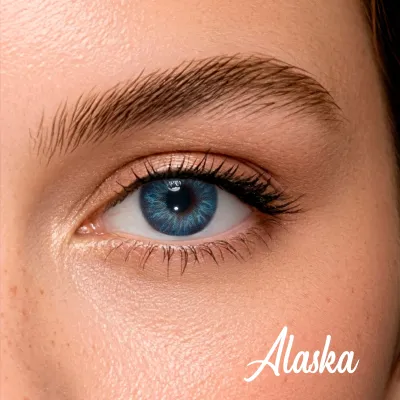
Claro Alaska - Colored Contact Lenses
*{box-sizing:border-box;} .alaska-page{ width:100%; margin:0; padding:0; font-family:Arial,Helvetica,sans-serif; color:#34495e; line-height:…
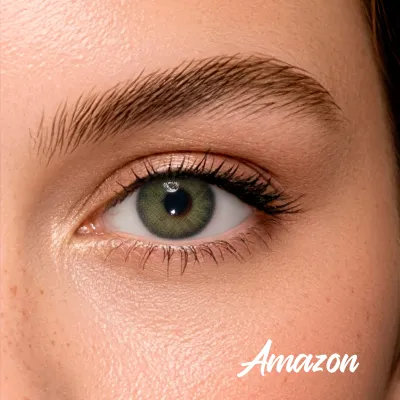
Claro Amazon - Colored Contact Lenses
*{box-sizing:border-box;} .amazon-page{ width:100%; margin:0; padding:0; font-family:Arial,Helvetica,sans-serif; color:#34495e; line-height:…
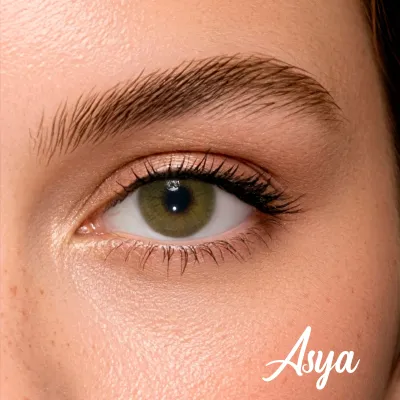
Claro Asya - Colored Contact Lenses
*{box-sizing:border-box;} .asya-page{ width:100%; margin:0; padding:0; font-family:Arial,Helvetica,sans-serif; color:#34495e; line-height:1.…
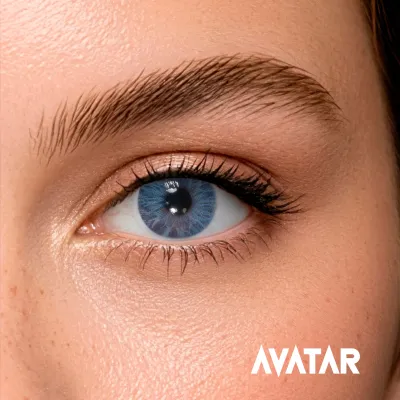
Claro Avatar - Colored Contact Lenses
*{box-sizing:border-box;} .avatar-page{ width:100%; margin:0; padding:0; font-family:Arial,Helvetica,sans-serif; color:#34495e; line-height:…
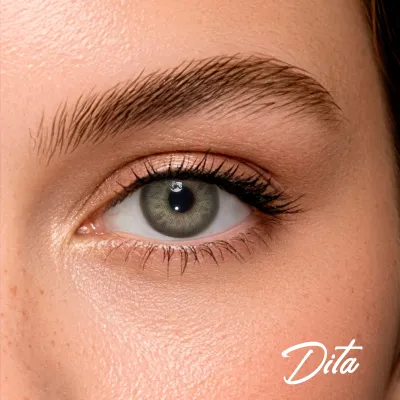
Claro Dita - Colored Contact Lenses
*{box-sizing:border-box;} .dita-page{ width:100%; margin:0; padding:0; font-family:Arial,Helvetica,sans-serif; color:#34495e; line-height:1.…
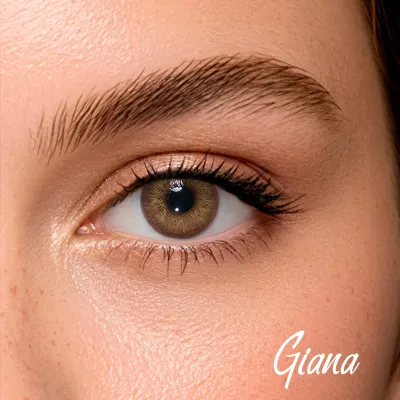
Claro Giana - Colored Contact Lenses
*{box-sizing:border-box;} .giana-page{ width:100%; margin:0; padding:0; font-family:Arial,Helvetica,sans-serif; color:#3b2a1d; line-height:1…
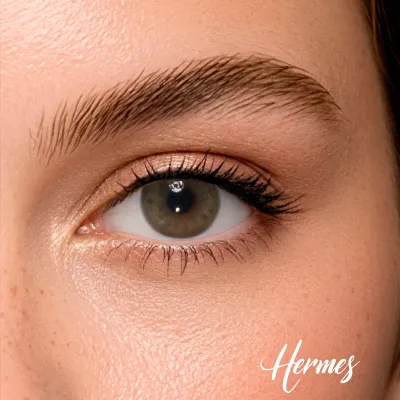
Claro Hermes - Colored Contact Lenses
*{box-sizing:border-box;} .hermes-page{ width:100%; margin:0; padding:0; font-family:Arial,Helvetica,sans-serif; color:#34495e; line-height:…
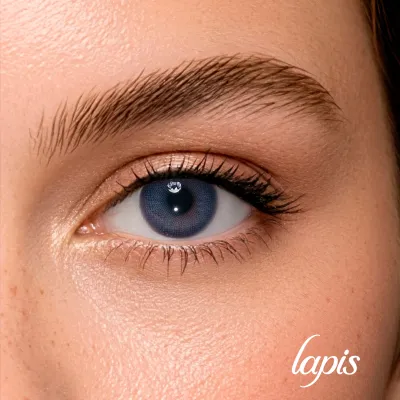
Claro Lapis - Colored Contact Lenses
*{box-sizing:border-box;} .lapis-page{ width:100%; margin:0; padding:0; font-family:Arial,Helvetica,sans-serif; color:#34495e; line-height:1…