



For many, the desire for clear vision extends beyond the confines of eyeglasses. contact lenses offer a discreet, convenient, and often liberating alternative, providing an unobstructed field of view and freedom for various activities. However, navigating the options and understanding the process of acquiring these vision aids requires careful consideration and expert guidance. This comprehensive guide is designed to empower you with the knowledge needed to make informed decisions, ensuring both optimal vision and eye health.
Exploring Vision Correction Options Beyond Glasses
Contact lenses represent a significant advancement in personal vision care, offering distinct advantages that cater to diverse lifestyles and preferences. Unlike eyeglasses, which sit on the bridge of the nose and can sometimes obstruct peripheral vision, contact lenses rest directly on the eye, moving naturally with your gaze. This provides a more natural visual experience and eliminates issues like frame slippage, fogging, or reflections.
Advantages of Ocular Lenses for Daily Life
- Enhanced Peripheral Vision: Contacts offer a full field of view, free from frame obstructions, which is particularly beneficial for sports and active lifestyles.
- Freedom and Flexibility: They eliminate the need to worry about glasses during physical activities, rain, or when wearing certain headwear.
- Aesthetic Appeal: Many individuals prefer the natural look contact lenses provide, allowing their facial features to be seen without interruption.
- Compatibility with Eyewear: Contacts can be worn with non-prescription sunglasses, safety glasses, or even virtual reality headsets without discomfort.
Who Can Benefit from Contact Lens Wear?
A wide range of individuals can benefit from contact lenses, including those with common refractive errors such as myopia (nearsightedness), hyperopia (farsightedness), and astigmatism. Advancements in lens technology also mean that people with presbyopia (age-related farsightedness) can enjoy multifocal or bifocal contact lenses. However, suitability is always determined by a thorough eye examination and consultation with an eye care professional, who assesses eye health, tear film quality, and corneal curvature.
Understanding Different Types of Ocular Lenses
The world of contact lenses is diverse, with various types designed to meet specific vision needs, wearing schedules, and lifestyle demands. Choosing the right type is crucial for comfort, vision clarity, and eye health.
Daily, Weekly, and Monthly Replacement Schedules
- Daily Disposable Lenses: These are worn once and then discarded at the end of the day. They offer the highest level of hygiene and convenience, as no cleaning or storage is required. They are ideal for sensitive eyes or occasional wear.
- Weekly/Bi-Weekly Lenses: Designed for two weeks of wear, these lenses require daily cleaning and proper storage. They offer a balance of convenience and cost-effectiveness for regular wearers.
- Monthly Lenses: These lenses are worn for up to 30 days, requiring daily cleaning and disinfection. They are often the most economical choice for consistent, long-term use. Some types are approved for extended wear (sleeping in them), but this should only be done under strict professional guidance.
Specialized Lenses for Unique Vision Needs
- Toric Lenses: Specifically designed to correct astigmatism, these lenses have a unique shape that compensates for the irregular curvature of the cornea or lens of the eye, providing stable and clear vision.
- Multifocal/Bifocal Lenses: These lenses incorporate multiple prescriptions to correct both near and distant vision, making them an excellent option for individuals with presbyopia who wish to avoid reading glasses.
- Rigid Gas Permeable (RGP) Lenses: While less common than soft lenses, RGPs offer crisp vision and are highly durable. They are often prescribed for complex prescriptions or conditions like keratoconus.
Enhancing Aesthetics with Colored Lenses
Beyond vision correction, colored contact lenses offer a unique opportunity to change or enhance your natural eye color. These lenses come in a variety of shades and designs, ranging from subtle enhancements to dramatic transformations. They are available with or without prescription, meaning even those with perfect vision can use them for cosmetic purposes. When considering colored lenses, it's vital to remember they are still medical devices. Always consult an eye care professional for fitting and guidance, even for plano (non-prescription) colored lenses, to ensure proper fit and safety.
Key Factors for Selecting Your Ideal Contact Solution
The journey to finding the perfect contact lenses begins with a commitment to eye health and professional consultation. Selecting the right lenses is not a one-size-fits-all process; it requires a personalized approach that considers your unique physiological and lifestyle needs.
The Critical Role of a Professional Eye Examination
Before any purchase, a comprehensive eye examination by a licensed optometrist or ophthalmologist is non-negotiable. This examination goes beyond simply determining your prescription for vision correction. It includes:
- Vision Acuity Test: To determine the precise power needed for clear sight.
- Corneal Curvature Measurement: To ensure the lens fits perfectly on your eye, preventing discomfort or damage.
- Tear Film Evaluation: To assess eye dryness, which can impact lens comfort and choice of material.
- Overall Eye Health Check: To rule out any underlying conditions that might preclude contact lens wear.
A proper fitting ensures the lenses sit correctly, allow adequate oxygen to the cornea, and do not cause irritation or long-term damage. An ill-fitting lens can lead to serious eye health issues.
Matching Lenses to Your Lifestyle and Eye Health
Your eye care professional will also discuss your lifestyle to recommend the most suitable lens type. Factors considered include:
- Daily Activities: Are you highly active, or do you spend a lot of time in front of screens?
- Environment: Do you work in dry, dusty, or air-conditioned environments?
- Wearing Schedule: Do you prefer the convenience of daily disposables or the cost-effectiveness of monthly lenses?
- Allergies or Sensitivities: Certain lens materials or solutions might be better suited for individuals with allergies.
Open communication with your eye doctor about your habits and concerns is key to finding a contact lens solution that offers both comfort and optimal vision.
Navigating the Purchase Process for Vision Aids
Once you have a valid prescription and a clear understanding of your ideal lens type, the next step is to acquire them. The market offers several avenues for purchasing, each with its own benefits.
Reputable Online Retailers vs. Traditional Opticians
- Online Retailers: Often provide competitive pricing, a vast selection of brands, and the convenience of home delivery. They are excellent for reordering lenses once you have an established prescription and are comfortable with your specific brand and type.
- Traditional Opticians: Offer personalized service, in-person fittings, and immediate access to professional advice. They are ideal for first-time wearers, those needing complex fittings, or anyone preferring a direct relationship with their eye care provider. While prices might sometimes be higher, the value of expert guidance and immediate support is significant.
Verifying Your Prescription for Online Orders
Regardless of where you choose to purchase, a valid, current prescription is legally required for all contact lens orders. Reputable online stores, such as Opticzade, strictly adhere to these regulations by requiring customers to provide a valid prescription from a licensed eye care professional. This ensures that you receive the correct lenses for your eyes and protects your eye health. Always be wary of any vendor that offers to sell you contact lenses without verifying a prescription, as this can lead to serious eye complications from ill-fitting or incorrect lenses.
Ensuring Safe and Healthy Contact Lens Use
Wearing contact lenses is generally safe, but it demands a commitment to strict hygiene and proper care. Neglecting these practices can lead to discomfort, irritation, and potentially severe eye infections that could threaten your vision.
Essential Hygiene Practices for Lens Wearers
- Wash Your Hands: Always wash your hands thoroughly with soap and water and dry them with a lint-free towel before handling your lenses.
- Use Fresh Solution: Never reuse old solution. Always use fresh, sterile contact lens solution each time you clean and store your lenses.
- Clean Your Lens Case: Rinse your lens case with fresh solution, let it air dry, and replace it every three months to prevent bacterial buildup.
- Follow Replacement Schedule: Adhere strictly to the recommended replacement schedule for your lenses (daily, weekly, monthly). Overwearing lenses can lead to oxygen deprivation and infection.
- Avoid Water: Do not expose your contact lenses to tap water, swimming pools, hot tubs, or showers, as water can harbor harmful microorganisms.
Recognizing and Preventing Common Complications
Be vigilant for any signs of eye irritation, redness, excessive tearing, light sensitivity, or blurred vision. These symptoms could indicate an infection or other complication. If you experience any of these, remove your lenses immediately and consult your eye care professional. Never try to self-diagnose or treat eye issues. Regular follow-up appointments with your eye doctor are also crucial to monitor your eye health and ensure your lenses continue to fit well and meet your vision needs.
Cost Implications and Long-Term Value of Eye Contacts
The investment in contact lenses varies significantly based on type, brand, and where they are purchased. Understanding these cost factors can help you budget effectively for your vision care needs.
Comparing Expenses: Daily Disposables vs. Reusables
- Daily Disposables: While the per-lens cost might seem higher, dailies eliminate the need for cleaning solutions and lens cases, which can add up. They offer unparalleled convenience and hygiene, potentially reducing the risk of infections that could incur medical costs.
- Weekly/Monthly Reusables: These lenses typically have a lower per-lens cost. However, you must factor in the recurring expense of contact lens solution and replacement cases. When calculated over a year, the total cost can sometimes be comparable to or even exceed that of dailies, depending on solution prices and usage.
It's important to consider the 'total cost of ownership' rather than just the initial price of the lenses. Your eye care professional can help you compare these options based on your specific prescription and usage patterns.
Understanding Insurance Coverage and Rebates
Many vision insurance plans offer coverage for contact lenses, often including a portion of the cost or a specific allowance. It's advisable to check with your insurance provider to understand your benefits, including any deductibles or co-pays. Additionally, many contact lens manufacturers offer rebates, especially when purchasing a year's supply. These rebates can significantly reduce the overall cost, making premium brands more accessible. Always inquire about available rebates from your eye care professional or online retailer at the time of purchase.
Choosing to wear contact lenses is a lifestyle decision that offers numerous benefits, from enhanced vision to increased freedom. By prioritizing professional guidance, understanding the various types available, adhering to strict hygiene practices, and making informed purchasing decisions, you can enjoy clear, comfortable vision safely and effectively. Always remember that your eye health is paramount, and regular consultations with your eye care professional are essential for a lifetime of healthy contact lens wear.
Sıkça Sorulan Sorular
Do I need a prescription to purchase contact lenses?
What are the main differences between daily, weekly, and monthly contact lenses?
How do I ensure my contact lenses are safe and hygienic?
Can I use contact lenses to change my eye color?
Is it cheaper to purchase contact lenses online or from an optometrist?
Konuyla ilgili öne çıkan ürünler
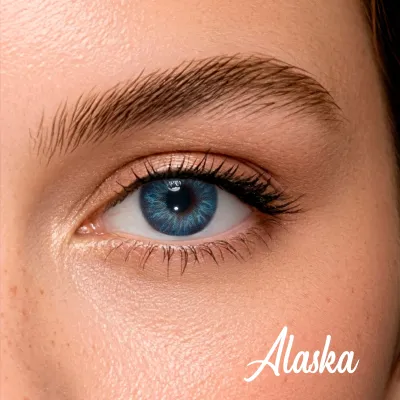
Claro Alaska - Colored Contact Lenses
*{box-sizing:border-box;} .alaska-page{ width:100%; margin:0; padding:0; font-family:Arial,Helvetica,sans-serif; color:#34495e; line-height:…
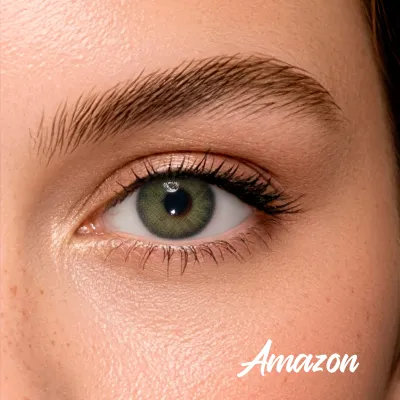
Claro Amazon - Colored Contact Lenses
*{box-sizing:border-box;} .amazon-page{ width:100%; margin:0; padding:0; font-family:Arial,Helvetica,sans-serif; color:#34495e; line-height:…
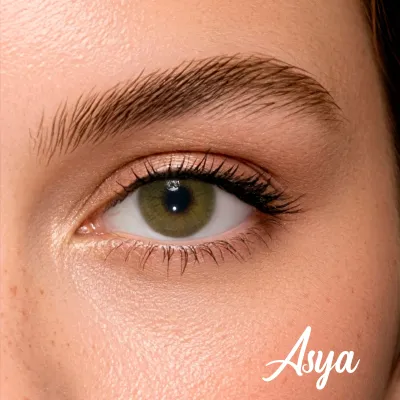
Claro Asya - Colored Contact Lenses
*{box-sizing:border-box;} .asya-page{ width:100%; margin:0; padding:0; font-family:Arial,Helvetica,sans-serif; color:#34495e; line-height:1.…
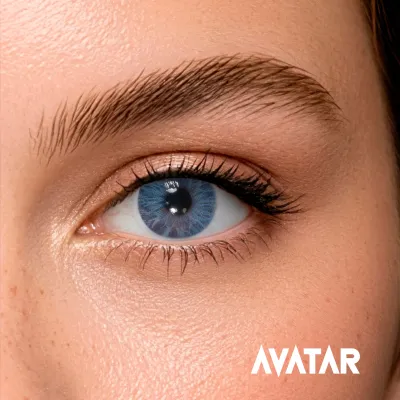
Claro Avatar - Colored Contact Lenses
*{box-sizing:border-box;} .avatar-page{ width:100%; margin:0; padding:0; font-family:Arial,Helvetica,sans-serif; color:#34495e; line-height:…
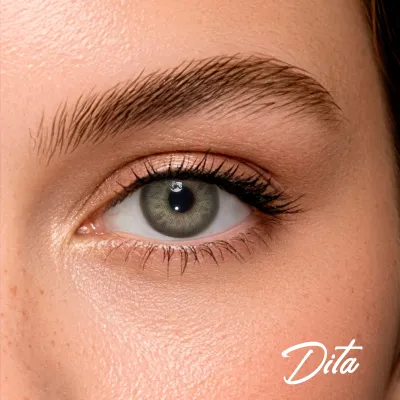
Claro Dita - Colored Contact Lenses
*{box-sizing:border-box;} .dita-page{ width:100%; margin:0; padding:0; font-family:Arial,Helvetica,sans-serif; color:#34495e; line-height:1.…
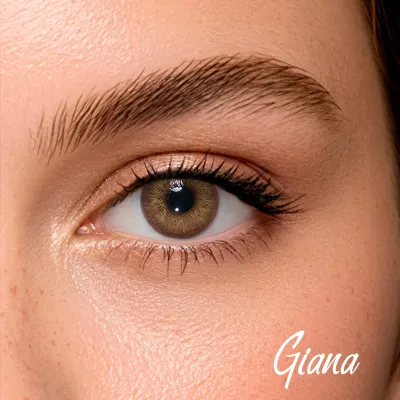
Claro Giana - Colored Contact Lenses
*{box-sizing:border-box;} .giana-page{ width:100%; margin:0; padding:0; font-family:Arial,Helvetica,sans-serif; color:#3b2a1d; line-height:1…
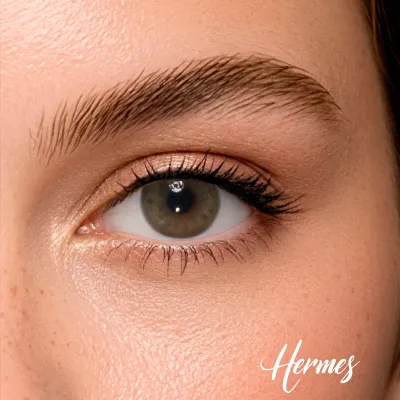
Claro Hermes - Colored Contact Lenses
*{box-sizing:border-box;} .hermes-page{ width:100%; margin:0; padding:0; font-family:Arial,Helvetica,sans-serif; color:#34495e; line-height:…
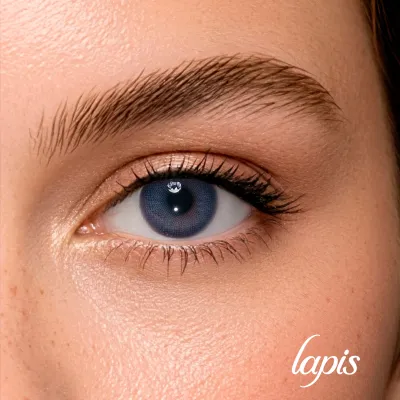
Claro Lapis - Colored Contact Lenses
*{box-sizing:border-box;} .lapis-page{ width:100%; margin:0; padding:0; font-family:Arial,Helvetica,sans-serif; color:#34495e; line-height:1…