



The allure of dramatically altering one's eye color has captivated individuals for centuries, evolving from ancient practices to modern, sophisticated cosmetic lenses. Among the most striking options available today are specialized ocular enhancements designed to create a distinct, often ethereal, appearance. These lenses, frequently referred to as 'white contacts,' offer a transformative visual impact, making them popular for costumes, theatrical productions, and unique fashion statements. However, understanding their proper use, safety implications, and the importance of professional guidance is paramount to ensure both aesthetic satisfaction and optimal eye health.
While the visual appeal is undeniable, these are not mere fashion accessories. They are medical devices that require careful consideration and adherence to strict guidelines. This comprehensive guide aims to demystify these unique eye enhancements, providing essential information for anyone considering incorporating them into their look, emphasizing safety, quality, and informed decision-making within the broader category of Colored contact lenses.
Exploring Non-Prescription Cosmetic Lenses
Specialized cosmetic lenses, including those that impart an opaque, light-colored effect, are designed to completely mask your natural eye color. Unlike enhancing tints that subtly alter eye color, these lenses feature a solid, often stark, pigment that creates a dramatic transformation. They are available in various designs, from solid white to more intricate patterns that mimic specific effects, such as zombie eyes or alien looks. Many individuals seek these lenses for Halloween, cosplay events, or professional performances where a powerful visual statement is required.
The Spectrum of Opaque Eye Tints
Within the realm of cosmetic lenses, the range of opaque tints extends far beyond simple white. You can find options that feature stark, brilliant white, often with a black limbal ring to define the iris, creating a truly otherworldly gaze. Other variations might include lenses with intricate patterns, such as spider webs, cat eyes, or even UV-reactive designs that glow under blacklight. These lenses are typically made from hydrogel or silicone hydrogel materials, similar to standard corrective contact lenses, but with the added pigment layer. It's crucial to understand that even if you don't require vision correction, these are still medical devices that sit directly on your eye.
Why Professional Guidance is Paramount
Despite often being marketed as 'non-prescription' or 'plano' (meaning zero power for vision correction), all contact lenses, including cosmetic ones, require a valid prescription from a licensed eye care professional. This is not just about vision; it's about fit. An optometrist or ophthalmologist will measure your eye's curvature and diameter to ensure the lens fits properly. An ill-fitting lens can cause serious complications, including corneal abrasions, infections, and even permanent vision loss. They can also advise on the best materials and brands suitable for your eyes, considering factors like oxygen permeability and comfort. Skipping this vital step puts your eye health at significant risk.
Ensuring Safety with Eye Accessories
The safety of your eyes should always be the top priority when using any type of contact lens. Unfortunately, many individuals overlook critical safety protocols when using cosmetic lenses, often due to misinformation or the perceived simplicity of 'non-prescription' products. Adhering to strict hygiene and usage guidelines is non-negotiable for preventing serious eye health issues. The risks associated with improper use range from mild irritation to severe, sight-threatening infections.
Best Practices for Handling and Hygiene
- Wash Hands Thoroughly: Always wash your hands with soap and water and dry them with a lint-free towel before touching your lenses or eyes.
- Use Fresh Solution: Only use fresh, sterile contact lens solution to clean, rinse, and store your lenses. Never use tap water, saliva, or homemade solutions, as these can introduce harmful microorganisms.
- Clean Your Case: Rinse your contact lens case with fresh solution and let it air dry upside down after each use. Replace your case every three months.
- Follow Wear Schedule: Adhere strictly to the recommended wearing schedule (daily, weekly, monthly) and never wear lenses past their expiration date.
- No Sleeping in Lenses: Unless specifically approved by your eye doctor for extended wear, never sleep in your cosmetic lenses.
Identifying Potential Adverse Reactions
Even with proper care, some individuals may experience adverse reactions. It's crucial to recognize the signs of a problem and seek immediate medical attention if they occur. Symptoms to watch out for include:
- Redness or irritation in the eye
- Persistent discomfort or pain
- Excessive tearing or discharge
- Blurred vision or sensitivity to light
- A feeling of something foreign in your eye
These symptoms could indicate an infection, corneal abrasion, or allergic reaction. Prompt consultation with an eye care professional is essential to prevent long-term damage.
Choosing the Ideal Pair for Your Appearance
Once you've prioritized eye health and obtained a proper fitting and prescription, the exciting part begins: selecting the perfect pair of specialized ocular enhancements to achieve your desired look. The market offers a vast array of options, and making an informed choice involves considering several factors beyond just the visual effect.
Fit, Comfort, and Visual Impact Considerations
The fit of the lens is paramount for comfort and safety. An improperly fitting lens can rub against the cornea, causing irritation or damage. Your eye care professional will ensure the base curve and diameter are correct for your eye. Comfort also depends on the lens material and its oxygen permeability. Lenses with higher oxygen transmission are generally more comfortable for extended wear. For visual impact, consider how opaque the lens is and whether it has a clear pupil area large enough not to obstruct your vision. Some highly opaque designs might slightly reduce peripheral vision, which is an important consideration, especially if you plan to wear them in dynamic environments.
Diverse Styles and Effects Available
Beyond the classic solid white contacts, the variety of designs within the colored contact lenses category is extensive. You can find lenses that offer:
- Full Opaque Coverage: For complete transformation, often used for dramatic character portrayals.
- Patterned Designs: Including intricate swirls, animal eyes, or even special effects like cracked glass or bloodshot veins.
- UV Reactive Lenses: These lenses glow vibrantly under ultraviolet light, perfect for clubs or themed parties.
- Sclera Lenses: These larger lenses cover not just the iris but also a significant portion of the white part of your eye (sclera), creating an even more extreme and immersive effect.
When choosing, think about the overall aesthetic you want to achieve and how the lens will interact with your natural eye color and skin tone. Reviewing product images and user testimonials can also provide valuable insights.
Proper Care and Longevity of Your Lenses
To maximize the lifespan of your specialized ocular enhancements and, more importantly, to safeguard your eye health, diligent care and maintenance are absolutely essential. Neglecting proper care can lead to serious infections, discomfort, and the premature degradation of the lenses, making them unsafe to wear. Think of your lenses as an investment in your look and your health.
Recommended Cleaning Regimens and Storage
A consistent daily cleaning routine is vital for reusable lenses. After removal, place each lens in the palm of your clean, dry hand, add a few drops of fresh, multi-purpose contact lens solution, and gently rub the lens with your finger for about 10-20 seconds. This helps dislodge any deposits or microorganisms. Rinse the lens thoroughly with more solution before placing it in a clean contact lens case filled with fresh solution. Never 'top off' old solution with new; always discard the old solution and replace it entirely. For daily disposable lenses, simply discard them after each use and open a fresh pair the next time you wish to wear them.
Understanding Expiration and Replacement Schedules
All contact lenses have a specified replacement schedule – daily, weekly, bi-weekly, or monthly. Adhering to this schedule is critical, regardless of how often you wear them or how clean you keep them. Over time, lens materials degrade, and microscopic deposits can build up, making them less comfortable, less oxygen permeable, and more prone to harboring bacteria. Even if a lens feels fine, it must be replaced according to its manufacturer-recommended schedule. Additionally, always check the expiration date on the lens packaging. Using expired lenses can significantly increase the risk of eye complications. If you experience any discomfort or irritation, remove the lenses immediately and consult your eye care professional.
Acquiring High-Quality Eye Enhancement Products
The availability of specialized ocular enhancements, including popular white contacts, has grown significantly, but so has the risk of encountering unregulated or counterfeit products. To protect your vision and ensure you receive a safe, high-quality product, it is imperative to purchase from reputable sources that require a valid prescription. Avoid street vendors, beauty supply stores, or online retailers that do not ask for a prescription, as these are often illegal and dangerous sources.
Navigating Reputable Suppliers and Online Stores
The safest places to purchase any type of contact lens are directly from your eye care professional's office or through licensed optical retailers and pharmacies. Many reputable online contact lens stores also exist, but they are legally required to verify your prescription with your eye doctor. Look for websites that clearly state their prescription verification process and have positive customer reviews regarding product authenticity and customer service. Brands that are FDA-approved or carry the CE mark (for European markets) are generally reliable indicators of quality and safety. Opticzade, for instance, prides itself on offering a curated selection of high-quality Colored Contact Lenses, ensuring all products meet stringent safety standards and require proper prescription verification.
Verifying Product Safety and Compliance
Before purchasing, always check for regulatory approvals. In the United States, the FDA regulates contact lenses as medical devices. In Europe, they must comply with CE marking requirements. These certifications indicate that the product has undergone rigorous testing for safety and effectiveness. Be wary of unusually low prices, generic packaging, or products with no clear brand information or manufacturer details. Counterfeit lenses can be made from inferior materials, have incorrect base curves, or contain toxic dyes, all of which pose severe risks to your eye health. Always prioritize your vision over a bargain when it comes to contact lenses.
In conclusion, while specialized ocular enhancements offer an exciting way to express creativity and transform your look, they demand a serious commitment to eye health and safety. By seeking professional guidance, adhering to proper care routines, and sourcing lenses from reputable suppliers, you can enjoy the dramatic effects of white contacts and other unique Colored Contact Lenses responsibly and safely.
Sıkça Sorulan Sorular
Do I need a prescription for specialized cosmetic lenses like white contacts?
What are the key safety precautions for using unique colored contact lenses?
How do I choose the right specialized eye enhancement for my desired look?
Where is the safest place to purchase high-quality specialized ocular enhancements?
Konuyla ilgili öne çıkan ürünler
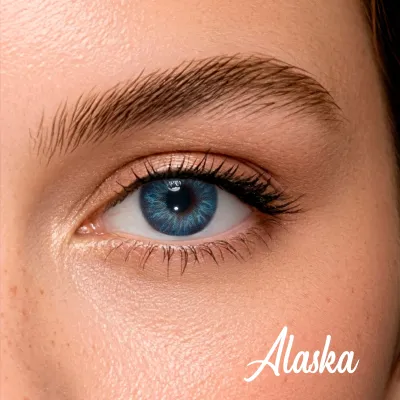
Claro Alaska - Colored Contact Lenses
*{box-sizing:border-box;} .alaska-page{ width:100%; margin:0; padding:0; font-family:Arial,Helvetica,sans-serif; color:#34495e; line-height:…
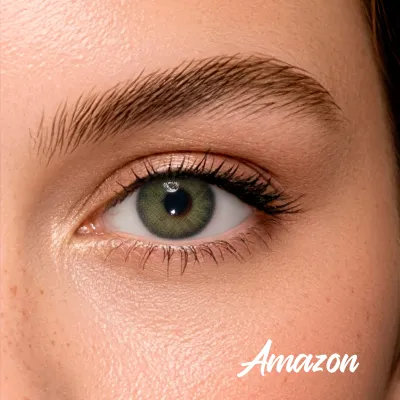
Claro Amazon - Colored Contact Lenses
*{box-sizing:border-box;} .amazon-page{ width:100%; margin:0; padding:0; font-family:Arial,Helvetica,sans-serif; color:#34495e; line-height:…
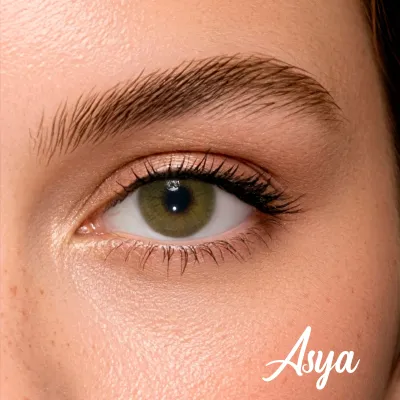
Claro Asya - Colored Contact Lenses
*{box-sizing:border-box;} .asya-page{ width:100%; margin:0; padding:0; font-family:Arial,Helvetica,sans-serif; color:#34495e; line-height:1.…
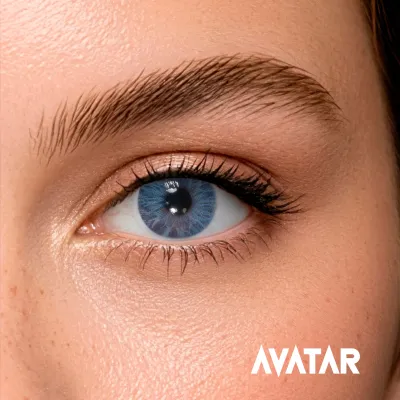
Claro Avatar - Colored Contact Lenses
*{box-sizing:border-box;} .avatar-page{ width:100%; margin:0; padding:0; font-family:Arial,Helvetica,sans-serif; color:#34495e; line-height:…
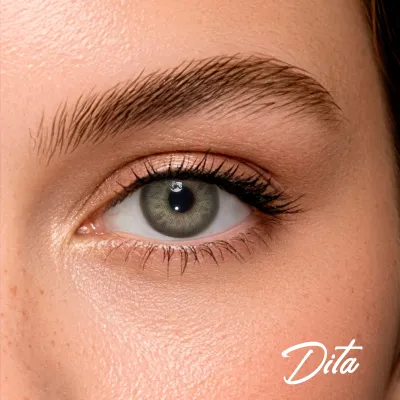
Claro Dita - Colored Contact Lenses
*{box-sizing:border-box;} .dita-page{ width:100%; margin:0; padding:0; font-family:Arial,Helvetica,sans-serif; color:#34495e; line-height:1.…
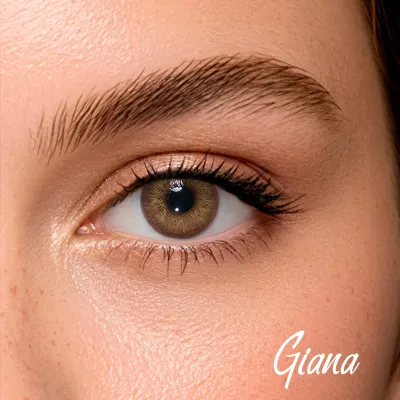
Claro Giana - Colored Contact Lenses
*{box-sizing:border-box;} .giana-page{ width:100%; margin:0; padding:0; font-family:Arial,Helvetica,sans-serif; color:#3b2a1d; line-height:1…
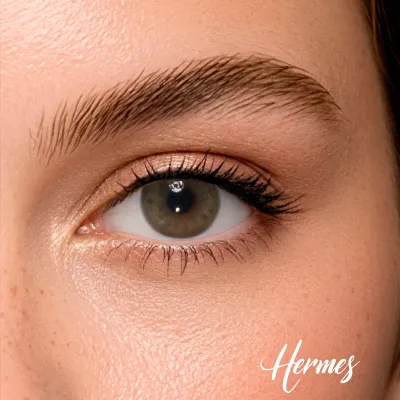
Claro Hermes - Colored Contact Lenses
*{box-sizing:border-box;} .hermes-page{ width:100%; margin:0; padding:0; font-family:Arial,Helvetica,sans-serif; color:#34495e; line-height:…
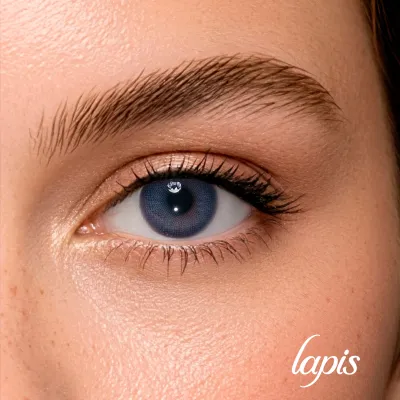
Claro Lapis - Colored Contact Lenses
*{box-sizing:border-box;} .lapis-page{ width:100%; margin:0; padding:0; font-family:Arial,Helvetica,sans-serif; color:#34495e; line-height:1…