



The desire to subtly or dramatically alter one's eye color has led to significant innovations in the world of cosmetic contact lenses. Among the most popular and effective options are three-tone colored contacts, which are meticulously designed to mimic the natural complexity and depth of the human iris. Unlike single-tone lenses that offer a flat color, these advanced multi-hue lenses incorporate three distinct shades, strategically layered to create a remarkably realistic and captivating effect. Whether you're looking to brighten your natural shade, achieve a completely new eye color, or simply add a touch of sparkle, understanding the nuances of these sophisticated eye enhancers is key to making an informed choice.
Understanding the Design of Multi-Shade eye lenses
The magic behind the natural appearance of three-tone colored contacts lies in their intricate design. Each lens is crafted with a thoughtful combination of colors and patterns that work in harmony to replicate the multifaceted structure of a real iris. This layering technique is what sets them apart, allowing for a transformation that feels authentic rather than artificial. The goal is to provide depth, dimension, and a seamless blend with your existing eye color, ensuring a striking yet believable enhancement.
The Art of Layered Pigmentation
At the core of these innovative lenses is the concept of layered pigmentation. Typically, a three-tone lens features three primary components: an outer limbal ring, a main color, and an inner accent color. The limbal ring, usually a darker shade, defines the iris and creates a youthful, enlarging effect. The main color forms the bulk of the lens, providing the desired base hue, while the inner accent color, often a lighter or contrasting shade, radiates from the pupil area to add sparkle and blend with the natural iris, preventing a 'doll-eye' look. This meticulous layering ensures that light interacts with the lens in a way that mimics natural eye reflections, enhancing the overall realism.
How Different Tones Create Depth
The interplay of the three tones is crucial for achieving a sense of depth. The darker limbal ring provides definition, drawing attention to the eyes. The primary color establishes the new hue, whether it's a vibrant blue, a deep green, or a warm hazel. The innermost tone, often a lighter, brighter shade, adds a luminous quality, making the eyes appear more vibrant and alive. This gradient effect, from the dark outer ring to the lighter inner ring, prevents the lens from looking flat and instead gives the illusion of a naturally colored, three-dimensional iris. The subtle variations in pigmentation across the lens surface also help to break up the color, further contributing to a natural, unblemished appearance.
Selecting the Ideal Triple-Tone Eye Enhancers for Your Style
Choosing the perfect pair of triple-tone colored contacts involves more than just picking a color you like. To achieve the most flattering and natural-looking result, several personal factors should be taken into consideration. These lenses are designed to complement your unique features, and a thoughtful selection process will ensure your new eye color truly enhances your overall aesthetic. Exploring the vast range of colored contact lenses available means finding the perfect match for your individual preferences and needs.
Matching Lenses to Your Natural Eye Color
Your natural eye color plays a significant role in how a triple-tone lens will appear. If you have light eyes, the new color will often be more vibrant and true to the lens's shade. For darker eyes, lenses with higher opacity or bolder pigments are usually more effective in transforming the color. Some lenses are specifically designed to blend seamlessly with dark eyes, offering a noticeable yet natural shift. Experimenting with different shades and understanding how they interact with your base color is key to finding a harmonious match.
Considering Skin Tone and Hair Color for Harmony
For a truly cohesive look, consider your skin tone and hair color. Warm skin tones (with yellow or golden undertones) often look best with warm-toned lenses like hazel, brown, or warm green. Cool skin tones (with pink or blue undertones) may be complemented by cool-toned lenses such as blue, gray, or emerald green. Similarly, your hair color can influence the overall impression. For example, a person with dark hair and cool skin might find a deep blue or gray lens particularly striking, while someone with golden blonde hair and warm skin might prefer a honey-brown or light hazel. The goal is to create an overall harmonious palette that enhances your natural beauty.
Essential Safety Practices for Cosmetic Lens Wearers
While the aesthetic benefits of three-tone colored contacts are undeniable, it is paramount to prioritize eye health and safety. Colored contact lenses, like all contact lenses, are medical devices that require proper care and handling. Neglecting safety guidelines can lead to serious eye infections, discomfort, or even permanent damage. Always remember that your vision and eye health are invaluable, and responsible lens wear is non-negotiable.
The Importance of Professional Consultation
Before purchasing or wearing any colored contact lenses, whether for vision correction or purely cosmetic purposes, a comprehensive eye examination by a qualified eye care professional is crucial. An optometrist or ophthalmologist will measure your eyes to ensure a proper fit, as ill-fitting lenses can cause discomfort, blurred vision, and corneal abrasions. They will also assess your eye health to confirm you are a suitable candidate for contact lens wear and provide you with a valid prescription, even for plano (non-corrective) lenses. This professional guidance is vital for safe and comfortable use.
Daily Care and Hygiene Protocols
Maintaining rigorous hygiene is fundamental for all contact lens wearers. Always wash your hands thoroughly with soap and water and dry them with a lint-free towel before handling your lenses. Use only fresh, sterile contact lens solution recommended by your eye care professional for cleaning, rinsing, and storing your lenses. Never use tap water, saliva, or any other non-sterile solution. Replace your lens case every three months, and always adhere to the prescribed wearing schedule and replacement frequency for your specific lenses. Sleeping in lenses not approved for extended wear can significantly increase the risk of infection.
Exploring the Variety in Triple-Tone Contact Lens Styles
The market for colored contact lenses offers an astonishing array of choices, and three-tone varieties are no exception. Beyond just color, these lenses come in various styles that dictate their final appearance on your eyes. Understanding these stylistic differences allows you to fine-tune your selection, ensuring the lenses not only provide the desired color but also create the specific visual impact you're aiming for, from subtle enhancement to dramatic transformation.
Opacity Levels and Their Impact on Appearance
Triple-tone lenses are available in different opacity levels, which determine how much of your natural eye color shows through. Opaque lenses offer a complete color change, ideal for dark eyes seeking a light or vibrant new hue. Enhancement tint lenses, on the other hand, are semi-transparent and designed to intensify or subtly alter your natural eye color, working best on lighter eyes. The choice between opaque and enhancement tints depends on your base eye color and the degree of transformation you desire. Higher opacity generally means a more dramatic and noticeable change, while lower opacity provides a softer, more blended effect.
Pattern Variations for Unique Effects
Beyond color and opacity, the specific pattern printed on the lens plays a crucial role in its overall look. Some triple-tone lenses feature a very fine, intricate pattern that closely mimics the natural striations of the iris, resulting in an incredibly realistic appearance. Others might have bolder, more defined patterns designed to create a more striking or artistic effect. There are also lenses with subtle starburst patterns around the pupil or unique textures that add a distinct sparkle. Exploring these pattern variations can help you find a pair that not only changes your eye color but also adds a unique touch to your gaze.
Making an Informed Purchase of Eye Color Changing Lenses
When you're ready to purchase your three-tone colored contacts, it's essential to do so from reputable sources. The quality and authenticity of the lenses directly impact both their appearance and, more importantly, your eye health. Being a discerning consumer ensures you receive a safe, high-quality product that lives up to its promises. Always prioritize your eye safety by choosing trusted retailers.
Verifying Authenticity and Quality Standards
Always purchase colored contact lenses from authorized retailers or directly from your eye care professional. Be wary of unverified online sellers or street vendors, as counterfeit lenses can be poorly manufactured, made from unsafe materials, or lack proper sterilization, leading to severe eye complications. Look for lenses approved by regulatory bodies in your region (e.g., FDA in the U.S., CE Mark in Europe). Reputable brands will have clear packaging, expiration dates, and manufacturing information. Investing in quality ensures comfort, safety, and the desired aesthetic outcome.
Navigating Prescription and Non-Prescription Options
Whether you need vision correction or not, all colored contact lenses require a prescription from an eye care professional. This prescription includes not only the power (if needed) but also the base curve and diameter, which are crucial for a proper and comfortable fit. If you have perfect vision, you will receive a 'plano' prescription (0.00 power) for cosmetic lenses. Never buy or wear colored contact lenses without a valid prescription, as an improper fit can cause significant damage to your eyes, regardless of whether they correct vision. Always consult with an optometrist to ensure you get the right fit and type of colored contact lenses for your eyes.
Maximizing the Visual Impact of Your New Eye Color
Once you've chosen your perfect pair of three-tone colored contacts, there are several ways to further enhance their visual impact. Consider how your makeup choices, lighting, and even clothing colors can complement your new eye shade. For instance, using eyeshadows that contrast with or highlight your lens color can make your eyes pop. Warm-toned lenses might pair beautifully with earthy browns and golds, while cool-toned lenses could be accentuated by silvers, blues, or purples. Experiment with different looks to discover what truly makes your new eye color shine. Remember, the goal is to create a harmonious and captivating overall appearance that reflects your personal style.
Three-tone colored contacts offer a remarkable way to transform or enhance your eye color with unparalleled realism and depth. By understanding their unique design, carefully selecting the right shade for your features, and adhering to strict safety and hygiene practices, you can confidently explore a world of vibrant eye colors. Always prioritize professional consultation and purchase from trusted sources to ensure both the beauty and health of your eyes. Embrace the opportunity to express your individuality and captivate with your gaze.
Sıkça Sorulan Sorular
What makes three-tone colored contacts different from other colored lenses?
How do I choose the right shade of multi-hue lenses for my eyes?
Are triple-tone colored contacts safe to wear?
Can I wear these eye color enhancing lenses if I don't need vision correction?
What are the essential care steps for my colored contact lenses?
Konuyla ilgili öne çıkan ürünler
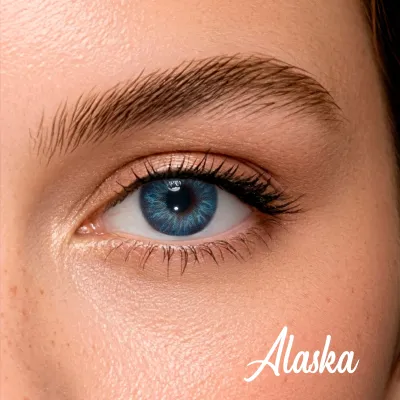
Claro Alaska - Colored Contact Lenses
*{box-sizing:border-box;} .alaska-page{ width:100%; margin:0; padding:0; font-family:Arial,Helvetica,sans-serif; color:#34495e; line-height:…
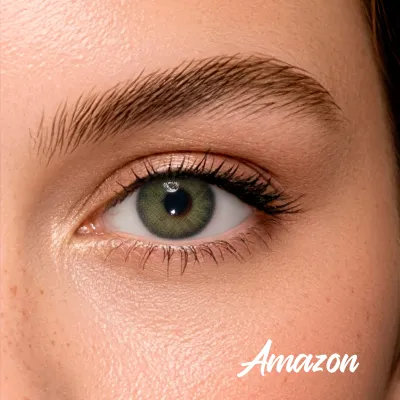
Claro Amazon - Colored Contact Lenses
*{box-sizing:border-box;} .amazon-page{ width:100%; margin:0; padding:0; font-family:Arial,Helvetica,sans-serif; color:#34495e; line-height:…
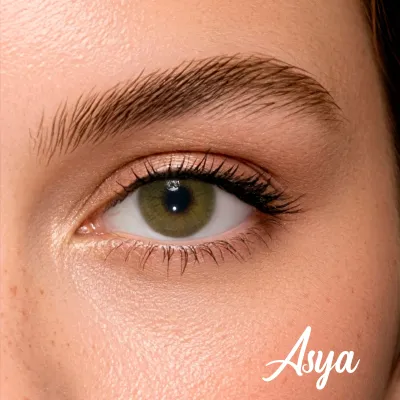
Claro Asya - Colored Contact Lenses
*{box-sizing:border-box;} .asya-page{ width:100%; margin:0; padding:0; font-family:Arial,Helvetica,sans-serif; color:#34495e; line-height:1.…
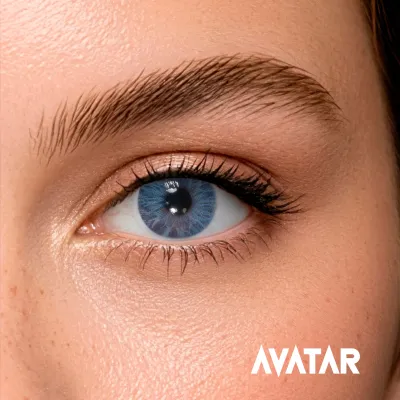
Claro Avatar - Colored Contact Lenses
*{box-sizing:border-box;} .avatar-page{ width:100%; margin:0; padding:0; font-family:Arial,Helvetica,sans-serif; color:#34495e; line-height:…
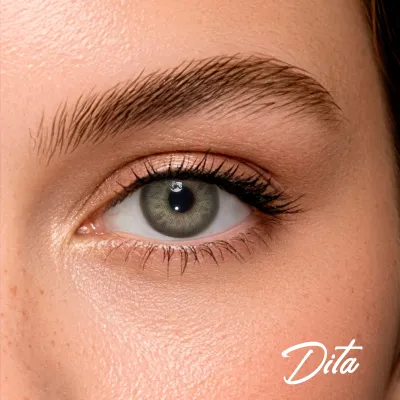
Claro Dita - Colored Contact Lenses
*{box-sizing:border-box;} .dita-page{ width:100%; margin:0; padding:0; font-family:Arial,Helvetica,sans-serif; color:#34495e; line-height:1.…
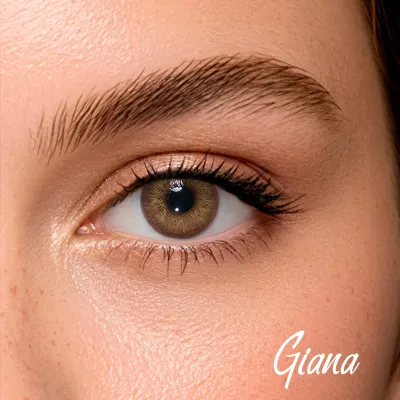
Claro Giana - Colored Contact Lenses
*{box-sizing:border-box;} .giana-page{ width:100%; margin:0; padding:0; font-family:Arial,Helvetica,sans-serif; color:#3b2a1d; line-height:1…
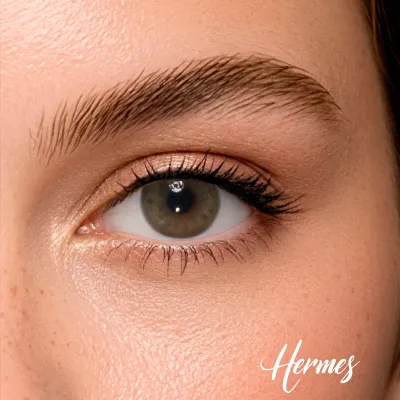
Claro Hermes - Colored Contact Lenses
*{box-sizing:border-box;} .hermes-page{ width:100%; margin:0; padding:0; font-family:Arial,Helvetica,sans-serif; color:#34495e; line-height:…
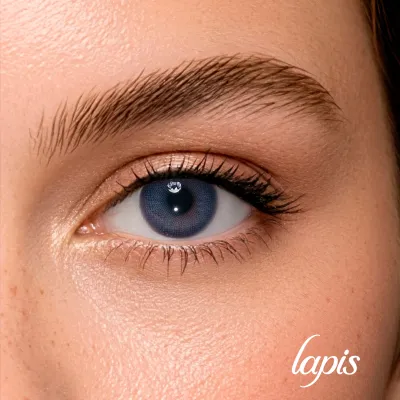
Claro Lapis - Colored Contact Lenses
*{box-sizing:border-box;} .lapis-page{ width:100%; margin:0; padding:0; font-family:Arial,Helvetica,sans-serif; color:#34495e; line-height:1…