



The desire to subtly enhance one's natural beauty is a timeless pursuit, and for many, achieving a captivating gaze begins with the eyes. Among the myriad options available in the realm of cosmetic enhancements, natural hazel contacts stand out as a particularly popular choice. They offer a unique blend of warmth, depth, and intrigue, capable of transforming one's appearance without appearing artificial. This comprehensive guide delves into everything you need to know about selecting, wearing, and caring for these exquisite eye accessories, ensuring both stunning aesthetics and optimal ocular health.
The Enduring Allure of Hazel Eye Tones
Hazel eyes are often described as a chameleon-like blend of green, brown, and gold, shifting in appearance depending on lighting and surrounding colors. This inherent versatility is precisely what makes natural hazel contacts so appealing. Unlike solid color lenses, well-designed hazel lenses incorporate multiple tones and intricate patterns that mimic the iris's natural complexity. This multi-tonal design allows them to blend seamlessly with various natural eye colors, from light blue to dark brown, creating a believable and enhanced look. The subtle warmth they impart can brighten the face, add depth to the gaze, and complement a wide range of skin tones and hair colors, making them a versatile choice for everyday wear or special occasions. They provide an opportunity to experiment with a new facet of your personal style, offering a gentle yet noticeable transformation.
Choosing the Ideal Hazel Shade for a Seamless Look
Selecting the perfect shade of hazel is crucial for achieving a truly natural effect. The market offers a spectrum of hazel tones, from light, honey-kissed variants to deeper, more intense shades with hints of green or amber. Your natural eye color plays a significant role in how the lens will appear. For instance, a lighter hazel lens on dark brown eyes might create a more dramatic, yet still natural, contrast, while the same lens on light blue eyes could result in a softer, more blended transition. Consider these factors when making your choice:
- Your Natural Eye Color: Lenses are designed to interact with your existing iris color. Some are opaque for full coverage, while others are translucent to blend.
- Skin Tone and Hair Color: Warm hazel tones often complement warm skin undertones and hair colors (e.g., golden blondes, auburns), while cooler hazel shades might suit cooler complexions.
- Desired Effect: Are you aiming for a subtle enhancement or a more noticeable change? Review product images and customer reviews, ideally showing the lenses on eyes similar to your own.
Many brands within the Colored contact lenses category offer virtual try-on tools or detailed descriptions to help visualize the outcome. Don't hesitate to consult with an eye care professional, who can offer personalized advice based on your eye health and aesthetic goals.
Prioritizing Comfort and Ocular Health with Cosmetic Lenses
While aesthetics are important, the comfort and safety of your eyes should always be paramount. Natural hazel contacts, like all contact lenses, are medical devices and require careful consideration. Modern contact lenses are made from advanced materials, such as hydrogel and silicone hydrogel, which allow oxygen to reach the cornea, ensuring comfort and reducing the risk of irritation. When choosing your lenses, pay attention to:
- Material and Breathability: Higher oxygen permeability (Dk/t value) generally means better comfort for extended wear.
- Water Content: Lenses with appropriate water content help keep your eyes hydrated.
- Wearing Schedule: Daily disposables offer maximum hygiene and convenience, while bi-weekly or monthly lenses require diligent cleaning and storage.
- Prescription vs. Plano: Even if you don't require vision correction, you still need a prescription for plano (non-corrective) colored contacts. This ensures the lenses are properly fitted to your eye's curvature and diameter, preventing discomfort, irritation, and potential damage.
Always purchase lenses from reputable sources and never share them with others. An improper fit or unhygienic practices can lead to serious eye infections or corneal damage. Your eye care professional can measure your eyes and recommend the best fit and material for your individual needs.
Essential Care Practices for Extended Lens Life and Hygiene
Proper care and maintenance are non-negotiable for anyone wearing natural hazel contacts, especially if you opt for reusable lenses. Adhering to a strict hygiene routine not only prolongs the life of your lenses but, more importantly, safeguards your eye health. Here are fundamental practices:
- Wash Your Hands Thoroughly: Always wash your hands with soap and water and dry them with a lint-free towel before handling lenses.
- Use Fresh Solution Daily: Never reuse old solution. Discard the solution from the lens case immediately after removing your lenses and refill with fresh solution before storing.
- Clean Your Lenses Properly: For reusable lenses, gently rub them in the palm of your hand with a few drops of fresh solution for about 10-20 seconds, then rinse thoroughly with more solution before placing them in the clean case.
- Replace Your Lens Case Regularly: Lens cases can harbor bacteria. Replace yours every one to three months.
- Adhere to Replacement Schedules: Do not over-wear your lenses beyond their recommended replacement schedule (e.g., daily, bi-weekly, monthly).
- Avoid Water Exposure: Never expose your contact lenses to tap water, saliva, or any non-sterile solutions, as these can introduce harmful microorganisms.
Ignoring these guidelines can lead to severe eye infections, discomfort, and potentially permanent vision impairment. When in doubt, always consult your eye care specialist.
Navigating the Market for Authentic Eye Color Enhancers
The popularity of natural hazel contacts has led to a proliferation of sellers, both legitimate and illicit. To ensure you receive safe, high-quality products that meet health standards, it's vital to purchase from trusted sources. Here’s what to look for:
Identifying Reputable Retailers
Authentic contact lenses, including colored contact lenses, should always come from licensed distributors or certified optical retailers. These establishments adhere to strict regulatory guidelines and often require a valid prescription, even for plano lenses. Signs of a reputable seller include:
- Requiring a Prescription: A legitimate seller will always ask for or verify your contact lens prescription.
- Clear Product Information: Detailed specifications about material, base curve, diameter, and expiration dates.
- Customer Support: Accessible and knowledgeable customer service for inquiries and post-purchase support.
- Positive Reviews: A history of positive customer feedback regarding product quality and service.
Avoiding Counterfeit Products
Counterfeit or unregulated lenses, often found at unauthorized vendors, beauty supply stores without optical licenses, or dubious online sites, pose significant health risks. These lenses may be made from inferior materials, have incorrect dimensions, or contain harmful dyes, leading to severe eye infections, allergic reactions, corneal abrasions, or even vision loss. Always prioritize your eye health over potentially lower prices from unverified sources. If a deal seems too good to be true, it likely is.
Addressing Common Questions About Colored eye lenses
Many individuals have questions or misconceptions regarding the use of cosmetic contact lenses. Clarifying these can help ensure a safer and more satisfying experience.
Can I Sleep While Wearing My Lenses?
Unless explicitly approved by your eye care professional for extended wear, you should never sleep in your natural hazel contacts. Sleeping with lenses not designed for overnight wear significantly increases the risk of eye infections and oxygen deprivation to the cornea, which can lead to serious complications. Always remove, clean, and store your lenses properly before bed.
Do Colored Contacts Affect My Vision?
For most people, colored contacts do not significantly affect vision. The colored portion of the lens covers the iris, while the pupil area remains clear to allow for unobstructed vision. However, in very dim lighting conditions, your pupils may dilate beyond the clear zone of the lens, potentially causing a slight halo effect or reduced peripheral vision. This is generally minor and not a concern for most daily activities. If you experience any persistent visual disturbances, consult your eye care professional immediately.
Are There Different Types of Color Enhancement?
Yes, colored contacts come in various types designed for different effects:
- Enhancement Tints: These are translucent and designed to enhance your natural eye color, making it more vibrant without drastically changing the shade. They are ideal for subtle changes, especially for lighter eyes.
- Opaque Tints: These are solid, non-transparent colors that completely change your eye color. They are suitable for both light and dark eyes and offer a more dramatic transformation.
- Visibility Tints: These are usually light blue or green tints added to regular clear lenses to make them easier to see during insertion and removal, not for cosmetic purposes.
Natural hazel contacts typically fall into the opaque or enhancement tint categories, depending on their design and your desired outcome. Discussing your desired effect with an optician can help you choose the most appropriate type.
Embracing natural hazel contacts is an exciting way to refresh your look and express your individuality. By prioritizing eye health, understanding the nuances of shade selection, and committing to proper care, you can enjoy the beauty and confidence that these subtle eye enhancements offer. Always remember that professional guidance from an eye care specialist is invaluable for a safe and satisfying experience with any type of contact lens.
Sıkça Sorulan Sorular
Are natural hazel contacts safe to wear?
How do I choose the right shade of hazel for my eyes?
Do I need a prescription for natural hazel colored contacts?
What is the proper way to care for my hazel contact lenses?
Can I sleep while wearing my natural hazel contacts?
Konuyla ilgili öne çıkan ürünler
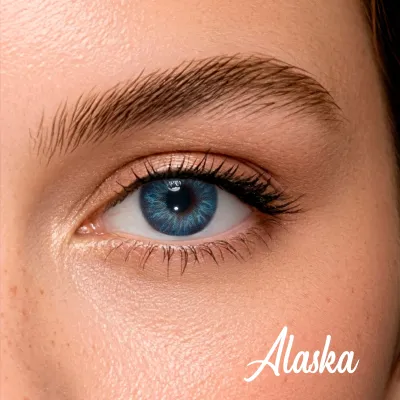
Claro Alaska - Colored Contact Lenses
*{box-sizing:border-box;} .alaska-page{ width:100%; margin:0; padding:0; font-family:Arial,Helvetica,sans-serif; color:#34495e; line-height:…
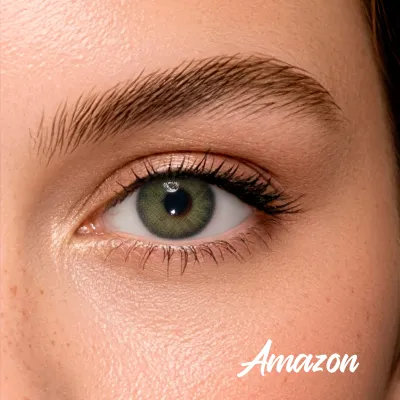
Claro Amazon - Colored Contact Lenses
*{box-sizing:border-box;} .amazon-page{ width:100%; margin:0; padding:0; font-family:Arial,Helvetica,sans-serif; color:#34495e; line-height:…
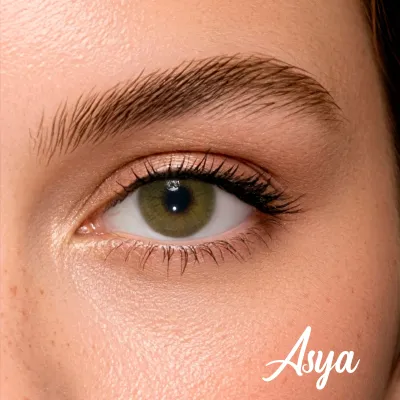
Claro Asya - Colored Contact Lenses
*{box-sizing:border-box;} .asya-page{ width:100%; margin:0; padding:0; font-family:Arial,Helvetica,sans-serif; color:#34495e; line-height:1.…
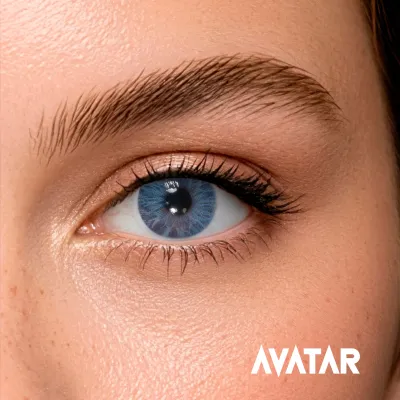
Claro Avatar - Colored Contact Lenses
*{box-sizing:border-box;} .avatar-page{ width:100%; margin:0; padding:0; font-family:Arial,Helvetica,sans-serif; color:#34495e; line-height:…
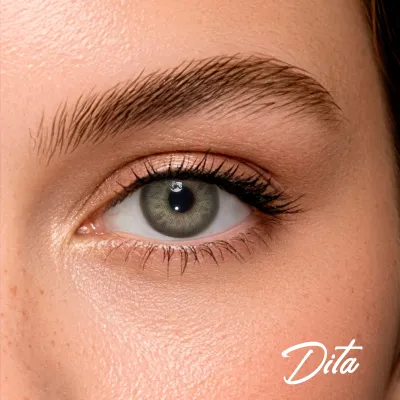
Claro Dita - Colored Contact Lenses
*{box-sizing:border-box;} .dita-page{ width:100%; margin:0; padding:0; font-family:Arial,Helvetica,sans-serif; color:#34495e; line-height:1.…
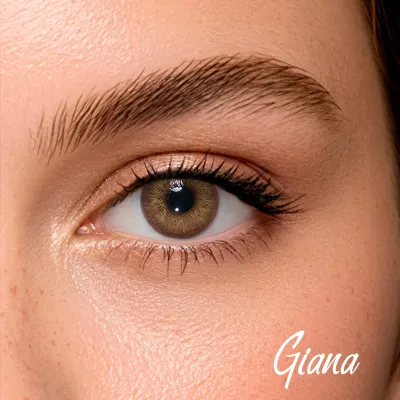
Claro Giana - Colored Contact Lenses
*{box-sizing:border-box;} .giana-page{ width:100%; margin:0; padding:0; font-family:Arial,Helvetica,sans-serif; color:#3b2a1d; line-height:1…
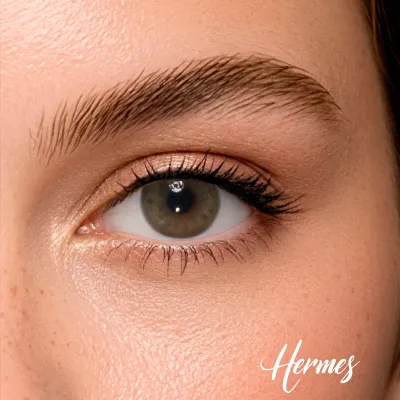
Claro Hermes - Colored Contact Lenses
*{box-sizing:border-box;} .hermes-page{ width:100%; margin:0; padding:0; font-family:Arial,Helvetica,sans-serif; color:#34495e; line-height:…
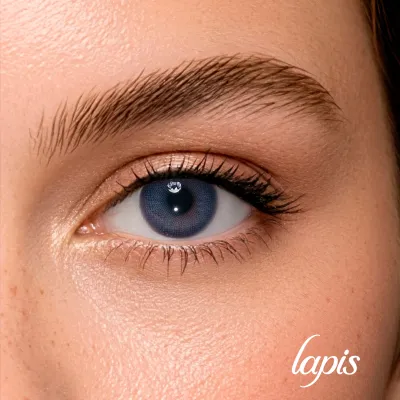
Claro Lapis - Colored Contact Lenses
*{box-sizing:border-box;} .lapis-page{ width:100%; margin:0; padding:0; font-family:Arial,Helvetica,sans-serif; color:#34495e; line-height:1…