



In a world where personal expression is paramount, the desire to subtly enhance one's appearance has led to remarkable innovations. Among these, the realm of natural color contact lenses stands out, offering a transformative yet understated way to redefine your gaze. These specialized lenses are designed not to drastically alter your eye color, but rather to enrich, deepen, or gently shift its hue, creating an effect that is both captivating and incredibly authentic. For those seeking to refresh their look without overt change, understanding the nuances of these ocular enhancements is key. This comprehensive guide delves into everything you need to know, from selecting the perfect shade to ensuring safe and comfortable wear, empowering you to make informed choices for a truly mesmerizing gaze.
Understanding Subtle Eye Color Enhancement
The appeal of colored contact lenses lies in their ability to offer a fresh perspective on your natural beauty. Unlike theatrical or vibrant lenses, those designed for a subtle effect are crafted with intricate patterns and translucent tints that blend seamlessly with your existing eye color. The goal is to achieve an enhancement that looks as if it's your own, only better. This delicate balance of artistry and technology allows individuals to experiment with different shades, from a deeper hazel to a brighter blue, all while maintaining an authentic appearance.
What Makes a Tinted Lens Appear Authentic?
Authenticity in a colored lens is achieved through sophisticated design. Manufacturers meticulously replicate the intricate patterns of the human iris, including flecks, lines, and varying color densities. Many high-quality lenses also incorporate a limbal ring – a darker ring around the iris – which can make eyes appear larger, more defined, and youthful. The blend of translucent pigments with these detailed patterns ensures that light interacts with the lens in a way that mimics natural eye color, preventing a 'fake' or 'doll-like' appearance.
Distinguishing Between Opaque and Enhancement Tints
When exploring colored contact lenses, you'll encounter two primary categories: opaque and enhancement tints. Opaque lenses are designed to completely change your eye color, often used for very dark eyes to achieve a lighter shade like blue or green. Enhancement tints, on the other hand, are translucent. They work by intensifying your natural eye color or adding a subtle new hue. For those seeking a truly natural look, enhancement tints are often the preferred choice, as they allow some of your original eye color to show through, creating a more realistic and blended effect.
Exploring Different Types of Colored Ocular Devices
The market for Colored Contact Lenses is diverse, offering options tailored to various needs and preferences. Beyond the color itself, factors like material composition and wear schedule play a crucial role in comfort, eye health, and overall satisfaction. Understanding these distinctions will help you navigate the choices available and select the best fit for your lifestyle.
Material Matters: Hydrogel vs. Silicone Hydrogel Options
The material of your contact lenses significantly impacts comfort and eye health. Traditional hydrogel lenses are made from water-absorbing plastics, offering a soft and comfortable feel. However, silicone hydrogel lenses represent a newer generation, providing superior oxygen permeability to the eye. This increased oxygen flow is vital for maintaining eye health, reducing dryness, and allowing for longer, more comfortable wear times. For those prioritizing comfort and breathability, especially for extended use, silicone hydrogel options are often recommended by eye care professionals.
Daily Disposables Versus Extended Wear Choices
The wear schedule of your lenses is another important consideration. Daily disposable lenses offer the ultimate in convenience and hygiene: you wear a fresh pair each day and discard them at night, eliminating the need for cleaning and storage solutions. This significantly reduces the risk of eye infections. Alternatively, extended wear lenses can be worn for longer periods, sometimes even overnight, though this is less common for colored lenses and requires strict adherence to an optometrist's advice. For most users seeking natural color contact lenses, daily disposables or two-week/monthly disposables (which require daily cleaning) are the most popular and practical choices.
Selecting the Ideal Hue for Your Unique Features
Choosing the right shade of colored contact lenses is an art form, requiring consideration of your individual characteristics to ensure the most harmonious and authentic outcome. The goal is to find a color that complements your overall appearance, rather than clashing with it. A well-chosen hue can subtly brighten your face, enhance your skin tone, and add a touch of allure to your expression.
Matching Tones to Your Skin and Hair Color
To achieve a truly natural look, consider your skin's undertones and hair color. Individuals with warm skin tones (yellow, peach, or golden undertones) and warm hair colors (golden blonde, auburn, honey brown) often look best in warm-toned lenses like hazel, light brown, or warm green. Conversely, those with cool skin tones (pink, blue, or red undertones) and cool hair colors (ash blonde, black, cool brown) might find cool-toned lenses such as blue, gray, or violet more flattering. Experimentation and professional advice can help pinpoint your perfect match.
Considering Your Original Eye Pigmentation
Your natural eye color plays a crucial role in how a colored lens will appear. If you have light eyes, even a subtle enhancement tint can create a noticeable yet natural change. For darker eyes, opaque lenses might be necessary to achieve a lighter shade, but enhancement tints can still add depth or a subtle shift in hue. For instance, a blue enhancement tint on light brown eyes might result in a unique blue-green or hazel effect. Always view samples or use virtual try-on tools to see how different shades interact with your specific eye color.
Essential Safety Practices for Wearing Tinted Lenses
While the aesthetic benefits of natural color contact lenses are appealing, eye health and safety must always be the top priority. Contact lenses are medical devices, and improper use can lead to serious eye infections or damage. Adhering to strict hygiene protocols and following your eye care professional's advice is non-negotiable for safe and comfortable wear.
Proper Cleaning and Storage Protocols
For reusable lenses, meticulous cleaning and storage are paramount. Always wash your hands thoroughly with soap and water and dry them with a lint-free towel before handling your lenses. Use only fresh, sterile contact lens solution recommended by your eye doctor for cleaning, rinsing, and storing. Never use tap water, saliva, or expired solution. Rub and rinse your lenses as directed, and replace your lens case every three months to prevent bacterial buildup.
Recognizing Signs of Eye Irritation or Infection
It's crucial to be aware of the signs that might indicate an eye problem. If you experience redness, pain, excessive tearing, discharge, blurred vision, or unusual light sensitivity while wearing your lenses, remove them immediately. Do not attempt to self-diagnose or treat. Contact your eye care professional without delay. Early detection and treatment are vital to prevent minor irritations from escalating into serious infections that could potentially harm your vision.
Navigating the Purchase of Aesthetic Vision Aids
Acquiring natural color contact lenses, like all contact lenses, requires a prescription. This is a crucial step that ensures not only the correct vision correction (if needed) but also the proper fit and safety parameters for your eyes. Understanding the purchasing process will help you make a confident and secure transaction.
The Importance of a Prescription from an Eye Care Professional
Even if you have perfect vision and only desire cosmetic enhancement, a comprehensive eye exam and a valid prescription from an optometrist or ophthalmologist are mandatory. An eye care professional will measure your eye's curvature (base curve) and diameter, ensuring the lenses fit properly without causing discomfort or restricting oxygen flow. They will also assess your eye health to determine if you are a suitable candidate for contact lens wear and recommend the best type of lens for your needs. Never purchase lenses without a prescription, as ill-fitting or unapproved lenses can cause severe eye damage.
Online vs. In-Store Shopping: What to Expect
Once you have a prescription, you have options for purchasing your lenses. In-store purchases from an optical shop or your eye doctor's office offer personalized service, immediate availability, and direct professional advice. Online retailers, such as reputable platforms like Opticzade, often provide a wider selection and competitive pricing, coupled with the convenience of home delivery. When buying online, always ensure the retailer requires a valid prescription and sources their Colored Contact Lenses from authorized manufacturers to guarantee product authenticity and safety. Check for customer reviews and clear return policies.
Beyond Aesthetics: Additional Advantages of Colored Eyewear
While the primary motivation for wearing natural color contact lenses is often aesthetic, these innovative products can offer benefits that extend beyond simply changing your eye color. From psychological boosts to practical health features, they can contribute positively to your overall well-being and daily comfort.
Boosting Confidence with a Fresh Look
The power of a subtle change in appearance can be profound. For many, experimenting with a new eye color, even a slight enhancement, can lead to a significant boost in self-confidence. It's an opportunity to express a different facet of their personality, feel more attractive, or simply enjoy a fresh perspective on their own image. This psychological uplift can translate into greater ease in social interactions and a more positive self-perception, making them feel more vibrant and engaged in their daily lives.
UV Protection Features in Some Lens Designs
An often-overlooked benefit of certain contact lenses, including some natural color contact lenses, is their integrated UV protection. While not a substitute for sunglasses, lenses with UV-blocking capabilities can help shield your eyes from harmful ultraviolet A and B (UVA and UVB) rays. Prolonged exposure to UV radiation can contribute to serious eye conditions like cataracts and macular degeneration. Opting for lenses that offer this added layer of protection can be a smart choice for long-term eye health, especially for those who spend a lot of time outdoors.
Embracing natural color contact lenses offers a unique avenue for subtle self-expression and enhancement. By understanding the types, choosing the right shade, prioritizing safety, and navigating the purchasing process responsibly, you can unlock a world of captivating possibilities for your gaze. Always consult with an eye care professional to ensure these lenses are suitable for your eyes and to receive personalized guidance for a safe and beautiful experience.
Sıkça Sorulan Sorular
What makes natural color contact lenses look authentic?
Do I need a prescription for natural color contact lenses even if I have perfect vision?
How do I choose the right shade of natural color contact lenses for my eyes?
What are the essential safety practices for wearing colored contact lenses?
Can natural color contact lenses offer UV protection?
Konuyla ilgili öne çıkan ürünler
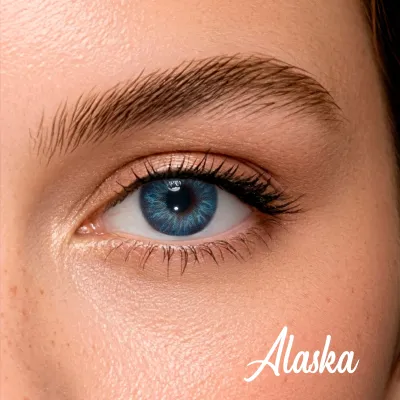
Claro Alaska - Colored Contact Lenses
*{box-sizing:border-box;} .alaska-page{ width:100%; margin:0; padding:0; font-family:Arial,Helvetica,sans-serif; color:#34495e; line-height:…
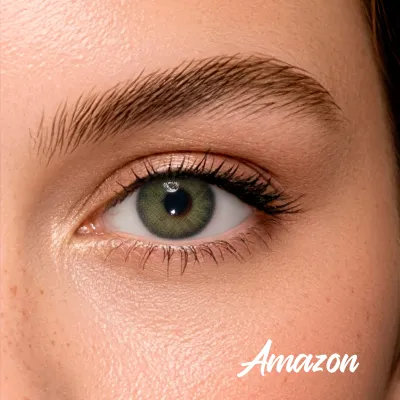
Claro Amazon - Colored Contact Lenses
*{box-sizing:border-box;} .amazon-page{ width:100%; margin:0; padding:0; font-family:Arial,Helvetica,sans-serif; color:#34495e; line-height:…
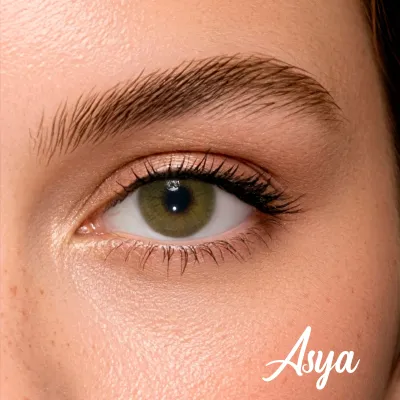
Claro Asya - Colored Contact Lenses
*{box-sizing:border-box;} .asya-page{ width:100%; margin:0; padding:0; font-family:Arial,Helvetica,sans-serif; color:#34495e; line-height:1.…
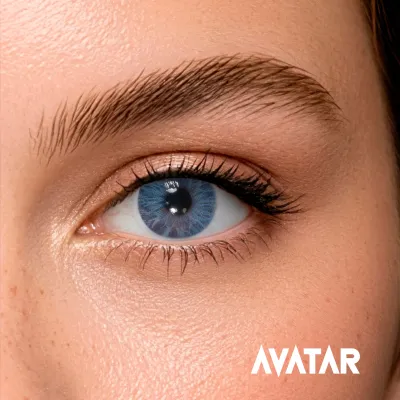
Claro Avatar - Colored Contact Lenses
*{box-sizing:border-box;} .avatar-page{ width:100%; margin:0; padding:0; font-family:Arial,Helvetica,sans-serif; color:#34495e; line-height:…
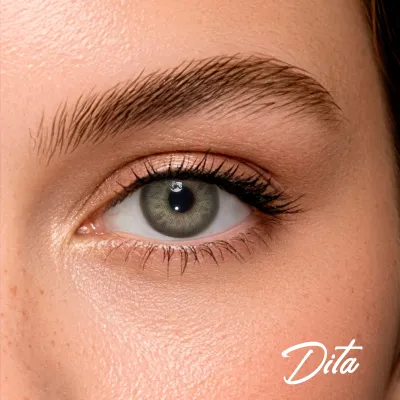
Claro Dita - Colored Contact Lenses
*{box-sizing:border-box;} .dita-page{ width:100%; margin:0; padding:0; font-family:Arial,Helvetica,sans-serif; color:#34495e; line-height:1.…
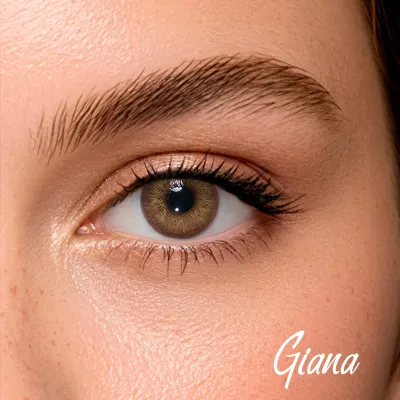
Claro Giana - Colored Contact Lenses
*{box-sizing:border-box;} .giana-page{ width:100%; margin:0; padding:0; font-family:Arial,Helvetica,sans-serif; color:#3b2a1d; line-height:1…
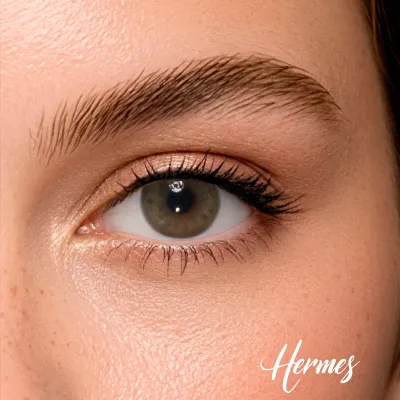
Claro Hermes - Colored Contact Lenses
*{box-sizing:border-box;} .hermes-page{ width:100%; margin:0; padding:0; font-family:Arial,Helvetica,sans-serif; color:#34495e; line-height:…
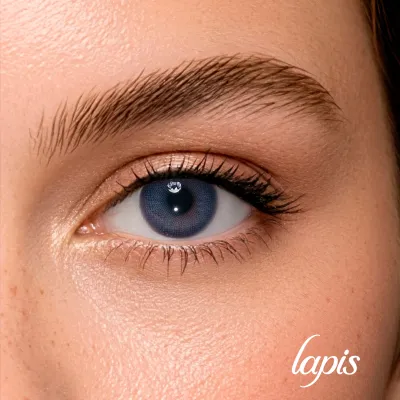
Claro Lapis - Colored Contact Lenses
*{box-sizing:border-box;} .lapis-page{ width:100%; margin:0; padding:0; font-family:Arial,Helvetica,sans-serif; color:#34495e; line-height:1…