



Many individuals with brown eyes dream of experiencing a different eye color, and green often tops the list for its captivating and unique appeal. The desire to subtly or dramatically alter one's appearance with a vibrant new hue is a common motivation for exploring colored contact lenses. For those with darker irises, achieving a noticeable and natural-looking green can seem challenging, but with the right knowledge and product selection, it's an entirely achievable transformation. This comprehensive guide delves into everything you need to know about selecting, wearing, and caring for colored contacts designed to give brown eyes a stunning green makeover, ensuring both aesthetic satisfaction and paramount eye health.
Exploring the Allure of Emerald Tones for Deeper Irises
The fascination with green eyes is universal, often associated with mystery, nature, and striking beauty. For individuals with brown eyes, the prospect of adopting this enchanting color is particularly exciting. Modern colored contact lenses are engineered to provide a spectrum of green shades that can effectively transform even the darkest brown eyes, offering options from subtle enhancements to vivid, dramatic changes. Understanding how these specialized lenses work is the first step in making an informed choice.
How Pigmented Lenses Interact with Dark Eye Colors
colored contact lenses are designed with a transparent center for vision and a colored outer ring that overlays your natural iris. For brown eyes, the key to a successful transformation lies in the opacity and pigment density of the lens. Lenses specifically formulated for dark eyes typically feature a more opaque tint, ensuring that the underlying brown color is effectively masked or blended. The intricate patterns and varying shades of green within the lens are crucial for creating a realistic depth and dimension, preventing the eyes from looking flat or artificial. Advanced printing technologies allow manufacturers to mimic the natural striations and flecks found in real irises, contributing to a more authentic appearance.
Differentiating Between Opaque and Enhancement Options
When considering colored contact lenses, you'll generally encounter two main categories: opaque and enhancement tints. Opaque lenses are fully pigmented and designed to completely change your eye color. These are the go-to choice for individuals with dark brown eyes who want a significant and noticeable shift to green. They come in a wide array of green shades, from deep forest greens to bright lime tones. Enhancement tints, on the other hand, are translucent and intended to intensify or subtly alter your natural eye color. While they might work for very light brown or hazel eyes to add a green shimmer, they are typically less effective for truly dark brown eyes as they don't provide enough coverage to mask the underlying pigment. For a true green transformation on dark eyes, opaque lenses are almost always the recommended option.
Selecting the Perfect Green Hue to Complement Your Features
Choosing the right shade of green is paramount to achieving a desirable and harmonious look. Just as with hair color or makeup, certain green tones will naturally enhance different complexions and hair colors more effectively. The goal is to find a shade that feels authentic to your overall appearance, whether you're aiming for a subtle shift or a bold statement.
Matching Shades with Skin Undertones and Hair Color
Your skin's undertone (warm, cool, or neutral) plays a significant role in how different green shades will appear on you. Individuals with warm undertones (often having golden, peach, or yellow hues) might find that olive green, hazel-green, or warmer emerald tones complement their complexion beautifully. These shades often have yellow or brown flecks that blend seamlessly with warm skin. Conversely, those with cool undertones (pink, red, or blue hues) might gravitate towards cooler greens like jade, sea green, or vibrant emeralds with blue undertones. These shades can create a striking contrast that enhances cool complexions. Furthermore, consider your hair color: lighter greens can pop against dark hair, while deeper greens might blend more subtly. Experimentation, perhaps with virtual try-on tools or by observing others with similar features, can be very helpful.
Achieving a Natural Versus a Striking Visual Impact
The desired level of transformation is another critical factor. If your aim is a natural-looking change that makes people wonder if your eyes have always been green, opt for shades that incorporate multiple tones and subtle patterns, mimicking the complexity of a real iris. Greens with hints of brown or yellow, like hazel-green or olive, often provide a softer, more believable transition from dark brown. For those who desire a more dramatic and noticeable change, vibrant emeralds, bright jade, or even electric lime greens can create a striking visual impact. These bolder shades are perfect for making a statement and drawing attention to your eyes. Remember that the final appearance will always be a unique interaction between the lens color and your natural eye pigment, making individual results slightly varied.
Essential Safety Measures and Professional Guidance for Eye Color Change
While the aesthetic appeal of colored contact lenses is undeniable, eye health and safety must always take precedence. Contact lenses are medical devices, and improper use can lead to serious eye complications, including infections, corneal abrasions, and even permanent vision loss. Therefore, professional consultation and adherence to strict safety protocols are non-negotiable.
The Indispensable Role of an Optometrist's Prescription
It is a common misconception that if you don't need vision correction, you don't need a prescription for colored contact lenses. This is absolutely false. All contact lenses, including plano (non-corrective) colored lenses, require a valid prescription from a licensed eye care professional. An optometrist or ophthalmologist will conduct a comprehensive eye exam to measure your eye's curvature (base curve) and diameter, ensuring the lenses fit properly. An ill-fitting lens can cause discomfort, irritation, and restrict oxygen flow to the cornea, leading to severe health issues. They will also assess your eye health to confirm you are a suitable candidate for contact lens wear and provide crucial instructions on proper handling and care. Purchasing lenses without a prescription is illegal and highly dangerous.
Proper Fitting and Hygiene Practices for Lens Wearers
Beyond the prescription, proper fitting is crucial. A lens that is too tight can restrict oxygen, while one that is too loose can move excessively, causing irritation and blurred vision. Your eye care professional will ensure the lenses sit comfortably and correctly on your eye. Once you have your prescribed lenses, meticulous hygiene is paramount. Always wash your hands thoroughly with soap and water and dry them with a lint-free towel before handling your lenses. Avoid touching the tip of the solution bottle to any surface, including your fingers, to prevent contamination. Never use tap water or saliva to clean or store your lenses, as these contain microorganisms that can cause severe eye infections. Always use fresh, sterile contact lens solution recommended by your eye doctor for cleaning, rinsing, and storing.
Understanding Different Lens Types and Their Lifespan
Colored contact lenses, like their clear counterparts, come in various types based on their intended wear schedule. Understanding these differences is crucial for convenience, cost-effectiveness, and maintaining optimal eye health. Each type has specific recommendations for use and replacement that must be strictly followed.
Daily, Bi-Weekly, and Monthly Wear Considerations
The most common types of colored contact lenses are daily disposables, bi-weekly disposables, and monthly disposables. Daily disposable lenses are worn once and then discarded, offering the highest level of hygiene and convenience as they require no cleaning or storage. They are ideal for occasional use or for individuals prone to allergies. Bi-weekly lenses are worn for up to two weeks before being replaced, requiring daily cleaning and proper storage. Monthly lenses are designed for up to one month of wear, also necessitating daily cleaning and storage. While monthly lenses can be more cost-effective in the long run, they demand the most diligent care to prevent protein buildup and bacterial contamination. Your eye care professional will help you determine which wear schedule best suits your lifestyle and eye health needs.
Material Innovations in Modern Colored Contact Lenses
The material from which colored contact lenses are made significantly impacts comfort, oxygen permeability, and overall eye health. Historically, lenses were made from hydrogel, a soft, water-absorbing plastic. While comfortable, hydrogel lenses can sometimes limit oxygen flow to the cornea, especially during extended wear. Modern advancements have led to the widespread use of silicone hydrogel materials. These materials allow significantly more oxygen to pass through to the eye, reducing the risk of hypoxia-related complications and enhancing comfort, particularly for longer wear times. Many high-quality colored contact lenses are now available in silicone hydrogel, offering a healthier option for those seeking to change their eye color. Always inquire about the material of your chosen lenses and discuss its suitability with your optometrist.
Maintaining Optimal Eye Health with Colored Vision Correction
Wearing colored contact lenses, even purely for cosmetic purposes, requires a commitment to a rigorous care routine. Proper maintenance is not just about extending the life of your lenses; it's fundamentally about protecting your vision and preventing potentially sight-threatening infections or damage. Neglecting lens care can quickly turn a fun cosmetic choice into a serious medical concern.
Best Practices for Cleaning and Storing Your Lenses
For reusable lenses (bi-weekly or monthly), daily cleaning and proper storage are non-negotiable. After removing your lenses, place one in the palm of your clean, dry hand, add a few drops of fresh, multi-purpose contact lens solution, and gently rub it with your index finger for about 10-20 seconds. This mechanical rubbing helps to dislodge protein deposits, lipids, and debris. Rinse the lens thoroughly with more fresh solution before placing it in a clean lens case filled with fresh solution. Repeat for the other lens. Never "top off" old solution with new; always discard old solution and refill with fresh. Replace your lens case every 1-3 months, as cases can harbor bacteria over time even with proper cleaning.
Recognizing When to Replace Your Eye Color Enhancers
Adhering to the prescribed replacement schedule is as important as daily cleaning. Over-wearing lenses beyond their recommended lifespan significantly increases the risk of complications. Lenses degrade over time, losing their ability to hold moisture, becoming less permeable to oxygen, and accumulating deposits that can irritate the eye and become breeding grounds for bacteria. Even if your lenses feel comfortable and look fine, their material properties change, making them unsafe. Mark your calendar or set reminders for when to replace your daily, bi-weekly, or monthly lenses. If you experience any redness, irritation, discomfort, blurred vision, or excessive tearing, remove your lenses immediately and consult your eye care professional, even if it's before the scheduled replacement date.
Navigating the Market: Sourcing Reliable Colored Contacts
The market for colored contact lenses is vast, encompassing numerous brands, retailers, and online platforms. While this offers a wide array of choices, it also necessitates careful discernment to ensure you purchase safe, high-quality products. The allure of cheap, unregulated lenses can be tempting, but the risks to your eye health far outweigh any perceived savings.
Identifying Authorized Retailers and Quality Brands
The safest way to purchase colored contact lenses is through authorized retailers, which typically include optical shops, optometrist offices, and reputable online contact lens stores that require a valid prescription. These channels ensure that you are receiving genuine, FDA-approved (or equivalent regulatory body approved) products from established manufacturers. Look for well-known brands that specialize in colored contact lenses, as they invest heavily in research and development to ensure both vibrant aesthetics and optimal eye health. Do your research, read reviews, and verify the retailer's legitimacy before making a purchase. A legitimate retailer will always ask for your prescription details and may even verify them with your eye care professional.
Avoiding Risks Associated with Unregulated Online Purchases
The internet is rife with websites and social media vendors selling colored contact lenses without requiring a prescription. These unregulated sources often sell counterfeit, expired, or poorly manufactured lenses that can pose severe risks to your eyes. Such lenses may not be sterile, may contain toxic dyes, or may have incorrect base curve and diameter measurements, leading to corneal damage, infections, allergic reactions, and even permanent vision impairment. The low prices offered by these vendors are a clear red flag. Always prioritize your eye health over cost. Stick to purchasing Colored Contact Lenses from licensed professionals and authorized distributors to ensure the safety and quality of the products you put into your eyes.
Embracing green contacts for brown eyes offers a wonderful opportunity to refresh your look and express a different facet of your personality. By understanding the nuances of color selection, adhering to strict safety protocols, and committing to proper lens care, you can enjoy this transformation with confidence and peace of mind. Always remember that your eye health is paramount, and professional guidance from an optometrist is your most valuable resource throughout this exciting journey.
Sıkça Sorulan Sorular
Do I need a prescription for colored contact lenses if I don't need vision correction?
How do colored contact lenses change dark brown eyes to green?
What factors should I consider when choosing a green shade for my brown eyes?
What are the most important safety practices for wearing colored contact lenses?
Konuyla ilgili öne çıkan ürünler
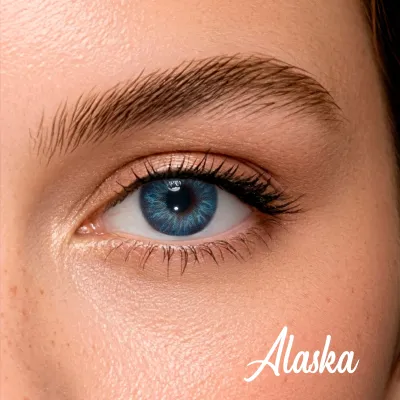
Claro Alaska - Colored Contact Lenses
*{box-sizing:border-box;} .alaska-page{ width:100%; margin:0; padding:0; font-family:Arial,Helvetica,sans-serif; color:#34495e; line-height:…
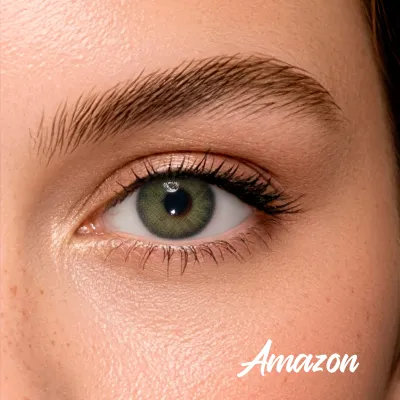
Claro Amazon - Colored Contact Lenses
*{box-sizing:border-box;} .amazon-page{ width:100%; margin:0; padding:0; font-family:Arial,Helvetica,sans-serif; color:#34495e; line-height:…
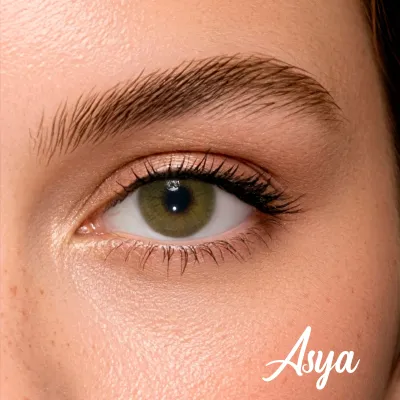
Claro Asya - Colored Contact Lenses
*{box-sizing:border-box;} .asya-page{ width:100%; margin:0; padding:0; font-family:Arial,Helvetica,sans-serif; color:#34495e; line-height:1.…
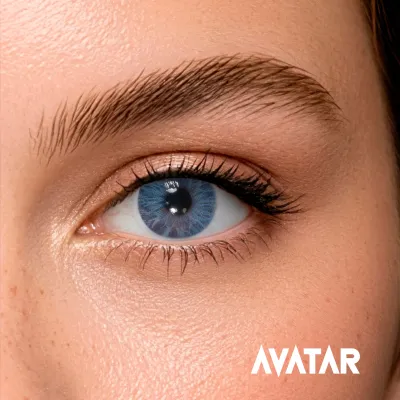
Claro Avatar - Colored Contact Lenses
*{box-sizing:border-box;} .avatar-page{ width:100%; margin:0; padding:0; font-family:Arial,Helvetica,sans-serif; color:#34495e; line-height:…
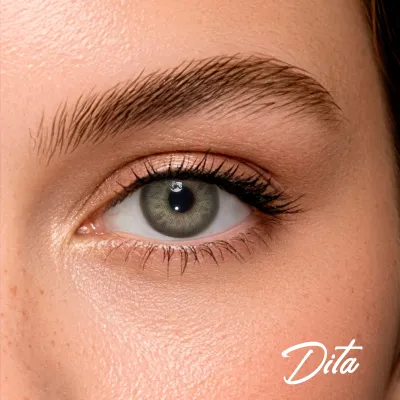
Claro Dita - Colored Contact Lenses
*{box-sizing:border-box;} .dita-page{ width:100%; margin:0; padding:0; font-family:Arial,Helvetica,sans-serif; color:#34495e; line-height:1.…
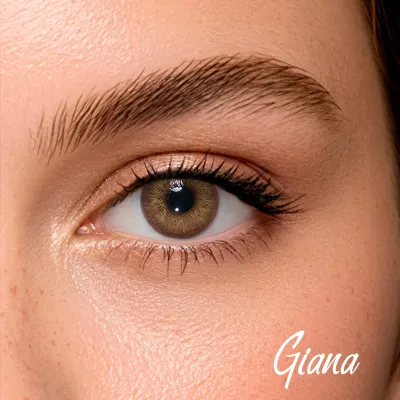
Claro Giana - Colored Contact Lenses
*{box-sizing:border-box;} .giana-page{ width:100%; margin:0; padding:0; font-family:Arial,Helvetica,sans-serif; color:#3b2a1d; line-height:1…
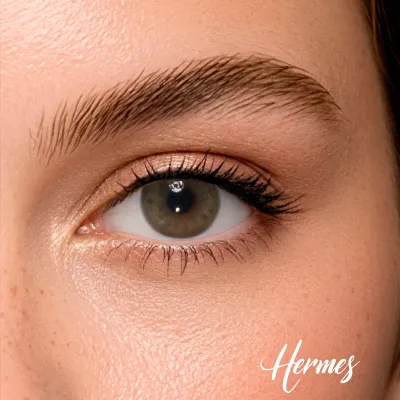
Claro Hermes - Colored Contact Lenses
*{box-sizing:border-box;} .hermes-page{ width:100%; margin:0; padding:0; font-family:Arial,Helvetica,sans-serif; color:#34495e; line-height:…
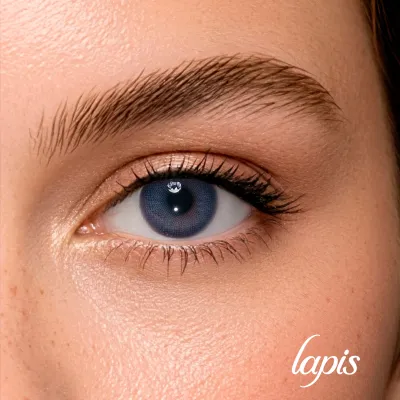
Claro Lapis - Colored Contact Lenses
*{box-sizing:border-box;} .lapis-page{ width:100%; margin:0; padding:0; font-family:Arial,Helvetica,sans-serif; color:#34495e; line-height:1…