



Many individuals dream of altering their natural eye color, seeking a subtle yet striking transformation. Among the myriad options available in the realm of colored contact lenses, those offering a delicate, pale blue hue stand out for their ability to impart a captivating, often ethereal, look. These specialized lenses can brighten the eyes, create an illusion of depth, or completely change one's natural eye color to a lighter, more vibrant blue. However, embarking on this aesthetic journey requires careful consideration of various factors, from selecting the ideal shade to prioritizing eye health and understanding the purchasing process. This comprehensive guide aims to equip you with the knowledge needed to make informed decisions about incorporating light blue cosmetic lenses into your personal style, ensuring both stunning results and optimal ocular well-being.
The Appeal of Lighter Eye Tones
The desire for lighter eye colors is a common aesthetic preference, often associated with a fresh, youthful, or striking appearance. Lenses that impart a pale blue tint offer a unique way to achieve this, whether you have naturally dark or light eyes. They can provide a dramatic shift or a subtle enhancement, depending on the lens type and your original eye color. Understanding how these lenses interact with your natural pigments is key to achieving your desired outcome.
How Colored Lenses Work
Colored contact lenses are designed with a transparent center for vision and a colored periphery that overlays your iris. The coloration is typically achieved through a series of dots, lines, or solid tints. There are generally two main types relevant to achieving a lighter eye tone: enhancement tints and opaque tints. Enhancement tints are translucent and intensify your natural eye color, making it more vibrant. Opaque tints, on the other hand, are designed to completely cover your natural eye color with a new one, offering a more dramatic change. For a truly pale blue effect on darker eyes, opaque lenses are usually necessary, while lighter eyes might benefit from enhancement lenses to achieve a brighter, more vivid pale blue.
The Visual Impact of Subtly Tinted Eyes
A subtle tint can significantly alter your overall facial aesthetic. Lenses that provide a delicate blue shade can make your eyes appear larger, more luminous, and draw attention to them. They can complement various skin tones and hair colors, creating a harmonious look that feels both natural and transformative. The psychological impact of having eyes that appear brighter or a different color can also boost confidence and allow for new avenues of self-expression. It's about finding that perfect balance where the change is noticeable yet seamlessly integrated with your features.
Essential Considerations for Choosing Your Shade
Selecting the perfect shade of light blue is a nuanced process that goes beyond simply picking a color from a catalog. The final appearance will be influenced by your natural eye color, skin tone, hair color, and even your personal style. Taking these elements into account will help you achieve a look that feels authentic and complements your unique features.
Matching with Natural Eye Color
Your existing eye color plays a crucial role in how any colored lens will appear. If you have naturally light eyes (e.g., light green, grey, or hazel), an enhancement tint might be sufficient to achieve a pale blue effect, subtly shifting your current hue. For those with darker eyes (e.g., dark brown or black), opaque lenses are essential to mask the natural color and replace it with the desired pale blue. It's often recommended to view samples or use online simulators to get an idea of the potential outcome, as the interaction between the lens color and your iris can be complex.
Skin Tone and Hair Color Harmony
To ensure a natural and flattering look, consider how the light blue shade will harmonize with your skin tone and hair color. Cooler pale blue tones often complement fair skin with cool undertones and blonde, silver, or ash-brown hair. Warmer pale blues, sometimes with hints of grey or green, might suit warmer skin tones and golden blonde, red, or darker brown hair. The goal is to create a cohesive appearance where the eye color enhances your natural beauty rather than clashing with it. Experimentation, perhaps with different shades or even trying on a single lens, can be invaluable.
Daily vs. Occasional Wear Needs
Your lifestyle and how often you plan to wear the lenses should also guide your choice. Daily disposable lenses offer the ultimate convenience and hygiene, as they are discarded after each use, eliminating the need for cleaning and storage. This makes them ideal for occasional wear or for those with sensitive eyes. Reusable lenses (weekly or monthly) require proper cleaning and disinfection routines but can be more cost-effective for regular wearers. Consider your commitment to lens care when making this decision, as improper care can lead to serious eye health issues.
Prioritizing Eye Health with Correct Lens Care
While the aesthetic appeal of colored contact lenses is undeniable, eye health must always be the paramount concern. Improper use, poor hygiene, or neglecting professional advice can lead to severe complications, including infections, corneal abrasions, and even permanent vision loss. Adhering to strict care guidelines and regular professional check-ups is non-negotiable for any contact lens wearer.
The Importance of Professional Consultation
Before purchasing any type of contact lens, including purely cosmetic ones, a comprehensive eye examination by a qualified eye care professional is mandatory. An optometrist or ophthalmologist will assess your eye health, measure your eyes for proper lens fit, and provide a valid prescription. Even if you have perfect vision and only desire non-corrective colored lenses (plano lenses), a professional fitting is crucial to ensure the lenses sit comfortably and safely on your eyes. An ill-fitting lens can cause irritation, oxygen deprivation, and corneal damage.
Hygiene Practices for Extended Use
For reusable lenses, meticulous hygiene is essential. Always wash your hands thoroughly with soap and water and dry them with a lint-free towel before handling your lenses. Use only fresh, sterile contact lens solution recommended by your eye care professional for cleaning, rinsing, and storing your lenses. Never use tap water, saliva, or expired solution. Replace your lens case every three months to prevent bacterial buildup. Adhering to the recommended replacement schedule for your lenses (daily, weekly, or monthly) is also vital, as lenses accumulate deposits over time that can lead to discomfort and infection.
Recognizing and Avoiding Complications
Be vigilant for any signs of eye irritation, redness, excessive tearing, blurred vision, pain, or discomfort while wearing your lenses. These could be indicators of an infection or other complications. If you experience any of these symptoms, remove your lenses immediately and consult your eye care professional. Never sleep in lenses unless they are specifically approved for extended wear, as this significantly increases the risk of serious eye infections. Always follow your eye care provider's instructions precisely to minimize risks and ensure a safe wearing experience.
Navigating the Variety of Cosmetic eye lenses
The market for colored contact lenses, including those offering a pale blue effect, is diverse, with numerous options designed to cater to different needs and preferences. Understanding the distinctions between these varieties will help you select the product that best aligns with your desired outcome and lifestyle.
Enhancing vs. Opaque Tints
As touched upon earlier, the primary distinction lies between enhancement and opaque tints. Enhancement lenses are semi-transparent and work best for individuals with naturally light eyes, subtly deepening or brightening their existing hue. They are designed to blend with your natural eye color, creating a more natural-looking, yet noticeable, change. Opaque lenses, conversely, are solid in color and are suitable for all eye colors, especially darker ones, as they completely mask the natural pigment. When seeking a distinct pale blue shade, especially on dark eyes, opaque lenses are the go-to choice. Many brands offer a range of patterns and color blends within their opaque lines to mimic the natural complexities of an iris.
Daily, Weekly, and Monthly Options
The duration of wear is another critical factor. Daily disposable colored contact lenses offer unparalleled convenience and hygiene. You wear them once and discard them, eliminating the need for cleaning solutions and cases. This makes them an excellent choice for occasional use or for those prone to allergies. Weekly and monthly disposable lenses are designed for repeated use over their respective periods, requiring daily cleaning and proper storage. While potentially more economical for regular wearers, they demand a higher commitment to hygiene to prevent eye infections. Always adhere to the manufacturer's recommended replacement schedule.
Reputable Manufacturers and Product Lines
The quality and safety of colored contact lenses can vary significantly between manufacturers. It is crucial to purchase lenses only from reputable brands and authorized retailers. Established manufacturers invest heavily in research, development, and stringent quality control to ensure their products are safe, comfortable, and effective. They also provide clear instructions for use and care. Be wary of unbranded lenses or those sold without a prescription, as these can pose significant health risks. Look for brands known for their commitment to eye health and product innovation within the colored contact lenses category.
Steps for a Safe and Satisfying Purchase
Acquiring light blue cosmetic lenses should be a straightforward process, provided you follow the correct steps. Prioritizing safety and purchasing from legitimate sources are key to a positive experience. This section outlines the essential stages to ensure you receive high-quality, safe products.
Obtaining a Valid Prescription
Regardless of whether you need vision correction, a valid prescription from an eye care professional is a legal and safety requirement for purchasing any contact lenses. This prescription will include not only the power (if needed) but also critical measurements like the base curve and diameter, ensuring the lens fits your eye correctly. An improper fit can lead to discomfort, corneal damage, and even vision impairment. Never attempt to buy lenses without this essential document.
Choosing a Trusted Retailer
Purchase your lenses only from authorized and reputable retailers, whether online or brick-and-mortar. Trusted sources will always require a valid prescription before dispensing lenses and will sell products from established manufacturers. Avoid unauthorized vendors, beauty supply stores, or novelty shops that sell lenses without requiring a prescription, as these often carry counterfeit or substandard products that can be extremely dangerous for your eyes. Verify the retailer's credentials and read reviews to ensure their reliability and commitment to customer safety.
Understanding Return and Exchange Policies
Before finalizing your purchase, familiarize yourself with the retailer's return and exchange policies. While most reputable sellers will not accept returns of opened contact lens boxes for hygiene reasons, they may have policies for defective lenses or incorrect prescriptions. Knowing these policies beforehand can save you frustration if an issue arises. Some retailers also offer trial lenses or color simulators, which can be invaluable for ensuring you are satisfied with the pale blue shade before committing to a larger purchase.
Understanding Prescription vs. Plano Options
Colored contact lenses are available in two primary forms: those that correct vision and those that are purely for cosmetic enhancement. Understanding the distinction between these types is crucial for making an informed choice and ensuring you meet all safety and legal requirements.
Corrective Power for Vision Needs
If you require vision correction for nearsightedness, farsightedness, or astigmatism, you can often find light blue cosmetic lenses that incorporate your specific prescription. These lenses serve a dual purpose: they correct your vision while simultaneously changing or enhancing your eye color. The process for obtaining these is the same as for clear corrective lenses, beginning with a comprehensive eye exam and a valid prescription from an eye care professional. This ensures that both your vision needs and aesthetic desires are met safely and effectively.
Non-Corrective Lenses for Cosmetic Use
For individuals with perfect vision who simply wish to change their eye color, non-corrective, or "plano," colored contact lenses are the appropriate choice. These lenses have no refractive power and are solely designed for cosmetic purposes. However, it is a common misconception that plano lenses do not require a prescription or professional fitting. This is incorrect. All contact lenses, regardless of whether they correct vision, are considered medical devices by regulatory bodies. Therefore, a professional eye exam and fitting are still legally and medically required to ensure the lenses fit properly and do not harm your eyes.
Legal and Safety Requirements for Both
The legal and safety requirements for both prescription and plano colored contact lenses are identical. In many countries, including the United States, it is illegal to sell any contact lenses without a valid prescription from a licensed eye care professional. This regulation is in place to protect public health by ensuring that lenses are properly fitted and that users receive appropriate guidance on care and wear. Purchasing lenses from unauthorized sources or without a prescription can expose you to poorly manufactured products, incorrect fits, and a significantly increased risk of serious eye infections and complications. Always prioritize your eye health by adhering to these crucial guidelines.
Embracing the beauty of pale blue contact lenses can be a truly transformative experience, offering a fresh perspective on your appearance. By carefully considering your desired aesthetic, prioritizing eye health through professional consultation and diligent care, and making informed purchasing decisions, you can confidently achieve a stunning and safe eye color enhancement. Remember, your eyes are precious; treat them with the utmost care and respect they deserve.
Sıkça Sorulan Sorular
Are light blue cosmetic lenses safe to wear?
Do I need a prescription for non-corrective colored lenses?
How do I choose the right shade of light blue for my eyes?
What is the difference between enhancement and opaque tints?
How often should I replace my cosmetic eye lenses?
Konuyla ilgili öne çıkan ürünler
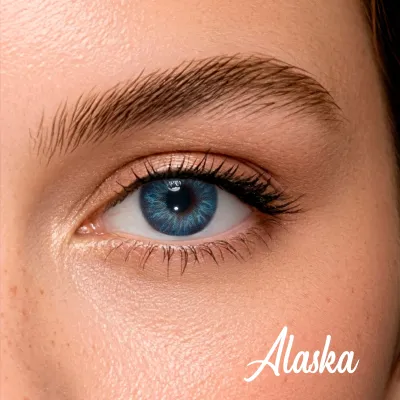
Claro Alaska - Colored Contact Lenses
*{box-sizing:border-box;} .alaska-page{ width:100%; margin:0; padding:0; font-family:Arial,Helvetica,sans-serif; color:#34495e; line-height:…
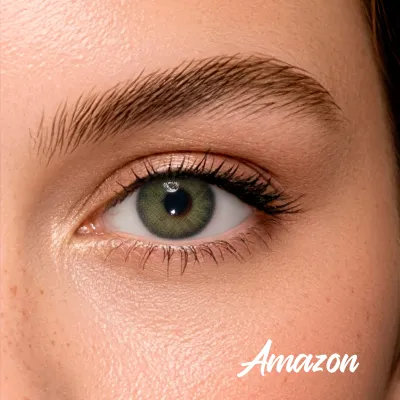
Claro Amazon - Colored Contact Lenses
*{box-sizing:border-box;} .amazon-page{ width:100%; margin:0; padding:0; font-family:Arial,Helvetica,sans-serif; color:#34495e; line-height:…
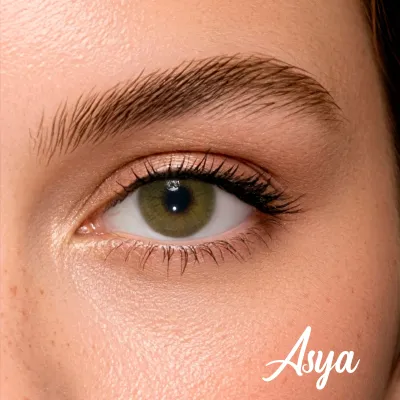
Claro Asya - Colored Contact Lenses
*{box-sizing:border-box;} .asya-page{ width:100%; margin:0; padding:0; font-family:Arial,Helvetica,sans-serif; color:#34495e; line-height:1.…
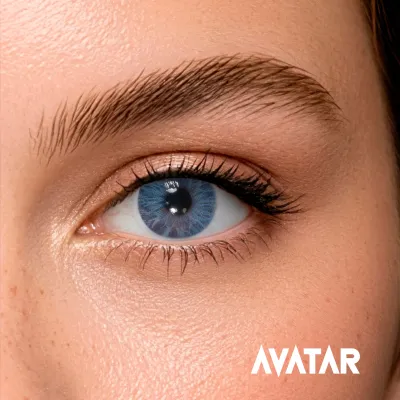
Claro Avatar - Colored Contact Lenses
*{box-sizing:border-box;} .avatar-page{ width:100%; margin:0; padding:0; font-family:Arial,Helvetica,sans-serif; color:#34495e; line-height:…
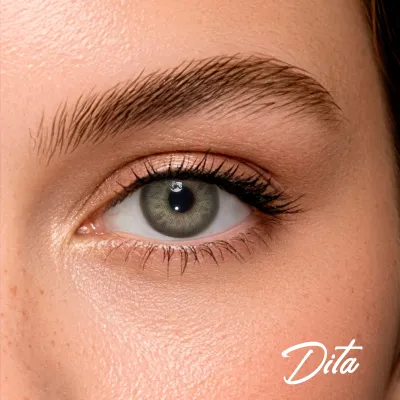
Claro Dita - Colored Contact Lenses
*{box-sizing:border-box;} .dita-page{ width:100%; margin:0; padding:0; font-family:Arial,Helvetica,sans-serif; color:#34495e; line-height:1.…
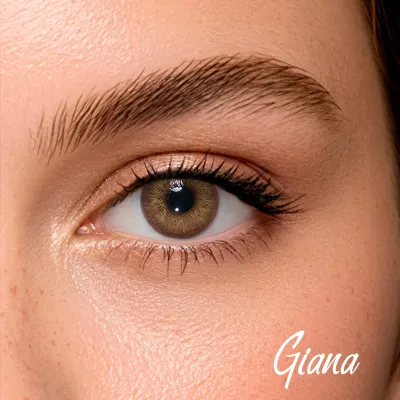
Claro Giana - Colored Contact Lenses
*{box-sizing:border-box;} .giana-page{ width:100%; margin:0; padding:0; font-family:Arial,Helvetica,sans-serif; color:#3b2a1d; line-height:1…
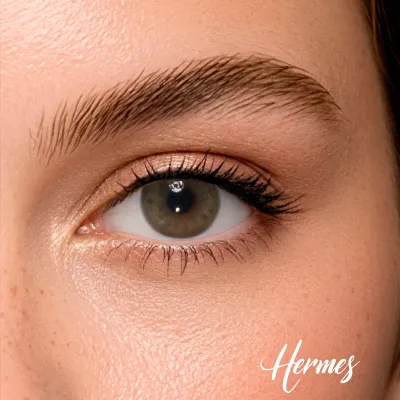
Claro Hermes - Colored Contact Lenses
*{box-sizing:border-box;} .hermes-page{ width:100%; margin:0; padding:0; font-family:Arial,Helvetica,sans-serif; color:#34495e; line-height:…
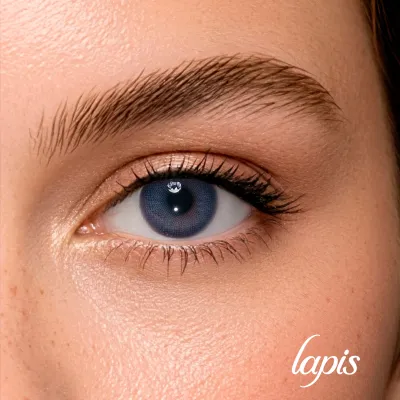
Claro Lapis - Colored Contact Lenses
*{box-sizing:border-box;} .lapis-page{ width:100%; margin:0; padding:0; font-family:Arial,Helvetica,sans-serif; color:#34495e; line-height:1…