


-36x36.png)

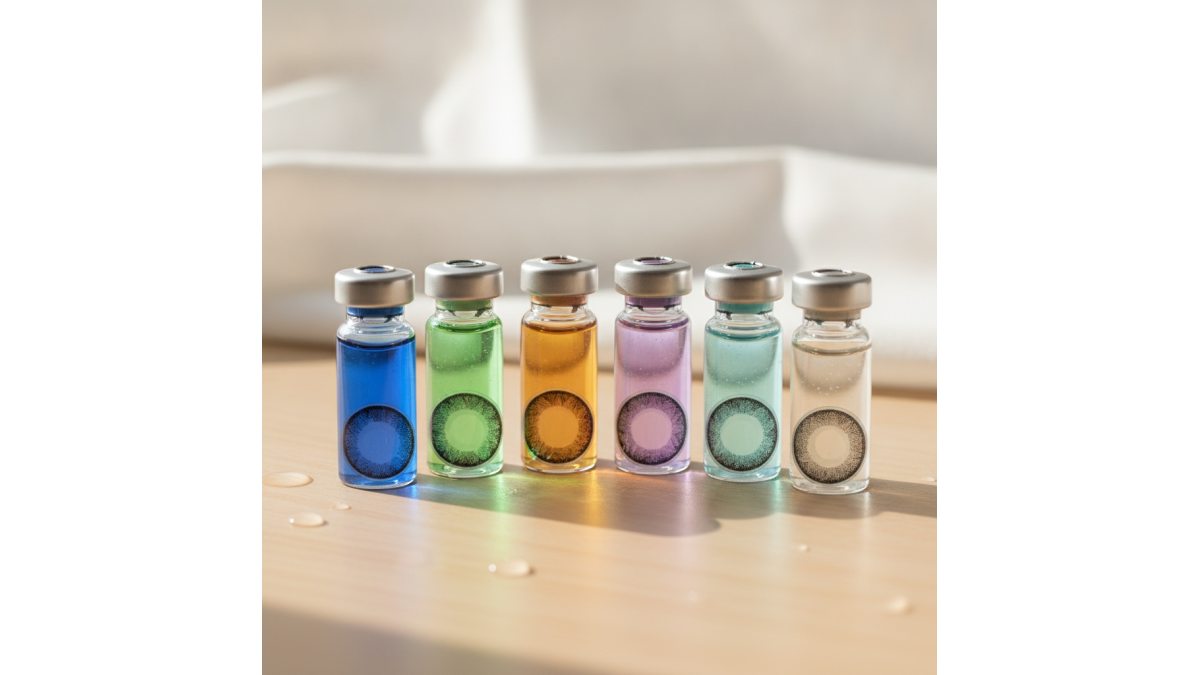
The desire to change one's eye color has evolved from ancient curiosity to modern accessibility. Today, colored contact lenses offer a safe and effective way to transform your gaze, whether for a subtle enhancement or a dramatic new identity. These innovative ocular accessories merge advanced optical technology with artistic design, providing a spectrum of possibilities for personal expression. From vibrant blues and greens to intriguing grays and browns, the options allow wearers to experiment with their appearance, complement an outfit, or complete a costume. However, understanding the nuances of these products—their types, safety protocols, proper care, and purchasing considerations—is paramount for a positive and healthy experience. This comprehensive guide aims to equip you with the expert knowledge needed to navigate the world of aesthetic eye lenses confidently and responsibly, ensuring both stunning results and optimal eye health.
Unveiling the Appeal of Cosmetic Eye Lenses
Cosmetic eye lenses represent a fascinating blend of fashion and vision science, enabling individuals to alter their natural eye color. Unlike traditional corrective lenses, these products are primarily designed for aesthetic purposes, though many are available with prescription powers. Their popularity stems from the immediate and impactful change they offer, providing a quick and reversible transformation of one's persona. This section explores what makes these lenses so appealing and who benefits most from their use.
Beyond Natural Shades: What's Possible?
Modern colored contact lenses offer an astonishing array of shades and patterns, far exceeding the natural human palette. Manufacturers use advanced printing techniques to create realistic iris designs, often incorporating multiple tones to mimic the depth and complexity of a real eye. You can find lenses that subtly enhance your natural color, making it more vibrant, or completely change it to a different hue. Options range from natural-looking shades like hazel, blue, green, and brown to more exotic colors such as violet, amethyst, or even theatrical designs for special occasions. This variety allows for unparalleled customization, giving wearers freedom to express their unique style.
Who Benefits from Eye Color Changes?
The appeal of altering eye color is broad. Many seek to enhance their natural eye color, making it appear brighter or more intense. Others desire a complete transformation, perhaps trying a color they've always admired. For those with light eyes, enhancement tints can deepen their existing shade, while individuals with dark eyes often opt for opaque lenses for a noticeable change. Cosmetic lenses are also popular for special events, photography, or theatrical performances. Furthermore, some individuals with eye conditions like aniridia or ocular albinism use specialized versions for therapeutic purposes, such as reducing glare or masking irregularities, demonstrating their versatility beyond pure aesthetics.
Choosing Your Ideal Eye Color Enhancement
Selecting the perfect eye color enhancement involves more than just picking a favorite shade; it requires considering several factors to ensure the final look is both flattering and comfortable. The goal is to achieve a desired effect that complements your skin tone, hair color, and personal style, while also meeting your practical needs for wear duration and vision correction. This section guides you through key decisions in finding your ideal aesthetic lenses.
Factors Influencing Your Shade Selection
When choosing a new eye color, consider your natural eye color. For light eyes, subtle enhancement tints can make a significant difference. For darker eyes, opaque lenses are usually necessary for a noticeable change. Your skin tone and hair color also play a crucial role. Warm skin tones (yellow, peach, gold undertones) often pair well with hazel, brown, or green shades, while cool skin tones (pink, blue, red undertones) might be complemented by blues, grays, or violets. Experimenting with different shades, perhaps virtually or with trial lenses from a professional, can help you visualize the outcome before committing. The desired intensity—subtle or dramatic—will also guide your choice.
Opaque vs. Enhancement Tints
Understanding the two primary types of color tints is essential. Opaque tints are solid, non-transparent colors designed to completely cover your natural eye color. These are ideal for individuals with dark eyes who wish for a dramatic change, such as transforming dark brown eyes to a vibrant blue or green. Opaque lenses often feature intricate patterns to mimic the natural iris. In contrast, enhancement tints are translucent and designed to intensify or subtly alter your natural eye color. They work best on lighter eyes, adding depth, vibrancy, or a slight shift in hue. For instance, a light blue eye might become a deeper blue, or a green eye might gain a more emerald tone. These tints typically have a transparent inner ring to blend seamlessly with your pupil.
Daily, Weekly, or Monthly Wear Options
Aesthetic lenses are available in various wear schedules. Daily disposable lenses are worn once and discarded, offering the highest hygiene and convenience, excellent for occasional use or allergy sufferers. Weekly or bi-weekly lenses are worn for a specified period and require daily cleaning and proper storage. Monthly lenses offer the most extended wear duration, up to 30 days, but demand meticulous daily care. Your lifestyle, frequency of use, and personal preference for maintenance will dictate the most suitable schedule. Always adhere strictly to the manufacturer's recommended replacement schedule.
Navigating Different Varieties of Aesthetic Lenses
The market for eye color modifiers is diverse, offering products tailored to different needs. Beyond color and wear schedule, factors like material composition, design intricacies, and specialized optical features contribute to the overall experience. Understanding these varieties helps you make an informed choice that prioritizes both comfort and visual effect. This section explores the technical aspects that differentiate various types of aesthetic lenses.
Material Considerations for Comfort
The material significantly impacts comfort, oxygen permeability, and eye health. Most modern soft lenses are made from hydrogel or silicone hydrogel. Hydrogel lenses are traditional soft lenses known for their water content. Silicone hydrogel lenses offer significantly higher oxygen transmission, crucial for long-term wear and maintaining ocular health. This increased breathability can lead to greater comfort, especially for individuals with dry eyes or extended wear. When choosing, consult with an eye care professional to determine the best material for your unique eye physiology.
Designs for Subtle vs. Dramatic Changes
The visual impact of eye color modifiers is largely determined by their design. Lenses for subtle enhancement often feature a transparent inner ring around the pupil and a translucent color layer. These are perfect for adding depth or a slight tint. For dramatic transformations, opaque lenses employ sophisticated printing techniques to create realistic iris patterns, often with multiple color tones and limbal rings (a dark ring around the iris) to make eyes appear larger and more defined. The choice depends entirely on the wearer's desired outcome and the occasion.
Toric and Multifocal Cosmetic Options
For individuals with specific vision correction needs, toric and multifocal aesthetic lenses are a significant advantage. Toric lenses correct astigmatism, caused by an irregularly shaped cornea. These lenses have specific orientation and weighting to ensure correct positioning, providing clear vision while changing eye color. Multifocal lenses address presbyopia, an age-related condition affecting near vision. They incorporate different power zones for distance, intermediate, and near vision, allowing clear sight at various ranges without reading glasses. This combination of vision correction with cosmetic enhancement offers unparalleled convenience and functionality.
Essential Guidelines for Safe Ocular Accessory Use
While eye color modifiers offer exciting aesthetic possibilities, their safe use is non-negotiable. Improper handling, lack of hygiene, or failure to follow professional advice can lead to serious eye infections, discomfort, or even permanent damage. Adhering to strict safety protocols is crucial for protecting your vision and ensuring a positive experience. This section outlines fundamental practices for responsible wear.
The Importance of Professional Consultation
The most critical step before acquiring any contact lens, including purely cosmetic ones, is a comprehensive eye examination and fitting by a qualified eye care professional. An optometrist or ophthalmologist will assess your eye health, measure your eye's curvature and size for a proper fit, and provide a prescription (even if zero for plano lenses). A poorly fitting lens can cause discomfort, blurred vision, corneal abrasions, or restrict oxygen flow, leading to severe complications. Never purchase aesthetic lenses from sources that do not require a valid prescription; this practice is illegal and extremely risky.
Proper Insertion and Removal Techniques
Mastering correct techniques for inserting and removing your eye enhancers is vital for hygiene and preventing injury. Always wash hands thoroughly with soap and water, then dry with a lint-free towel before touching lenses or eyes. For insertion, place the lens on your fingertip, ensure it's not inside out, and gently place it on your eye. For removal, use the pad of your finger to slide the lens down onto the white of your eye, then gently pinch it off. Avoid using fingernails or sharp objects. Practice in front of a mirror until confident and comfortable.
Recognizing Signs of Irritation
Even with proper care, be vigilant for any signs of eye irritation or infection. Symptoms such as redness, excessive tearing, discharge, persistent discomfort, blurred vision, light sensitivity, or a feeling of something in your eye warrant immediate attention. If you experience any of these, remove your lenses immediately and contact your eye care professional. Do not attempt to self-diagnose or treat. Continuing to wear lenses with irritated eyes can exacerbate the problem and lead to more serious conditions. Always prioritize your eye health over aesthetics.
Maximizing the Lifespan of Your Vision Enhancers
Proper care and maintenance are indispensable for extending the life of your aesthetic lenses and safeguarding your eye health. Neglecting cleaning routines or exceeding wear schedules can lead to bacterial buildup, infections, and discomfort. This section provides detailed guidance on how to properly clean, store, and replace your vision enhancers to ensure they remain safe and effective throughout their intended lifespan.
Daily Cleaning Protocols
For reusable aesthetic lenses (weekly, bi-weekly, or monthly), daily cleaning is crucial. Always use a fresh, sterile contact lens solution recommended by your eye care professional. Never use tap water, saliva, or homemade solutions, as these can introduce harmful microorganisms. The standard cleaning procedure involves placing the lens in your palm with a few drops of solution, gently rubbing it with your finger for about 20 seconds, then rinsing thoroughly with more solution. This mechanical rubbing dislodges protein deposits, lipids, and debris. Repeat for the other lens.
Storage Best Practices
After cleaning, store your aesthetic lenses in a clean, disinfected lens case filled with fresh, multi-purpose solution. Never "top off" old solution; always discard and refill entirely. Replace your lens case every one to three months, as cases can harbor bacteria and biofilms. Keep the lens case clean and dry when not in use, and store it in a cool, dry place away from direct sunlight. Proper storage ensures lenses remain hydrated, sterile, and ready for your next wear, minimizing contamination risk.
Adhering to Replacement Schedules
Each aesthetic lens type has a specific replacement schedule (daily, weekly, bi-weekly, or monthly). It is critical to adhere to these, even if lenses feel comfortable or appear clean. Overwearing lenses beyond their recommended lifespan significantly increases the risk of eye infections, corneal ulcers, and other serious complications. Materials degrade over time, becoming less permeable to oxygen and more prone to deposit buildup. Mark your calendar or set reminders to ensure prompt replacement, prioritizing eye health above all else.
Making an Informed Purchase Decision
Acquiring aesthetic lenses responsibly involves more than just selecting a color; it requires careful consideration of legal requirements, reputable sources, and the overall value proposition. Given the direct impact on your eye health, making an informed purchase decision is paramount. This section guides you through essential steps to ensure you buy safe, high-quality eye color modifiers from trusted providers.
The Role of a Valid Prescription
A valid prescription from an eye care professional is legally required for all contact lenses, including plano cosmetic ones. This prescription ensures lenses are the correct size and curvature for your eyes, preventing discomfort or damage. Reputable retailers will always demand a prescription. Be wary of any vendor offering to sell aesthetic lenses without verifying a prescription, as this is a clear indicator of an illicit and potentially dangerous source. Your prescription is your safeguard against ill-fitting or unsafe products.
Identifying Reputable Retailers
When purchasing aesthetic lenses, it is crucial to buy from reputable sources that prioritize eye health and adhere to legal regulations. Licensed opticians, optometrists, ophthalmologists, and trusted online retailers like Opticzade are reliable options. These providers ensure products are FDA-approved (or equivalent), come from legitimate manufacturers, and are stored and handled correctly. They also typically offer professional support. Avoid purchasing from unauthorized vendors such as beauty supply stores, street vendors, or unverified online marketplaces, as these sources often sell counterfeit, expired, or improperly manufactured lenses that pose significant health risks.
Comparing Value and Quality
While cost is often a factor, it should never be the sole determinant when purchasing aesthetic lenses. Prioritize quality, safety, and comfort over the lowest price. High-quality lenses, though potentially more expensive, often offer superior comfort, better oxygen permeability, and more realistic color designs. Consider the per-day cost, especially for daily disposables, which can be more economical for occasional wear by eliminating solution costs. Look for brands with a strong reputation for eye health and customer satisfaction. A reputable retailer will provide transparent pricing and product information, allowing you to compare value effectively, balancing aesthetics with well-being.
Addressing Common Concerns About Eye Color Modifiers
Many individuals have questions and concerns regarding the safety, impact, and practicality of using eye color modifiers. Addressing these common queries directly helps to demystify these products and empower potential users with accurate information. This section aims to provide clear, concise answers to frequently asked questions, reinforcing the importance of informed decisions and responsible usage.
Are They Safe for Everyone?
When prescribed by an eye care professional and used according to instructions, aesthetic lenses are generally safe for most individuals. However, they are not suitable for everyone. People with certain eye conditions, severe allergies, or chronic dry eyes might not be good candidates. Additionally, individuals who cannot commit to proper hygiene and care routines should avoid them, as the risk of infection becomes significantly higher. A thorough eye examination is essential to determine if you are a suitable candidate. Never assume safety; always consult an expert.
Impact on Vision Quality
Properly fitted aesthetic lenses, whether prescription or plano, should not significantly impact your vision quality. The colored portion of the lens covers the iris, leaving the pupil area clear for vision. However, some wearers might experience a slight reduction in peripheral vision or minor glare, especially in low-light conditions, due to the opaque nature of some designs. This effect is usually minimal, and most people adapt quickly. If you experience persistent blurred vision, halos, or significant visual disturbances, discontinue use and consult your eye care professional immediately, as this could indicate an improper fit or an underlying eye issue.
Cost Implications
The cost of eye color modifiers varies widely depending on the brand, type (daily, weekly, monthly), whether they include vision correction, and the retailer. Daily disposables tend to have a higher per-lens cost but eliminate the need for cleaning solutions and cases, potentially making them more economical for occasional use. Reusable lenses might have a lower per-lens cost but require additional expenses for solutions and cases. Prices range from a few dollars per pair for daily disposables to significantly more for specialized toric or multifocal options. Factor in all associated costs, including professional eye exams and fitting fees, to get a complete picture of the investment. Remember, compromising on quality or professional care to save money can lead to far greater costs in terms of eye health.
Sıkça Sorulan Sorular
Are colored contact lenses safe to wear?
Do I need a prescription for cosmetic eye lenses?
How do I choose the right shade for my eyes?
What is the difference between opaque and enhancement tints?
How often should I replace my aesthetic contact lenses?
Konuyla ilgili öne çıkan ürünler

Claro Alaska - Colored Contact Lenses
*{box-sizing:border-box;} .alaska-page{ width:100%; margin:0; padding:0; font-family:Arial,Helvetica,sans-serif; color:#34495e; line-height:…

Claro Amazon - Colored Contact Lenses
*{box-sizing:border-box;} .amazon-page{ width:100%; margin:0; padding:0; font-family:Arial,Helvetica,sans-serif; color:#34495e; line-height:…

Claro Asya - Colored Contact Lenses
*{box-sizing:border-box;} .asya-page{ width:100%; margin:0; padding:0; font-family:Arial,Helvetica,sans-serif; color:#34495e; line-height:1.…

Claro Avatar - Colored Contact Lenses
*{box-sizing:border-box;} .avatar-page{ width:100%; margin:0; padding:0; font-family:Arial,Helvetica,sans-serif; color:#34495e; line-height:…

Claro Dita - Colored Contact Lenses
*{box-sizing:border-box;} .dita-page{ width:100%; margin:0; padding:0; font-family:Arial,Helvetica,sans-serif; color:#34495e; line-height:1.…

Claro Giana - Colored Contact Lenses
*{box-sizing:border-box;} .giana-page{ width:100%; margin:0; padding:0; font-family:Arial,Helvetica,sans-serif; color:#3b2a1d; line-height:1…

Claro Hermes - Colored Contact Lenses
*{box-sizing:border-box;} .hermes-page{ width:100%; margin:0; padding:0; font-family:Arial,Helvetica,sans-serif; color:#34495e; line-height:…

Claro Lapis - Colored Contact Lenses
*{box-sizing:border-box;} .lapis-page{ width:100%; margin:0; padding:0; font-family:Arial,Helvetica,sans-serif; color:#34495e; line-height:1…