


-36x36.png)

Our eyes are windows to the world, enabling us to experience its beauty and navigate our daily lives. Yet, many of us take our vision for granted until an issue arises. Optical eye care is a comprehensive field dedicated to preserving, protecting, and enhancing this precious sense. It encompasses everything from routine check-ups and vision correction to the diagnosis and treatment of complex eye diseases. Understanding the breadth and depth of modern optical care is crucial for maintaining lifelong visual health.
The Importance of Regular Eye Examinations
Regular eye examinations are far more than just checking your prescription for glasses or contact lenses. They are vital preventative health measures that can detect serious eye conditions and even systemic health problems before they manifest noticeable symptoms. Early detection often leads to more effective treatment and better long-term outcomes, safeguarding your vision for years to come.
What Happens During an Eye Exam?
A comprehensive eye exam typically involves several key components. It begins with a discussion of your medical history and any visual concerns you may have. The optometrist will then assess your visual acuity, often using an eye chart, and determine your refractive error to prescribe the correct lenses. Beyond this, a thorough examination includes tests for eye muscle coordination, peripheral vision, and intraocular pressure, which is crucial for detecting glaucoma. The health of your retina, optic nerve, and other internal structures is also carefully evaluated, sometimes requiring pupil dilation for a clearer view. This holistic approach ensures that every aspect of your ocular health is thoroughly assessed.
Common Eye Conditions Detected
During a routine examination, an optometrist can identify a wide range of conditions. These include refractive errors like myopia (nearsightedness), hyperopia (farsightedness), and astigmatism. More serious conditions such as glaucoma, a group of diseases that damage the optic nerve and can lead to blindness, are often asymptomatic in their early stages but detectable through pressure tests and optic nerve assessment. Cataracts, which cause clouding of the eye's natural lens, and macular degeneration, a leading cause of vision loss in older adults, can also be identified. Furthermore, eye exams can reveal signs of systemic diseases like diabetes and high blood pressure, as these conditions often have tell-tale effects on the blood vessels in the retina.
Understanding Vision Correction Options
For those experiencing refractive errors, a variety of vision correction solutions are available to restore clear sight. The choice between options often depends on lifestyle, personal preference, and the specific visual needs of the individual. Modern advancements have made these solutions more comfortable, effective, and aesthetically pleasing than ever before.
Eyeglasses: Style and Function
Eyeglasses remain a popular and effective method of vision correction, offering both functional benefits and a significant opportunity for personal expression. Today's frames come in an astounding array of styles, materials, and colors, allowing individuals to choose eyewear that complements their face shape and personal aesthetic. Lenses have also evolved, with options like anti-reflective coatings, blue light filters, photochromic lenses that darken in sunlight, and progressive lenses for multifocal correction. These enhancements not only improve visual clarity but also protect the eyes from various environmental factors and digital strain, making eyeglasses a versatile and indispensable tool for many.
Contact Lenses: Freedom and Versatility
Contact lenses provide an excellent alternative for those who prefer vision correction without frames. They offer a wider field of vision, are ideal for sports and active lifestyles, and allow individuals to showcase their natural appearance. Advancements in materials and designs have led to incredibly comfortable and breathable lenses, including daily disposables, extended wear options, and specialized lenses for astigmatism or presbyopia. For individuals seeking to subtly or dramatically alter their eye color, Colored Contact Lenses offer a fantastic way to enhance personal style while correcting vision. These lenses are available in a spectrum of hues, from natural enhancements to vibrant, transformative shades, providing both visual correction and a unique aesthetic appeal. It's crucial to consult with an eye care professional to ensure proper fit, material suitability, and safe usage of any contact lens type.
Advanced Technologies in Eye Care
The field of optical eye care is continually advancing, driven by innovative technologies that enhance diagnostic accuracy, treatment efficacy, and patient comfort. These technological leaps allow eye care professionals to provide more precise and personalized care than ever before, addressing a broader spectrum of conditions with greater success.
Digital Retinal Imaging and OCT
Digital retinal imaging provides high-resolution photographs of the retina, optic nerve, and blood vessels, offering a detailed baseline for comparison in future exams. This non-invasive procedure helps detect and monitor conditions like diabetic retinopathy, glaucoma, and macular degeneration. Optical Coherence Tomography (OCT) takes this a step further, using light waves to capture cross-sectional images of the retina. Similar to an ultrasound, but using light instead of sound, OCT provides incredibly detailed views of the retinal layers, allowing for early detection and precise monitoring of subtle changes that might be missed with traditional methods. These technologies are invaluable for proactive disease management.
Laser Vision Correction Explained
Laser vision correction procedures, such as LASIK (Laser-Assisted In Situ Keratomileusis) and PRK (Photorefractive Keratectomy), have revolutionized the treatment of refractive errors, offering many individuals the chance to significantly reduce or eliminate their dependence on glasses or contact lenses. These procedures use highly precise lasers to reshape the cornea, altering its curvature to correctly focus light onto the retina. While LASIK involves creating a thin flap in the cornea, PRK reshapes the surface of the cornea directly. Both methods are highly effective for correcting myopia, hyperopia, and astigmatism, with millions of successful procedures performed worldwide. A thorough pre-operative evaluation is essential to determine suitability and ensure the best possible outcome.
Maintaining Optimal Eye Health Daily
Beyond professional examinations and corrective measures, daily habits play a pivotal role in maintaining robust eye health. Proactive self-care can significantly reduce the risk of developing certain eye conditions and alleviate common discomforts associated with modern lifestyles. Integrating simple yet effective practices into your routine can make a profound difference.
Nutrition for Healthy Eyes
What you eat can have a significant impact on your eye health. A diet rich in antioxidants, vitamins, and minerals can help protect your eyes from age-related conditions. Key nutrients include Vitamin A (found in carrots, sweet potatoes), Vitamin C (citrus fruits, berries), Vitamin E (nuts, leafy greens), and Zinc (beans, lean meats). Omega-3 fatty acids, abundant in fatty fish like salmon and tuna, are also crucial for retinal health and can help prevent dry eyes. Lutein and zeaxanthin, found in leafy green vegetables such as spinach and kale, are powerful antioxidants that protect the macula from damaging blue light and oxidative stress. Incorporating a colorful and diverse range of foods into your diet is a delicious way to support your vision.
Protecting Your Eyes from Digital Strain
In our increasingly digital world, prolonged screen time has become a common part of daily life, often leading to digital eye strain. Symptoms include dry eyes, blurred vision, headaches, and neck pain. To combat this, the "20-20-20 rule" is highly recommended: every 20 minutes, look at something 20 feet away for at least 20 seconds. This helps relax your eye muscles. Adjusting screen brightness, ensuring proper lighting, and maintaining an arm's length distance from your screen can also reduce strain. Blue light filtering glasses or screen filters can offer additional protection, especially during evening hours, by minimizing exposure to potentially disruptive wavelengths of light. Regular blinking is also essential to keep your eyes lubricated.
Choosing the Right Optical Provider
Selecting a reputable and knowledgeable optical provider is paramount for ensuring you receive the highest standard of eye care. Your choice impacts not only the quality of your vision correction but also the thoroughness of your eye health assessments and the professionalism of your overall experience. Look for a practice that prioritizes patient education and utilizes advanced technology.
Questions to Ask Your Optometrist
When choosing an optometrist or visiting a new practice, don't hesitate to ask questions. Inquire about their experience, particularly with any specific conditions you might have. Ask about the technology they use for diagnostics and how often they recommend comprehensive exams based on your age and risk factors. Understanding their approach to patient care, their range of services, and their policy on follow-up care can help you make an informed decision and build a trusting relationship. A good provider will welcome your questions and provide clear, comprehensive answers.
The Opticzade Difference
At Opticzade, we are committed to providing exceptional optical eye care, combining cutting-edge technology with personalized attention. Our experienced team of eye care professionals is dedicated to understanding your unique visual needs and delivering solutions that enhance your quality of life. From routine eye exams to fitting specialized contact lenses, including a wide selection of high-quality Colored Contact Lenses for both vision correction and cosmetic enhancement, we ensure every patient receives comprehensive and compassionate care. We believe in empowering our patients with knowledge, helping them make informed decisions about their eye health journey. Trust Opticzade for clear vision and healthy eyes.
Optical eye care is a continuous journey, not a one-time event. By prioritizing regular examinations, understanding the available correction and treatment options, adopting healthy daily habits, and choosing a trusted eye care partner, you can ensure your vision remains sharp and your eyes stay healthy for a lifetime. Invest in your eyes; they are truly invaluable.
Sıkça Sorulan Sorular
What is optical eye care?
How often should I get an eye exam?
What are the main options for vision correction?
Can diet affect my eye health?
Are colored contact lenses safe to use?
Konuyla ilgili öne çıkan ürünler

Claro Alaska - Colored Contact Lenses
*{box-sizing:border-box;} .alaska-page{ width:100%; margin:0; padding:0; font-family:Arial,Helvetica,sans-serif; color:#34495e; line-height:…
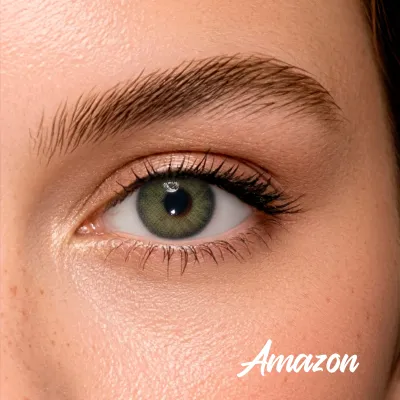
Claro Amazon - Colored Contact Lenses
*{box-sizing:border-box;} .amazon-page{ width:100%; margin:0; padding:0; font-family:Arial,Helvetica,sans-serif; color:#34495e; line-height:…
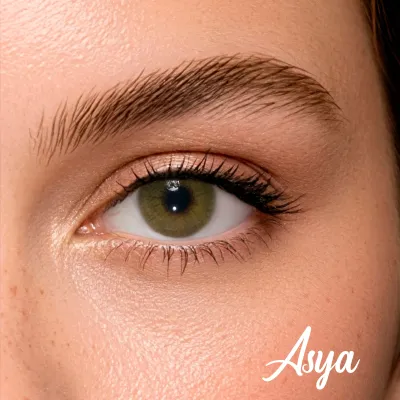
Claro Asya - Colored Contact Lenses
*{box-sizing:border-box;} .asya-page{ width:100%; margin:0; padding:0; font-family:Arial,Helvetica,sans-serif; color:#34495e; line-height:1.…

Claro Avatar - Colored Contact Lenses
*{box-sizing:border-box;} .avatar-page{ width:100%; margin:0; padding:0; font-family:Arial,Helvetica,sans-serif; color:#34495e; line-height:…
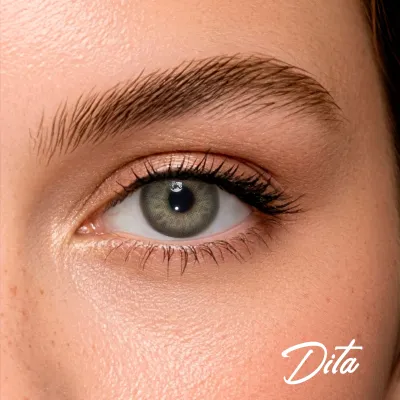
Claro Dita - Colored Contact Lenses
*{box-sizing:border-box;} .dita-page{ width:100%; margin:0; padding:0; font-family:Arial,Helvetica,sans-serif; color:#34495e; line-height:1.…
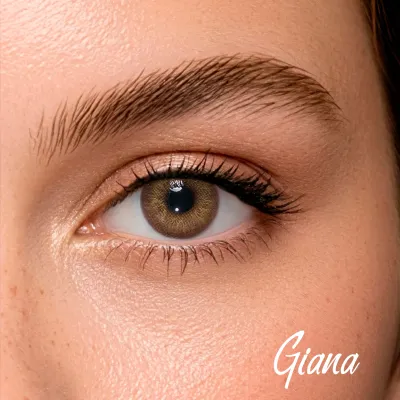
Claro Giana - Colored Contact Lenses
*{box-sizing:border-box;} .giana-page{ width:100%; margin:0; padding:0; font-family:Arial,Helvetica,sans-serif; color:#3b2a1d; line-height:1…
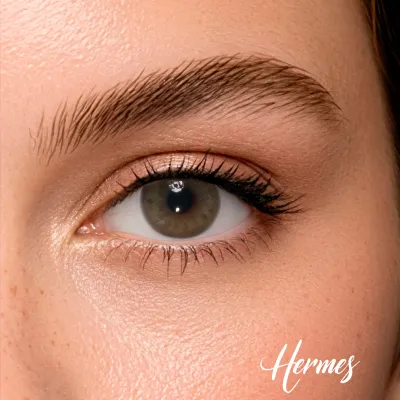
Claro Hermes - Colored Contact Lenses
*{box-sizing:border-box;} .hermes-page{ width:100%; margin:0; padding:0; font-family:Arial,Helvetica,sans-serif; color:#34495e; line-height:…
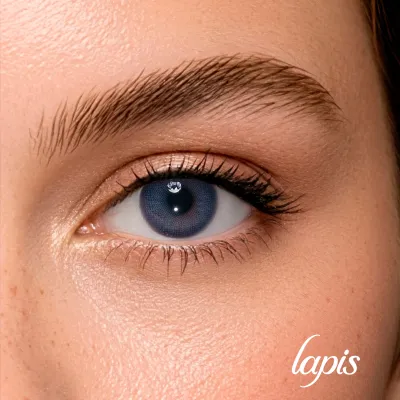
Claro Lapis - Colored Contact Lenses
*{box-sizing:border-box;} .lapis-page{ width:100%; margin:0; padding:0; font-family:Arial,Helvetica,sans-serif; color:#34495e; line-height:1…