



For millions worldwide, contact lenses offer a liberating alternative to traditional eyeglasses, providing clear vision without altering one's appearance or restricting activities. These small, thin lenses sit directly on the cornea, correcting refractive errors such as nearsightedness, farsightedness, and astigmatism. Beyond mere vision correction, they open up a world of convenience, enhanced peripheral vision, and aesthetic choices. This comprehensive guide delves into the multifaceted world of contact lenses, offering insights grounded in expertise to help you make informed decisions about your eye health and vision needs. Whether you're a long-time wearer or considering them for the first time, understanding the nuances of lens types, care, and selection is paramount for comfort and safety.
Exploring Vision Correction Beyond Glasses
The journey to optimal vision often involves exploring various corrective options. While eyeglasses have historically been the primary solution, modern advancements have positioned contact lenses as a highly effective and popular alternative. Unlike glasses, which sit on the bridge of the nose, these lenses move with your eye, offering a more natural field of view and eliminating frame obstructions. This can be particularly beneficial for individuals engaged in sports or active lifestyles where glasses might be cumbersome or prone to damage. The discrete nature of contact lenses also appeals to those who prefer their natural facial features to remain unobstructed. Furthermore, they can be worn with non-prescription sunglasses, providing flexibility in different lighting conditions. Understanding these fundamental differences is the first step in appreciating the unique advantages that contact vision offers.
Understanding Different Lens Options for Your Eyes
The market for vision correction offers a diverse array of lens types, each designed to meet specific visual needs and lifestyle preferences. Navigating this variety requires a basic understanding of what's available. The primary distinction often lies in their intended wear schedule and material composition.
Daily Disposables Versus Extended Wear
Daily disposable lenses are designed for a single use, offering unparalleled convenience and hygiene. You wear them for one day and then discard them, eliminating the need for cleaning and storage solutions. This significantly reduces the risk of eye infections and is often recommended for individuals with allergies or sensitive eyes. In contrast, extended wear lenses can be worn for several days or even weeks continuously, including while sleeping, before being replaced. While convenient, they require careful monitoring and are not suitable for everyone due to increased risk of complications. There are also bi-weekly and monthly disposable options, which require daily cleaning and storage but offer a balance between cost and convenience.
Specialized Lenses for Astigmatism and Presbyopia
Beyond standard spherical lenses, specialized designs cater to more complex vision problems. Toric lenses are specifically engineered to correct astigmatism, a common condition caused by an irregularly shaped cornea, ensuring stable and clear vision. Multifocal or bifocal lenses address presbyopia, the age-related loss of near vision, allowing wearers to see clearly at multiple distances without needing reading glasses. These advanced designs represent significant breakthroughs, providing comprehensive vision correction for a wider range of individuals.
Enhancing Appearance with Tinted Varieties
For those looking to subtly or dramatically change their eye color, tinted varieties, commonly known as Colored Contact Lenses, offer an exciting option. These lenses come in a spectrum of hues, from enhancing your natural eye color to completely transforming it. They are available in both prescription and plano (non-prescription) forms, allowing anyone to experiment with their look. While primarily aesthetic, it's crucial to remember that even plano colored lenses are medical devices and require a prescription and proper fitting by an eye care professional to ensure safety and comfort. They can be a fun way to express personal style for special occasions or daily wear.
Key Advantages of Opting for Contact Vision
The decision to switch from glasses to contact lenses, or to use them in conjunction, is often driven by a desire for specific benefits that enhance daily life. One of the most significant advantages is the unobstructed field of vision they provide. Unlike glasses, which can have frames that limit peripheral sight, lenses offer a full, natural view, which is particularly beneficial for activities requiring broad visual awareness. They also eliminate issues like fogging up in humid conditions or getting wet in the rain, common annoyances for eyeglass wearers. Furthermore, for individuals with higher prescriptions, lenses can offer a more accurate and less distorted vision than thick spectacle lenses. The freedom to wear any style of sunglasses or protective eyewear without worrying about prescription inserts is another practical benefit. Ultimately, the enhanced comfort and confidence they provide contribute significantly to their appeal.
Selecting the Ideal Pair for Your Lifestyle
Choosing the right type of lens is a highly personal decision that should be made in consultation with an eye care professional. Your lifestyle, eye health, and visual needs all play crucial roles in determining the best fit. There isn't a one-size-fits-all solution, and what works well for one person might not be suitable for another.
Consulting an Eye Care Professional
The first and most critical step in selecting lenses is a comprehensive eye examination and a professional fitting. An optometrist or ophthalmologist will assess your eye health, measure your eye's curvature, and determine your precise prescription. They will also discuss your lifestyle, daily activities, and any specific preferences you might have. This professional guidance is indispensable for ensuring the lenses fit correctly, provide optimal vision, and maintain the health of your eyes. Never purchase lenses without a valid prescription and a proper fitting, even for plano colored varieties, as ill-fitting lenses can cause serious eye damage.
Considering Your Daily Routine and Environment
Your daily routine significantly influences the best lens choice. If you have a busy schedule and prefer minimal maintenance, daily disposables might be ideal. For those who travel frequently or engage in water sports, waterproof options or extended wear lenses (with proper precautions) could be considered. Environmental factors, such as dry climates or dusty workplaces, also impact comfort. Some lenses are designed with higher water content or advanced moisture-retaining technologies to combat dryness. Discussing these aspects with your eye care specialist will help narrow down the options to those that best suit your specific circumstances, ensuring maximum comfort and visual acuity throughout your day.
Understanding Material and Breathability
Modern lenses are primarily made from hydrogel or silicone hydrogel materials. Hydrogel lenses are soft and flexible, containing water to allow oxygen to pass through to the cornea. Silicone hydrogel lenses represent an advancement, offering even higher oxygen permeability, which is vital for maintaining eye health and comfort, especially during extended wear. Higher breathability reduces the risk of hypoxia (lack of oxygen) to the cornea, preventing complications like corneal swelling or discomfort. Your eye care professional will recommend the most appropriate material based on your eye's oxygen needs and any sensitivities you may have. The right material ensures your eyes remain healthy and comfortable, even after many hours of wear.
Essential Practices for Lens Hygiene and Longevity
Proper care and hygiene are non-negotiable for anyone wearing contact lenses. Neglecting these practices can lead to severe eye infections, discomfort, and potentially long-term damage. Adhering to a strict cleaning and storage regimen is paramount for both eye health and extending the life of your lenses, especially for reusable types.
Always wash your hands thoroughly with soap and water and dry them with a lint-free towel before handling your lenses. Use only fresh, sterile contact lens solution recommended by your eye care professional for cleaning, rinsing, and storing. Never use tap water, saliva, or homemade saline solutions, as these can introduce harmful microorganisms. Rub and rinse your lenses as instructed, even if using a "no-rub" solution, to effectively remove deposits and bacteria. Replace your lens case every three months to prevent bacterial buildup. Adhering to the prescribed replacement schedule for your lenses – whether daily, bi-weekly, or monthly – is equally critical. Overwearing lenses beyond their recommended lifespan can lead to reduced oxygen flow, deposit buildup, and increased risk of infection. These simple yet vital steps ensure your eyes remain healthy and your vision clear.
Addressing Common Concerns and Ensuring Eye Health
While contact lenses offer numerous benefits, it's natural to have questions or encounter minor issues. Understanding how to address common concerns and recognizing signs of potential problems is crucial for maintaining optimal eye health. Dryness and irritation are frequent complaints, often exacerbated by environmental factors or prolonged screen time. Using rewetting drops specifically designed for lenses can provide relief. If irritation persists, it might indicate an ill-fitting lens, an allergic reaction to solution, or an underlying eye condition, necessitating a visit to your eye care professional.
Redness, pain, blurred vision, or excessive tearing are warning signs that should never be ignored. These symptoms could indicate an infection, corneal abrasion, or other serious complications. In such cases, remove your lenses immediately and seek prompt medical attention. Never attempt to self-diagnose or treat eye problems. Regular follow-up appointments with your eye care specialist are essential, even if your vision seems stable and you experience no discomfort. These check-ups allow professionals to monitor your eye health, assess the fit of your lenses, and update your prescription as needed, ensuring long-term safety and comfort. Proactive care is key to a positive lens-wearing experience.
Navigating Your Purchase: What to Look For
Once you have a valid prescription, purchasing contact lenses can be done through various channels, including your eye care professional's office, optical stores, or reputable online retailers. Regardless of where you choose to buy, several factors should guide your decision to ensure you receive genuine, safe, and correctly prescribed products. Always verify that the retailer requires a valid prescription. This is a legal and safety requirement that protects your eye health. Be wary of any vendor that offers to sell lenses, especially Colored Contact Lenses, without verifying a prescription, as these products may be counterfeit or unsafe.
Compare prices, but don't let cost be the sole determinant. Reputable suppliers, like those associated with established brands, often provide better quality control and customer service. Check for expiration dates on packaging, as expired lenses can pose health risks. For online purchases, ensure the website is secure and has clear return policies. Reading customer reviews can also provide insights into a retailer's reliability and product authenticity. Some online platforms may offer subscription services, which can be convenient for regular replenishment. Remember, your eye health is priceless, so prioritize safety and authenticity over potential minor savings. A trusted source ensures you receive the exact lenses prescribed by your eye care professional, safeguarding your vision and comfort for the long term.
Embracing contact lenses offers a blend of visual freedom, convenience, and aesthetic flexibility. By understanding the diverse options available, committing to rigorous hygiene, and maintaining regular professional check-ups, you can enjoy a safe and comfortable experience. Always consult with your eye care professional for personalized advice and to ensure your choices align with your unique eye health needs. Your journey to clearer, unhindered vision starts with informed decisions and responsible care.
Sıkça Sorulan Sorular
What are the main types of contact lenses available?
How important is a professional eye exam before getting contact lenses?
What are the essential hygiene rules for contact lens wearers?
Can I wear contact lenses if I have astigmatism or presbyopia?
Where is the best place to purchase contact lenses?
Konuyla ilgili öne çıkan ürünler
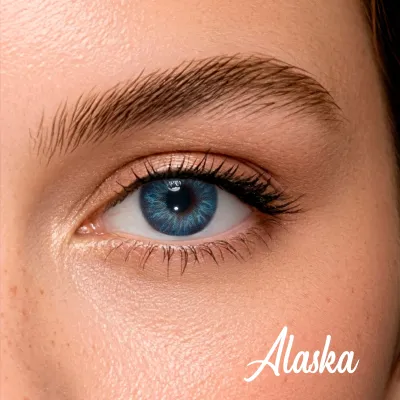
Claro Alaska - Colored Contact Lenses
*{box-sizing:border-box;} .alaska-page{ width:100%; margin:0; padding:0; font-family:Arial,Helvetica,sans-serif; color:#34495e; line-height:…
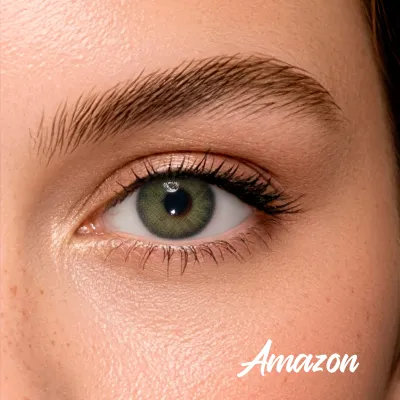
Claro Amazon - Colored Contact Lenses
*{box-sizing:border-box;} .amazon-page{ width:100%; margin:0; padding:0; font-family:Arial,Helvetica,sans-serif; color:#34495e; line-height:…
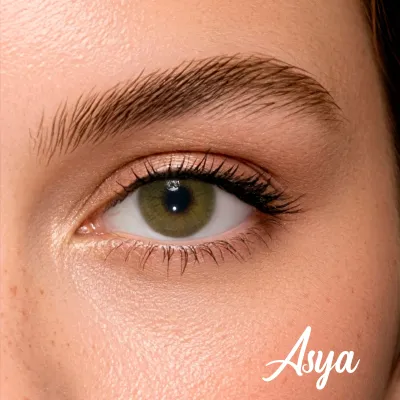
Claro Asya - Colored Contact Lenses
*{box-sizing:border-box;} .asya-page{ width:100%; margin:0; padding:0; font-family:Arial,Helvetica,sans-serif; color:#34495e; line-height:1.…
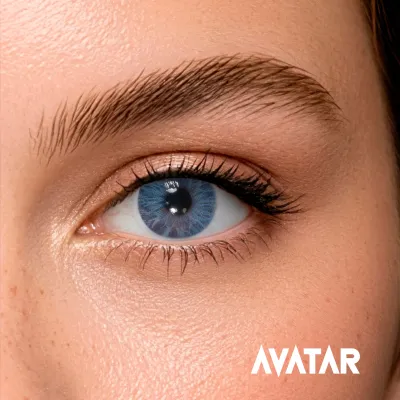
Claro Avatar - Colored Contact Lenses
*{box-sizing:border-box;} .avatar-page{ width:100%; margin:0; padding:0; font-family:Arial,Helvetica,sans-serif; color:#34495e; line-height:…
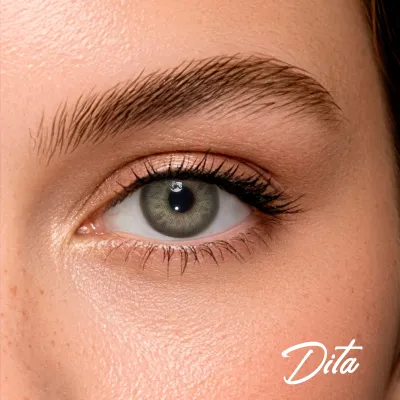
Claro Dita - Colored Contact Lenses
*{box-sizing:border-box;} .dita-page{ width:100%; margin:0; padding:0; font-family:Arial,Helvetica,sans-serif; color:#34495e; line-height:1.…
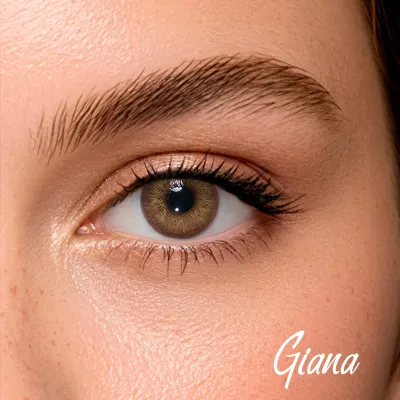
Claro Giana - Colored Contact Lenses
*{box-sizing:border-box;} .giana-page{ width:100%; margin:0; padding:0; font-family:Arial,Helvetica,sans-serif; color:#3b2a1d; line-height:1…
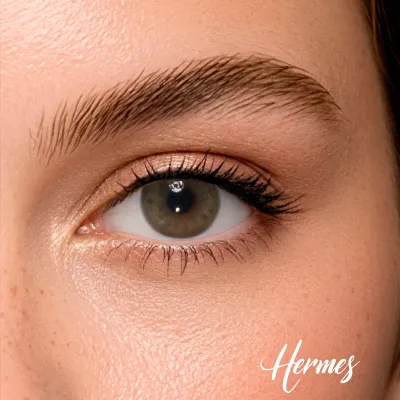
Claro Hermes - Colored Contact Lenses
*{box-sizing:border-box;} .hermes-page{ width:100%; margin:0; padding:0; font-family:Arial,Helvetica,sans-serif; color:#34495e; line-height:…
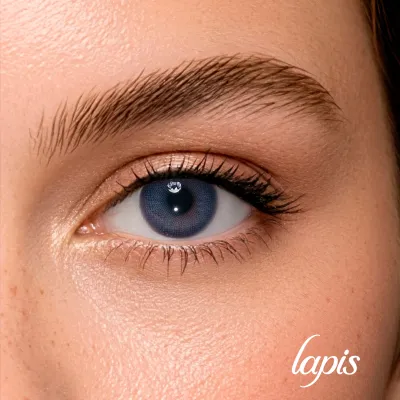
Claro Lapis - Colored Contact Lenses
*{box-sizing:border-box;} .lapis-page{ width:100%; margin:0; padding:0; font-family:Arial,Helvetica,sans-serif; color:#34495e; line-height:1…