


-36x36.png)

Wearing contact lenses offers unparalleled freedom and convenience, but it comes with the crucial responsibility of diligent eye care. At Opticzade, we understand that maintaining optimal eye health is paramount for contact lens wearers. This comprehensive guide is designed to empower you with the knowledge and practices necessary to ensure your eyes remain healthy, comfortable, and free from complications while enjoying the benefits of contact lenses.
Understanding Contact Lens Basics
Contact lenses are sophisticated medical devices designed to correct vision or enhance eye aesthetics. They come in various types, each suited for different needs and wear schedules. Soft lenses, made from flexible plastics that allow oxygen to pass through to the cornea, are the most common. These include daily disposables, which are worn once and discarded, offering maximum hygiene; bi-weekly lenses; and monthly lenses, which require regular cleaning and disinfection. Rigid gas permeable (RGP) lenses are another option, offering sharper vision for some conditions but requiring an adaptation period. Understanding the material of your lenses, such as hydrogel or silicone hydrogel, is also vital, as it impacts oxygen permeability and comfort. Silicone hydrogel lenses, for instance, allow significantly more oxygen to reach the eye, reducing the risk of hypoxia-related complications. Whether you opt for corrective lenses to improve your vision or explore aesthetic options like Colored Contact Lenses, knowing the fundamentals of your specific lens type is the first step towards responsible eye care.
Essential Daily Contact Lens Hygiene
The cornerstone of healthy contact lens wear is impeccable daily hygiene. Neglecting these practices is the leading cause of eye infections and discomfort. Always begin by thoroughly washing your hands with soap and water, then drying them with a lint-free towel before handling your lenses. This simple step prevents the transfer of bacteria and debris to your eyes. When inserting or removing lenses, use a gentle touch and avoid touching the lens with your fingernails. For reusable lenses, always use fresh, sterile contact lens solution for cleaning and disinfection. Never "top off" old solution in your lens case; always empty the old solution and refill with new. Rubbing your lenses gently with solution before soaking them can significantly improve their cleanliness. Your contact lens case itself is a breeding ground for microorganisms if not cared for properly. Rinse it with fresh solution daily, allow it to air dry upside down with the caps off, and replace it every one to three months, or as recommended by your eye care professional. Under no circumstances should you use tap water, distilled water, or saliva to clean or store your lenses, as these contain microorganisms that can cause severe eye infections.
Recognizing and Preventing Eye Infections
Even with the best hygiene practices, eye infections can sometimes occur. Knowing the signs and symptoms is crucial for prompt action. Common indicators of an eye infection include persistent redness, irritation, excessive tearing, discharge (pus or watery), blurred vision, increased light sensitivity, or pain. If you experience any of these symptoms, remove your contact lenses immediately and contact your eye care professional. Do not attempt to self-treat or continue wearing your lenses. Prevention is always better than cure. Beyond strict hygiene, avoid sleeping in your contact lenses unless they are specifically approved for extended wear by your optometrist. Never wear expired lenses, as their material can degrade and become less breathable, increasing infection risk. Replace your lenses according to the prescribed schedule – daily disposables daily, bi-weekly every two weeks, and monthly every month. Over-wearing lenses stresses the eye and makes it more susceptible to infection. Always carry a pair of backup glasses in case your eyes become irritated or infected, allowing you to give your eyes a break from lenses.
Choosing the Right Contact Lenses for Your Lifestyle
Selecting the appropriate contact lenses involves more than just your prescription; it's about aligning them with your daily activities and eye health needs. For individuals with busy schedules or those prone to allergies, daily disposable lenses are often an excellent choice. They eliminate the need for cleaning solutions and cases, reducing the risk of deposit buildup and allergic reactions. If you engage in sports or spend significant time in front of digital screens, specific lens materials or designs might offer enhanced comfort and moisture retention. For those with astigmatism, toric lenses provide stable vision, while multifocal lenses cater to presbyopia, offering clear vision at multiple distances. Opticzade offers a wide array of options to suit diverse needs. Furthermore, for those looking to change or enhance their eye color, Colored Contact Lenses provide a fantastic opportunity. It's imperative, however, that even cosmetic lenses are obtained with a valid prescription from an eye care professional to ensure proper fit and safety. An ill-fitting lens, regardless of its purpose, can cause irritation, corneal damage, and increase the risk of infection. Your optometrist can guide you through the various options, considering factors like your tear film quality, eye curvature, and lifestyle demands to recommend the best fit for you.
Advanced Tips for Long-Term Eye Health
Beyond the daily routine, several advanced practices contribute significantly to the long-term health of your eyes as a contact lens wearer. Regular comprehensive eye examinations are non-negotiable. These check-ups, typically annually, allow your eye care professional to monitor your eye health, assess your lens fit, update your prescription, and detect any potential issues early. Giving your eyes a break from contact lenses by wearing glasses, especially in the evenings or on weekends, allows your corneas to breathe and recover. Hydration plays a vital role; drinking plenty of water helps maintain the moisture balance in your eyes, crucial for comfortable lens wear. A diet rich in omega-3 fatty acids, vitamins C and E, and zinc can also support overall eye health. Always protect your eyes from harmful UV rays by wearing sunglasses that block 100% of UVA and UVB radiation, even if your contact lenses offer some UV protection. This practice helps prevent conditions like cataracts and macular degeneration. Be mindful of environmental factors like dry air from air conditioning or heating, which can exacerbate dry eye symptoms; using rewetting drops specifically designed for contact lenses can provide relief. Understanding the expiration dates of both your lenses and solutions is also critical, as their efficacy and safety diminish over time. By incorporating these practices, you're not just wearing contact lenses; you're actively investing in the sustained well-being of your vision.
When to Seek Professional Eye Care
While this guide provides extensive information, it's crucial to understand when self-care isn't enough and professional intervention is necessary. Any persistent discomfort, redness that doesn't subside, sudden changes in vision, halos around lights, or unusual discharge warrant an immediate consultation with your eye care professional. These symptoms could indicate a serious underlying condition, such as a corneal ulcer or severe infection, which requires prompt medical attention to prevent permanent vision damage. Similarly, if you experience allergic reactions to your contact lens solution or the lens material itself, your optometrist can help identify the allergen and recommend alternative products. Even without symptoms, annual eye exams are essential. These appointments are not just about updating your prescription; they allow your eye doctor to thoroughly examine the health of your corneas, eyelids, and surrounding tissues, ensuring your contact lenses are not causing any subtle, long-term damage. They can also provide personalized advice on the latest lens technologies, suitable cleaning regimens, and address any concerns specific to your eye health. At Opticzade, we advocate for a proactive approach to eye health, emphasizing that regular professional guidance is an indispensable part of safe and comfortable contact lens wear. Your vision is precious, and partnering with an eye care expert ensures it remains protected.
At Opticzade, we are committed to providing not only high-quality contact lenses but also the essential knowledge to ensure your eye health. By adhering to these guidelines, you can enjoy clear vision and comfort for years to come. Remember, your eyes are invaluable; treat them with the care they deserve.
Sıkça Sorulan Sorular
How often should I replace my contact lens case?
Can I sleep with my contact lenses in?
What should I do if my eye feels irritated while wearing contacts?
Is it safe to wear colored contact lenses?
Can I use tap water to clean my contact lenses?
Konuyla ilgili öne çıkan ürünler
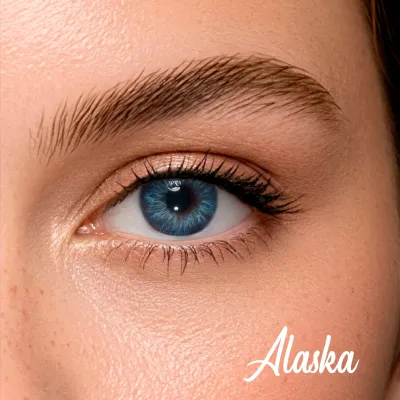
Claro Alaska - Colored Contact Lenses
*{box-sizing:border-box;} .alaska-page{ width:100%; margin:0; padding:0; font-family:Arial,Helvetica,sans-serif; color:#34495e; line-height:…
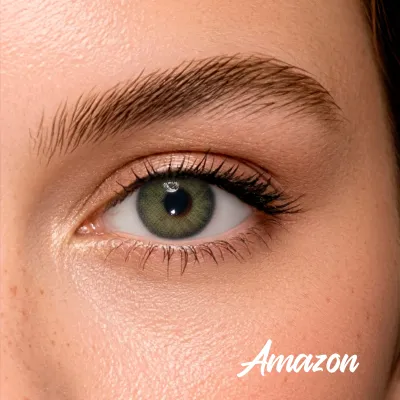
Claro Amazon - Colored Contact Lenses
*{box-sizing:border-box;} .amazon-page{ width:100%; margin:0; padding:0; font-family:Arial,Helvetica,sans-serif; color:#34495e; line-height:…
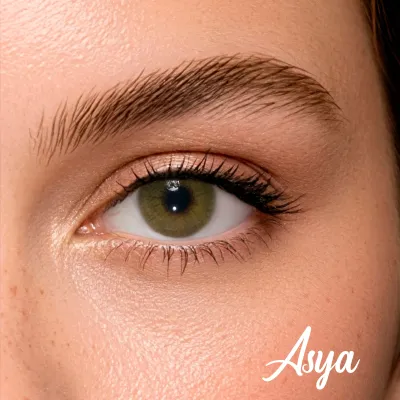
Claro Asya - Colored Contact Lenses
*{box-sizing:border-box;} .asya-page{ width:100%; margin:0; padding:0; font-family:Arial,Helvetica,sans-serif; color:#34495e; line-height:1.…

Claro Avatar - Colored Contact Lenses
*{box-sizing:border-box;} .avatar-page{ width:100%; margin:0; padding:0; font-family:Arial,Helvetica,sans-serif; color:#34495e; line-height:…
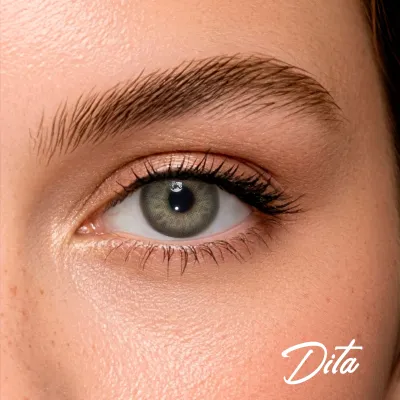
Claro Dita - Colored Contact Lenses
*{box-sizing:border-box;} .dita-page{ width:100%; margin:0; padding:0; font-family:Arial,Helvetica,sans-serif; color:#34495e; line-height:1.…
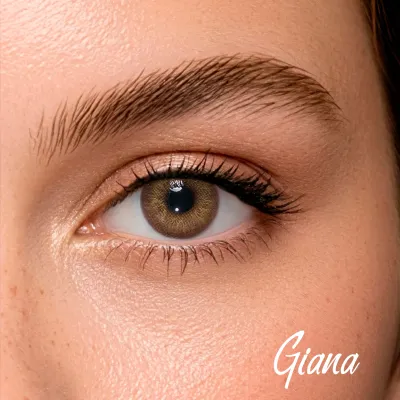
Claro Giana - Colored Contact Lenses
*{box-sizing:border-box;} .giana-page{ width:100%; margin:0; padding:0; font-family:Arial,Helvetica,sans-serif; color:#3b2a1d; line-height:1…
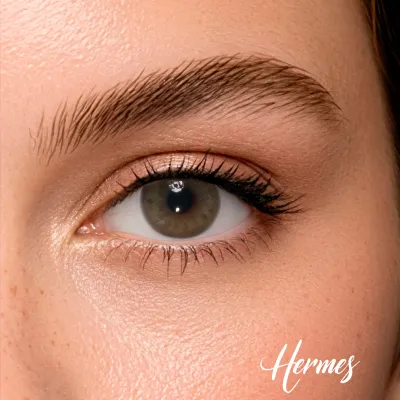
Claro Hermes - Colored Contact Lenses
*{box-sizing:border-box;} .hermes-page{ width:100%; margin:0; padding:0; font-family:Arial,Helvetica,sans-serif; color:#34495e; line-height:…
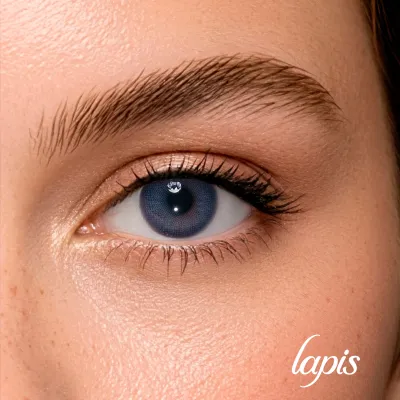
Claro Lapis - Colored Contact Lenses
*{box-sizing:border-box;} .lapis-page{ width:100%; margin:0; padding:0; font-family:Arial,Helvetica,sans-serif; color:#34495e; line-height:1…