


-36x36.png)

Wearing contact lenses offers unparalleled freedom and convenience for vision correction. However, this comfort comes with a crucial responsibility: diligent contact eye care. Proper maintenance is not merely a suggestion; it is a fundamental requirement for safeguarding your ocular health and ensuring the longevity of your vision. Neglecting even minor aspects of lens hygiene can lead to discomfort, infections, and potentially serious eye conditions. This comprehensive guide, brought to you by Opticzade, aims to equip you with the knowledge and best practices necessary to maintain optimal eye health while enjoying the benefits of contact lenses. From understanding different lens types to recognizing warning signs and embracing regular professional check-ups, we cover every facet of responsible contact lens wear.
Understanding Various Contact Lens Types
The world of contact lenses is diverse, offering solutions tailored to nearly every visual need and lifestyle. Knowing the type of lenses you wear is the first step in effective contact eye care. Soft contact lenses, made from flexible plastics that allow oxygen to pass through to the cornea, are the most common. They are comfortable and come in various modalities:
- Daily Disposables: Worn for one day and then discarded. These offer the highest level of hygiene as they eliminate the need for cleaning and storage.
- Two-Week or Monthly Disposables: Worn for a set period (two weeks or one month) and require daily cleaning and disinfection.
- Extended Wear Lenses: Designed to be worn continuously for several days or even weeks, including while sleeping. These demand extreme caution and strict adherence to professional guidelines due to increased infection risk.
Rigid Gas Permeable (RGP) lenses are another category. Made from durable plastic, they are smaller and hold their shape, providing sharper vision for some conditions like astigmatism or keratoconus. While they require an adaptation period, RGPs are highly durable and allow excellent oxygen transmission. Your eye care professional will determine the best type of lens for your specific vision needs and lifestyle, emphasizing that each type has unique care requirements that must be strictly followed.
Essential Practices for Contact Lens Hygiene
Maintaining impeccable hygiene is paramount to preventing eye infections and ensuring comfortable contact lens wear. Adhering to a strict cleaning routine is non-negotiable for all reusable lenses. Begin by always washing your hands thoroughly with soap and water and drying them with a lint-free towel before handling your lenses. This simple step minimizes the transfer of germs and debris to your eyes.
For reusable lenses, always use fresh, sterile contact lens solution recommended by your eye care specialist. Never use tap water, saliva, or any homemade solutions, as these are not sterile and can introduce harmful microorganisms. When cleaning, place a lens in the palm of your hand, apply a few drops of solution, and gently rub it with your finger for about 10-20 seconds. This mechanical rubbing helps remove protein deposits and debris. Rinse the lens thoroughly with fresh solution before placing it in a clean lens case filled with new solution.
Your lens case also plays a critical role in contact eye care. It should be rinsed with fresh solution (never water) and air-dried upside down with the caps off after each use. Replace your lens case every three months, or sooner if it becomes damaged or contaminated, to prevent bacterial buildup. Following these diligent hygiene practices will significantly reduce your risk of complications and ensure a safe contact lens experience.
Recognizing and Addressing Common Eye Issues
Even with the best contact eye care practices, some individuals may experience occasional eye issues. It's crucial to recognize the symptoms and understand when to seek professional help. Common complaints include dry eyes, often exacerbated by environmental factors, screen use, or certain medications. Symptoms like grittiness, redness, and blurred vision can indicate dryness. Using rewetting drops specifically designed for contact lenses can provide relief, but persistent dryness warrants a consultation with your eye doctor.
Redness, irritation, or an unusual discharge can signal an infection or allergic reaction. If your eyes feel itchy, watery, or sensitive to light, or if you experience any pain or sudden vision changes, remove your lenses immediately and contact your eye care professional. Conditions like conjunctivitis (pink eye) or keratitis (corneal inflammation) can be serious and require prompt medical attention. Never attempt to self-diagnose or treat an eye infection. Early intervention is key to preventing long-term damage and preserving your vision. Always have a pair of glasses readily available as an alternative should you need to stop wearing your contacts temporarily.
The Indispensable Role of Regular Eye Examinations
Regular, comprehensive eye examinations are the cornerstone of effective contact eye care, extending far beyond simply updating your prescription. These annual visits allow your optometrist or ophthalmologist to assess the overall health of your eyes, ensuring your contact lenses fit correctly and are not causing any adverse effects. During an exam, your doctor will check for signs of irritation, inflammation, or potential infections that might not be immediately apparent to you.
An eye care professional will also evaluate the surface of your eye, the cornea, and the surrounding structures to ensure they are healthy enough for continued contact lens wear. They can detect early signs of conditions like glaucoma, cataracts, and diabetic retinopathy, which often have no early symptoms but can lead to irreversible vision loss if left untreated. Furthermore, your doctor will confirm that your current prescription is still accurate and that your lenses provide optimal visual acuity. They can also advise on new lens technologies or care solutions that might better suit your evolving needs or lifestyle. Skipping these vital appointments can put your eye health at significant risk, underscoring the importance of proactive, professional guidance.
Exploring Specialty Contact Lens Options
Beyond standard vision correction, the field of contact lenses offers a range of specialty options designed to address unique visual requirements and personal preferences. For individuals with astigmatism, toric lenses provide precise correction by compensating for the irregular curvature of the cornea. For those experiencing presbyopia, multifocal or bifocal contact lenses offer different powers in various zones of the lens, allowing for clear vision at multiple distances without needing reading glasses.
One increasingly popular category is Colored Contact Lenses. These lenses allow individuals to enhance or completely change their eye color, offering a unique way to express personal style. Whether you desire a subtle enhancement or a dramatic transformation, colored contacts are available in a wide array of shades and designs. It is crucial to remember that even cosmetic lenses are medical devices and require a prescription and proper fitting by an eye care professional. Purchasing colored contact lenses from reputable sources, like Opticzade, ensures you receive safe, high-quality products that meet health standards. Never buy lenses from unauthorized vendors, as ill-fitting or non-sterile lenses can cause serious eye damage. Proper hygiene and adherence to wear schedules are just as vital for colored contacts as they are for clear corrective lenses.
Making the Right Choice for Your Vision
Choosing the right contact lenses and maintaining them properly is a collaborative effort between you and your eye care professional. Your lifestyle, specific vision needs, and even environmental factors all play a role in determining the most suitable lens type and care regimen. For instance, if you work in a dry office environment or spend many hours on digital screens, your doctor might recommend lenses with higher moisture content or specific rewetting drops. If you lead an active lifestyle, daily disposables might offer the most convenience and hygiene.
Always prioritize your eye health over convenience or cost. Never compromise on the quality of your lenses or care solutions. At Opticzade, we emphasize the importance of informed choices and provide access to a range of high-quality contact lenses and accessories, always advocating for professional guidance. Understanding the costs involved, including the lenses themselves, solutions, and regular check-ups, is also part of responsible contact eye care. Many insurance plans offer coverage for eye exams and a portion of contact lens costs, so it's wise to explore your benefits. Ultimately, a proactive approach, coupled with expert advice, ensures a comfortable, safe, and clear vision experience with your contact lenses for years to come.
In conclusion, responsible contact eye care is a continuous commitment that profoundly impacts your vision and overall eye health. By embracing diligent hygiene practices, understanding your lens type, recognizing warning signs, and prioritizing regular professional eye examinations, you can enjoy the many benefits of contact lenses safely and comfortably. Your eyes are invaluable, and investing time and effort into their care is an investment in your future well-being. Always consult with your eye care professional for personalized advice and recommendations, ensuring your contact lens journey is both clear and healthy.
Sıkça Sorulan Sorular
What are the most important daily contact lens care practices?
How often should I get my eyes checked if I wear contact lenses?
What are the warning signs that I should remove my contact lenses and see a doctor?
Are colored contact lenses safe, and do they require a prescription?
Konuyla ilgili öne çıkan ürünler

Claro Alaska - Colored Contact Lenses
*{box-sizing:border-box;} .alaska-page{ width:100%; margin:0; padding:0; font-family:Arial,Helvetica,sans-serif; color:#34495e; line-height:…
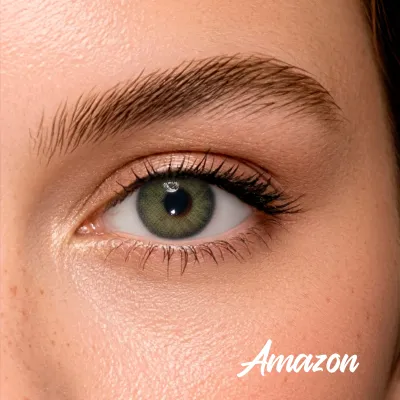
Claro Amazon - Colored Contact Lenses
*{box-sizing:border-box;} .amazon-page{ width:100%; margin:0; padding:0; font-family:Arial,Helvetica,sans-serif; color:#34495e; line-height:…
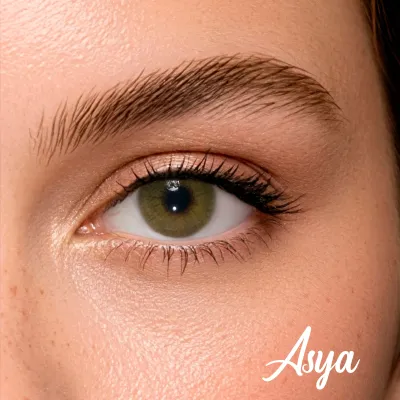
Claro Asya - Colored Contact Lenses
*{box-sizing:border-box;} .asya-page{ width:100%; margin:0; padding:0; font-family:Arial,Helvetica,sans-serif; color:#34495e; line-height:1.…

Claro Avatar - Colored Contact Lenses
*{box-sizing:border-box;} .avatar-page{ width:100%; margin:0; padding:0; font-family:Arial,Helvetica,sans-serif; color:#34495e; line-height:…
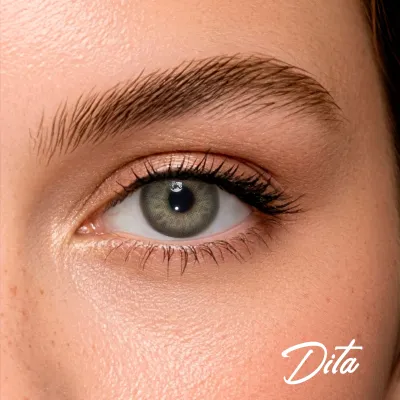
Claro Dita - Colored Contact Lenses
*{box-sizing:border-box;} .dita-page{ width:100%; margin:0; padding:0; font-family:Arial,Helvetica,sans-serif; color:#34495e; line-height:1.…
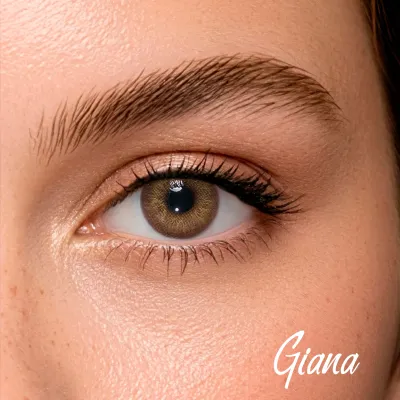
Claro Giana - Colored Contact Lenses
*{box-sizing:border-box;} .giana-page{ width:100%; margin:0; padding:0; font-family:Arial,Helvetica,sans-serif; color:#3b2a1d; line-height:1…
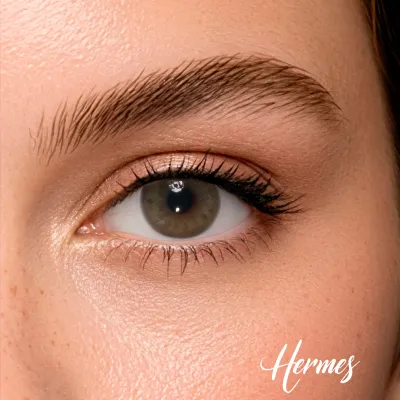
Claro Hermes - Colored Contact Lenses
*{box-sizing:border-box;} .hermes-page{ width:100%; margin:0; padding:0; font-family:Arial,Helvetica,sans-serif; color:#34495e; line-height:…
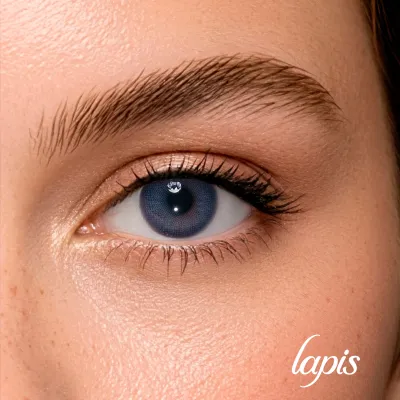
Claro Lapis - Colored Contact Lenses
*{box-sizing:border-box;} .lapis-page{ width:100%; margin:0; padding:0; font-family:Arial,Helvetica,sans-serif; color:#34495e; line-height:1…