


-36x36.png)

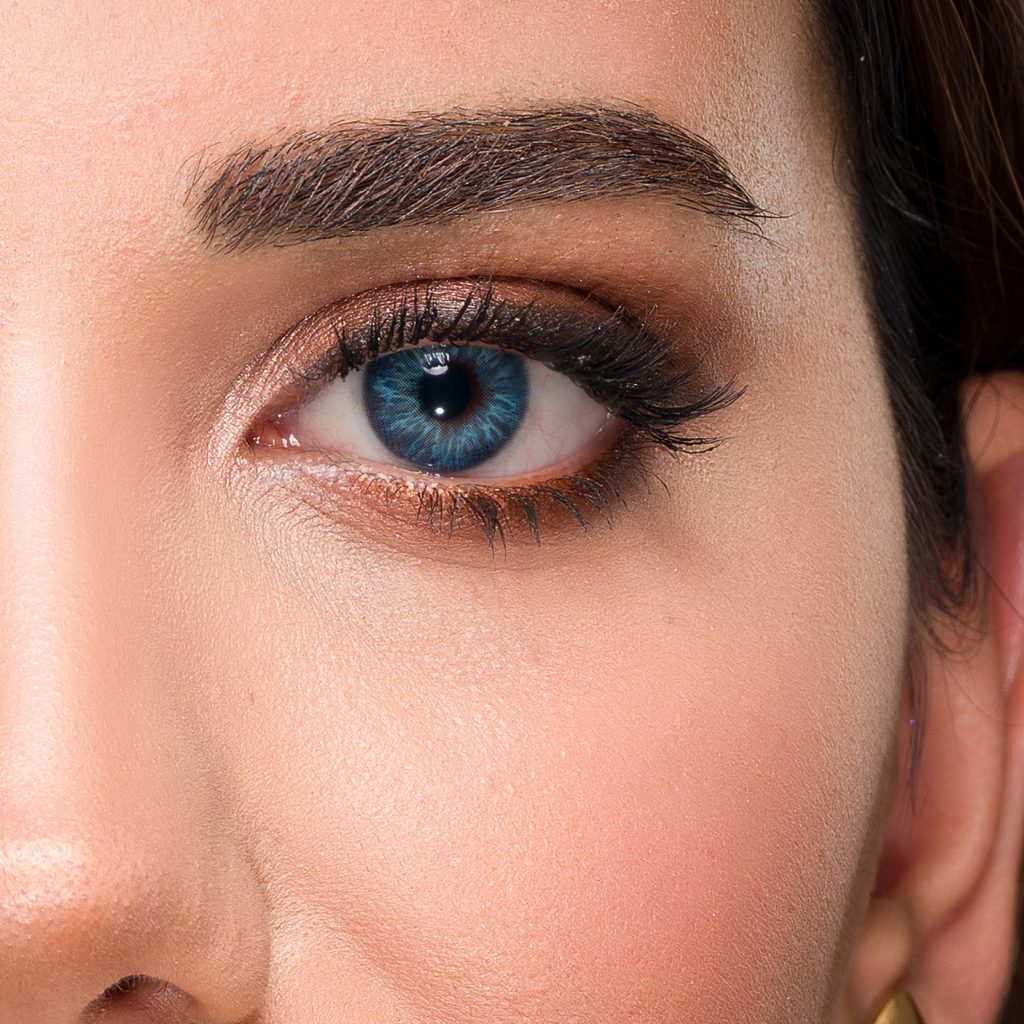
Many people wonder, can colored contacts damage your eyesight? The short answer is yes, if not used correctly and safely. While colored contact lenses offer a fantastic way to transform your look and express your style, their misuse can lead to serious eye health issues. At Opticzade, we believe that beauty should never come at the expense of your vision. This comprehensive guide will walk you through the potential risks, essential safety measures, and how to enjoy your vibrant new gaze responsibly.
Understanding the Risks: How Misuse Can Harm Your Eyes
The primary concern regarding whether colored contacts can damage your eyesight stems from improper usage and lack of professional guidance. Unlike regular eyeglasses, contact lenses are medical devices that sit directly on your eye. Any deviation from recommended practices can introduce bacteria, reduce oxygen flow, or cause physical trauma to the delicate surface of your cornea.
- Infections: The most common and serious risk. Poor hygiene, such as not washing hands before handling lenses, using tap water, or reusing old solution, can introduce bacteria, fungi, or parasites. These can lead to painful and vision-threatening infections like keratitis.
- Corneal Abrasions and Ulcers: Ill-fitting lenses, especially those purchased without a prescription, can rub against the cornea, causing tiny scratches. These abrasions can become infected, leading to corneal ulcers which are extremely painful and can cause permanent vision loss.
- Reduced Oxygen Flow (Hypoxia): Contact lenses, especially thicker colored varieties, can sometimes restrict the amount of oxygen reaching the cornea. Prolonged hypoxia can lead to corneal swelling, blood vessel growth into the cornea (neovascularization), and discomfort, potentially impacting your ability to wear contacts in the future.
- Allergic Reactions: Some individuals may develop allergies to contact lens materials or solutions, leading to redness, itching, and irritation.
These risks underscore why it's crucial to treat colored contact lenses with the same respect as any other medical device.
The Prescription Imperative: Your First Step to Safe Colored Lenses
One of the most critical steps to ensure colored contacts do not damage your eyesight is obtaining a valid prescription from an eye care professional. This applies equally to both Numbered Lenses (corrective vision) and Unnumbered Lenses (purely cosmetic). An optometrist or ophthalmologist will perform a comprehensive eye exam to:
- Measure Your Eyes: They will measure the curvature of your cornea (base curve) and your iris diameter to ensure the lens fits perfectly. A poorly fitting lens can cause discomfort, blurred vision, and serious eye damage.
- Assess Your Eye Health: They will check for any pre-existing conditions that might make contact lens wear unsafe, such as dry eyes or allergies.
- Determine Material and Brand Suitability: Different lenses are made from various materials that offer different levels of oxygen permeability and hydration. Your doctor will recommend the best type for your eyes.
- Provide Proper Instructions: You'll receive guidance on insertion, removal, cleaning, and wear schedules.
Purchasing colored lenses from unauthorized sources, such as beauty salons, novelty shops, or unregulated online vendors, bypasses these vital safety checks and significantly increases your risk of eye damage. Always insist on a prescription, even if you have perfect vision and only desire a cosmetic change.
Choosing Quality: Brands That Prioritize Your Eye Health
When considering whether colored contacts can damage your eyesight, the quality of the lens itself plays a monumental role. Reputable brands invest heavily in research, development, and stringent manufacturing processes to ensure their Colored Lenses are safe, comfortable, and meet international health standards. At Opticzade, we are committed to offering only CE certified lenses, ensuring they meet European health, safety, and environmental protection standards.
For instance, comparing a high-quality product like Cosmetic lens Alaska with a lesser-known Cosmetic lens Amazon (referring to a generic, potentially uncertified lens often found on unregulated marketplaces, not the reputable Amazon brand itself) reveals significant differences. Reputable brands like Alaska Lens focus on advanced materials that allow for better oxygen transmission and hydration, reducing the risk of hypoxia and dry eyes. They also ensure consistent quality in color pigmentation, which doesn't interfere with vision or eye health. Similarly, brands offering the popular Amber Color Lens variations often prioritize comfort and safety alongside stunning aesthetics.
Opticzade proudly features a wide array of trusted Colored Lenses, including popular choices like Alaska, known for their vibrant yet natural appearance and comfort. We also offer various wear durations, from convenient 3 Month Lenses to economical Annual Lenses, catering to different lifestyles and preferences, all while adhering to the highest safety standards. When exploring options like Cosmetic lens Amon, Cosmetic lens Ares, Cosmetic lens Asya, Cosmetic lens Avatar, Cosmetic lens Bianca, or Cosmetic lens Costar, always ensure they come from a verified, reputable source like Opticzade to guarantee their authenticity and safety.
Best Practices for Wearing Colored Contacts Safely
Even with a prescription and high-quality lenses, your daily habits are paramount in preventing eye damage. Following these best practices will significantly reduce the likelihood that colored contacts can damage your eyesight:
- Strict Hygiene: Always wash your hands thoroughly with soap and water and dry them with a lint-free towel before touching your lenses.
- Proper Cleaning and Storage: Use only fresh, sterile contact lens solution recommended by your eye care professional. Never use tap water, saliva, or homemade solutions. Clean your lenses immediately after removal and store them in a clean lens case filled with fresh solution. Replace your lens case every three months.
- Adhere to Wear Schedule: Do not wear your lenses longer than prescribed. Whether you have 3 Month Lenses or Annual Lenses, respect their replacement schedule. Never sleep in colored contacts unless specifically approved by your eye doctor for extended wear, which is rare for cosmetic lenses. Over-wearing lenses is a major reason why colored contacts can damage your eyesight.
- Replace as Directed: Discard lenses according to their prescribed schedule (e.g., daily, monthly, annually). The material degrades over time, becoming less permeable to oxygen and more prone to deposit buildup.
- Avoid Sharing: Never share your contact lenses with anyone. Lenses are custom-fitted medical devices and sharing them can transmit harmful bacteria and viruses.
- Remove if Irritated: If your eyes become red, irritated, painful, or your vision blurs, remove your lenses immediately and contact your eye care professional. Do not try to "tough it out."
- Regular Eye Exams: Continue to have regular check-ups with your eye doctor to monitor your eye health and ensure your contact lens prescription is still appropriate.
By diligently following these guidelines, you can significantly mitigate the risks and enjoy the aesthetic benefits of colored contacts without compromising your vision. For more comprehensive information on contact lens hygiene, consult trusted resources like the CDC's Contact Lens Health website.
In conclusion, the question of "can colored contacts damage your eyesight" largely depends on your choices and adherence to safety protocols. With a valid prescription, high-quality lenses from trusted providers like Opticzade, and meticulous care, you can safely enhance your natural beauty. Always prioritize your eye health, consult with professionals, and choose reputable products to ensure a stunning and safe experience.
can colored contacts damage your eyesight ile ilgili icerikler
- Cosmetic lens Alaska
- Cosmetic lens Amazon
- Cosmetic lens Amon
- Cosmetic lens Ares
- Cosmetic lens Asya
- Cosmetic lens Avatar