


-36x36.png)

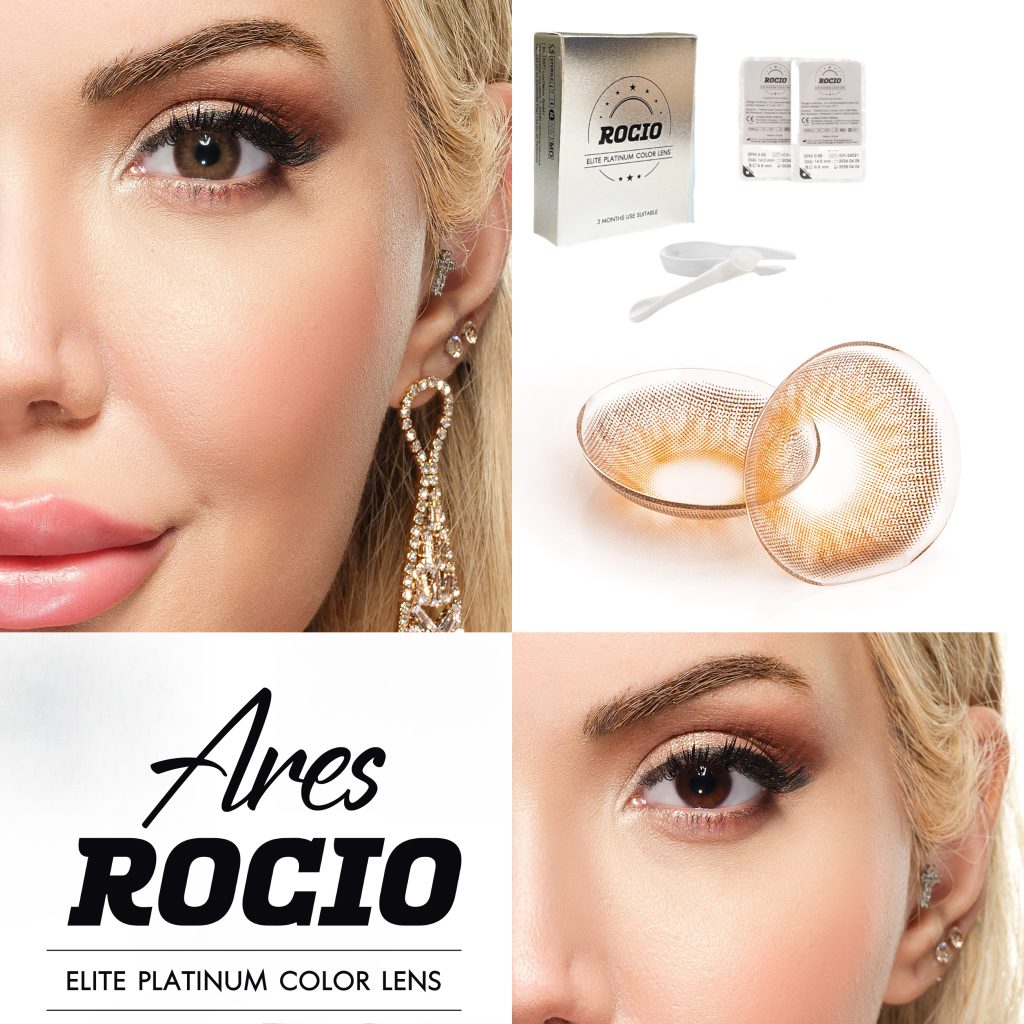
Many people wonder: are over the counter costume lenses safe? The simple and unequivocal answer from eye care professionals and regulatory bodies is a resounding no. Despite their widespread availability in novelty shops, beauty supply stores, or online marketplaces without a prescription, these lenses pose significant and often irreversible risks to your eye health. Understanding why these lenses are dangerous is crucial for anyone considering them for Halloween, cosplay, or fashion.
The allure of dramatically changing your eye color or achieving a unique look with Colored Lenses is understandable. Whether you're aiming for a striking wolf eye, a zombie gaze, or simply a vibrant new hue, the visual impact can be transformative. However, the convenience of purchasing these lenses without a professional eye exam or prescription comes at a steep cost to your vision and overall eye health. This article will delve into the dangers, legalities, and safe alternatives for achieving your desired eye aesthetics.
The Hidden Dangers of Unregulated Costume Lenses
When you purchase contact lenses, including cosmetic ones, from an unregulated source, you bypass critical safety measures designed to protect your eyes. These lenses are often manufactured without proper quality control, using materials that may not be biocompatible or safe for extended wear. The risks are numerous and severe:
- Corneal Abrasions and Ulcers: Ill-fitting lenses, which are common with non-prescription purchases, can scratch the surface of your eye (cornea). These abrasions can quickly become infected, leading to corneal ulcers that are painful and can cause permanent vision loss.
- Bacterial and Fungal Infections: Lenses bought over-the-counter are often not sterile or may be contaminated. Improper handling, lack of cleaning solutions, or sharing lenses further increases the risk of severe infections. These can lead to blindness if not treated promptly and aggressively.
- Allergic Reactions: The dyes and materials used in unregulated costume lenses can trigger allergic reactions, causing redness, itching, swelling, and discomfort.
- Reduced Oxygen Flow: Poor quality lenses may not allow sufficient oxygen to reach the cornea, leading to hypoxia. This can cause swelling, discomfort, and long-term damage to eye tissue.
- Vision Impairment: Beyond infections, poorly manufactured lenses can have irregular surfaces or incorrect curvatures, leading to blurry vision, halos, and glare. Some lenses may even block peripheral vision.
The U.S. Food and Drug Administration (FDA) classifies all contact lenses, including cosmetic ones like Colored Contact Lenses, as medical devices. This means they require a prescription from a licensed eye care professional. This regulation is in place precisely because of the potential for harm when lenses are not properly fitted, handled, or cared for. For more information on FDA regulations, visit the FDA website.
Why a Prescription is Non-Negotiable for Cosmetic Lenses
You might think a prescription is only necessary if you need vision correction. However, this is a dangerous misconception when it comes to contact lenses. Even if you have perfect vision and are only interested in Unnumbered Lenses for cosmetic purposes, a prescription is essential. Here's why:
- Professional Eye Exam: An optometrist or ophthalmologist will measure your eye's curvature (base curve) and diameter to ensure the lens fits properly. A poorly fitting lens, whether too tight or too loose, can cause irritation, damage, and infection.
- Assessment of Eye Health: A professional will check for any pre-existing conditions that might make contact lens wear unsafe, such as dry eyes, allergies, or certain corneal conditions.
- Proper Lens Material and Type: Your eye care professional will recommend lenses made from materials suitable for your eyes, ensuring adequate oxygen permeability and comfort. This is true for all types, from 3 Month Lenses to Annual Lenses.
- Instruction on Care and Handling: You'll receive vital training on how to insert, remove, clean, and store your lenses safely, significantly reducing the risk of infection.
- Follow-up Appointments: Regular check-ups ensure your eyes remain healthy while wearing lenses and allow for adjustments if needed.
Ignoring these steps is like buying shoes without knowing your size; they might look good, but they'll cause pain and potentially lasting damage. The American Academy of Ophthalmology provides excellent resources on contact lens safety. You can learn more at the American Academy of Ophthalmology website.
Choosing Safe Cosmetic Contact Lenses: What to Look For
If you're determined to enhance your eyes with Colored Contact Lenses, prioritizing safety is paramount. The good news is that many reputable brands offer safe, prescription-only cosmetic lenses. When considering options like Cosmetic lens Alaska or Cosmetic lens Amazon, it's crucial to understand that even well-known names must be prescribed and fitted by an eye care professional. Never assume a brand's popularity guarantees safety if purchased without a prescription.
At Opticzade, we emphasize the importance of CE-certified products and working with your eye care specialist. We understand the desire for beautiful eyes, which is why we focus on providing high-quality, safe Colored Lenses that adhere to strict health and safety standards. Whether you're interested in vibrant Amber Color Lens options or subtle enhancements, always prioritize safety and professional guidance.
When comparing different brands, such as Cosmetic lens Amon with Cosmetic lens Ares, or Cosmetic lens Asya with Cosmetic lens Avatar, the focus should always be on acquiring them through legitimate channels with a valid prescription. Even for specific looks like those achieved with Cosmetic lens Bianca or Cosmetic lens Costar, the safety protocols remain the same. The type of lens, whether it's a 3 Month Lens or an Annual Lens, also dictates specific care routines that only a professional can properly advise on.
Are Over the Counter Costume Lenses Safe? The Legal Perspective
In many countries, including the United States, it is illegal to sell contact lenses without a valid prescription. This applies to all types of contact lenses, including those that do not correct vision, such as costume lenses. Retailers who sell these products without requiring a prescription are breaking the law and putting consumers at risk. The legal framework is designed to protect public health from the severe consequences of improper contact lens use.
Consumers should be wary of any vendor, whether online or brick-and-mortar, that offers contact lenses without asking for a prescription. Such practices are a red flag indicating that the products may be unapproved, unsafe, or even counterfeit. Always insist on purchasing your Colored Lenses from a licensed dispenser who requires a valid prescription from your eye doctor. This ensures you receive legitimate, safe products that have been properly fitted for your eyes.
For further guidance on responsible contact lens use, consult organizations like the American Optometric Association, which offers valuable patient information on eye health and safety. Visit the American Optometric Association website for more details.
Safe Alternatives and Best Practices for Cosmetic Lens Wear
If you want to wear cosmetic contact lenses, the safest approach is always through a licensed eye care professional. Here’s how to do it right:
- Get an Eye Exam: Schedule an appointment with an optometrist or ophthalmologist. Inform them you're interested in cosmetic lenses.
- Obtain a Prescription: Even for Unnumbered Lenses, your doctor will provide a prescription specifying the base curve, diameter, and brand. This prescription is valid for a limited time, typically one year.
- Purchase from Reputable Sources: Buy your lenses from a licensed optical dispenser, your eye doctor's office, or a reputable online retailer that requires a prescription. Opticzade, for example, is committed to providing only high-quality, safe, and regulated Colored Lenses.
- Follow Care Instructions: Adhere strictly to your doctor's instructions for insertion, removal, cleaning, and storage. Use only recommended solutions. This applies whether you have 3 Month Lenses, Annual Lenses, or daily disposables.
- Practice Good Hygiene: Always wash your hands thoroughly before handling lenses. Never share lenses, and replace them as recommended.
- Never Sleep in Lenses: Unless specifically prescribed for extended wear, never sleep in your contact lenses, as this dramatically increases the risk of infection.
- Recognize Warning Signs: If you experience redness, pain, blurred vision, or excessive tearing, remove your lenses immediately and contact your eye doctor.
In conclusion, the question of are over the counter costume lenses safe has a clear answer: no. The risks far outweigh any perceived benefits. Prioritizing your eye health means always seeking professional guidance and obtaining a valid prescription for any type of contact lens, including cosmetic ones. Your vision is precious, and taking shortcuts with contact lenses can lead to irreversible damage. Choose safety, choose professional care, and enjoy your beautiful eyes responsibly with quality products from trusted providers like Opticzade.
are over the counter costume lenses safe ile ilgili icerikler
- Cosmetic lens Ares
- Cosmetic lens Alaska
- Cosmetic lens Amazon
- Cosmetic lens Amon
- Cosmetic lens Asya
- Cosmetic lens Avatar