



For individuals with deep, rich eye colors, the desire to subtly enhance or even transform their gaze without appearing artificial is a common pursuit. The market for Colored contact lenses offers a vast array of options, but finding those that truly blend seamlessly with dark irises requires careful consideration. This comprehensive guide is designed to navigate the complexities of selecting contact lenses that offer a natural, captivating look for dark eyes, ensuring both aesthetic satisfaction and paramount eye health.
The Quest for Subtle Eye Color Enhancement
Many people with dark eyes are drawn to cosmetic contact lenses not for a dramatic, obvious change, but for a nuanced enhancement. The goal is often to add a touch of warmth, depth, or a different hue that complements their natural features, making their eyes appear brighter, more expressive, or simply different in a way that feels organic. This pursuit of subtlety is key to achieving a truly natural look.
Why Many Seek a Natural Look
The appeal of a natural eye color transformation lies in its ability to refresh one's appearance without drawing attention to the fact that lenses are being worn. It's about achieving a 'my eyes but better' effect, where the new shade harmonizes with skin tone and hair color, contributing to an overall balanced aesthetic. An artificial or overly vibrant lens can detract from this desired naturalism, making the eyes stand out for the wrong reasons.
The Psychological Impact of Eye Color
Eye color plays a significant role in perception and self-expression. A subtle shift can influence how one feels about themselves and how others perceive them. For instance, adding a hint of hazel or a lighter brown can soften a gaze, while a touch of grey or green might lend an air of mystery. Understanding this psychological dimension helps in choosing a lens that not only looks good but also aligns with the wearer's desired self-image.
Key Factors for an Unnoticeable Eye Color Change
Achieving a genuinely natural appearance with cosmetic contact lenses for dark eyes hinges on several critical design and color attributes. It’s not just about the color itself, but how that color interacts with and overlays your natural iris. Discerning these elements is crucial for a successful and believable transformation.
The Role of Opaque vs. Enhancement Tints
For dark eyes, opaque lenses are typically necessary to achieve any noticeable color change. These lenses are designed to completely cover the natural iris color. In contrast, enhancement tints are semi-transparent and primarily work by intensifying the natural eye color, which may not be sufficient for a significant change on very dark eyes. When selecting opaque lenses, look for those with multi-tonal patterns that mimic the natural variations found in human irises, rather than a flat, monochromatic color.
Pupil Hole Size and Edge Blending
Two often-overlooked but vital elements are the pupil hole size and the lens's limbal ring (the outer edge). A pupil hole that is too large or too small can look unnatural. If too large, your natural dark iris might show through around the pupil, creating a 'halo' effect. If too small, it can obstruct your vision. The limbal ring should be designed to blend smoothly with your sclera (the white part of your eye) and your natural iris. A soft, diffused limbal ring often looks more natural than a sharply defined one, especially for those seeking a subtle change.
Selecting the Ideal Shade for Deeper Tones
The choice of color is perhaps the most exciting yet challenging aspect of selecting cosmetic lenses. For dark eyes, certain shades tend to yield more natural results by harmonizing with existing pigmentation and creating depth rather than a stark contrast.
Warm Browns and Hazels
Transitioning to a lighter brown or a hazel hue is often the safest and most natural-looking option for those with dark brown eyes. These shades work by adding warmth and dimension, creating an illusion of depth. Look for lenses that incorporate multiple shades of brown, gold, and green to replicate the complex patterns of a natural hazel eye. These tones can brighten the overall appearance of the eyes without appearing artificial.
Cool Grays and Greens
For a subtle yet distinct change, cool grays and muted greens can be surprisingly natural on dark eyes. A charcoal gray or a deep olive green, especially those with a hint of brown or yellow, can create an intriguing and sophisticated look. The key is to avoid overly vibrant or electric shades, opting instead for colors that have a slightly desaturated or earthy quality, allowing them to blend more organically with the natural dark base.
Unexpected Blues
While blue might seem like a dramatic leap for dark eyes, certain muted or multi-tonal blue lenses can achieve a surprisingly natural effect. Shades like a deep sapphire, a dusty blue, or a blue-gray can add a captivating element without looking overtly fake. The trick is to choose blues that incorporate subtle hints of other colors, like brown or grey, and have a complex pattern that mimics the iris's natural texture, avoiding uniform, bright blue tones.
Understanding Lens Design and Technology
The advancements in contact lens manufacturing technology have significantly contributed to the realism of modern colored contact lenses. Understanding these innovations can help consumers make more informed choices about which lenses will best suit their needs for a natural look.
Advanced Pigmentation Techniques
Modern natural-looking lenses often employ sophisticated pigmentation techniques, such as multi-layering and dot matrix patterns. Multi-layering involves applying several translucent layers of color, which allows for greater depth and a more three-dimensional appearance, mimicking the natural iris. Dot matrix patterns use tiny, individually placed dots of color rather than a solid block, allowing the natural eye color to peek through subtly, creating a softer, more realistic blend, especially around the pupil and limbal ring.
Material Science for Comfort
Beyond aesthetics, the material science behind contact lenses is crucial for comfort and eye health. High-quality lenses are made from breathable materials like hydrogel or silicone hydrogel, which allow sufficient oxygen to reach the cornea. This is vital, as cosmetic lenses, particularly opaque ones, can sometimes be thicker or have less oxygen permeability due to the embedded pigment. Prioritizing lenses from reputable manufacturers known for their comfortable and breathable materials ensures that your quest for a natural look doesn't compromise your ocular well-being.
Prioritizing Eye Health and Professional Guidance
The pursuit of aesthetic enhancement should never come at the expense of eye health. Wearing any type of contact lens, especially cosmetic ones, requires a professional fitting and ongoing care to prevent complications. This is a non-negotiable step for anyone considering a change in eye color.
The Importance of a Consultation
Before purchasing any Colored Contact Lenses, a comprehensive eye examination and fitting by a qualified optometrist or ophthalmologist are absolutely essential. A professional will assess your eye health, measure your eye's curvature and diameter to ensure a proper fit, and discuss the best lens options for your specific needs and lifestyle. Ill-fitting lenses can cause discomfort, blurred vision, corneal abrasions, and even serious infections. A prescription is legally required for all contact lenses, even purely cosmetic ones, in many regions for good reason.
Recognizing Reputable Brands
Always purchase contact lenses from reputable sources and well-known brands. These manufacturers adhere to strict safety standards, use biocompatible materials, and have undergone rigorous testing. Be wary of unbranded or cheap lenses sold without a prescription, as these can pose significant health risks, including severe eye infections, corneal ulcers, and permanent vision damage. Investing in quality, medically approved lenses is an investment in your eye health and the longevity of your vision.
Maintaining Your Cosmetic Lenses for Lasting Comfort
Proper care and maintenance are paramount for anyone wearing contact lenses, and cosmetic lenses are no exception. Adhering to a strict hygiene routine ensures comfort, prevents infections, and prolongs the life of your lenses, allowing you to enjoy your natural-looking enhancement safely.
Proper Cleaning and Storage
Always wash your hands thoroughly with soap and water before handling your lenses. Use only fresh, sterile contact lens solution recommended by your eye care professional for cleaning, rinsing, and storing your lenses. Never use tap water, saliva, or homemade solutions, as these can introduce harmful microorganisms. Rub and rinse your lenses as directed, and store them in a clean lens case filled with fresh solution. Replace your lens case every three months to prevent bacterial buildup.
Adhering to Replacement Schedules
Each type of contact lens—daily disposable, bi-weekly, monthly, or yearly—has a specific replacement schedule. It is crucial to strictly follow these guidelines. Overwearing lenses beyond their recommended lifespan can lead to protein and lipid buildup, reduced oxygen permeability, discomfort, and an increased risk of eye infections. Even if your lenses feel fine, dispose of them and replace them as scheduled to maintain optimal eye health and comfort. This diligence ensures your natural-looking contacts continue to provide a safe and beautiful enhancement.
Sıkça Sorulan Sorular
Can people with very dark eyes achieve a noticeable yet natural color change?
What are the most important factors when choosing colored contacts for a natural look on dark eyes?
Is it safe to wear cosmetic contact lenses without a prescription?
How do I ensure my colored contacts look natural and not artificial?
What are the best colors to consider for dark eyes?
Konuyla ilgili öne çıkan ürünler
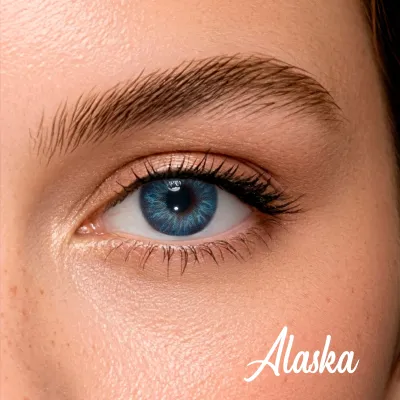
Claro Alaska - Colored Contact Lenses
*{box-sizing:border-box;} .alaska-page{ width:100%; margin:0; padding:0; font-family:Arial,Helvetica,sans-serif; color:#34495e; line-height:…
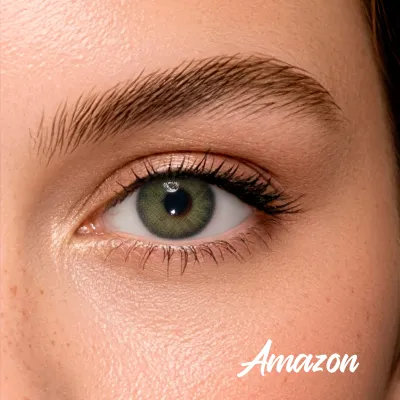
Claro Amazon - Colored Contact Lenses
*{box-sizing:border-box;} .amazon-page{ width:100%; margin:0; padding:0; font-family:Arial,Helvetica,sans-serif; color:#34495e; line-height:…
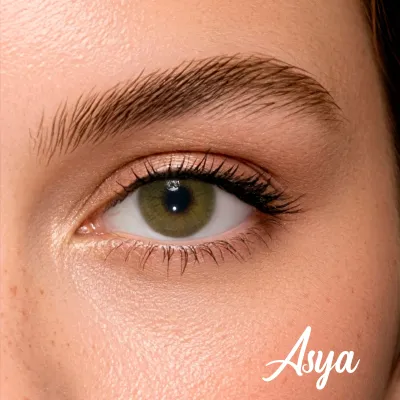
Claro Asya - Colored Contact Lenses
*{box-sizing:border-box;} .asya-page{ width:100%; margin:0; padding:0; font-family:Arial,Helvetica,sans-serif; color:#34495e; line-height:1.…
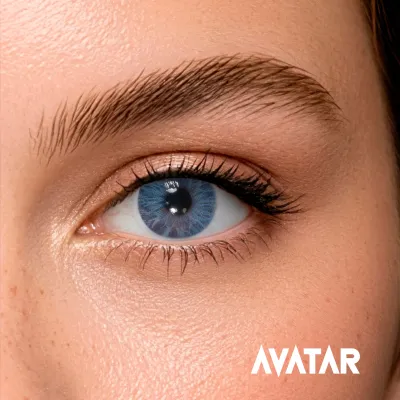
Claro Avatar - Colored Contact Lenses
*{box-sizing:border-box;} .avatar-page{ width:100%; margin:0; padding:0; font-family:Arial,Helvetica,sans-serif; color:#34495e; line-height:…
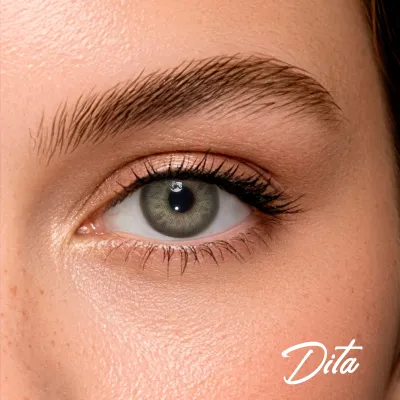
Claro Dita - Colored Contact Lenses
*{box-sizing:border-box;} .dita-page{ width:100%; margin:0; padding:0; font-family:Arial,Helvetica,sans-serif; color:#34495e; line-height:1.…
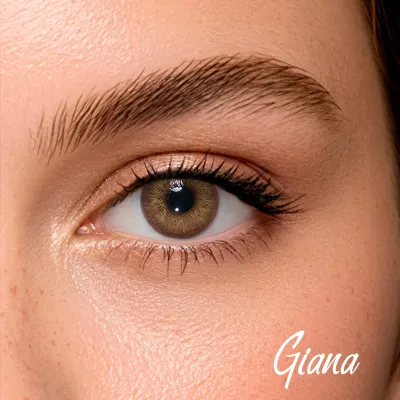
Claro Giana - Colored Contact Lenses
*{box-sizing:border-box;} .giana-page{ width:100%; margin:0; padding:0; font-family:Arial,Helvetica,sans-serif; color:#3b2a1d; line-height:1…
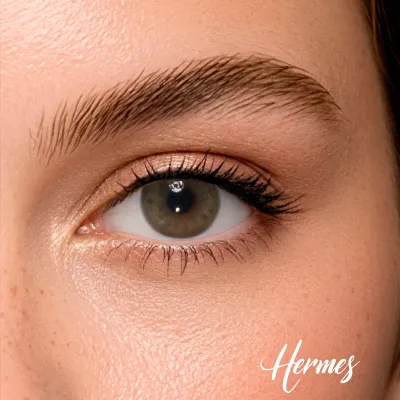
Claro Hermes - Colored Contact Lenses
*{box-sizing:border-box;} .hermes-page{ width:100%; margin:0; padding:0; font-family:Arial,Helvetica,sans-serif; color:#34495e; line-height:…
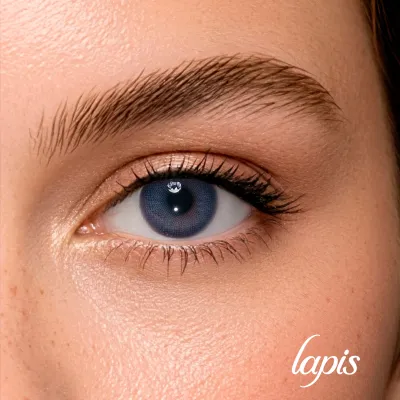
Claro Lapis - Colored Contact Lenses
*{box-sizing:border-box;} .lapis-page{ width:100%; margin:0; padding:0; font-family:Arial,Helvetica,sans-serif; color:#34495e; line-height:1…