



For many with lighter eye colors, the allure of a deeper, warmer gaze is undeniable. The desire to experiment with one's appearance, to project a different facet of personality, often leads to considering a change in eye color. Specifically, the transformation of blue eyes to a rich, captivating brown has become a popular choice for individuals seeking a noticeable yet natural-looking alteration. This comprehensive guide delves into the world of brown contact lenses for blue eyes, offering insights into selection, safety, and maintenance to help you achieve your desired aesthetic responsibly and effectively.
The Allure of Richer Hues: Why Choose a Deeper Eye Color?
The appeal of brown eyes spans cultures and aesthetics, often associated with warmth, depth, and a certain enigmatic charm. For those accustomed to the striking clarity of blue eyes, a shift to brown can offer a profound visual change, softening features or adding an element of mystery. This desire for transformation isn't merely about superficial change; it's often about exploring different facets of one's identity or simply enjoying a fresh perspective on one's appearance. Brown contact lenses provide a temporary, non-committal way to experience this change, allowing individuals to experiment without permanent alteration. The versatility of brown shades means there's a hue to complement nearly every skin tone and hair color, making it a universally appealing option for a significant eye color transformation.
Navigating the Spectrum of Brown: Selecting Your Ideal Tint
Choosing the right shade of brown is paramount to achieving a convincing and beautiful transformation. The market for colored contact lenses offers a vast array of brown tones, each designed to create a distinct effect. Understanding the difference between lens types and specific shades will guide you toward the perfect choice for your blue eyes.
Opaque vs. Enhancement Tints: Which is Right for You?
- Opaque Tints: These lenses are designed to completely cover your natural eye color. For individuals with blue eyes aiming for a true brown, opaque lenses are the only effective option. They feature a solid, non-transparent color layer that fully masks the underlying iris pigment, allowing for a dramatic and complete color change.
- Enhancement Tints: These are translucent lenses that are meant to intensify or slightly alter an existing eye color. While they can add depth or a subtle hue to light eyes, they are generally not suitable for transforming blue eyes to brown, as the natural blue would still show through, resulting in an unnatural or mixed appearance. Always opt for opaque lenses for a full blue-to-brown conversion.
Exploring Different Brown Tones: Hazel, Chocolate, and Amber
Within the opaque brown category, you'll find a spectrum of shades:
- Hazel: Often a blend of brown, green, and gold, hazel lenses can create a very natural and multi-dimensional look, especially effective for blue eyes seeking a softer transition to brown.
- Chocolate Brown: These are deep, rich, and warm brown tones that offer a classic and striking change. They tend to create a bold, captivating gaze.
- Amber: Lighter, golden-brown shades that can brighten the eyes and add a luminous quality. Amber contacts can introduce a subtle warmth while still providing a distinct brown hue.
Consider how these shades might interact with your natural complexion and desired overall aesthetic to make an informed decision.
Ensuring Eye Health: The Essential Steps Before Wearing color lenses
While the aesthetic appeal of colored contact lenses is significant, eye health and safety must always take precedence. It is crucial to understand that all contact lenses, whether corrective or purely cosmetic, are medical devices and require a valid prescription from an eye care professional.
- Professional Eye Examination: Before purchasing any type of colored contact lenses, including those designed to change blue eyes to brown, you must undergo a comprehensive eye examination. An optometrist or ophthalmologist will assess your eye health, measure your eye's curvature, and determine the appropriate lens size and fit. An ill-fitting lens can cause discomfort, irritation, and potentially serious eye complications like corneal abrasions or infections.
- Prescription Requirement: Even if you have perfect vision and only desire plano (non-corrective) colored contacts, a prescription is legally and medically required. This ensures that the lenses you wear are safe, breathable, and suitable for your specific eye anatomy.
- Reputable Sources: Always purchase your Colored Contact Lenses from licensed retailers or directly from your eye care professional. Avoiding unauthorized sellers, such as novelty shops or online marketplaces without prescription verification, is vital to prevent receiving counterfeit or unsafe products that could severely damage your eyes.
Prioritizing these steps ensures that your journey to a new eye color is both beautiful and safe.
Achieving a Natural Appearance: Tips for Selecting Complementary Shades
The goal for many seeking brown eye contacts for blue eyes is a natural-looking transformation. Achieving this involves more than just picking a brown shade; it requires considering how the lenses will harmonize with your overall features.
Considering Your Skin Tone and Hair Color
- Skin Tone: Individuals with warm undertones (peaches, yellows, gold) often find that warmer brown shades like amber or honey brown complement their complexion beautifully. Those with cool undertones (pinks, blues, reds) might prefer cooler, deeper chocolate browns or even hazel tones with a hint of grey or green to create a harmonious look.
- Hair Color: Your hair color also plays a significant role. Lighter brown or hazel contacts can look stunning with blonde or light brown hair, creating a softer contrast. Deeper, richer browns tend to pair well with darker hair colors, enhancing a more dramatic and intense gaze. Experimentation, perhaps with digital try-on tools, can help visualize the best match.
The Role of Pupil Hole Size in Natural Blending
A critical, yet often overlooked, aspect of natural-looking colored contacts is the design of the pupil hole. This is the clear, uncolored center of the lens through which you see. If the pupil hole is too large, your natural blue iris might be visible around the edges, creating an unnatural 'ring' effect. If it's too small, it can obstruct your vision. High-quality colored lenses are designed with a pupil hole that blends seamlessly with your natural pupil, often featuring intricate patterns that mimic the natural iris, ensuring a smooth transition from the colored part of the lens to your natural eye. Discussing this design aspect with your eye care professional can help you select lenses that offer the most natural blend.
Caring for Your Colored Lenses: A Guide to Longevity and Hygiene
Proper care and maintenance are essential for extending the life of your brown eye contacts and, more importantly, for safeguarding your eye health. Neglecting lens hygiene can lead to severe eye infections and discomfort.
Proper Cleaning and Storage Techniques
- Hand Hygiene: Always wash your hands thoroughly with soap and water and dry them with a lint-free towel before handling your lenses.
- Rub and Rinse: For reusable lenses, place a lens in the palm of your hand, apply a few drops of fresh contact lens solution, and gently rub it with your finger for about 10-20 seconds. Rinse thoroughly with more solution. This physical cleaning step is crucial for removing debris and microorganisms.
- Fresh Solution Daily: Never reuse old solution. Always discard the old solution from your lens case and refill it with fresh, sterile solution each time you store your lenses.
- Lens Case Care: Clean your lens case regularly with fresh solution, let it air dry upside down with the caps off, and replace it every three months to prevent bacterial buildup.
- Avoid Water: Never use tap water, distilled water, or saliva to clean or store your lenses, as these can introduce harmful bacteria and microorganisms to your eyes.
Recognizing When to Replace Your Lenses
Adhering to the recommended replacement schedule for your specific Colored Contact Lenses is critical. Whether they are daily disposables, bi-weekly, or monthly lenses, never wear them beyond their prescribed lifespan. Overwearing lenses can lead to reduced oxygen permeability, increased deposit buildup, discomfort, and a higher risk of infection. Pay attention to any signs of discomfort, redness, blurred vision, or excessive tearing, as these could indicate an issue with your lenses or an eye infection. If you experience any of these symptoms, remove your lenses immediately and consult your eye care professional.
Beyond Aesthetics: Understanding the Impact of Eye Color Change
Changing your eye color, even temporarily, can have a surprisingly profound impact beyond mere aesthetics. For many, it's an act of self-expression, a way to boost confidence, or simply to enjoy a different aspect of their appearance. The subtle shift from blue to brown can alter how others perceive you and, in turn, how you perceive yourself. It offers a unique opportunity for temporary reinvention, allowing individuals to explore different looks for special occasions, daily wear, or just for fun. However, it's important to remember that while the visual transformation is exciting, the underlying commitment to eye health and proper lens care remains paramount. Embracing a new eye color should always be a safe and enjoyable experience.
The journey from blue to brown eyes with contact lenses is an exciting venture into personal transformation. By understanding the nuances of different brown shades, prioritizing professional eye care, and diligently following lens maintenance guidelines, you can confidently achieve a stunning and natural-looking change. Embrace the warmth and depth of brown eyes, knowing you've made an informed and responsible choice for both your appearance and your vision health.
Sıkça Sorulan Sorular
Can brown contact lenses completely cover blue eyes?
Do I need a prescription for brown eye contacts, even if I have perfect vision?
How do I choose the most natural-looking brown shade for my blue eyes?
What are the essential steps for caring for colored contact lenses?
Can brown contacts cause discomfort or harm my blue eyes?
Konuyla ilgili öne çıkan ürünler
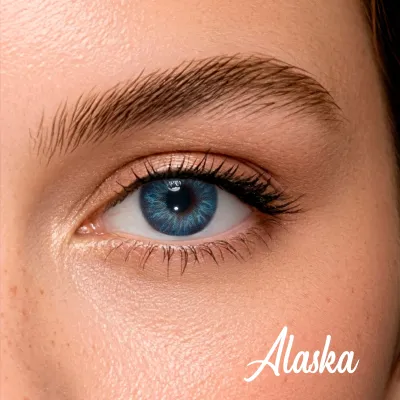
Claro Alaska - Colored Contact Lenses
*{box-sizing:border-box;} .alaska-page{ width:100%; margin:0; padding:0; font-family:Arial,Helvetica,sans-serif; color:#34495e; line-height:…
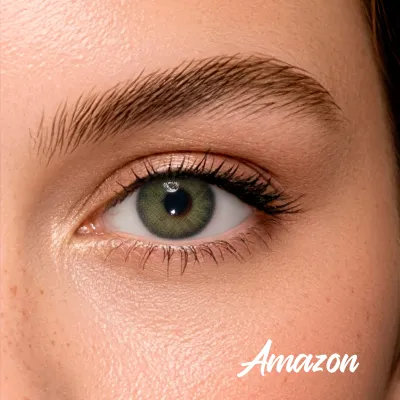
Claro Amazon - Colored Contact Lenses
*{box-sizing:border-box;} .amazon-page{ width:100%; margin:0; padding:0; font-family:Arial,Helvetica,sans-serif; color:#34495e; line-height:…
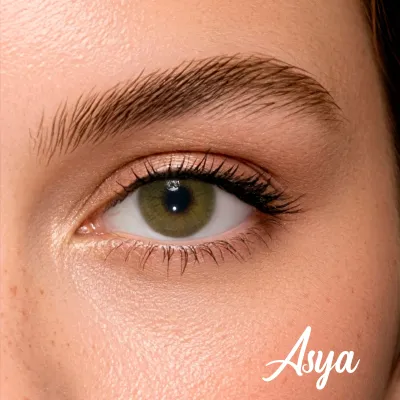
Claro Asya - Colored Contact Lenses
*{box-sizing:border-box;} .asya-page{ width:100%; margin:0; padding:0; font-family:Arial,Helvetica,sans-serif; color:#34495e; line-height:1.…
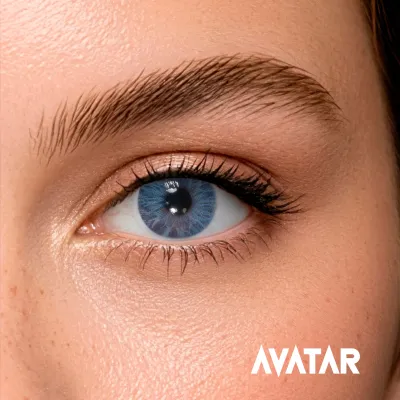
Claro Avatar - Colored Contact Lenses
*{box-sizing:border-box;} .avatar-page{ width:100%; margin:0; padding:0; font-family:Arial,Helvetica,sans-serif; color:#34495e; line-height:…
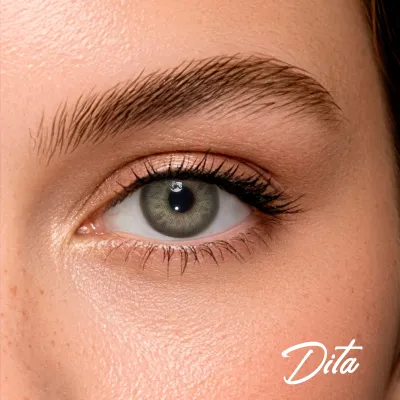
Claro Dita - Colored Contact Lenses
*{box-sizing:border-box;} .dita-page{ width:100%; margin:0; padding:0; font-family:Arial,Helvetica,sans-serif; color:#34495e; line-height:1.…
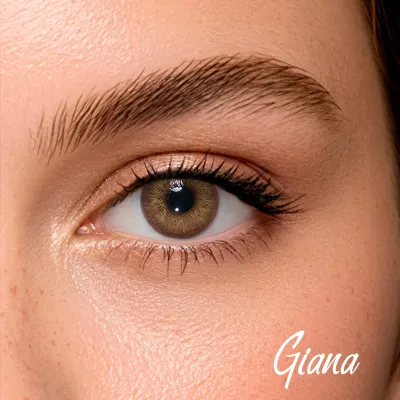
Claro Giana - Colored Contact Lenses
*{box-sizing:border-box;} .giana-page{ width:100%; margin:0; padding:0; font-family:Arial,Helvetica,sans-serif; color:#3b2a1d; line-height:1…
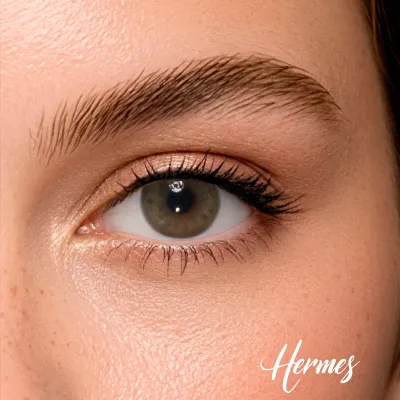
Claro Hermes - Colored Contact Lenses
*{box-sizing:border-box;} .hermes-page{ width:100%; margin:0; padding:0; font-family:Arial,Helvetica,sans-serif; color:#34495e; line-height:…
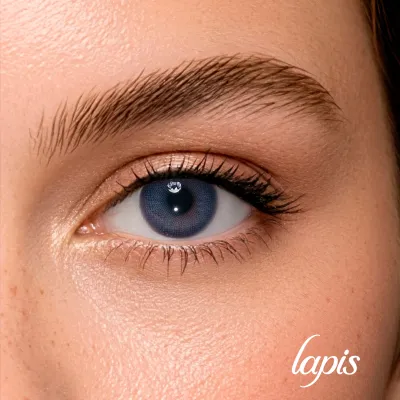
Claro Lapis - Colored Contact Lenses
*{box-sizing:border-box;} .lapis-page{ width:100%; margin:0; padding:0; font-family:Arial,Helvetica,sans-serif; color:#34495e; line-height:1…