



The desire for a subtle yet impactful transformation often leads individuals to explore options for enhancing their natural beauty. Among these, contact lenses designed to mimic the intricate patterns and depths of the human iris have gained immense popularity. Far from the opaque, artificial-looking lenses of the past, today's advanced designs offer an unparalleled level of realism, allowing for a captivating change that feels entirely authentic. This comprehensive guide delves into the nuances of selecting, wearing, and caring for these sophisticated ocular enhancements, ensuring you achieve a look that is both striking and genuinely natural.
Understanding the science and artistry behind these products is crucial for making informed choices. We'll explore how different lens technologies contribute to their lifelike appearance, the importance of professional guidance, and best practices for maintaining eye health. Whether you're looking to subtly brighten your existing eye color, introduce a new hue that harmonizes with your features, or correct vision while enhancing aesthetics, the journey to discovering truly natural-looking contact lenses begins here.
Understanding the Aesthetics of Natural Eye Coloration
Achieving a truly authentic eye color change with contact lenses requires a deep appreciation for the complexities of the human iris. Natural eyes are not a single, flat color; they possess a rich tapestry of tones, patterns, and translucency that varies from person to person. The most convincing lenses replicate these characteristics, moving beyond simple pigmentation to incorporate sophisticated design elements.
Key Elements of Authentic Eye Appearance
- Depth and Dimension: Real eyes have multiple layers of pigment, creating a sense of depth. High-quality lenses use multi-layered printing techniques to mimic this, preventing a flat, painted-on look.
- Limbus Ring: This is the dark ring around the iris. A subtle, well-defined limbus ring can make lenses appear incredibly natural by framing the iris effectively and adding definition.
- Pupil Hole Size: The opening for your pupil must be appropriately sized. If it's too large, your natural eye color might show through unnaturally. If too small, it can obstruct vision. The ideal size blends seamlessly with your natural pupil dilation.
- Translucency: Natural irises are not entirely opaque. Some light passes through, interacting with the underlying structures. Realistic lenses often incorporate translucent elements, allowing a hint of your natural eye color to peek through, creating a personalized blend.
How Pigmentation and Pattern Influence Realism
The intricate details of the iris pattern are paramount to realism. Advanced colored contact lenses feature complex designs that simulate the radial lines, flecks, and variations found in natural eyes. These patterns are often printed with multiple colors and varying opacities to create a three-dimensional effect. For instance, a lens designed to mimic a blue eye might incorporate shades of grey, yellow, and even a touch of green to reflect the subtle variations found in genuine blue irises. The interplay of these micro-patterns with your natural eye color is what ultimately determines how convincing the final look will be, making the choice of design technology a critical factor.
Selecting the Ideal Lenses for a Subtle Transformation
Choosing the right pair of contact lenses for a subtle yet impactful change involves more than just picking a color. It requires understanding the various design technologies available and how they interact with your unique natural features. The goal is to enhance, not to mask, ensuring the resulting look is harmonious and believable.
Exploring Different Design Technologies
- Enhancement Tints: These are translucent lenses that subtly intensify your natural eye color. They work best for lighter eyes, adding depth or a slight shift in hue without drastically changing the color.
- Opaque Tints: Designed for a more significant color change, opaque lenses completely cover your natural iris color. They are ideal for individuals with dark eyes who wish to achieve a lighter or entirely different color. The realism here depends heavily on the printing technology and pattern complexity.
- Multi-Tone/Gradient Designs: Many of the most realistic colored contact lenses utilize multiple tones and a gradient pattern. This mimics the way natural light interacts with the iris, creating a more dynamic and less artificial appearance. Some even feature a clear inner ring that blends with your pupil and a darker outer ring for definition.
- Dot Matrix Patterns: Modern lenses often use a sophisticated dot matrix pattern, where tiny colored dots are arranged to create the illusion of natural iris fibers. This allows for a more gradual transition between colors and a less uniform, more organic look.
Matching Tones to Your Natural Features
For the most natural outcome, consider your skin tone, hair color, and even your natural eye color. Warm skin tones (with yellow or golden undertones) often complement warm eye colors like hazel, light brown, or warm green. Cool skin tones (with pink or blue undertones) tend to look best with cool eye colors such as blue, grey, or cool green. If you have dark eyes and want a lighter shade, opt for colors that have a natural counterpart, such as a deep hazel or a subtle grey-blue, rather than an overly vibrant or artificial hue. Consulting with an eye care professional can provide personalized recommendations based on your unique characteristics and desired effect.
Safety, Comfort, and Proper Care for Ocular Prosthetics
While the aesthetic appeal of colored contact lenses is undeniable, prioritizing eye health and safety is paramount. These are medical devices that require proper handling, care, and professional supervision to prevent potential complications. Neglecting these aspects can lead to discomfort, infections, or even serious eye damage.
Essential Guidelines for Healthy Lens Use
- Always Get a Prescription: Even if you don't need vision correction, all contact lenses, including those for cosmetic purposes, are medical devices and require a valid prescription from an eye care professional. This ensures the lenses fit properly and are safe for your eyes.
- Follow Wearing Schedules: Adhere strictly to the recommended wearing schedule (daily, weekly, monthly). Never wear lenses longer than prescribed, and remove them before sleeping unless specifically approved by your eye doctor.
- Practice Good Hygiene: Always wash your hands thoroughly with soap and water before handling lenses. Use only fresh, sterile contact lens solution for cleaning and storage. Never use tap water or saliva.
- Replace Lenses and Cases Regularly: Dispose of lenses according to their replacement schedule. Replace your lens case every three months to prevent bacterial buildup.
- Avoid Sharing: Never share contact lenses with anyone, as this can transmit serious eye infections.
Recognizing Quality and Reputable Manufacturers
The market for colored contact lenses is vast, but not all products are created equal. Opt for lenses from reputable manufacturers known for their commitment to quality, safety, and advanced technology. Look for brands that are FDA-approved (or equivalent regulatory bodies in your region) and readily available through licensed optometrists or authorized retailers. High-quality lenses are typically made from breathable materials that ensure oxygen flow to the cornea, reducing the risk of irritation and dryness. They also feature smooth edges and consistent pigmentation, which contributes to both comfort and a natural appearance. Be wary of extremely cheap or unbranded lenses sold through unauthorized channels, as these often pose significant health risks due to poor manufacturing standards and questionable materials.
Navigating the Market: Where to Find Premium Options
Once you're informed about the nuances of natural-looking contact lenses, the next step is to find a reliable source for purchasing them. The market offers various avenues, but not all provide the same level of quality, safety, and professional support. Making an informed choice about where to buy is as crucial as selecting the right lens itself.
The Importance of Prescriptions and Professional Consultation
As previously emphasized, obtaining a comprehensive eye exam and a valid prescription from an optometrist or ophthalmologist is non-negotiable. This isn't just about vision correction; it's about ensuring the lenses fit your eyes properly, preventing discomfort, oxygen deprivation, and potential damage. Your eye care professional will measure your eye's curvature and diameter, assess your tear film, and recommend specific brands and types of lenses suitable for your eye health and desired aesthetic. They can also provide valuable insights into which colored contact lenses will best complement your natural features and offer the most realistic outcome. A professional fitting ensures optimal comfort and minimizes health risks associated with ill-fitting lenses.
Evaluating Online Retailers and Specialized Stores
When it comes to purchasing, you have several options:
- Optometrist's Office: Often the safest and most convenient option, as you can get your prescription and purchase lenses in one place. They typically stock reputable brands and can provide immediate support.
- Authorized Online Retailers: Many reputable online stores specialize in contact lenses. Look for those that require a valid prescription verification and offer customer support. They often have a wider selection of brands and colors, including various types of colored contact lenses, and competitive pricing. Ensure they have clear return policies and verifiable customer reviews.
- Specialized Boutiques: Some high-end optical boutiques might offer a curated selection of premium colored contact lenses, often with personalized fitting services. These can be a good option for unique or custom designs.
Always verify the legitimacy of the seller, regardless of the channel. Check for proper certifications, secure payment gateways, and transparent information about their products' origin and safety standards. Prioritize sources that emphasize eye health and provide comprehensive product details.
Maximizing Your Look: Tips for Enhancing Natural Beauty
Once you've chosen your perfect pair of realistic contact lenses, there are additional steps you can take to further enhance your overall appearance and ensure your new eye color looks as natural as possible. Integrating your lenses into your beauty routine can elevate your look from good to truly stunning.
Complementary Makeup Techniques
Makeup can play a significant role in making your new eye color pop and blend seamlessly. Consider these tips:
- Eyeliner: A thin line of dark brown or black eyeliner along the upper lash line can define your eyes and make them appear larger, drawing attention to your new eye color. Avoid heavy, thick lines that can overwhelm the subtle effect of natural-looking lenses.
- Eyeshadow: Choose eyeshadow shades that complement your new eye color. For blue or grey eyes, warm browns, coppers, and peaches can make the color stand out. For green eyes, purples, plums, and earthy tones work beautifully. For hazel or brown eyes, blues, greens, and golds can create a striking contrast.
- Mascara: A good coat of mascara opens up the eyes and completes the look. Black mascara is a classic choice, but brown can offer a softer, more natural effect, especially for lighter lens colors.
- Eyebrows: Well-groomed eyebrows frame the face and eyes. Ensure your eyebrows are shaped and filled in a way that complements your features, providing a balanced backdrop for your enhanced eyes.
Understanding Different Eye Shapes and Lens Effects
The shape of your eyes can influence how different lens colors and designs appear. For example, individuals with smaller eyes might find that lenses with a slightly larger limbal ring make their eyes appear more open and defined. Conversely, very large limbal rings on already large eyes might look less natural. Similarly, the base color of your natural iris will interact differently with various lens opacities. Lenses designed with a transparent inner ring can create a beautiful, blended effect for those with lighter eyes, allowing their natural color to shine through and mix with the lens tint. Experimenting with different styles under the guidance of your eye care professional can help you discover what works best for your unique eye shape and desired aesthetic outcome.
Embracing the world of realistic contact lenses offers an exciting opportunity to redefine your look with subtlety and sophistication. By prioritizing safety, understanding design intricacies, and making informed choices, you can confidently achieve a captivating gaze that reflects your personal style while maintaining the utmost authenticity.
Sıkça Sorulan Sorular
How do I choose contact lenses that look truly natural?
Are natural-looking colored contact lenses safe to wear?
Do I need a prescription for contact lenses that only change eye color?
What are the key differences between various types of colored contact lenses for realism?
How can I make my colored contact lenses blend seamlessly with my natural eye color?
Konuyla ilgili öne çıkan ürünler
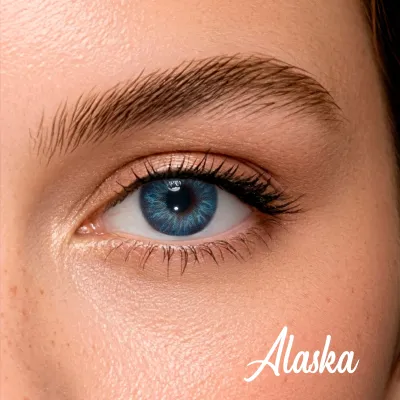
Claro Alaska - Colored Contact Lenses
*{box-sizing:border-box;} .alaska-page{ width:100%; margin:0; padding:0; font-family:Arial,Helvetica,sans-serif; color:#34495e; line-height:…
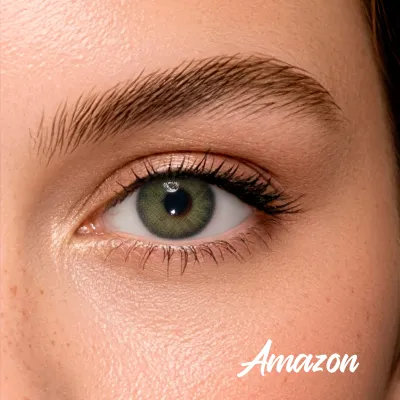
Claro Amazon - Colored Contact Lenses
*{box-sizing:border-box;} .amazon-page{ width:100%; margin:0; padding:0; font-family:Arial,Helvetica,sans-serif; color:#34495e; line-height:…
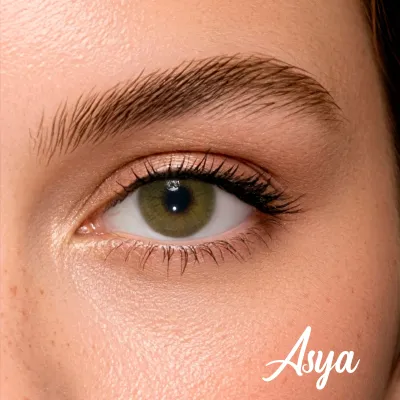
Claro Asya - Colored Contact Lenses
*{box-sizing:border-box;} .asya-page{ width:100%; margin:0; padding:0; font-family:Arial,Helvetica,sans-serif; color:#34495e; line-height:1.…
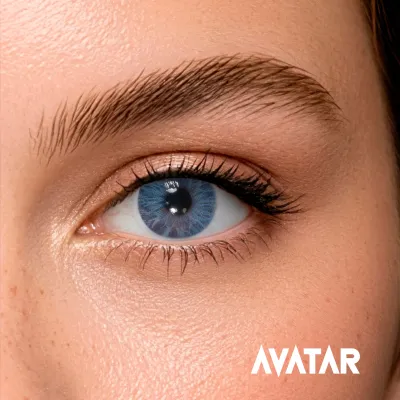
Claro Avatar - Colored Contact Lenses
*{box-sizing:border-box;} .avatar-page{ width:100%; margin:0; padding:0; font-family:Arial,Helvetica,sans-serif; color:#34495e; line-height:…
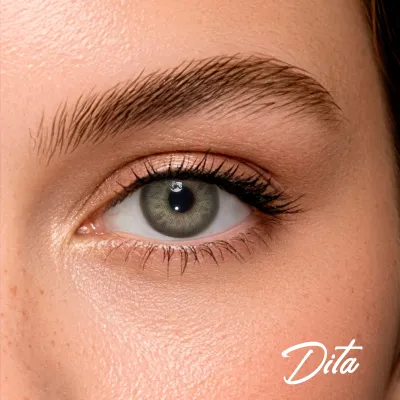
Claro Dita - Colored Contact Lenses
*{box-sizing:border-box;} .dita-page{ width:100%; margin:0; padding:0; font-family:Arial,Helvetica,sans-serif; color:#34495e; line-height:1.…
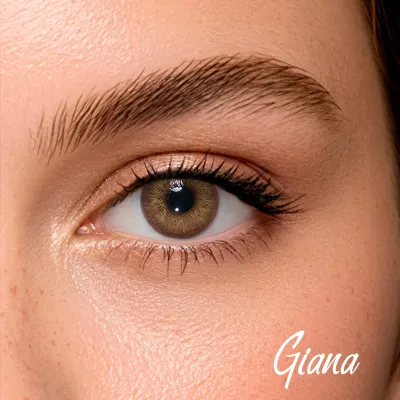
Claro Giana - Colored Contact Lenses
*{box-sizing:border-box;} .giana-page{ width:100%; margin:0; padding:0; font-family:Arial,Helvetica,sans-serif; color:#3b2a1d; line-height:1…
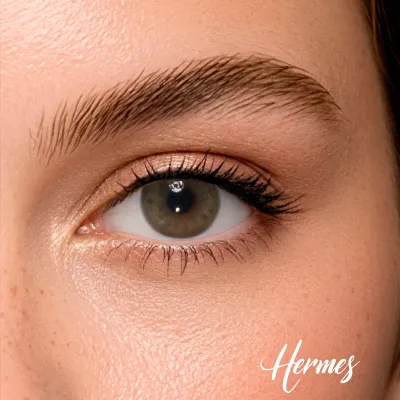
Claro Hermes - Colored Contact Lenses
*{box-sizing:border-box;} .hermes-page{ width:100%; margin:0; padding:0; font-family:Arial,Helvetica,sans-serif; color:#34495e; line-height:…
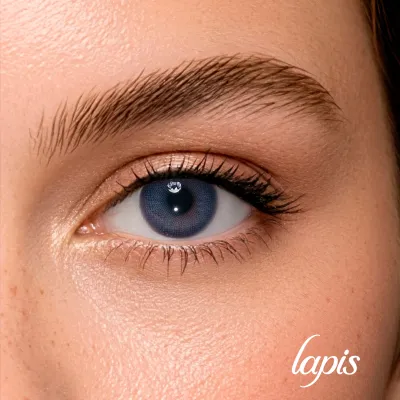
Claro Lapis - Colored Contact Lenses
*{box-sizing:border-box;} .lapis-page{ width:100%; margin:0; padding:0; font-family:Arial,Helvetica,sans-serif; color:#34495e; line-height:1…