



Understanding the Appeal of Golden Hues
The desire to alter or enhance one's natural eye color has led to a significant surge in the popularity of colored contact lenses. Among the myriad of shades available, honey-toned contacts stand out for their unique ability to impart a warm, inviting, and often sophisticated look. These lenses typically blend various shades of amber, gold, and light brown, creating a luminous effect that can range from subtly enhancing to dramatically transforming. The appeal lies in their versatility and the natural glow they bring to the wearer's eyes, making them a favored choice for both everyday wear and special occasions.
Why Golden Tones Captivate
Golden and honey tones have a timeless appeal, often associated with warmth, richness, and natural beauty. When applied to the eyes, these shades can brighten the gaze, making eyes appear larger and more expressive. They offer a softer alternative to bolder colors like blue or green, providing a harmonious blend that complements a wide array of complexions and hair colors. This captivating quality makes them a go-to option for individuals seeking a noticeable yet natural-looking enhancement.
Complementing Various Skin Tones
One of the remarkable aspects of honey-colored contact lenses is their ability to flatter diverse skin tones. For those with warmer undertones, the golden hues can beautifully synchronize with their complexion, creating a cohesive and natural radiance. Individuals with cooler undertones might find that honey contacts introduce a pleasant warmth, adding depth and contrast that can be quite striking. The key is often in selecting the right intensity and pattern, ensuring the lenses enhance rather than overpower the wearer's natural features. This adaptability contributes significantly to their widespread appeal across different demographics.
Exploring Different Types of Color-Enhancing Lenses
When considering a change to your eye color, it's essential to understand the various types of colored contact lenses available. These products are designed with different levels of opacity and color patterns to achieve distinct effects, from subtle enhancements to complete transformations. Knowing the differences will help you make an informed choice that aligns with your desired look and comfort needs.
Enhancement Tints vs. Opaque Tints
- Enhancement Tints: These lenses feature a translucent color that is designed to intensify your natural eye color. They work best on lighter eyes, adding depth and a subtle shift in shade. For instance, a honey enhancement tint on light blue or green eyes could create a unique golden-green or amber effect. They do not drastically change the eye color but rather enhance its existing beauty.
- Opaque Tints: In contrast, opaque colored contact lenses are designed to completely cover your natural eye color, allowing for a dramatic transformation. These lenses are suitable for all eye colors, including very dark ones. Honey opaque tints will entirely replace your natural eye color with a vibrant honey shade, regardless of your original eye pigment. They are ideal for those seeking a significant change.
Daily, Weekly, and Monthly Options
Colored contact lenses, including honey shades, are available in various wearing schedules to suit different lifestyles:
- Daily Disposable Lenses: These are worn for a single day and then discarded. They offer the highest level of hygiene and convenience, as no cleaning or storage is required. They are excellent for occasional use or for those who prioritize ease of care.
- Weekly and Monthly Lenses: These lenses are designed for extended use, typically for one to two weeks or up to a month, respectively. They require daily cleaning, disinfection, and proper storage in a contact lens case with fresh solution. While they offer cost-effectiveness for regular wearers, they demand a commitment to a strict hygiene routine to maintain eye health.
Choosing the Right Shade and Design for Your Eyes
Selecting the perfect pair of honey-colored contact lenses involves more than just picking a color. It requires considering your natural eye color, the specific design patterns of the lenses, and the occasions for which you intend to wear them. A thoughtful approach ensures that your chosen lenses complement your features and achieve the desired aesthetic.
Considering Your Natural Eye Color
Your natural eye color plays a crucial role in how honey contacts will appear. If you have light eyes (blue, green, light brown), an enhancement tint might be sufficient to add a golden glow. The honey color will blend with your existing pigment, creating a unique, nuanced shade. For dark eyes (dark brown, black), opaque honey tints are usually necessary to achieve a noticeable color change. These lenses are designed to completely mask your natural color, providing a vibrant and consistent honey shade.
Pattern and Limbal Ring Effects
Beyond the primary color, the design pattern of the lens significantly impacts its final look. Many colored contact lenses feature intricate patterns that mimic the iris's natural texture, making the color change appear more realistic. A "limbal ring" – a dark circle around the outer edge of the iris – is a common design element. Lenses with a prominent limbal ring can make the eyes appear larger, more defined, and youthful. Those without a limbal ring tend to offer a softer, more subtle transition. Consider whether you prefer a bold, doll-like effect or a more understated enhancement.
Matching Lenses to Occasions
Think about when and where you plan to wear your honey-toned contacts. For daily wear in professional or casual settings, a more subtle honey shade or an enhancement tint might be appropriate. For special events, parties, or theatrical purposes, a more vibrant opaque honey lens with a distinct pattern could create a striking impression. Having different pairs for different occasions allows for greater versatility in expressing your personal style.
Safety and Proper Usage Guidelines for Cosmetic Lenses
While colored contact lenses offer an exciting way to change your look, eye health and safety must always be the top priority. Misuse or improper care of any contact lens, including cosmetic ones, can lead to serious eye infections, irritation, and even permanent vision damage. Adhering to professional guidance and strict hygiene practices is paramount.
The Importance of a Prescription
It is a common misconception that non-corrective (plano) colored contact lenses do not require a prescription. However, all contact lenses, whether they correct vision or are purely cosmetic, are medical devices. They must be properly fitted by an eye care professional to ensure they match the curvature and size of your eye. An ill-fitting lens can cause discomfort, abrasions, and restrict oxygen flow to the cornea, leading to severe complications. Always obtain a valid prescription from an optometrist or ophthalmologist, even if you have perfect vision.
Hygiene Practices for Contact Lenses
Maintaining impeccable hygiene is critical for safe contact lens wear:
- Wash Hands: Always wash your hands thoroughly with soap and water and dry them with a lint-free towel before handling your lenses.
- Use Fresh Solution: Never reuse old solution. Always use fresh, sterile contact lens solution each time you store your lenses.
- Clean Case Regularly: Clean your contact lens case with fresh solution, let it air dry, and replace it every three months.
- Never Use Tap Water: Tap water contains microorganisms that can cause severe eye infections. Never rinse or store lenses in tap water.
- Follow Wearing Schedule: Adhere strictly to the recommended wearing schedule (daily, weekly, monthly) and never wear lenses past their expiration date.
Recognizing Potential Complications
Be aware of the signs of potential eye problems and seek immediate professional help if you experience any of the following:
- Redness or irritation
- Persistent discomfort or pain
- Blurred vision or sensitivity to light
- Excessive tearing or discharge
These symptoms could indicate an infection or other serious eye condition that requires prompt medical attention.
Maintenance and Care for Optimal Lens Longevity
Proper maintenance is crucial not only for the longevity of your honey-toned colored contact lenses but, more importantly, for the health and safety of your eyes. A consistent and correct care routine ensures that your lenses remain clean, comfortable, and free from harmful contaminants.
Cleaning and Storing Your Lenses
For reusable lenses (weekly or monthly), a meticulous cleaning and storage regimen is essential:
- Rub and Rinse: After removing your lenses, place one in the palm of your hand, add a few drops of fresh, sterile contact lens solution, and gently rub it with your finger for about 10-20 seconds. This helps dislodge any debris or protein buildup.
- Rinse Thoroughly: Rinse the lens thoroughly with more fresh solution to wash away loosened particles.
- Store in Fresh Solution: Place the cleaned lens in its designated compartment in a clean contact lens case, filling the compartment with fresh solution. Repeat the process for the other lens.
- Soak Time: Allow the lenses to soak for the recommended duration (usually at least four to six hours, or overnight) to ensure proper disinfection.
Recommended Solution Types
Always use a multi-purpose solution recommended by your eye care professional. These solutions are formulated to clean, rinse, disinfect, and store soft contact lenses. Avoid using saline solution for cleaning or disinfection, as it is only for rinsing and does not contain disinfecting agents. Peroxide-based systems are also available but require specific handling instructions and are generally not recommended for beginners.
When to Replace Your Contacts
Adhering to the replacement schedule is non-negotiable. Whether your honey contacts are daily, weekly, or monthly, replace them as instructed by the manufacturer and your eye care specialist. Over-wearing lenses can lead to protein and lipid buildup, reduced oxygen permeability, and increased risk of infection. Even if lenses feel comfortable, their material degrades over time, making them unsafe past their recommended lifespan. Always have a fresh pair ready.
Where to Purchase Quality Colored Contact Lenses
When you decide to purchase honey eye contacts or any other colored contact lenses, it's vital to prioritize quality and authenticity. The market offers various options, but not all sources are reliable. Ensuring you buy from reputable vendors is a critical step in protecting your eye health and getting a product that meets safety standards.
Authorized Retailers and Online Stores
The safest places to purchase colored contact lenses are from authorized optical retailers, licensed optometrists, or reputable online stores that require a valid prescription. These sources are legally bound to sell FDA-approved or equivalent regulatory-approved products and adhere to strict quality controls. They often provide customer support and guidance, ensuring you receive the correct product for your needs. Be wary of unauthorized sellers, beauty supply stores, or novelty shops that sell contacts without requiring a prescription, as these products may be counterfeit, non-sterile, or made from inferior materials.
Verifying Product Authenticity
Before making a purchase, take steps to verify the authenticity of the product. Check for:
- FDA Approval: Ensure the lenses are approved by the relevant health authorities (e.g., FDA in the U.S., CE Mark in Europe). This information is usually found on the packaging.
- Manufacturer Information: Legitimate lenses will have clear manufacturer details, batch numbers, and expiration dates.
- Sealed Packaging: Lenses should come in sealed, tamper-evident packaging.
- Professional Consultation: A reputable seller will always emphasize the need for an eye exam and prescription.
Investing in quality lenses from a trusted source is an investment in your eye health and ensures you enjoy the aesthetic benefits of your honey-toned contacts without compromise.
Common Questions About Cosmetic Lenses
Many individuals have questions when considering colored contact lenses for the first time. Addressing these common queries can help clarify doubts and ensure a smoother experience with your new honey eye contacts.
Can I Wear Them Without Vision Correction?
Yes, you can absolutely wear honey-toned contact lenses even if you have perfect vision. These are often referred to as "plano" or "non-corrective" lenses, meaning they do not have any power to correct refractive errors. However, as previously emphasized, even plano lenses are medical devices and still require a professional eye examination and a valid prescription from an eye care specialist. This ensures the lenses fit properly and do not harm your eyes.
Are They Comfortable for Extended Wear?
The comfort of colored contact lenses, including honey shades, depends on several factors: the quality of the lens material, proper fit, and individual eye sensitivity. High-quality lenses made from breathable materials are generally comfortable for extended wear, provided they are worn according to the recommended schedule and proper care is followed. If you experience any discomfort, dryness, or irritation, it's crucial to remove the lenses and consult your eye care professional. They might recommend a different brand, material, or wearing schedule.
How Long Do Honey-Colored Contacts Last?
The lifespan of honey-colored contacts varies significantly based on their type. Daily disposables are meant for one-time use and should be discarded after a single wear. Weekly lenses typically last for one to two weeks, and monthly lenses for about 30 days, provided they are cleaned and stored correctly each day. It is imperative to adhere to these replacement schedules, regardless of how comfortable the lenses still feel, to prevent eye health issues and ensure optimal performance.
Sıkça Sorulan Sorular
Do I need a prescription for cosmetic lenses with a honey tint?
How do I choose the right honey shade for my eyes?
Are honey-colored contacts safe to wear daily?
What is the best way to care for my colored contact lenses?
How long do honey-colored contacts typically last?
Konuyla ilgili öne çıkan ürünler
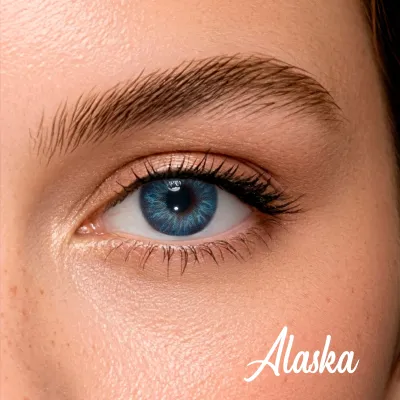
Claro Alaska - Colored Contact Lenses
*{box-sizing:border-box;} .alaska-page{ width:100%; margin:0; padding:0; font-family:Arial,Helvetica,sans-serif; color:#34495e; line-height:…
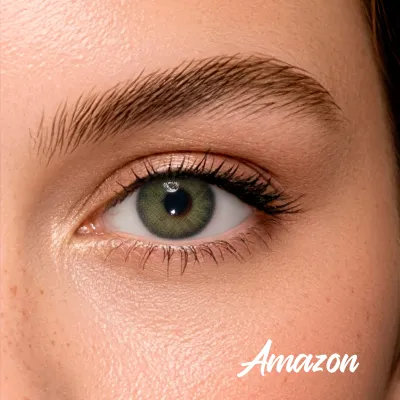
Claro Amazon - Colored Contact Lenses
*{box-sizing:border-box;} .amazon-page{ width:100%; margin:0; padding:0; font-family:Arial,Helvetica,sans-serif; color:#34495e; line-height:…
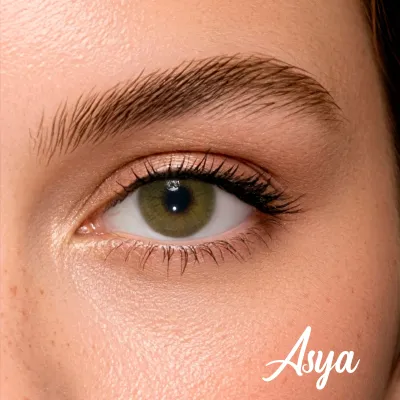
Claro Asya - Colored Contact Lenses
*{box-sizing:border-box;} .asya-page{ width:100%; margin:0; padding:0; font-family:Arial,Helvetica,sans-serif; color:#34495e; line-height:1.…
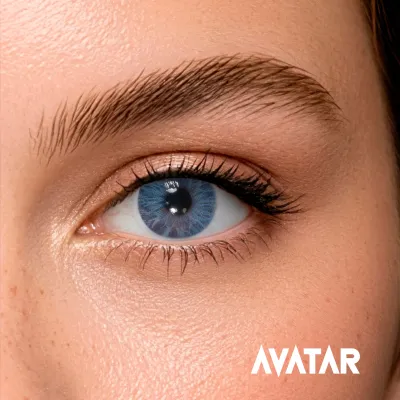
Claro Avatar - Colored Contact Lenses
*{box-sizing:border-box;} .avatar-page{ width:100%; margin:0; padding:0; font-family:Arial,Helvetica,sans-serif; color:#34495e; line-height:…
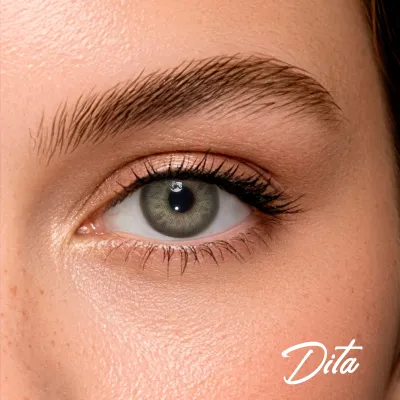
Claro Dita - Colored Contact Lenses
*{box-sizing:border-box;} .dita-page{ width:100%; margin:0; padding:0; font-family:Arial,Helvetica,sans-serif; color:#34495e; line-height:1.…
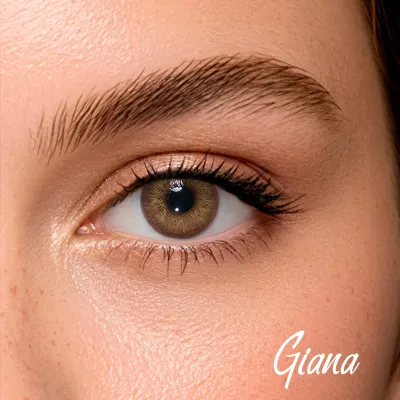
Claro Giana - Colored Contact Lenses
*{box-sizing:border-box;} .giana-page{ width:100%; margin:0; padding:0; font-family:Arial,Helvetica,sans-serif; color:#3b2a1d; line-height:1…
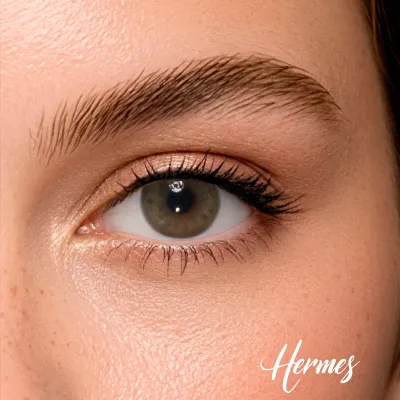
Claro Hermes - Colored Contact Lenses
*{box-sizing:border-box;} .hermes-page{ width:100%; margin:0; padding:0; font-family:Arial,Helvetica,sans-serif; color:#34495e; line-height:…
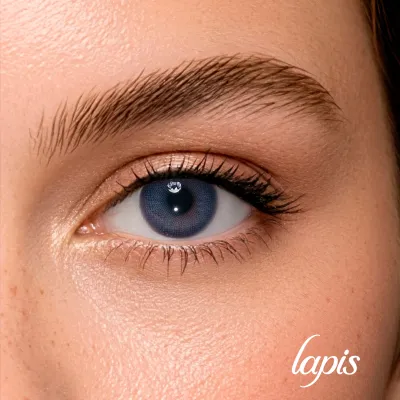
Claro Lapis - Colored Contact Lenses
*{box-sizing:border-box;} .lapis-page{ width:100%; margin:0; padding:0; font-family:Arial,Helvetica,sans-serif; color:#34495e; line-height:1…