



Colored contact lenses offer a transformative way to enhance or completely change your natural eye color, providing a unique avenue for self-expression. Whether you're looking for a subtle enhancement for everyday wear, a dramatic shift for a special occasion, or a theatrical effect for costumes, the market for colored contact lenses is vast and varied. However, navigating this market requires careful consideration of safety, prescription accuracy, and proper care to ensure both stunning aesthetics and optimal eye health.
This guide aims to equip you with the knowledge needed to make informed decisions when seeking to acquire colored contact lenses. We'll delve into the different types available, the crucial role of professional eye care, and best practices for purchasing and maintaining your lenses. Remember, colored contacts are medical devices, even if they don't correct vision, and should always be treated with the utmost care and respect for your eye health.
Exploring Different Styles of Eye Color Enhancement
The world of colored contact lenses offers a spectrum of choices, each designed to achieve a specific visual effect. Understanding these distinctions is key to selecting the perfect pair that aligns with your desired look and lifestyle.
Opaque vs. Enhancement Tints
- Opaque Tints: These lenses feature a solid, non-transparent color that completely covers your natural eye color. They are ideal for individuals with dark eyes who wish to achieve a lighter or entirely different eye color, such as vibrant blues, greens, or grays. Opaque lenses offer the most dramatic transformation.
- Enhancement Tints: Designed to intensify your natural eye color, these lenses are translucent. They work best on lighter-colored eyes, adding depth and definition without drastically altering the original hue. Enhancement tints can make blue eyes appear bluer, or green eyes more vibrant, often with a limbal ring to create a larger, more defined iris.
Daily, Weekly, and Monthly Options
Just like clear corrective lenses, colored contact lenses come in various wear schedules, each with its own advantages:
- Daily Disposables: The most hygienic option, these lenses are worn once and then discarded. They eliminate the need for cleaning and storage, making them perfect for occasional wear or for those prone to allergies.
- Bi-Weekly or Monthly Disposables: These lenses are designed for extended use, typically for two weeks or one month, respectively. They require daily cleaning, disinfection, and proper storage in a contact lens case. They offer a balance between convenience and cost-effectiveness for regular wearers.
Special Effects and Theatrical Designs
Beyond natural-looking colors, there's a specialized category of colored contact lenses for special effects, theatrical performances, or costume parties. These can range from cat eyes and zombie eyes to intricate patterns and glow-in-the-dark designs. While visually striking, these lenses often have different material properties and wear schedules, and their use should always be supervised by an eye care professional to ensure safety.
Essential Considerations Before Acquiring Cosmetic Lenses
Before you even think about the color or style, there are critical health and safety factors that must take precedence. Colored contact lenses are medical devices, and improper use can lead to serious eye complications.
The Importance of a Valid Prescription
It is a legal and health requirement to have a valid prescription from an eye care professional for all contact lenses, including those that do not correct vision (plano lenses). An optometrist or ophthalmologist will conduct a comprehensive eye exam to determine if you are a suitable candidate for contact lens wear. They will also measure your eyes to ensure a proper fit, which is crucial for comfort and preventing damage.
Understanding Base Curve and Diameter
A contact lens isn't a one-size-fits-all product. Your prescription will include specific measurements for the base curve (BC) and diameter (DIA) of your eyes. The base curve refers to the curvature of the lens, which must match the curvature of your cornea for a snug yet comfortable fit. The diameter is the width of the lens, ensuring it covers the entire cornea without impinging on the surrounding eye tissue. An ill-fitting lens can cause discomfort, blurred vision, corneal abrasions, and even infections.
Material and Breathability Factors
Modern colored contact lenses are made from various materials, primarily hydrogel or silicone hydrogel. Silicone hydrogel lenses are generally more breathable, allowing more oxygen to reach the cornea, which is vital for eye health. Your eye care professional will recommend the best material based on your eye's needs, sensitivity, and tear film quality. Always prioritize lenses that offer high oxygen permeability to prevent hypoxia-related complications.
Navigating the Online Marketplace for Eye Color Products
Once you have your valid prescription, the convenience of online shopping makes it easy to find and purchase colored contact lenses. However, it's paramount to exercise caution and choose reputable sources to protect your eye health.
Identifying Reputable Retailers
When looking to acquire colored contact lenses online, always choose retailers that require a valid prescription. Legitimate online stores will ask for your eye doctor's information to verify your prescription or require you to upload a copy. Avoid websites that offer to sell lenses without a prescription, as these are often selling unregulated or counterfeit products that can be extremely dangerous. Look for retailers with clear return policies, customer service options, and positive reviews from verified buyers.
Checking for Authenticity and Certifications
Ensure that the colored contact lenses you purchase are from well-known, established brands. Reputable manufacturers adhere to strict quality control standards and have necessary certifications from health authorities (e.g., FDA in the U.S., CE mark in Europe). Counterfeit lenses may use inferior materials, unsafe dyes, or improper manufacturing processes, leading to severe eye infections, allergic reactions, or permanent damage. Always check the packaging for brand authenticity and expiration dates upon arrival.
Comparing Prices and Shipping Policies
While price is a factor, it should not be the sole determinant. Compare prices across several reputable online retailers, but be wary of deals that seem too good to be true. Factor in shipping costs and delivery times. Some retailers offer subscription services or bulk discounts that can be cost-effective in the long run. Always read the fine print regarding shipping insurance, tracking, and international delivery if applicable.
Proper Care and Maintenance for Your Eye Enhancers
Regardless of the type of colored contact lenses you choose, diligent care and hygiene are non-negotiable for maintaining eye health and extending the life of your lenses.
Hygiene Practices for Insertion and Removal
Before handling your colored contact lenses, always wash your hands thoroughly with soap and water and dry them with a lint-free towel. This prevents the transfer of bacteria and debris to your eyes. When inserting, ensure the lens is not inside out. For removal, gently pinch the lens between your thumb and forefinger. Always follow your eye care professional's specific instructions for insertion and removal techniques.
Recommended Cleaning Solutions and Storage
For reusable colored contact lenses, a multi-purpose cleaning solution recommended by your eye doctor is essential. Never use tap water, saliva, or homemade solutions, as these can introduce harmful microorganisms. Rub and rinse your lenses thoroughly after each use, and store them in a clean, fresh solution in a sterile contact lens case. Replace your contact lens case every three months to prevent bacterial buildup.
Recognizing Signs of Irritation or Infection
Pay close attention to how your eyes feel while wearing colored contact lenses. Any signs of redness, persistent discomfort, excessive tearing, blurred vision, light sensitivity, or discharge warrant immediate removal of the lenses and consultation with an eye care professional. These symptoms could indicate an infection or other serious complication that requires prompt medical attention. Never try to self-diagnose or treat eye issues.
Frequently Asked Questions About Eye Color Changing Lenses
Many individuals have common queries when considering colored contact lenses. Addressing these can help clarify concerns and reinforce safe practices. Remember that personalized advice should always come from your eye care specialist.
- Can I share my colored contact lenses with friends? Absolutely not. Sharing contact lenses, even for cosmetic purposes, is extremely dangerous and can transmit serious eye infections. Lenses are medical devices fitted specifically for an individual's eye.
- Is it safe to wear colored contacts every day? Yes, if they are prescribed by an eye care professional, properly fitted, and you follow all wear and care instructions. Daily disposable colored contact lenses are often recommended for daily wear due to their superior hygiene.
- How long do colored contact lenses last? This depends on their prescribed wear schedule. Daily disposables are for one use, bi-weekly for two weeks, and monthly for one month. Never wear lenses beyond their recommended replacement schedule, even if they feel comfortable.
- Can colored contacts correct my vision? Many colored contact lenses are available with prescription powers to correct nearsightedness or farsightedness. However, plano (non-corrective) colored contacts are also widely available for those who only desire a cosmetic change. Your eye doctor will specify the correct type for you.
Acquiring colored contact lenses can be an exciting journey into personal style and expression. By prioritizing eye health, consulting with an eye care professional, and adhering to strict hygiene practices, you can enjoy the aesthetic benefits of these unique medical devices safely and comfortably. Always remember that your vision and eye health are paramount, so choose wisely and care diligently.
Sıkça Sorulan Sorular
Do I need a prescription to buy colored contact lenses?
How do I choose the right color and style for my eyes?
What are the key safety tips for wearing colored contacts?
How often should I replace my colored contact lenses?
Can I sleep while wearing colored contact lenses?
Konuyla ilgili öne çıkan ürünler
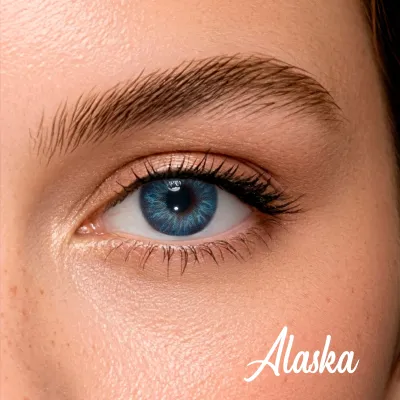
Claro Alaska - Colored Contact Lenses
*{box-sizing:border-box;} .alaska-page{ width:100%; margin:0; padding:0; font-family:Arial,Helvetica,sans-serif; color:#34495e; line-height:…
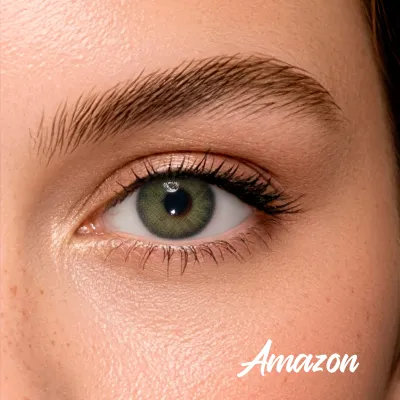
Claro Amazon - Colored Contact Lenses
*{box-sizing:border-box;} .amazon-page{ width:100%; margin:0; padding:0; font-family:Arial,Helvetica,sans-serif; color:#34495e; line-height:…
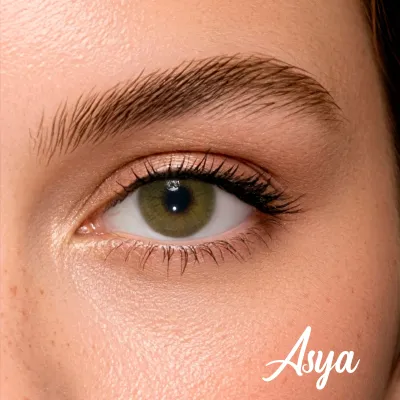
Claro Asya - Colored Contact Lenses
*{box-sizing:border-box;} .asya-page{ width:100%; margin:0; padding:0; font-family:Arial,Helvetica,sans-serif; color:#34495e; line-height:1.…
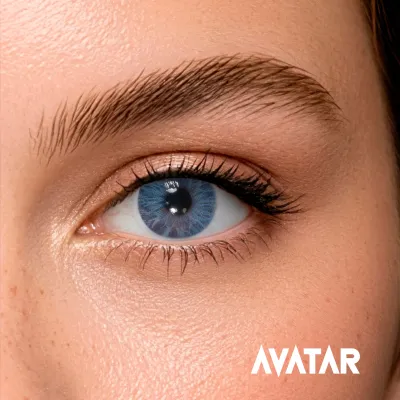
Claro Avatar - Colored Contact Lenses
*{box-sizing:border-box;} .avatar-page{ width:100%; margin:0; padding:0; font-family:Arial,Helvetica,sans-serif; color:#34495e; line-height:…
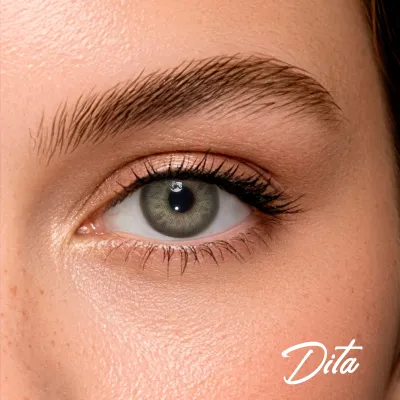
Claro Dita - Colored Contact Lenses
*{box-sizing:border-box;} .dita-page{ width:100%; margin:0; padding:0; font-family:Arial,Helvetica,sans-serif; color:#34495e; line-height:1.…
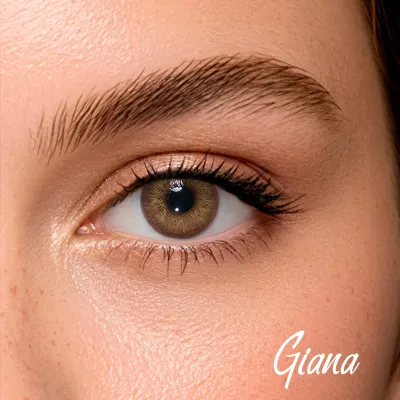
Claro Giana - Colored Contact Lenses
*{box-sizing:border-box;} .giana-page{ width:100%; margin:0; padding:0; font-family:Arial,Helvetica,sans-serif; color:#3b2a1d; line-height:1…
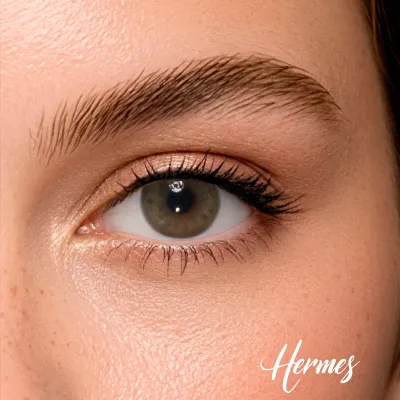
Claro Hermes - Colored Contact Lenses
*{box-sizing:border-box;} .hermes-page{ width:100%; margin:0; padding:0; font-family:Arial,Helvetica,sans-serif; color:#34495e; line-height:…
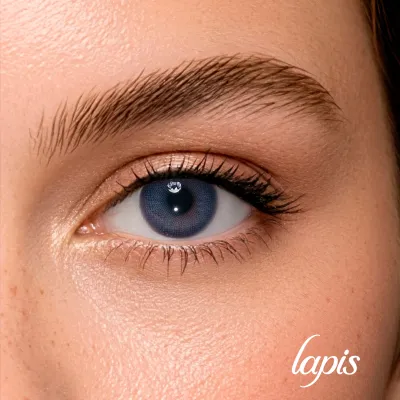
Claro Lapis - Colored Contact Lenses
*{box-sizing:border-box;} .lapis-page{ width:100%; margin:0; padding:0; font-family:Arial,Helvetica,sans-serif; color:#34495e; line-height:1…