


-36x36.png)

How to Choose Colored Contact Lenses for Your Eye Color
Category
-50x50.png "Brands")


How to Choose Colored Contact Lenses for Your Eye Color
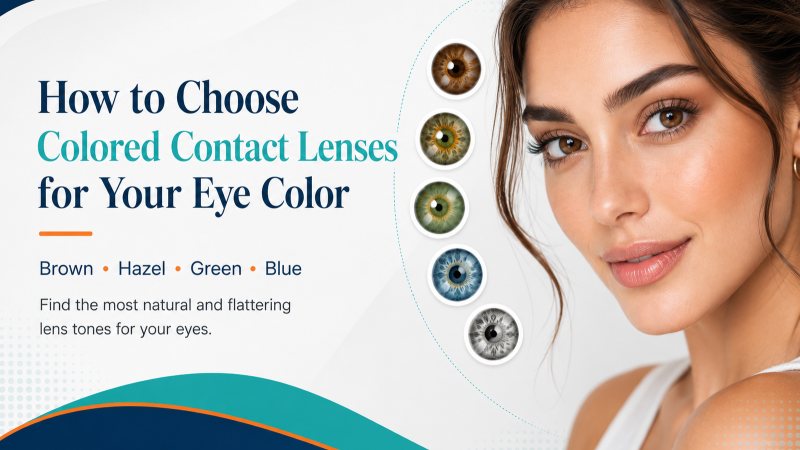
Brown, hazel, green or blue eyes? Learn how your natural eye color can influence the final look of colored contact lenses.
The same colored contact lens can look different from person to person. Your natural iris color, lens opacity, pattern, limbal ring, lighting and even makeup can influence the final result. Instead of choosing a shade only from a product photo, it helps to understand how different color families may interact with your natural eye color.
Why Your Natural Eye Color Matters
Colored contact lenses do not always completely replace the appearance of your natural iris. Depending on the design, some lenses blend with the eye underneath while others create a more defined color change.
Natural Iris Color
Darker eyes may need stronger opacity for a clearly visible color change, while lighter eyes may show more blending.
Lens Pattern
Inner-veined, blended and multi-tone patterns can create very different results even within the same color family.
Limbal Ring
A defined outer ring can make the iris look more noticeable, while ring-free designs usually create a softer transition.
Best Colored Contact Lens Shades for Brown Eyes
Brown eyes provide a warm base that can work well with both natural-looking and high-contrast colored lenses. The final effect depends strongly on the opacity and pattern of the lens.
Green
Green lenses can create a fresh contrast over brown eyes. Olive, moss and deeper green tones often produce a softer transition, while brighter greens create a more noticeable change.
Hazel
Hazel tones often blend naturally with warm brown eyes because they combine brown, gold and green influences.
Grey
Grey can cool the overall appearance of brown eyes. Soft grey creates a subtle effect, while smoky or defined grey can produce stronger contrast.
Blue
Blue lenses create one of the strongest contrasts on brown eyes. Ice blue and dark blue can produce very different results depending on the lens design.
Best Colored Contact Lens Shades for Hazel Eyes
Hazel eyes already contain a mixture of warm and cool tones, which makes them especially versatile for colored contact lenses.
Green for a Natural Shift
Green lenses can emphasize the natural green elements already present in hazel eyes.
Hazel & Brown for Warmth
Warm hazel and brown tones can enhance the golden or amber elements in the iris.
Grey for a Cooler Look
Grey can reduce the warm appearance of hazel eyes and create a more neutral or smoky finish.
Best Colored Contact Lens Shades for Green Eyes
Green eyes can be enhanced with similar tones or transformed with contrasting shades.
Green-on-Green
Choosing another green tone can make the eye appear brighter, deeper or more olive depending on the lens pattern.
Hazel & Brown
Warm hazel and brown tones can soften green eyes and create a warmer, more earthy appearance.
Grey
Grey lenses may create a soft, muted transformation and can work well for people who prefer a cooler appearance.
Blue
Blue lenses can shift green eyes toward aqua, blue-green or a more visibly blue result depending on opacity.
Best Colored Contact Lens Shades for Blue Eyes
Because blue eyes are generally lighter, colored lenses may blend more noticeably with the natural iris underneath.
Blue for More Depth
Different blue tones can intensify the existing eye color or shift it toward ice blue, aqua or deeper blue.
Green for a Blue-Green Effect
Green lenses may blend with blue eyes to create a fresh aqua or turquoise-influenced appearance.
Grey for a Softer Change
Grey can mute bright blue eyes and create a more neutral, smoky result.
Natural-Looking or More Defined?
For a Natural Look
Look for soft transitions, blended patterns and shades that stay relatively close to your natural eye color. Ring-free designs can also create a softer iris edge.
For a More Defined Look
Choose stronger contrast, more opaque color and a visible limbal ring if you prefer the iris to stand out more clearly.
Limbal Ring vs Ring-Free Colored Contact Lenses
Explore CLARO® & ROCIO® Colored Contact Lenses
CLARO®
CLARO® offers a broad annual colored contact lens collection with green, blue, hazel, brown and grey options. The range includes both softer and more defined looks.
Alaska · Amazon · Asya · Avatar · Dita · Giana · Hermes · Lapis · Lizz · Luke · Melinda · Ocre · Onix · Optimus · Orion · Pera · Santana · Sirius · Vesta · Wolf
Explore CLARO®ROCIO®
ROCIO® offers 3-month colored contact lenses across green, blue, hazel, brown and grey families, with both limbal-ring and ring-free designs.
Amon · Ares · Bianca · Costar · Erica · Eva · Helen · Karen · Nova · Rigel · Simone · Vinter
Explore ROCIO®Why Can the Same Colored Contact Lens Look Different on Different People?
Product images are useful references, but they cannot guarantee an identical result on every wearer. Several factors can change the final appearance:
How to Choose Your Colored Contact Lens
Start with Your Natural Eye Color
Think about whether you want to enhance your current color or create a stronger transformation.
Choose a Color Family
Compare green, blue, hazel, brown and grey options based on the type of contrast you want.
Choose the Pattern
Decide between a softer ring-free appearance and a more defined limbal-ring look.
Check the Replacement Schedule
Choose a lens type whose replacement schedule fits your routine, such as 3-month or annual lenses.
Use the Correct Prescription
Colored contact lenses should be selected according to your eye examination, prescription and professional advice, not by color alone.
Frequently Asked Questions
What colored contact lenses look best on brown eyes?
Green, hazel, grey and blue can all work on brown eyes. The best option depends on whether you want a natural blend or a stronger contrast and on the opacity of the lens.
Do colored contact lenses look the same on everyone?
No. Natural iris color, pattern, lens opacity, lighting and other visual factors can change how the same lens appears.
Are ring-free colored contact lenses more natural-looking?
Ring-free designs usually create a softer iris edge, but the final result also depends on the color, pattern and your natural eye color.
Should I choose colored contact lenses only by color?
No. Contact lenses should also match your prescription and fitting requirements. An eye examination and professional guidance are important.
What is the difference between CLARO® and ROCIO® colored contact lenses?
CLARO® is an annual colored contact lens collection, while ROCIO® is a 3-month colored contact lens collection. Both include multiple color families and different visual effects.
Find the Colored Contact Lens Look That Suits You
Compare color families, patterns and replacement schedules, then choose your lenses according to your prescription and professional eye-care guidance.
Leave a Comment