
No products in the cart.
Return To Shop
Silicone Hydrogel vs Hydrogel Color Lenses: Your Best Fit
Choosing Your Perfect Hue: Silicone Hydrogel vs Hydrogel Color Lenses
AI Ozeti
This article provides an in-depth comparison between silicone hydrogel and hydrogel color lenses, crucial for anyone seeking to enhance their eye color with comfort and safety. It details the unique properties, pros, and cons of each material, focusing on factors like oxygen permeability, water content, and wear time. The guide also offers practical advice on choosing the right lens material based on lifestyle and eye health, highlighting Opticzade's commitment to quality in its diverse range of colored contact lenses.
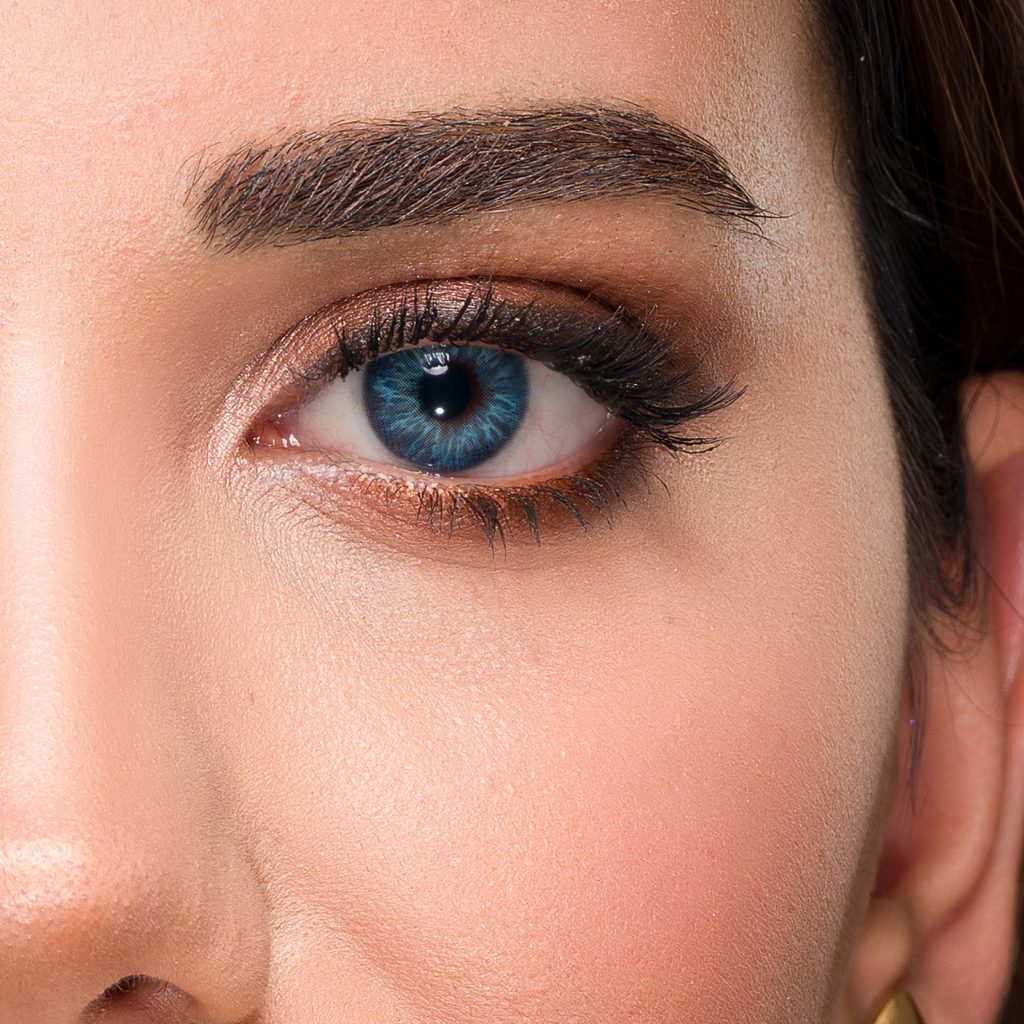
When it comes to enhancing your natural eye color or transforming your look entirely, colored contact lenses offer an exciting avenue for self-expression. However, beneath the captivating hues lies a critical choice: the lens material. Understanding the fundamental differences between silicone hydrogel vs hydrogel color lenses is paramount for ensuring not only stunning aesthetics but also optimal eye health and comfort. At Opticzade, we believe informed choices lead to the best experiences, which is why we’ve prepared this comprehensive guide to help you navigate these two popular materials.
Understanding Hydrogel Color Lenses: The Classic Choice
Hydrogel lenses represent the traditional standard in contact lens technology. Introduced decades ago, these lenses are made from a type of plastic polymer that has a natural affinity for water. This water content is what makes them soft and flexible, allowing them to conform comfortably to the eye’s surface. For many years, hydrogel was the go-to material for both clear and colored lenses, offering a reliable and affordable option for vision correction and cosmetic enhancement.
What are Hydrogel Lenses?
Hydrogel materials, specifically HEMA (hydroxyethyl methacrylate) and its derivatives, are designed to absorb and retain water. This water content is crucial because it’s the primary pathway for oxygen to reach the cornea. The higher the water content in a hydrogel lens, the more oxygen it can theoretically transmit to the eye. However, this also means that as the lens dries out throughout the day, its oxygen permeability can decrease, potentially leading to discomfort or dryness.
Pros of Hydrogel Color Lenses
- Natural Comfort: Many users find hydrogel lenses immediately comfortable upon insertion due to their softness and high water content.
- Affordability: Generally, hydrogel lenses are more cost-effective than their silicone hydrogel counterparts, making them an accessible option for many.
- Established Technology: With a long history of use, hydrogel lenses are a well-understood and proven technology.
- Vibrant Color Pigmentation: The structure of hydrogel often allows for excellent integration of color pigments, leading to vivid and striking color changes, as seen in popular options like the Cosmetic lens Alaska, known for its rich, expressive tones.
Cons of Hydrogel Color Lenses
- Lower Oxygen Permeability: Compared to silicone hydrogel, traditional hydrogel lenses offer less oxygen transmission. This can be a concern for extended wear or for individuals with sensitive eyes, potentially leading to redness or irritation over long periods.
- Prone to Dryness: As water evaporates from the lens surface, hydrogel lenses can lose moisture, leading to a feeling of dryness, especially in arid environments or with prolonged screen time.
- Limited Wear Time: Due to lower oxygen flow and potential for dryness, hydrogel lenses typically have shorter recommended wear times, usually 8-12 hours.
Exploring Silicone Hydrogel Color Lenses: The Modern Innovation
Silicone hydrogel lenses represent a significant advancement in contact lens technology. Developed to address the limitations of traditional hydrogel, these lenses incorporate silicone into the hydrogel material. Silicone is highly permeable to oxygen, meaning it can allow much more oxygen to pass through the lens to the cornea, independent of the lens’s water content. This innovation has revolutionized contact lens wear, particularly for those seeking enhanced comfort and longer wear times.
What are Silicone Hydrogel Lenses?
By blending silicone with the water-loving hydrogel, manufacturers created a material that offers superior oxygen permeability while maintaining flexibility and comfort. This allows for lenses with lower water content to still deliver high levels of oxygen, reducing the risk of dryness and hypoxia-related issues. Brands like Alaska Lens and Amazon Lens have embraced this technology to offer advanced comfort in their Colored Lenses ranges.
Pros of Silicone Hydrogel Color Lenses
- Superior Oxygen Permeability: This is the primary advantage. Silicone hydrogel lenses allow significantly more oxygen to reach the eye, promoting better eye health and reducing the risk of hypoxia-related complications like redness and discomfort. This makes them ideal for longer wear, including some 3 Month Lenses and Annual Lenses designed for extended daily use.
- Enhanced Comfort for Extended Wear: Thanks to increased oxygen flow, these lenses often feel more comfortable for longer periods, even up to 14-16 hours for some individuals, depending on specific lens design and personal tolerance.
- Reduced Dryness: While they still contain water, the silicone component helps maintain lens hydration and stability, often leading to less dryness sensation throughout the day compared to traditional hydrogels.
- Improved Durability: Silicone hydrogel materials can sometimes be more robust, offering better resistance to tearing for certain lens designs.
Cons of Silicone Hydrogel Color Lenses
- Higher Cost: Generally, silicone hydrogel lenses are more expensive than hydrogel lenses due to the advanced materials and manufacturing processes.
- Potential for Deposit Buildup: The silicone component can sometimes be more prone to lipid deposits, requiring diligent cleaning and care.
- Slightly Stiffer Feel: Some users report that silicone hydrogel lenses can feel slightly less soft or flexible than traditional hydrogels, though this varies greatly by brand and individual sensitivity.
- Color Integration Challenges: Integrating vibrant color pigments into silicone hydrogel materials can be more complex than with hydrogels, although advancements continue to improve this aspect.
Silicone Hydrogel vs Hydrogel Color Lenses: A Direct Comparison
To truly understand which material might be best for your cosmetic lens needs, let’s break down the key differences between silicone hydrogel vs hydrogel color lenses across several critical factors.
| Feature | Hydrogel Color Lenses | Silicone Hydrogel Color Lenses |
|---|---|---|
| Oxygen Permeability | Lower, dependent on water content. | Significantly higher, less dependent on water content. Essential for eye health. |
| Water Content | High (often 50%+) for oxygen flow. | Can be lower (25-50%) while maintaining high oxygen due to silicone. |
| Comfort (Initial) | Often very soft and comfortable immediately. | Very comfortable, especially for extended wear; some may find them slightly less soft initially. |
| Comfort (Extended Wear) | May lead to dryness/discomfort over long periods. | Maintains comfort over longer periods due to better oxygen and hydration. |
| Wear Time | Shorter (e.g., 8-12 hours). | Longer (e.g., 12-16 hours, depending on product). |
| Cost | Generally more affordable. | Generally higher in price. |
| Deposit Resistance | More prone to protein deposits. | More prone to lipid deposits. |
For a deeper dive into contact lens materials and their impact on eye health, you can refer to resources like Wikipedia’s article on Hydrogels or the American Academy of Ophthalmology’s guide to contact lenses.
Making Your Choice: Which Material is Right for Your Colored Lenses?
The decision between silicone hydrogel and hydrogel colored lenses ultimately comes down to your individual needs, lifestyle, and eye physiology. There’s no single “best” option; rather, it’s about finding the best fit for you.
Lifestyle Factors and Wear Schedule
- If you wear your lenses for short periods (e.g., only for special occasions or a few hours a day) and prioritize initial softness and vibrant color, traditional hydrogel lenses like the Cosmetic lens Alaska might be an excellent choice. They are often available as 3 Month Lenses or Annual Lenses, offering flexibility.
- If you require longer wear times, work in air-conditioned environments, or experience dry eyes, the superior oxygen permeability and moisture retention of silicone hydrogel lenses are likely to be more beneficial. Consider options like Cosmetic lens Amazon, which often leverages silicone hydrogel for enhanced breathability and comfort throughout the day.
Eye Health and Sensitivity
Individuals with sensitive eyes or those prone to dryness often find silicone hydrogel lenses more comfortable due to their increased oxygen flow. However, some people might experience sensitivity to the silicone component itself, making traditional hydrogel a better fit. It’s always crucial to consult with an eye care professional, especially if you are considering Numbered Lenses for vision correction in addition to color, or even Unnumbered Lenses for purely cosmetic purposes.
Opticzade’s Commitment to Quality
At Opticzade, we understand the importance of both beauty and eye health. We offer a curated selection of Colored Lenses from reputable manufacturers, including various options in both hydrogel and silicone hydrogel materials. Whether you’re drawn to the captivating shades of Amber Color Lens or the subtle enhancements of other collections, we ensure that every product meets stringent quality standards. Our range includes popular choices like Cosmetic lens Amon, Cosmetic lens Ares, and Cosmetic lens Asya, each designed with comfort and visual appeal in mind. We are dedicated to providing transparent information, helping you choose lenses like Cosmetic lens Avatar, Cosmetic lens Amon, Cosmetic lens Bianca, or Cosmetic lens Costar with confidence, knowing you’re prioritizing your eyes.
Choosing between silicone hydrogel vs hydrogel color lenses is a personal journey. By understanding the unique properties of each material, you can make an informed decision that prioritizes both the stunning aesthetic you desire and the long-term health and comfort of your eyes. Always remember to follow your eye care professional’s recommendations for lens type, wear schedule, and care routine. Explore the diverse and high-quality range of Colored Contact Lenses available at Opticzade, where beauty meets clarity and comfort.
silicone hydrogel vs hydrogel color lenses ile ilgili icerikler
Sikca Sorulan Sorular
What is the main difference between silicone hydrogel and hydrogel color lenses?
The primary difference lies in oxygen permeability. Silicone hydrogel lenses allow significantly more oxygen to reach the eye due to the silicone component, which is crucial for eye health and extended comfort. Traditional hydrogel lenses rely solely on water content for oxygen flow, offering less breathability.
Which type of colored lens is better for dry eyes?
For individuals prone to dry eyes, silicone hydrogel color lenses are generally recommended. Their superior oxygen transmission and ability to maintain hydration often lead to greater comfort and less dryness sensation throughout the day compared to traditional hydrogel lenses.
Are silicone hydrogel color lenses more expensive than hydrogel ones?
Yes, typically, silicone hydrogel color lenses are more expensive than hydrogel lenses. This is due to the advanced materials and more complex manufacturing processes involved in creating lenses with superior oxygen permeability and comfort features.
Can I wear silicone hydrogel color lenses for longer periods?
Yes, silicone hydrogel color lenses are generally designed for longer wear times than traditional hydrogel lenses. Their high oxygen permeability helps maintain eye health and comfort for extended periods, often allowing for 12-16 hours of wear, depending on the specific product and individual tolerance. Always follow your eye care professional's advice.
Do I need a prescription for colored lenses, regardless of material?
Yes, absolutely. Even if you have perfect vision and are only seeking cosmetic lenses (Unnumbered Lenses), you still need a valid prescription from an eye care professional. Contact lenses are medical devices, and improper fit or material can lead to serious eye health issues. An eye exam ensures the correct base curve, diameter, and material for your eyes.
Onerilen Urunler
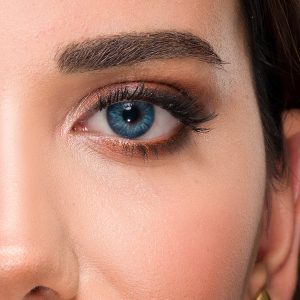
Cosmetic lens Alaska
Original price was: 70,00 €.60,00 €Current price is: 60,00 €.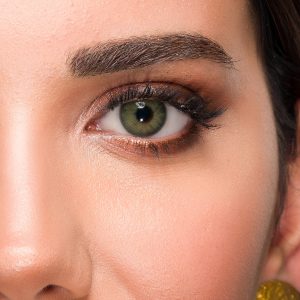
Cosmetic lens Amazon
Original price was: 70,00 €.60,00 €Current price is: 60,00 €.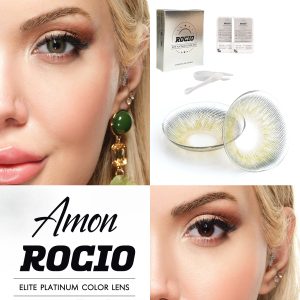
Cosmetic lens Amon
Original price was: 60,00 €.50,00 €Current price is: 50,00 €.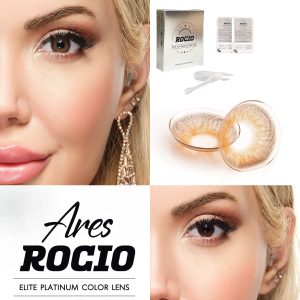
Cosmetic lens Ares
Price range: 1,00 € through 50,00 €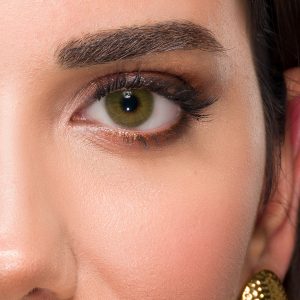
Cosmetic lens Asya
Original price was: 70,00 €.60,00 €Current price is: 60,00 €.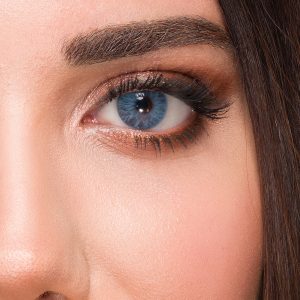
Cosmetic lens Avatar
Original price was: 70,00 €.60,00 €Current price is: 60,00 €.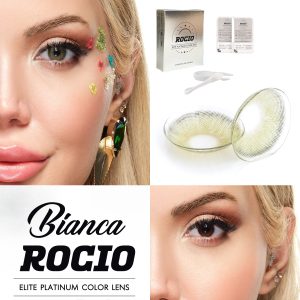
Cosmetic lens Bianca
Original price was: 60,00 €.50,00 €Current price is: 50,00 €.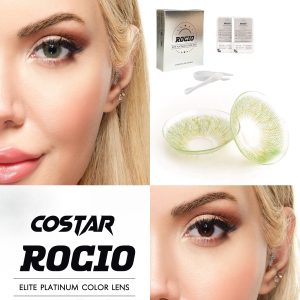
Cosmetic lens Costar
Original price was: 60,00 €.50,00 €Current price is: 50,00 €.
About author
