
No products in the cart.
Return To Shop
Colored Contacts & Your Eyes: Can They Damage Your Eyesight?
Protecting Your Vision: Can Colored Contacts Damage Your Eyesight?
AI Ozeti
Colored contact lenses can damage your eyesight if used improperly, without a prescription, or with poor hygiene. This article emphasizes the critical need for a valid prescription, even for non-corrective cosmetic lenses, to ensure proper fit and material compatibility. It outlines common risks such as eye infections, corneal abrasions, and reduced oxygen permeability, explaining how these can lead to serious vision problems. The article also highlights Opticzade's commitment to quality and provides essential guidelines for safe wear, including proper cleaning, adherence to wear schedules, and regular eye check-ups, ensuring users can enjoy colored contacts safely.
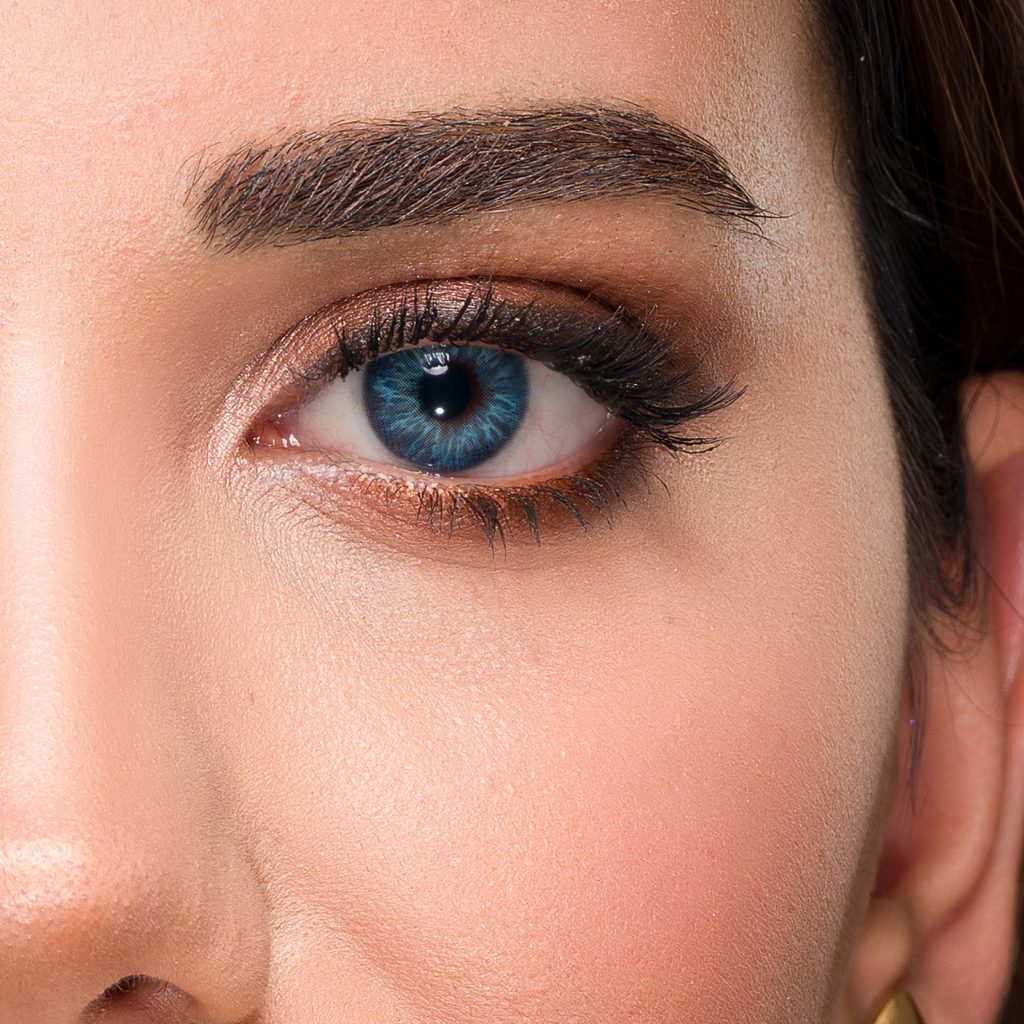
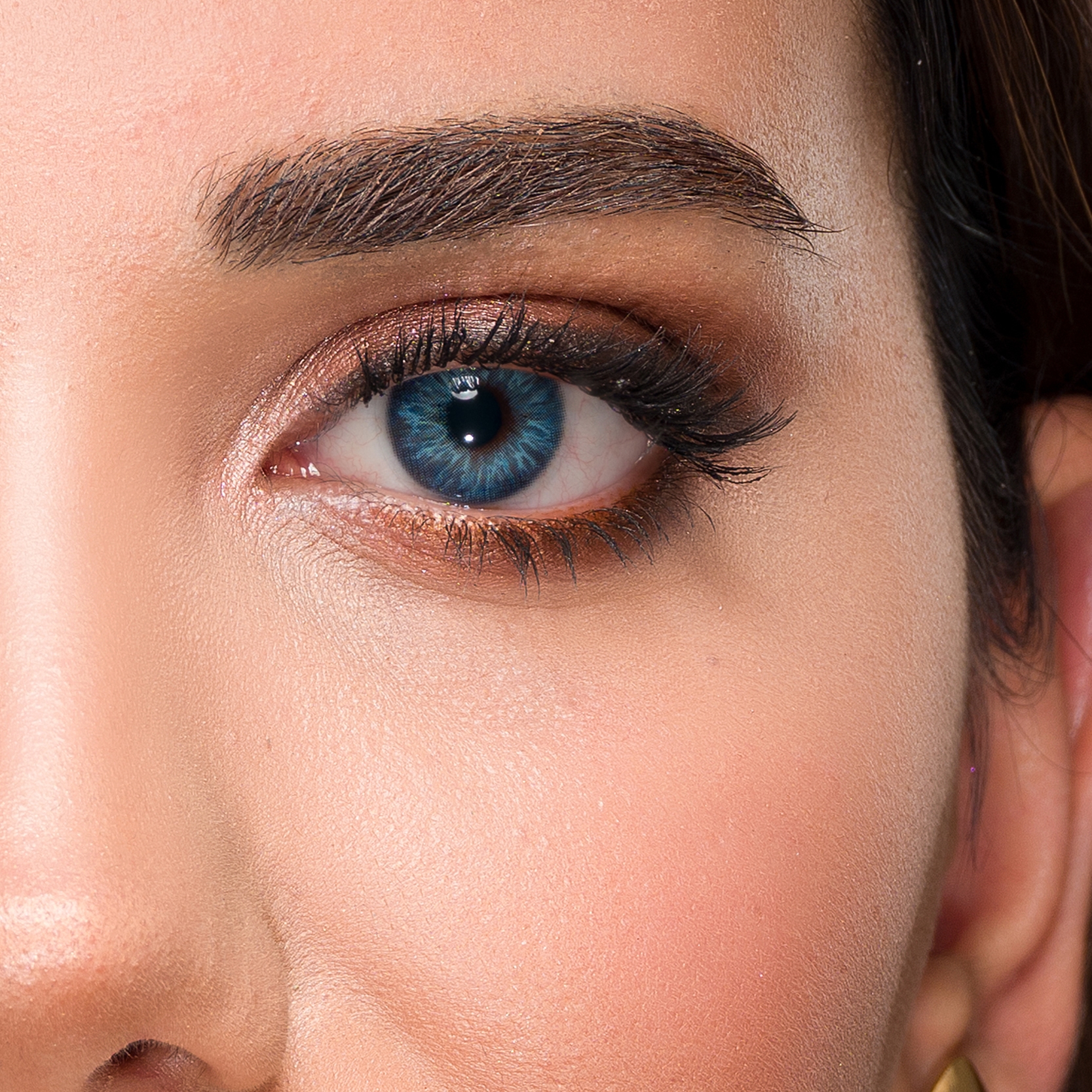
Many people wonder, can colored contacts damage your eyesight? The short answer is: they can, but typically only if used improperly or without professional guidance. When sourced from reputable providers like Opticzade and used according to an eye care professional’s instructions, colored contact lenses are generally safe. However, neglecting proper care, hygiene, or purchasing lenses without a prescription can lead to serious eye complications, ranging from minor irritation to permanent vision loss. Understanding the risks and adhering to safety protocols is paramount for anyone considering a vibrant new eye color.
The Critical Role of a Prescription for Colored Lenses
It’s a common misconception that because colored contacts don’t always correct vision, they don’t require a prescription. This is absolutely false. All contact lenses, including those categorized as Unnumbered Lenses (plano or zero-power cosmetic lenses), are medical devices regulated by health authorities. An optometrist or ophthalmologist must measure your eyes to ensure a proper fit, assess your eye health, and provide a valid prescription. This prescription includes not only the power (if needed, making them Numbered Lenses) but also the base curve and diameter, which are crucial for comfort and oxygen flow to your cornea.
- Improper Fit: Lenses that are too tight can restrict oxygen flow, leading to corneal swelling, abrasions, and infections. Lenses that are too loose can move excessively, causing irritation and potentially scratching the eye.
- Material Compatibility: An eye care professional can recommend the best lens material for your eyes, considering factors like dryness or allergies.
- Underlying Eye Conditions: A thorough eye exam can detect pre-existing conditions that might make contact lens wear unsafe.
Purchasing lenses from unauthorized sources, such as beauty supply stores, flea markets, or unregulated online vendors, is extremely risky. These lenses often lack proper sterilization, quality control, and may not meet safety standards, significantly increasing the likelihood of eye damage. Always insist on a valid prescription, even for purely cosmetic changes.
Common Risks: How Colored Contacts Can Damage Your Eyesight
While the allure of changing your eye color with Colored Lenses is strong, it’s vital to be aware of the potential hazards if safety guidelines are ignored. Here’s how colored contacts can potentially harm your vision:
1. Eye Infections (Keratitis)
This is perhaps the most significant risk. Bacteria, fungi, or amoebae can contaminate lenses and cause severe infections of the cornea (keratitis). Symptoms include redness, pain, excessive tearing, light sensitivity, and blurred vision. Untreated infections can lead to corneal ulcers, scarring, and permanent vision impairment or blindness. Factors contributing to infections include:
- Poor hand hygiene before handling lenses.
- Using tap water or saliva to clean or store lenses.
- Sleeping in lenses not designed for overnight wear.
- Extending the wear schedule of 3 Month Lenses or Annual Lenses beyond their recommended lifespan.
- Sharing lenses with others.
For more information on contact lens safety and preventing infections, consult resources like the CDC’s Contact Lens Health & Safety guidelines.
2. Corneal Abrasions and Ulcers
An ill-fitting lens, a foreign particle trapped under the lens, or improper insertion/removal techniques can scratch the cornea. These abrasions are painful and create an entry point for bacteria, leading to ulcers. Corneal ulcers are serious and require immediate medical attention to prevent permanent scarring and vision loss.
3. Allergic Reactions and Irritation
Some individuals may experience allergic reactions to the lens material or the contact lens solution. Symptoms include itching, redness, swelling, and discomfort. Persistent irritation can lead to chronic inflammation and compromise eye health.
4. Reduced Oxygen Permeability
Colored contacts, especially those with dense pigmentation, can sometimes have lower oxygen permeability compared to clear lenses. The cornea needs a constant supply of oxygen to remain healthy. Reduced oxygen can lead to corneal swelling (edema), discomfort, and potentially long-term issues like neovascularization (new blood vessel growth into the cornea), which can obstruct vision.
Choosing Quality: Opticzade’s Commitment to Safety and Style
At Opticzade, we understand that beauty should never come at the expense of health. That’s why we prioritize providing a range of high-quality Colored Contact Lenses that meet stringent safety standards. When you choose Opticzade, you’re choosing a partner committed to your eye health.
Consider the differences between various popular cosmetic lenses. For instance, the Cosmetic lens Alaska might be celebrated for its vibrant blue hues and comfortable fit, while the Cosmetic lens Amazon could be preferred for its natural green tones and advanced material technology. Both, when purchased with a valid prescription and proper care, offer stunning transformations. Similarly, popular choices like the Amber Color Lens offer warm, inviting tones. Brands like Alaska Lens and Amazon Lens are often sought after for their quality and diverse range of shades. We ensure that all our lenses, from the subtle Cosmetic lens Amon to the dramatic Cosmetic lens Avatar, adhere to the highest manufacturing standards, giving you peace of mind.
Practicing Safe Wear: Preventing Damage to Your Eyesight
To ensure your colored contacts enhance your look without compromising your vision, follow these essential guidelines:
- Always Get a Prescription: Even for Unnumbered Lenses, an eye exam is non-negotiable.
- Buy from Reputable Sources: Purchase only from licensed eye care professionals or authorized retailers like Opticzade who require a valid prescription.
- Practice Impeccable Hygiene: Wash and dry your hands thoroughly before touching your lenses.
- Clean and Store Properly: Use only recommended contact lens solution. Never use tap water or saliva. Rub and rinse your lenses as instructed, and replace your lens case every 3 months.
- Adhere to Wear Schedules: Respect the recommended lifespan for your lenses, whether they are 3 Month Lenses or Annual Lenses. Over-wearing significantly increases risk.
- Never Sleep in Lenses: Unless specifically prescribed for extended wear, remove your lenses before sleeping.
- Don’t Share Lenses: Sharing lenses can transmit harmful bacteria and viruses.
- Remove Lenses if Irritated: If your eyes feel red, irritated, painful, or your vision blurs, remove your lenses immediately and consult your eye care professional.
- Regular Eye Check-ups: Schedule annual comprehensive eye exams to monitor your eye health and update your prescription.
Conclusion: Can Colored Contacts Damage Your Eyesight? It’s Up to You
The question of ‘can colored contacts damage your eyesight’ ultimately depends on your choices and adherence to safety. With proper care, a valid prescription, and purchasing from trusted sources like Opticzade, you can enjoy the aesthetic benefits of colored contact lenses safely. Never compromise on your eye health for cosmetic appeal. Your vision is precious; protect it by making informed decisions and following expert advice.
can colored contacts damage your eyesight ile ilgili icerikler
Sikca Sorulan Sorular
Can colored contacts damage your eyesight if I don't have a prescription?
Yes, absolutely. Wearing colored contacts without a valid prescription is extremely risky. An eye care professional measures your eyes for proper fit and assesses your eye health. Lenses that don't fit correctly can scratch your cornea, restrict oxygen flow, and lead to serious infections or permanent vision damage. Always get an eye exam and a prescription, even for purely cosmetic lenses.
What are the biggest risks of using colored contacts improperly?
The biggest risks include severe eye infections (keratitis), corneal abrasions or ulcers, and reduced oxygen supply to the cornea. These issues can cause pain, redness, blurred vision, and in severe cases, permanent scarring or vision loss. Improper use often stems from poor hygiene, over-wearing lenses, or buying from unregulated sources.
How can I ensure I'm safely using my colored contact lenses?
To ensure safe use, always obtain a prescription from an eye care professional, purchase lenses from reputable retailers like Opticzade, practice impeccable hand hygiene before handling lenses, use only approved contact lens solution for cleaning and storage, strictly adhere to the recommended wear schedule (e.g., for 3 Month Lenses or Annual Lenses), and never sleep in your lenses unless prescribed for extended wear. Regular eye check-ups are also crucial.
Do Unnumbered Lenses (plano colored contacts) still require a prescription?
Yes, even Unnumbered Lenses, which do not correct vision, are considered medical devices. They still need to be properly fitted by an eye care professional to ensure they don't harm your eyes. A prescription guarantees the correct base curve and diameter for your eye, preventing discomfort, irritation, and potential damage.
Are colored contacts from brands like Cosmetic lens Alaska or Cosmetic lens Amazon safe?
Reputable brands like those often associated with 'Cosmetic lens Alaska' or 'Cosmetic lens Amazon' can be safe, provided they are genuine, purchased with a valid prescription, and used according to professional advice and manufacturer guidelines. The safety largely depends on the source, proper fitting, and your adherence to hygiene and wear schedules, not just the brand name itself. Opticzade ensures all its products meet high safety standards.
Onerilen Urunler
Cosmetic lens Alaska
Original price was: 70,00 €.60,00 €Current price is: 60,00 €.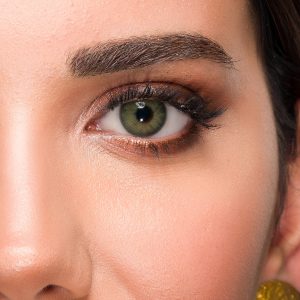
Cosmetic lens Amazon
Original price was: 70,00 €.60,00 €Current price is: 60,00 €.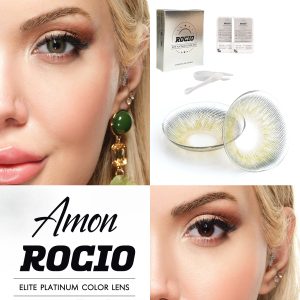
Cosmetic lens Amon
Original price was: 60,00 €.50,00 €Current price is: 50,00 €.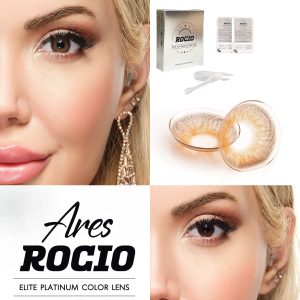
Cosmetic lens Ares
Price range: 1,00 € through 50,00 €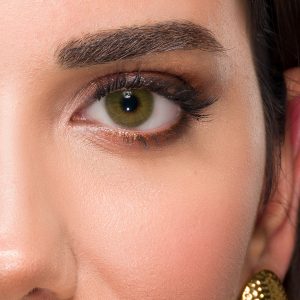
Cosmetic lens Asya
Original price was: 70,00 €.60,00 €Current price is: 60,00 €.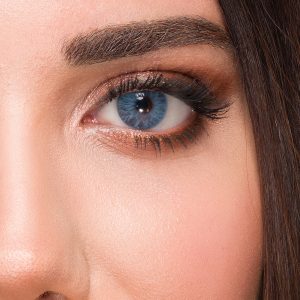
Cosmetic lens Avatar
Original price was: 70,00 €.60,00 €Current price is: 60,00 €.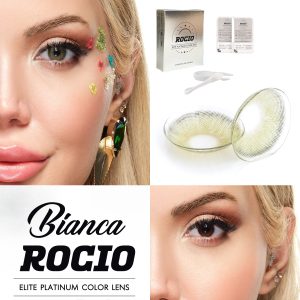
Cosmetic lens Bianca
Original price was: 60,00 €.50,00 €Current price is: 50,00 €.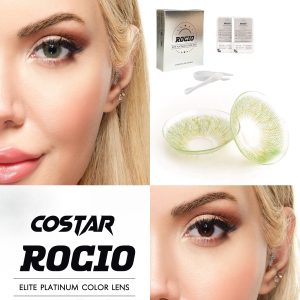
Cosmetic lens Costar
Original price was: 60,00 €.50,00 €Current price is: 50,00 €.
About author
