
No products in the cart.
Return To Shop
Silicone Hydrogel vs Hydrogel: Choosing Your Ideal Color Lenses
Unveiling the Differences: Silicone Hydrogel vs Hydrogel Color Lenses
AI Ozeti
This article provides an in-depth comparison of silicone hydrogel vs hydrogel color lenses, crucial for anyone considering colored contacts. It highlights the key differences in oxygen permeability and moisture retention, explaining why silicone hydrogel lenses are often preferred for extended wear and dry eyes due to their superior breathability. The guide also covers various lens types, including daily, 3-month, and annual lenses, as well as numbered and unnumbered options, helping readers choose based on their lifestyle. Finally, it explores popular cosmetic lens choices available at Opticzade, emphasizing the importance of eye health and professional consultation.
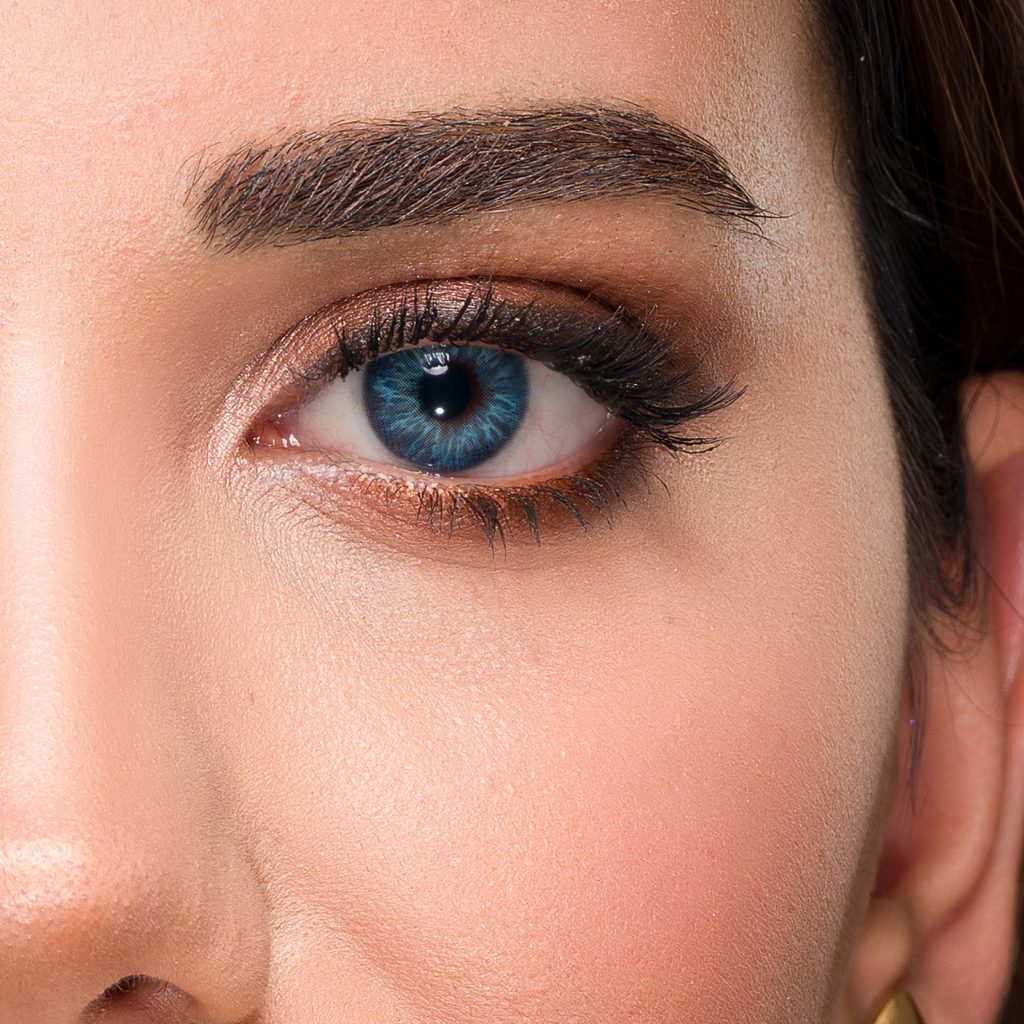
When it comes to enhancing your natural eye color or transforming your look entirely, colored contact lenses offer an exciting avenue. However, beyond the captivating hues, understanding the material science behind these lenses is paramount for both comfort and eye health. This in-depth guide will explore the crucial comparison of silicone hydrogel vs hydrogel color lenses, helping you make an informed decision for your next pair from Opticzade.
Understanding Traditional Hydrogel Color Lenses
Hydrogel lenses, the pioneers of soft contact lens technology, are made from water-loving plastic polymers that absorb a significant amount of water. This high water content makes them soft and flexible, allowing for a comfortable fit on the eye. For many years, hydrogel was the standard material for all soft contact lenses, including Colored Lenses. Their comfort largely stems from their ability to hold water, which helps transport oxygen to the cornea. However, as the day progresses, especially in dry environments or with extended wear, hydrogel lenses can lose moisture, potentially leading to dryness and reduced oxygen flow.
Many popular 3 Month Lenses and Annual Lenses have historically utilized hydrogel materials due to their proven track record and cost-effectiveness. While effective, advancements in lens technology have introduced alternatives that address some of the limitations of traditional hydrogels, particularly concerning long-term wear and oxygen supply to the eye.
The Rise of Silicone Hydrogel Color Lenses
Silicone hydrogel lenses represent a significant leap forward in contact lens technology. Introduced to address the oxygen permeability limitations of traditional hydrogels, these lenses incorporate silicone into the hydrogel material. Silicone is highly permeable to oxygen, allowing significantly more oxygen to reach the cornea compared to hydrogel lenses, even with lower water content. This increased oxygen flow is vital for maintaining eye health, reducing the risk of hypoxia-related complications, and enhancing comfort during extended wear.
For those who wear their lenses for long hours, or experience dry eyes with traditional lenses, silicone hydrogel offers a compelling solution. Brands like Alaska Lens and Amazon Lens, available at Opticzade, often feature advanced materials that prioritize breathability and comfort, making them popular choices for both Numbered Lenses (with prescription) and Unnumbered Lenses (cosmetic only).
Silicone Hydrogel vs Hydrogel Color Lenses: A Deep Dive into Comfort & Health
The core of the debate between silicone hydrogel vs hydrogel color lenses lies in how they interact with your eyes over time. Let’s break down the key differences:
Oxygen Permeability: A Key Difference for Eye Health
Oxygen is crucial for the health of your cornea, which receives oxygen directly from the air. Traditional hydrogel lenses rely on their water content to transport oxygen. If the lens dries out or is worn for too long, oxygen delivery can decrease. Silicone hydrogel, on the other hand, allows oxygen to pass directly through the silicone component of the lens, independent of its water content. This results in significantly higher oxygen transmission, often 5 to 7 times greater than hydrogel lenses. This superior breathability makes silicone hydrogel lenses a healthier choice for extended wear and helps prevent issues like corneal swelling and redness.
Moisture Retention and Dry Eye
While hydrogel lenses start with high water content, they can lose moisture throughout the day, potentially leading to dryness and discomfort, especially for individuals prone to dry eyes. Silicone hydrogel lenses, despite often having lower water content, are designed to retain moisture more effectively due to the properties of silicone. Many silicone hydrogel lenses also incorporate wetting agents or surface treatments to enhance comfort and reduce friction, providing a more consistent and comfortable experience throughout the day. This can be a game-changer for those who previously struggled with discomfort from their Colored Lenses.
Durability and Lens Care
The material composition also impacts the durability and care requirements. Hydrogel lenses are generally softer and more delicate, requiring careful handling to prevent tears. Silicone hydrogel lenses tend to be slightly more rigid, which can make them easier to handle for some users, particularly when inserting and removing. Both types of lenses require diligent cleaning and disinfection routines, especially for reusable 3 Month Lenses or Annual Lenses, to ensure eye safety and longevity. Always follow the care instructions provided by your eye care professional and the lens manufacturer.
Choosing the Right Color Lens for Your Lifestyle
Your lifestyle and specific eye needs play a significant role in determining whether silicone hydrogel or hydrogel color lenses are better for you. At Opticzade, we offer a wide array of options to suit every preference.
Daily, 3-Month, or Annual Lenses?
- Daily Lenses: Often made from hydrogel or thinner silicone hydrogel, these are discarded after a single use, offering maximum convenience and hygiene.
- 3 Month Lenses: Typically made from more robust hydrogel or silicone hydrogel, these require daily cleaning and storage. They offer a balance of durability and regular replacement.
- Annual Lenses: Designed for extended wear over a year with proper care, these are often thicker and more durable, available in both materials, though silicone hydrogel options are gaining popularity for their long-term comfort.
Numbered vs. Unnumbered Lenses
Whether you need vision correction or simply desire a cosmetic change, Opticzade caters to both. Numbered Lenses provide prescription correction along with stunning color, ensuring clear vision and vibrant eyes. Unnumbered Lenses are purely cosmetic, perfect for those with perfect vision who want to experiment with different eye colors. Regardless of your prescription needs, the material choice between silicone hydrogel and hydrogel remains crucial for comfort and eye health.
Popular Choices: Exploring Cosmetic Lenses
At Opticzade, we pride ourselves on offering a diverse selection of high-quality Colored Lenses. When considering the material, think about how long you’ll wear them and your eye’s sensitivity. For example, if you’re looking for a natural yet striking change, the Cosmetic lens Alaska might be available in a breathable silicone hydrogel, offering all-day comfort. In contrast, a vibrant shade like the Cosmetic lens Amazon could be offered in a traditional hydrogel, perfect for shorter wear times or if your eyes tolerate hydrogel well. Other popular options include the Cosmetic lens Amon, known for its unique patterns, or the captivating hues of the Cosmetic lens Ares and Cosmetic lens Asya. For those seeking a truly transformative look, the Cosmetic lens Avatar or the subtle elegance of Cosmetic lens Bianca and Cosmetic lens Costar are excellent choices. Many of these ranges, including the popular Amber Color Lens series, are increasingly available in advanced silicone hydrogel formulations to maximize wearer comfort and eye health.
Making an Informed Decision with Opticzade
Choosing between silicone hydrogel vs hydrogel color lenses ultimately comes down to a personalized decision based on your eye health, lifestyle, and the advice of your eye care professional. While silicone hydrogel lenses generally offer superior oxygen permeability and are often recommended for extended wear or individuals with dry eyes, traditional hydrogel lenses remain a comfortable and viable option for many, especially for occasional use or if your eyes tolerate them well. Opticzade is committed to providing a wide selection of high-quality Colored Lenses, ensuring you find the perfect blend of beauty, comfort, and safety. Always consult with an eye care specialist to determine the best lens material and fit for your unique eyes. The American Academy of Ophthalmology offers valuable resources on contact lens care and safety. For more in-depth information on contact lens materials, you can also refer to Wikipedia’s contact lens page.
At Opticzade, we believe that beautiful eyes should also be healthy eyes. Our curated collection includes a variety of lenses, from the subtle elegance of Amber to the bold statements of Alaska, ensuring that whether you choose a 3 Month Lens or an Annual Lens, you’re getting a product designed for both aesthetic appeal and optical well-being. Explore our range today and experience the Opticzade difference.
silicone hydrogel vs hydrogel color lenses ile ilgili icerikler
Sikca Sorulan Sorular
What are the main differences between silicone hydrogel and hydrogel color lenses?
The primary difference lies in oxygen permeability. Silicone hydrogel lenses allow significantly more oxygen to reach the eye due to the silicone component, making them generally healthier for extended wear and reducing the risk of dryness. Traditional hydrogel lenses rely on water content for oxygen transmission, which can decrease over time as the lens dries out.
Which type of lens is better for dry eyes?
Silicone hydrogel color lenses are generally recommended for individuals with dry eyes. Their superior oxygen permeability and advanced moisture-retaining properties help maintain comfort and reduce dryness throughout the day compared to traditional hydrogel lenses.
Can I wear silicone hydrogel color lenses for longer periods?
Yes, silicone hydrogel lenses are specifically designed for extended wear due to their high oxygen transmission. However, 'extended wear' does not mean sleeping in them unless explicitly approved by your eye care professional. Always follow your optometrist's recommendations and the manufacturer's guidelines for wear time.
Are there colored lenses available in both silicone hydrogel and hydrogel materials at Opticzade?
Yes, Opticzade offers a wide range of Colored Lenses in both silicone hydrogel and hydrogel materials. This allows customers to choose based on their comfort preferences, eye health needs, and lifestyle, whether they are looking for 3 Month Lenses, Annual Lenses, Numbered Lenses, or Unnumbered Lenses from brands like Alaska or Amazon.
Onerilen Urunler
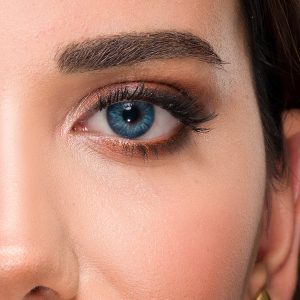
Cosmetic lens Alaska
Original price was: 70,00 €.60,00 €Current price is: 60,00 €.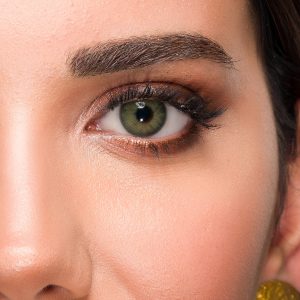
Cosmetic lens Amazon
Original price was: 70,00 €.60,00 €Current price is: 60,00 €.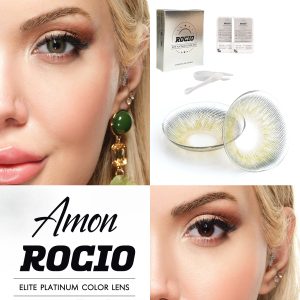
Cosmetic lens Amon
Original price was: 60,00 €.50,00 €Current price is: 50,00 €.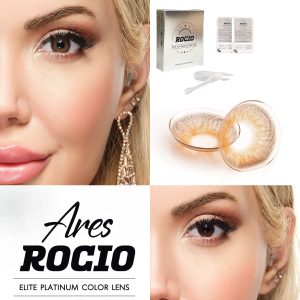
Cosmetic lens Ares
Price range: 1,00 € through 50,00 €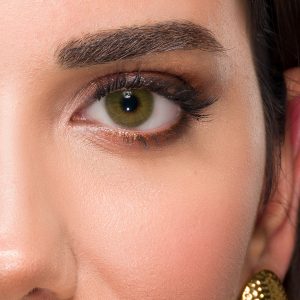
Cosmetic lens Asya
Original price was: 70,00 €.60,00 €Current price is: 60,00 €.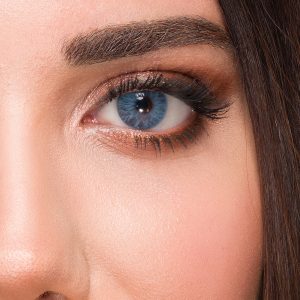
Cosmetic lens Avatar
Original price was: 70,00 €.60,00 €Current price is: 60,00 €.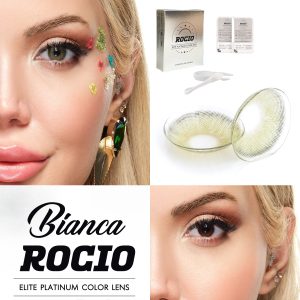
Cosmetic lens Bianca
Original price was: 60,00 €.50,00 €Current price is: 50,00 €.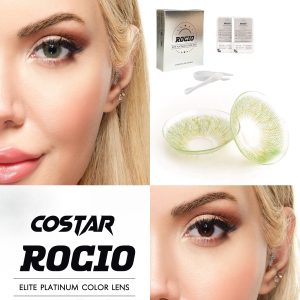
Cosmetic lens Costar
Original price was: 60,00 €.50,00 €Current price is: 50,00 €.
About author
