
No products in the cart.
Return To Shop
Silicone Hydrogel vs Hydrogel Color Lenses: The Science of Eye Comfort
Unveiling the Differences: Silicone Hydrogel vs Hydrogel Color Lenses for Optimal Eye Health
AI Ozeti
This article delves into the critical differences between silicone hydrogel vs hydrogel color lenses, explaining how each material impacts eye comfort and health. It highlights hydrogel lenses as the traditional, often more affordable choice, with oxygen permeability tied to water content. Silicone hydrogel lenses are presented as a modern advancement, offering superior oxygen transmission for extended wear and reduced dryness. The piece provides a comparative table, discusses the importance of material for overall eye health, and integrates various product categories and brand mentions from Opticzade, emphasizing informed choices for cosmetic lenses.
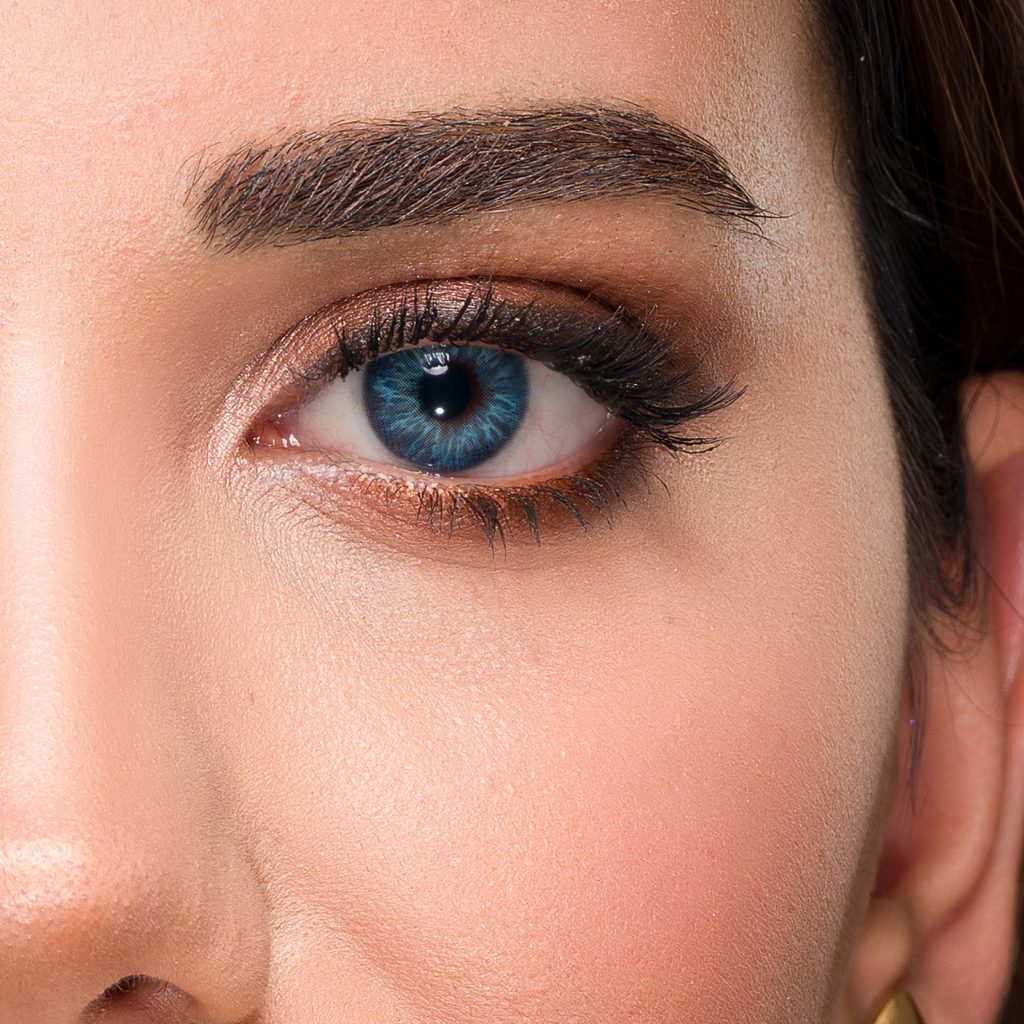
When it comes to enhancing your natural eye color or transforming your look with vibrant new hues, understanding the material science behind your lenses is paramount. The choice between silicone hydrogel vs hydrogel color lenses is a critical one, directly impacting comfort, eye health, and overall wearing experience. At Opticzade, we believe in empowering our customers with knowledge, ensuring you make the best decision for your eyes and style.
Understanding Hydrogel Color Lenses: The Traditional Choice
Hydrogel lenses, the traditional material for soft contact lenses, are made from water-loving plastics (hydrophilic polymers). These lenses absorb a significant amount of water, which is what makes them soft and flexible. The oxygen supply to your cornea (the front surface of your eye) in hydrogel lenses is primarily facilitated by the water content. The higher the water content, the more oxygen typically passes through to the eye.
- Comfort: Many users find hydrogel lenses comfortable initially due to their softness and high water content.
- Affordability: Generally, hydrogel lenses tend to be more budget-friendly, making them an accessible option for many.
- Oxygen Permeability: While good, their oxygen permeability (Dk/t value) is limited by their water content. For extended wear or individuals with sensitive eyes, this can sometimes lead to dryness or discomfort over long periods.
For those seeking cosmetic enhancement, many popular Colored Lenses, including some of our 3 Month Lenses and Annual Lenses, have historically been made from hydrogel. Brands like Cosmetic lens Amon have offered a wide array of stunning shades in this material.
The Rise of Silicone Hydrogel Color Lenses: A Breath of Fresh Air
Silicone hydrogel lenses represent a significant advancement in contact lens technology. These lenses combine the water-loving properties of hydrogel with silicone, a material that is highly permeable to oxygen. This innovative combination allows for much greater oxygen transmission to the cornea, often five to six times more than traditional hydrogel lenses, even with lower water content.
- Superior Oxygen Permeability: The primary advantage of silicone hydrogel is its exceptional ability to allow oxygen to reach the eye, promoting better eye health and reducing the risk of hypoxia-related complications.
- Extended Wear Potential: Due to their high oxygen flow, silicone hydrogel lenses are often approved for longer daily wear and even occasional overnight wear (though always consult your eye care professional).
- Reduced Dryness: While they may have lower water content than some hydrogel lenses, the silicone component helps maintain a stable tear film, potentially leading to less dryness and more consistent comfort throughout the day.
- Durability: Silicone hydrogel materials can sometimes offer improved resistance to deposits and better handling characteristics.
Many premium Colored Contact Lenses, including advanced Numbered Lenses and Unnumbered Lenses designed for extended comfort, now utilize silicone hydrogel. The Cosmetic lens Alaska and Cosmetic lens Amazon are excellent examples of brands that leverage this technology to provide both stunning aesthetics and superior eye health benefits. The Amber Color Lens, a favorite for its warm hue, is increasingly available in silicone hydrogel variants at Opticzade, offering enhanced comfort for prolonged wear.
Silicone Hydrogel vs Hydrogel Color Lenses: Making Your Informed Choice
Choosing between silicone hydrogel vs hydrogel color lenses ultimately depends on your individual eye health, lifestyle, and preferences. Here’s a comparison to help guide your decision:
| Feature | Hydrogel Color Lenses | Silicone Hydrogel Color Lenses |
|---|---|---|
| Oxygen Permeability | Good (water content dependent) | Excellent (silicone dependent, much higher) |
| Comfort for Long Wear | Can lead to dryness/discomfort over extended periods for some | Generally better for extended wear, reduces dryness |
| Material Feel | Very soft, flexible due to high water content | Often slightly firmer, but still flexible; retains moisture well |
| Cost | Generally more affordable | Typically higher upfront cost, but value in comfort/health |
| Eye Health Benefits | Adequate for short wear, but limited oxygen flow | Superior oxygen flow, reduces risk of hypoxia, promotes healthier eyes |
Consider your daily routine: If you wear your lenses for many hours, work in dry environments, or experience occasional eye dryness, silicone hydrogel options like those from Alaska Lens or Amazon Lens might be a more comfortable and healthier choice. If you wear lenses for shorter durations or have a history of successful wear with traditional hydrogels, they may still be a suitable option.
Why Material Matters for Your Colored Contact Lenses
The material of your Colored Contact Lenses isn’t just a technical detail; it’s fundamental to your eye’s well-being. A lack of sufficient oxygen can lead to various issues, including corneal swelling, redness, discomfort, and even long-term complications. This is why advancements in materials like silicone hydrogel are so crucial. They allow for the vibrant beauty of cosmetic lenses without compromising on the health of your eyes.
When comparing specific products like the Cosmetic lens Amon and the Cosmetic lens Ares, beyond their aesthetic appeal, understanding their underlying material (hydrogel vs. silicone hydrogel) provides a deeper insight into their performance. Similarly, the Cosmetic lens Asya and Cosmetic lens Avatar might offer different wear experiences based on their material composition. Even the popular Cosmetic lens Bianca and Cosmetic lens Costar, available at Opticzade, come with detailed material specifications to help you choose.
For more in-depth information on contact lens materials and eye health, you can consult reputable sources like the American Academy of Ophthalmology or Wikipedia’s contact lens article.
Opticzade’s Commitment to Your Eye Health and Style
At Opticzade, we are dedicated to offering a diverse selection of high-quality Colored Lenses, including both hydrogel and silicone hydrogel options. We carefully curate our collection to ensure that whether you choose 3 Month Lenses or Annual Lenses, Numbered Lenses for vision correction, or Unnumbered Lenses for pure cosmetic flair, you receive products that meet rigorous safety and comfort standards.
Our range includes trusted brands like Alaska Lens and Amazon Lens, known for their innovative use of materials. We understand that every eye is unique, and our goal is to help you find the perfect match that combines stunning visual appeal with optimal eye health. Explore our collection today and experience the Opticzade difference – where beauty meets comfort and care.
silicone hydrogel vs hydrogel color lenses ile ilgili icerikler
Sikca Sorulan Sorular
What is the main difference between silicone hydrogel and hydrogel color lenses?
The primary difference lies in oxygen permeability. Silicone hydrogel lenses allow significantly more oxygen to reach the eye due to the silicone component, promoting better eye health and comfort, especially for extended wear. Hydrogel lenses rely on water content for oxygen transmission, which is generally lower.
Are silicone hydrogel color lenses more comfortable than hydrogel lenses?
For many users, especially those who wear lenses for long hours or experience dryness, silicone hydrogel lenses offer superior comfort due to their higher oxygen permeability and ability to maintain a stable tear film. However, initial comfort can be subjective, and some may find traditional hydrogels softer.
Which type of lens is better for eye health?
Silicone hydrogel lenses are generally considered better for eye health due to their superior oxygen transmission. This reduces the risk of hypoxia-related complications like corneal swelling and redness, which can occur with insufficient oxygen supply, especially during prolonged wear.
Can I wear silicone hydrogel color lenses for longer periods?
Yes, silicone hydrogel lenses are often approved for longer daily wear and sometimes even for occasional overnight wear (with professional guidance) due to their high oxygen permeability. Always follow your eye care professional's recommendations and the manufacturer's instructions for wear time.
Does Opticzade offer both silicone hydrogel and hydrogel color lenses?
Yes, at Opticzade, we offer a wide range of high-quality Colored Lenses, including both advanced silicone hydrogel and traditional hydrogel options, from trusted brands like Alaska Lens and Amazon Lens. We provide detailed product information to help you choose the best material for your needs.
Onerilen Urunler
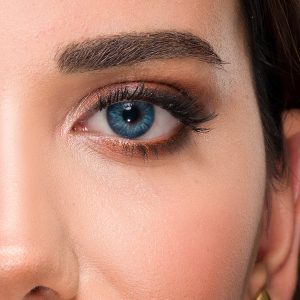
Cosmetic lens Alaska
Original price was: 70,00 €.60,00 €Current price is: 60,00 €.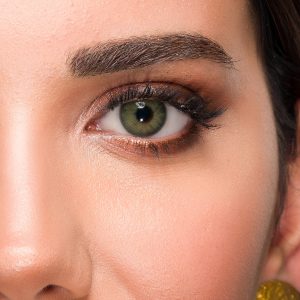
Cosmetic lens Amazon
Original price was: 70,00 €.60,00 €Current price is: 60,00 €.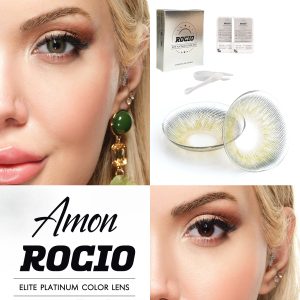
Cosmetic lens Amon
Original price was: 60,00 €.50,00 €Current price is: 50,00 €.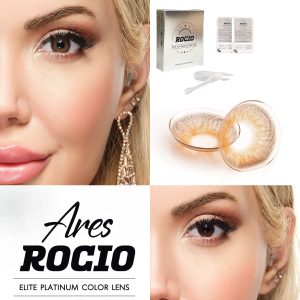
Cosmetic lens Ares
Price range: 1,00 € through 50,00 €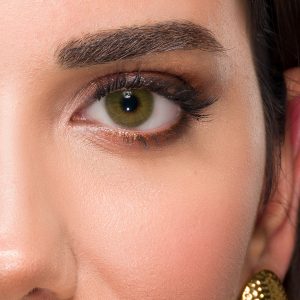
Cosmetic lens Asya
Original price was: 70,00 €.60,00 €Current price is: 60,00 €.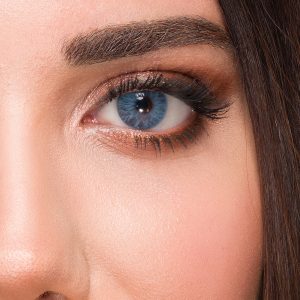
Cosmetic lens Avatar
Original price was: 70,00 €.60,00 €Current price is: 60,00 €.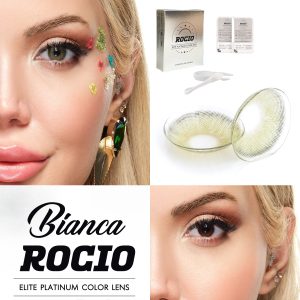
Cosmetic lens Bianca
Original price was: 60,00 €.50,00 €Current price is: 50,00 €.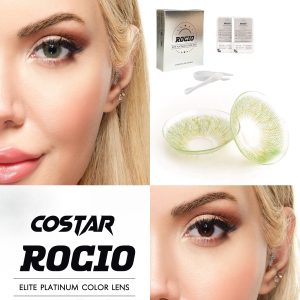
Cosmetic lens Costar
Original price was: 60,00 €.50,00 €Current price is: 50,00 €.
About author
