
No products in the cart.
Return To Shop
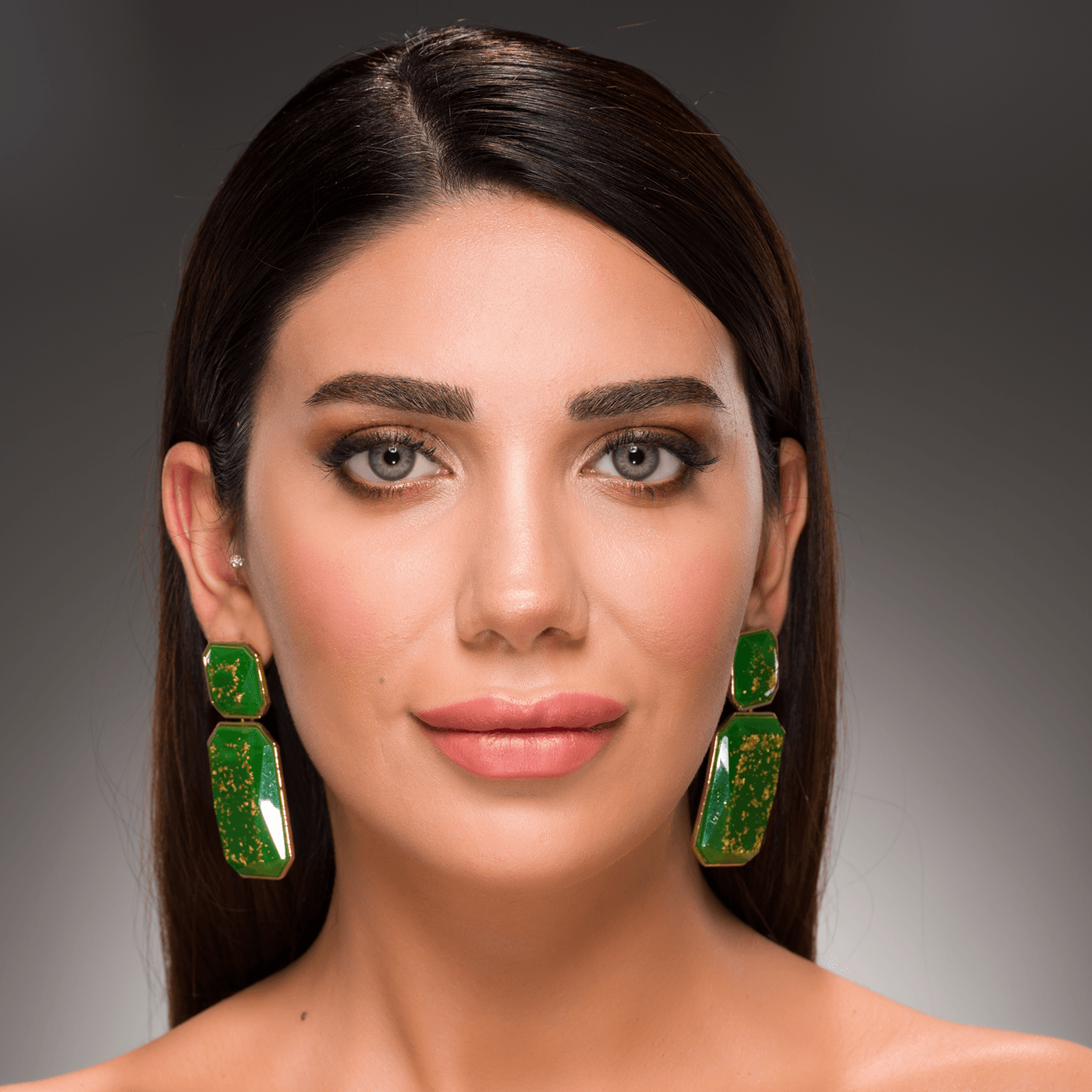
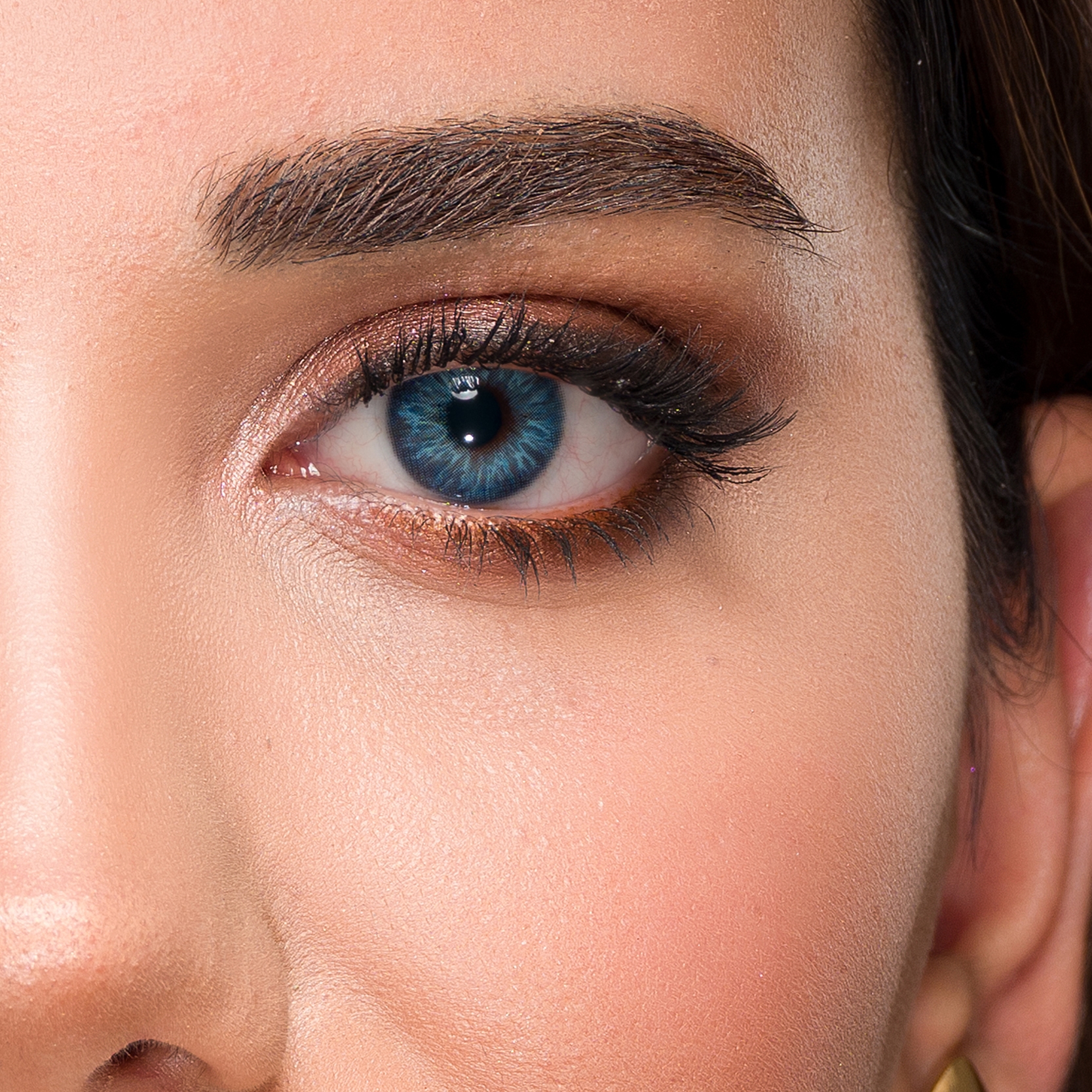
Why Do My Colored Contacts Feel Blurry? Clear Vision Solutions
Why Do My Colored Contacts Feel Blurry? Decoding Common Causes
AI Ozeti
Many users wonder why their colored contacts feel blurry. This article explores common reasons such as dry eyes, improper lens fit, deposit buildup, and using expired or damaged lenses. It emphasizes the critical role of proper lens care and hygiene, including hand washing and using fresh solution, for maintaining clear vision and eye health. The guide also highlights the importance of professional eye exams for correct lens parameters, whether for prescription or plano cosmetic lenses, and advises when to seek professional help for persistent symptoms.
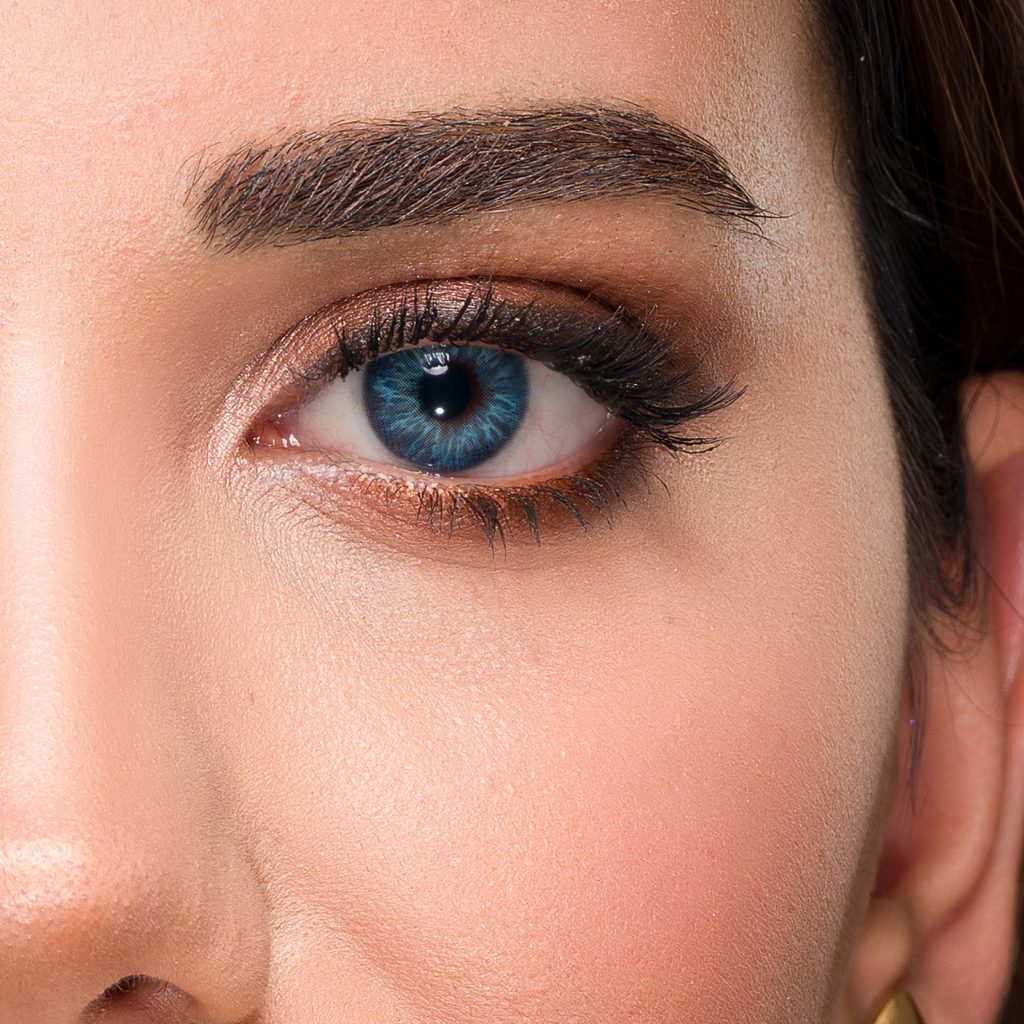
If you’ve ever asked yourself, “why do my colored contacts feel blurry?”, you’re not alone. This common issue can be frustrating, especially when you’re trying to enjoy a new eye color or enhance your natural look. Blurry vision with colored contact lenses can stem from various factors, ranging from simple care mistakes to underlying eye conditions. At Opticzade, we believe in helping you achieve both stunning aesthetics and optimal eye health. Understanding the root cause of the blurriness is the first step towards clear, comfortable vision.
Common Reasons Why Your Colored Contacts Feel Blurry
Several factors can contribute to your colored contact lenses feeling blurry. Identifying the specific cause is crucial for finding the right solution and ensuring your eye health.
Dry Eyes and Insufficient Lubrication
One of the most frequent culprits behind blurry vision with contact lenses is dry eyes. When your eyes don’t produce enough tears, or the tears evaporate too quickly, your lenses can dry out, leading to discomfort and a hazy view. This is particularly common with Colored Lenses, as the pigment layer can sometimes reduce oxygen permeability, exacerbating dryness for some wearers. Factors like screen time, air conditioning, heating, and certain medications can all contribute to dry eyes. Using rewetting drops specifically designed for contact lenses can often provide immediate relief. Always consult your eye care professional before introducing new products to your eye care routine.
Improper Fit or Lens Placement
A contact lens that doesn’t fit correctly can cause significant blurriness and discomfort. Lenses come in various base curves and diameters, and a “one-size-fits-all” approach simply doesn’t work. If your lens is too tight, it can restrict tear flow and oxygen to the cornea, leading to irritation and blurry vision. If it’s too loose, it might slide around on your eye, causing intermittent blurriness or even falling out. This is why a professional eye examination and fitting are essential, especially when trying new brands or types of Colored Contact Lenses, whether they are Numbered Lenses (with prescription) or Unnumbered Lenses (plano cosmetic). Your eye care specialist measures your eye’s curvature to ensure the perfect fit.
Accumulation of Deposits on Lenses
Over time, proteins, lipids, and other debris from your tears, as well as environmental particles, can build up on the surface of your contact lenses. This accumulation forms a film that can significantly obscure your vision, making you wonder “why do my colored contacts feel blurry?” This is particularly true for longer-wear lenses like 3 Month Lenses or Annual Lenses, which require diligent daily cleaning. Even high-quality lenses from brands like Alaska Lens or Amazon Lens can develop deposits if not cared for properly. Regular and thorough cleaning with the recommended solution is vital to remove these deposits and maintain clear vision.
Expired or Damaged Lenses
Using lenses beyond their recommended wear schedule or wearing damaged lenses is a common reason for blurriness and can pose serious risks to your eye health. Each pair of lenses, whether it’s a daily disposable, a 3 Month Lens, or an Annual Lens, has a specific lifespan. The materials degrade over time, becoming less permeable to oxygen and more prone to deposit buildup, leading to reduced comfort and clarity. Similarly, a torn or scratched lens can distort your vision and irritate your eye. Always adhere to the replacement schedule and inspect your lenses for any damage before insertion. Opticzade emphasizes the importance of replacing your lenses as recommended by the manufacturer and your eye care professional.
The Importance of Proper Lens Care and Hygiene for Clear Vision
Maintaining excellent hygiene is paramount for comfortable, clear vision with any contact lens, especially Colored Lenses. Neglecting proper care can quickly lead to blurry vision and increase the risk of eye infections.
- Wash Your Hands: Always wash your hands thoroughly with soap and water and dry them with a lint-free towel before handling your lenses. This prevents transferring dirt, oils, and germs to your eyes or lenses.
- Use Fresh Solution: Never reuse old solution. Always use fresh, sterile contact lens solution each time you store your lenses. Saline solution is for rinsing only, not for cleaning or disinfecting.
- Rub and Rinse: Even “no-rub” solutions often benefit from a gentle rub-and-rinse step to effectively dislodge deposits. Place the lens in the palm of your hand, add a few drops of solution, and gently rub with your fingertip.
- Clean Your Lens Case: Rinse your lens case with fresh solution, wipe it dry with a clean tissue, and leave it open to air dry. Replace your lens case every one to three months to prevent bacterial buildup.
- Adhere to Wear Schedules: Whether you’re using 3 Month Lenses or Annual Lenses, strictly follow the recommended replacement schedule. Overwearing lenses is a primary cause of blurriness and eye complications.
For more detailed guidelines on contact lens care, you can refer to trusted sources like the American Optometric Association’s contact lens care guide.
Choosing the Right Colored Lenses for Clear Vision
Selecting the appropriate Colored Lenses is crucial not only for aesthetics but also for maintaining clear vision and eye health. At Opticzade, we offer a wide range of high-quality options, ensuring you find the perfect match.
Prescription vs. Non-Prescription Lenses
It’s a common misconception that Unnumbered Lenses (plano or zero-power cosmetic lenses) don’t require a prescription. However, even if you don’t need vision correction, a prescription is still legally and medically required for all contact lenses in many regions. This ensures that the lens parameters (base curve, diameter) are suitable for your eyes, preventing issues like an improper fit that can cause your colored contacts to feel blurry. Whether you need Numbered Lenses for vision correction or simply want to change your eye color with Cosmetic lens Alaska or Cosmetic lens Amazon, always get a professional eye exam.
Understanding Lens Materials and Wear Schedules
The material and design of your Colored Lenses play a significant role in comfort and clarity. Modern lenses are designed to maximize oxygen flow to the eye. For example, some premium lenses, like the Amber Color Lens series, are crafted with advanced materials that prioritize breathability, reducing the likelihood of dryness-induced blurriness. Understanding the difference between 3 Month Lenses and Annual Lenses is also key. Annual Lenses, while cost-effective, demand even more rigorous cleaning and care to prevent deposit buildup that can lead to blurry vision over their extended lifespan. Always choose lenses from reputable brands available at trusted retailers like Opticzade.
When comparing popular options like Cosmetic lens Alaska and Cosmetic lens Amazon, consider factors beyond just color. Cosmetic lens Alaska might offer a specific pigment pattern or material composition that some users find more comfortable or visually appealing, potentially leading to clearer vision for them. On the other hand, Cosmetic lens Amazon could excel in its hydration properties or a unique color blend. Brands like Amon, Ares, Asya, Avatar, Bianca, and Costar also offer diverse options, each with specific features. The best choice depends on your individual eye characteristics, lifestyle, and how well the lens interacts with your tear film. Always prioritize lenses that are FDA-approved or meet equivalent international standards to ensure safety and quality.
For more information on contact lens types and materials, you can visit Wikipedia’s page on contact lenses.
When to Seek Professional Help for Blurry Vision
While many causes of “why do my colored contacts feel blurry” can be resolved with proper care and adjustments, some situations warrant immediate professional attention. If you experience persistent blurriness, severe discomfort, redness, pain, excessive tearing, or sensitivity to light, remove your lenses immediately and contact your eye care professional. These symptoms could indicate a more serious underlying issue, such as an eye infection, corneal abrasion, or allergic reaction. Never self-diagnose or try to “wait it out” when it comes to your eye health. Your vision is precious, and timely intervention can prevent long-term damage.
At Opticzade, we are committed to providing high-quality Colored Contact Lenses and comprehensive information to ensure your eye health and satisfaction. By understanding why your colored contacts might feel blurry and taking proactive steps, you can enjoy vibrant, clear vision with your chosen eye enhancements.
why do my colored contacts feel blurry ile ilgili icerikler
Sikca Sorulan Sorular
Why do my colored contacts feel blurry?
Colored contacts can feel blurry due to several reasons, including dry eyes, an improper lens fit, accumulation of protein and lipid deposits on the lens surface, or using expired or damaged lenses. Poor hygiene and overwearing lenses are also common culprits.
Can dry eyes cause my colored contacts to feel blurry?
Yes, dry eyes are a very common reason for blurry vision with colored contacts. When your eyes lack sufficient lubrication, the lenses can dry out, leading to discomfort and a hazy view. Using rewetting drops designed for contacts can help, but consulting an eye care professional is recommended for persistent dryness.
How important is proper lens fit for clear vision with colored contacts?
Proper lens fit is crucial. If a colored contact lens is too tight, it can restrict oxygen and tear flow, causing blurriness and irritation. If it's too loose, it might slide around, leading to intermittent blurry vision. A professional eye examination ensures your lenses are perfectly matched to your eye's curvature.
What is the best way to clean my colored contacts to prevent blurriness?
To prevent blurriness caused by deposits, always wash and dry your hands before handling lenses. Use fresh, sterile contact lens solution for cleaning and disinfecting – never reuse old solution. Gently rub and rinse your lenses as directed, and regularly clean and replace your lens case. Always adhere to the recommended wear schedule for your 3 Month Lenses or Annual Lenses.
When should I seek professional help for blurry vision with colored contacts?
You should seek immediate professional help if you experience persistent blurriness, severe discomfort, redness, pain, excessive tearing, or sensitivity to light. These symptoms could indicate a serious eye condition like an infection or corneal abrasion, requiring prompt medical attention.
Onerilen Urunler
Cosmetic lens Alaska
Original price was: 70,00 €.60,00 €Current price is: 60,00 €.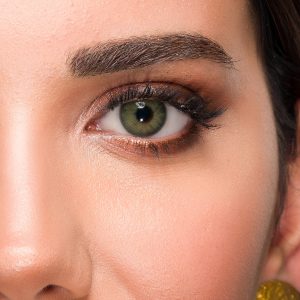
Cosmetic lens Amazon
Original price was: 70,00 €.60,00 €Current price is: 60,00 €.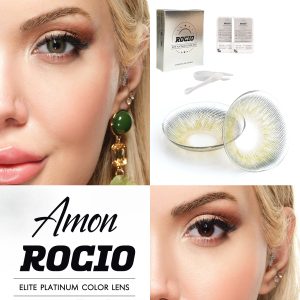
Cosmetic lens Amon
Original price was: 60,00 €.50,00 €Current price is: 50,00 €.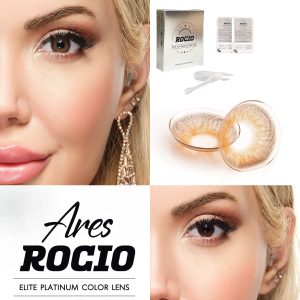
Cosmetic lens Ares
Price range: 1,00 € through 50,00 €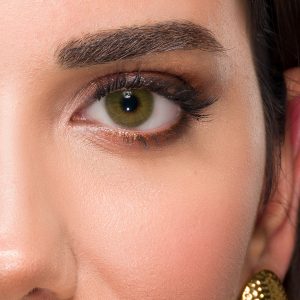
Cosmetic lens Asya
Original price was: 70,00 €.60,00 €Current price is: 60,00 €.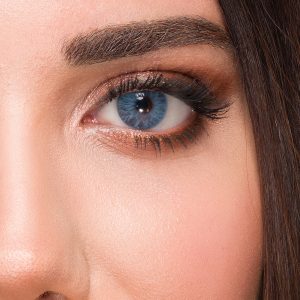
Cosmetic lens Avatar
Original price was: 70,00 €.60,00 €Current price is: 60,00 €.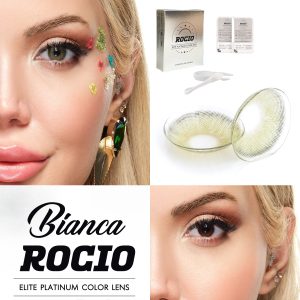
Cosmetic lens Bianca
Original price was: 60,00 €.50,00 €Current price is: 50,00 €.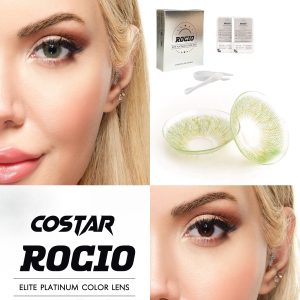
Cosmetic lens Costar
Original price was: 60,00 €.50,00 €Current price is: 50,00 €.
About author
