
No products in the cart.
Return To Shop
How to Check if Colored Contacts Are Authentic: Your Safety Guide
Ensuring Eye Safety: How to Check if Colored Contacts Are Authentic
AI Ozeti
This article provides a comprehensive guide on how to check if colored contacts are authentic, emphasizing eye safety and the dangers of counterfeit lenses. It outlines key indicators of authenticity, including verifying seller reputation, inspecting packaging for certifications and accurate information, and examining the lenses themselves for quality. The guide also discusses security features and advises on steps to take if counterfeit lenses are suspected. It highlights Opticzade's commitment to providing only authentic, high-quality Colored Lenses, ensuring customer trust and eye health.
Knowing how to check if colored contacts are authentic is paramount for anyone considering enhancing their eye color. In an unregulated market, distinguishing genuine, safe lenses from dangerous counterfeits is a critical skill. Your eyes are precious, and using unauthentic colored lenses can lead to severe complications, from minor irritation to permanent vision loss.
At Opticzade, we prioritize your eye health and safety above all else. This comprehensive guide will equip you with the knowledge to identify legitimate Colored Lenses, ensuring you make informed decisions when purchasing products like 3 Month Lenses or Annual Lenses, whether they are Numbered Lenses for vision correction or Unnumbered Lenses purely for cosmetic appeal.
The Dangers of Counterfeit Colored Contact Lenses
The allure of vibrant eye color can sometimes overshadow the importance of safety. Counterfeit colored contact lenses are a significant threat, often manufactured in unsanitary conditions with substandard materials and dyes. These lenses can cause a myriad of problems, including:
- Eye Infections: Non-sterile packaging and manufacturing environments can introduce bacteria and fungi into your eyes.
- Corneal Abrasions and Ulcers: Poorly fitting or rough lenses can scratch the cornea, leading to painful abrasions and potentially sight-threatening ulcers.
- Allergic Reactions: Cheap, non-biocompatible materials and dyes can trigger severe allergic responses.
- Reduced Oxygen Permeability: Counterfeit lenses often lack the breathability of authentic ones, starving your eyes of oxygen and leading to discomfort and long-term damage.
- Vision Impairment: Irregular lens surfaces or poorly printed designs can distort vision.
Understanding these risks is the first step in learning how to check if colored contacts are authentic and protecting your vision.
Key Indicators of Authentic Colored Contact Lenses
When you’re looking to purchase Colored Lenses, there are several crucial signs that indicate authenticity. Always be vigilant and look for these markers:
1. Verify the Seller’s Reputation and Authorization
The most fundamental step in learning how to check if colored contacts are authentic is to scrutinize the seller. Reputable online retailers and optical stores are your safest bet. Look for:
- Official Authorization: Does the seller explicitly state they are an authorized dealer for the brands they carry? Many legitimate brands list their authorized retailers on their official websites. Opticzade, for instance, sources directly from trusted manufacturers, ensuring the authenticity of every Alaska Lens or Amber Color Lens we offer.
- Transparent Contact Information: A legitimate seller will have clear contact details, including a physical address, phone number, and email.
- Customer Reviews and Testimonials: While not foolproof, a consistent pattern of positive reviews regarding product authenticity and customer service is a good sign.
- Professional Website Design: Authentic retailers invest in professional, secure websites. Be wary of sites with poor grammar, spelling errors, or pixelated images.
2. Inspect the Packaging and Labeling
Authentic contact lenses come in high-quality, tamper-evident packaging. Pay close attention to these details:
- Sealed Packaging: The box and individual blister packs should be factory-sealed and show no signs of tampering.
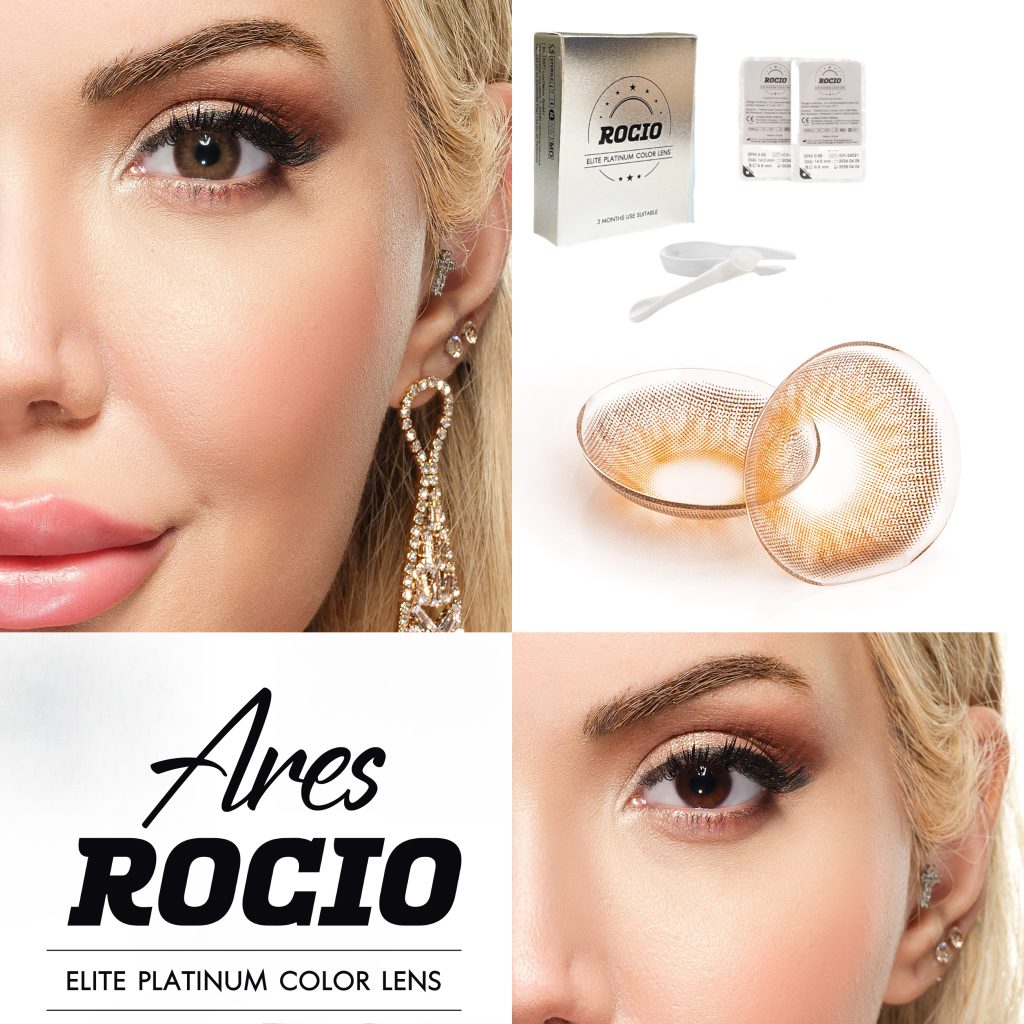
- Clear, Accurate Information: The packaging must clearly display the brand name (e.g., Alaska Lens, Amazon Lens), manufacturer, expiration date, lot number, base curve (BC), diameter (DIA), and power (PWR) if they are Numbered Lenses. For Unnumbered Lenses, the power will typically be 0.00.
- Regulatory Certifications: Look for certifications like CE marking (for products sold in Europe) or FDA approval (for products sold in the US). These indicate the product meets specific health and safety standards. You can often verify FDA-approved devices on their official database: FDA Contact Lens Information.
- No Mismatched Information: Ensure that the information on the box matches the information on the individual blister packs.
3. Examine the Lenses Themselves
Once you open a blister pack, carefully inspect the lens before attempting to wear it:
- Clarity and Color Uniformity: Authentic colored lenses, such as a Cosmetic lens Alaska or a Cosmetic lens Amazon, will have a consistent, vibrant color pattern without pixelation, smudges, or faded areas. Counterfeit lenses, like a poorly made Cosmetic lens Amon, might show uneven coloring or a ‘painted on’ look.
- Shape and Edge Smoothness: A genuine lens should have a perfectly round shape and smooth, even edges. Irregular shapes or rough edges are red flags that can cause extreme discomfort and damage to your eye.
- Moisture Content: Lenses should be fully submerged in a sterile saline solution. If the lens appears dry or the solution is cloudy, do not use it.
4. Check for Unique Security Features
Many reputable manufacturers incorporate security features to help consumers identify authentic products. These can include:
- Holograms: Small holographic stickers or elements on the packaging.
- QR Codes or Barcodes: Some brands allow you to scan a code to verify authenticity directly on their website.
- Unique Serial Numbers: A serial number that can be cross-referenced with the manufacturer’s database.
Always check the manufacturer’s official website for details on their specific anti-counterfeiting measures. For instance, a brand like Amber Color Lens might have specific packaging details that differentiate it from fakes.
Comparing Cosmetic Lenses: Alaska vs. Amazon
When selecting Colored Lenses, you might encounter various product lines. Let’s consider two popular hypothetical examples: Cosmetic lens Alaska and Cosmetic lens Amazon. While both aim to enhance eye color, their authenticity and quality can vary greatly depending on the supplier.
- Cosmetic lens Alaska: Often associated with natural, subtle enhancements, a genuine Cosmetic lens Alaska from a trusted retailer like Opticzade will feature advanced hydrogel or silicone hydrogel materials, ensuring high oxygen permeability and comfort. The color blending is usually sophisticated, mimicking natural iris patterns.
- Cosmetic lens Amazon: This name might refer to a variety of lenses sold through large online marketplaces, which can be a mixed bag. While some sellers on platforms like Amazon are legitimate, the platform itself doesn’t guarantee authenticity for every third-party listing. A genuine Cosmetic lens Amazon from a verified brand would also prioritize comfort and safety, but the risk of encountering unverified sellers is higher. Always apply the authenticity checks mentioned above, especially when purchasing from broad marketplaces.
Comparing these, the key isn’t the name itself, but the journey from manufacturer to your eye. A Cosmetic lens Asya or Cosmetic lens Avatar, regardless of its specific aesthetic, must pass the same authenticity checks. Beware of suspiciously low prices for products like Cosmetic lens Bianca or Cosmetic lens Costar, as this is a common red flag for counterfeits.
What to Do if You Suspect Counterfeit Lenses
If you have any doubts about how to check if colored contacts are authentic or if you suspect you’ve received fake lenses:
- Do NOT Wear Them: Immediately cease use and do not attempt to wear the lenses.
- Contact the Seller: Reach out to the seller and express your concerns. A legitimate seller will be responsive and willing to address the issue.
- Report to Authorities: If the seller is uncooperative or you’re certain they are selling fakes, report them to consumer protection agencies or relevant regulatory bodies. For medical devices, this could include the FDA or your local health authority.
- Consult an Eye Care Professional: If you’ve already worn the suspicious lenses and experience any discomfort, redness, or vision changes, consult an optometrist or ophthalmologist immediately.
For more general information on contact lens safety, you can refer to resources like Wikipedia’s Contact Lens page.
Why Choose Opticzade for Your Colored Lenses?
At Opticzade – Beauty Color Lens, we understand the importance of trust when it comes to eye care products. We are committed to providing only authentic, high-quality Colored Lenses. Our extensive selection includes popular options like 3 Month Lenses and Annual Lenses, as well as both Numbered Lenses and Unnumbered Lenses, all sourced from reputable manufacturers. When you choose Opticzade, you choose peace of mind, knowing that every Alaska Lens, Amber Color Lens, or any other product you purchase has undergone stringent quality checks and meets international safety standards. We make it easy for you to know how to check if colored contacts are authentic by ensuring our products meet all the criteria outlined in this guide.
how to check if colored contacts are authentic ile ilgili icerikler
Sikca Sorulan Sorular
How can I tell if my colored contacts are fake?
You can tell if your colored contacts are fake by checking several key indicators: verify the seller's reputation and authorization, inspect the packaging for clear information, regulatory certifications (like CE or FDA), and tamper-evident seals. Examine the lenses themselves for uniform color, smooth edges, and proper hydration. Be wary of unusually low prices and lack of manufacturer details.
What are the risks of wearing unauthentic colored contact lenses?
Wearing unauthentic colored contact lenses carries significant risks, including severe eye infections, corneal abrasions and ulcers, allergic reactions, reduced oxygen permeability leading to discomfort and damage, and distorted vision. These lenses are often made with substandard materials in unsanitary conditions, posing a serious threat to eye health.
Should I buy colored contacts from unauthorized sellers or marketplaces like Amazon?
It is strongly advised to only purchase colored contacts from authorized retailers or reputable optical stores. While some legitimate brands may sell on large marketplaces, the risk of encountering unverified third-party sellers offering counterfeit products is higher. Always prioritize sellers who can guarantee authenticity and provide proper certifications, like Opticzade.
What certifications should I look for on colored contact lens packaging?
When checking for authenticity, look for regulatory certifications such as the CE mark (indicating compliance with European health, safety, and environmental protection standards) or FDA approval (for products sold in the United States). These certifications confirm that the lenses meet specific health and safety requirements and have undergone necessary testing.
Onerilen Urunler
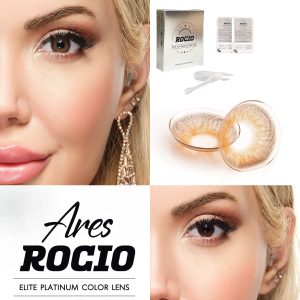
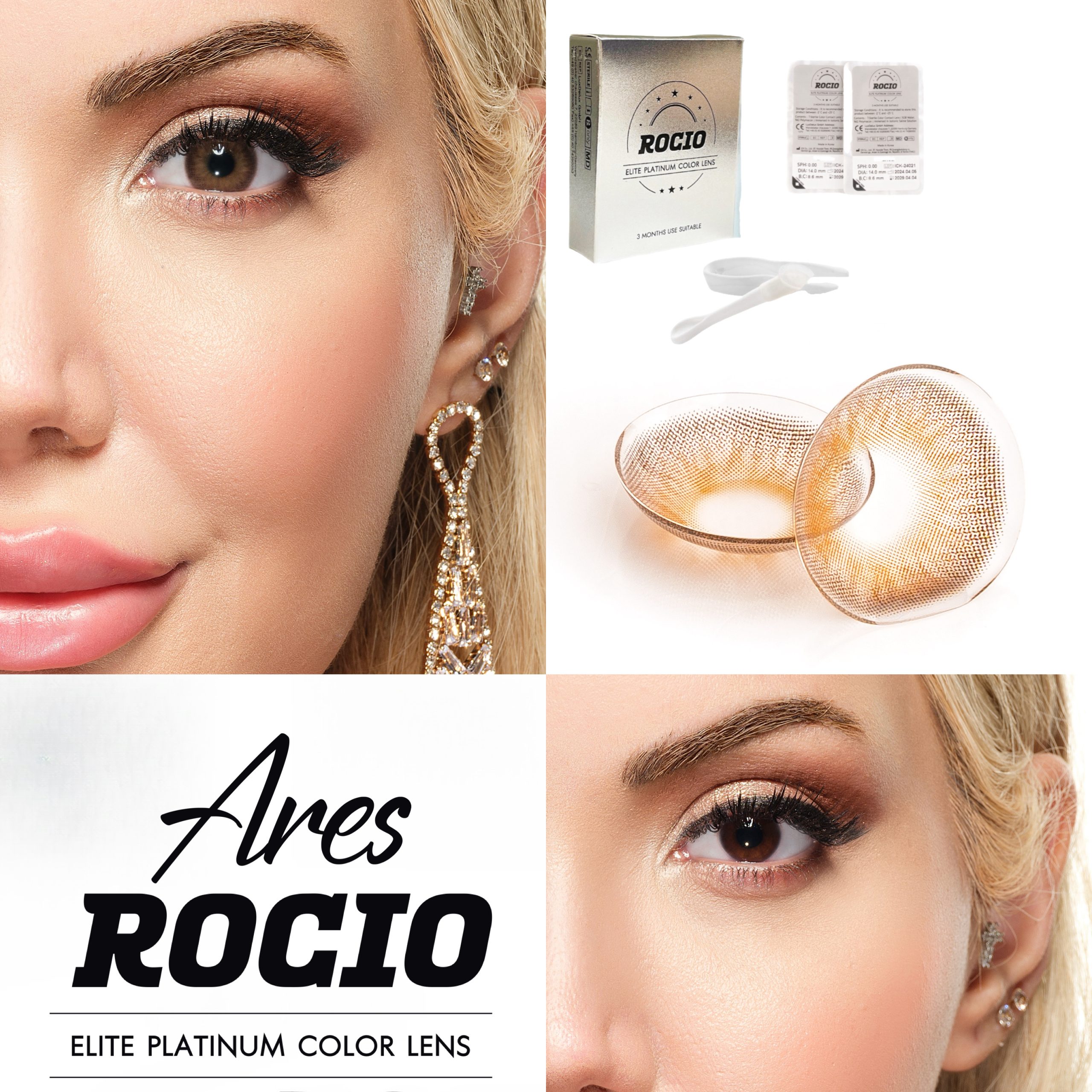
Cosmetic lens Ares
Price range: 1,00 € through 50,00 €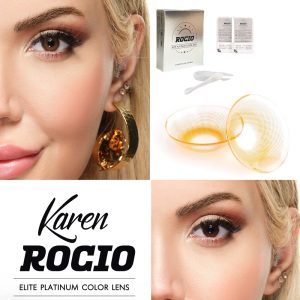
Cosmetic lens Karen
Original price was: 60,00 €.50,00 €Current price is: 50,00 €.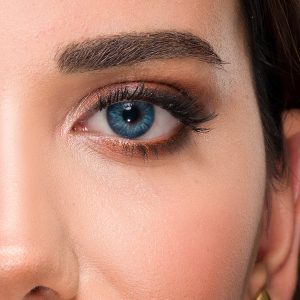
Cosmetic lens Alaska
Original price was: 70,00 €.60,00 €Current price is: 60,00 €.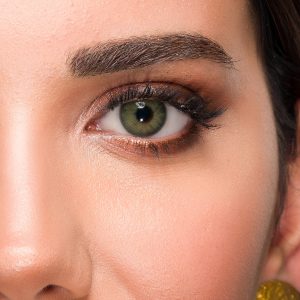
Cosmetic lens Amazon
Original price was: 70,00 €.60,00 €Current price is: 60,00 €.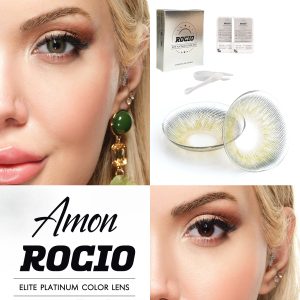
Cosmetic lens Amon
Original price was: 60,00 €.50,00 €Current price is: 50,00 €.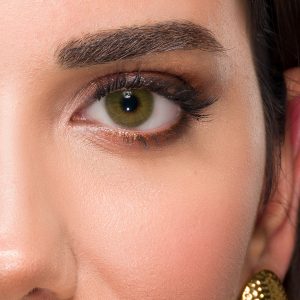
Cosmetic lens Asya
Original price was: 70,00 €.60,00 €Current price is: 60,00 €.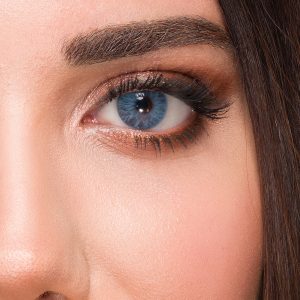
Cosmetic lens Avatar
Original price was: 70,00 €.60,00 €Current price is: 60,00 €.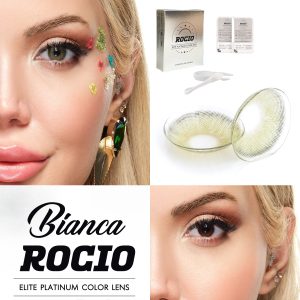
Cosmetic lens Bianca
Original price was: 60,00 €.50,00 €Current price is: 50,00 €.
About author
