
No products in the cart.
Return To Shop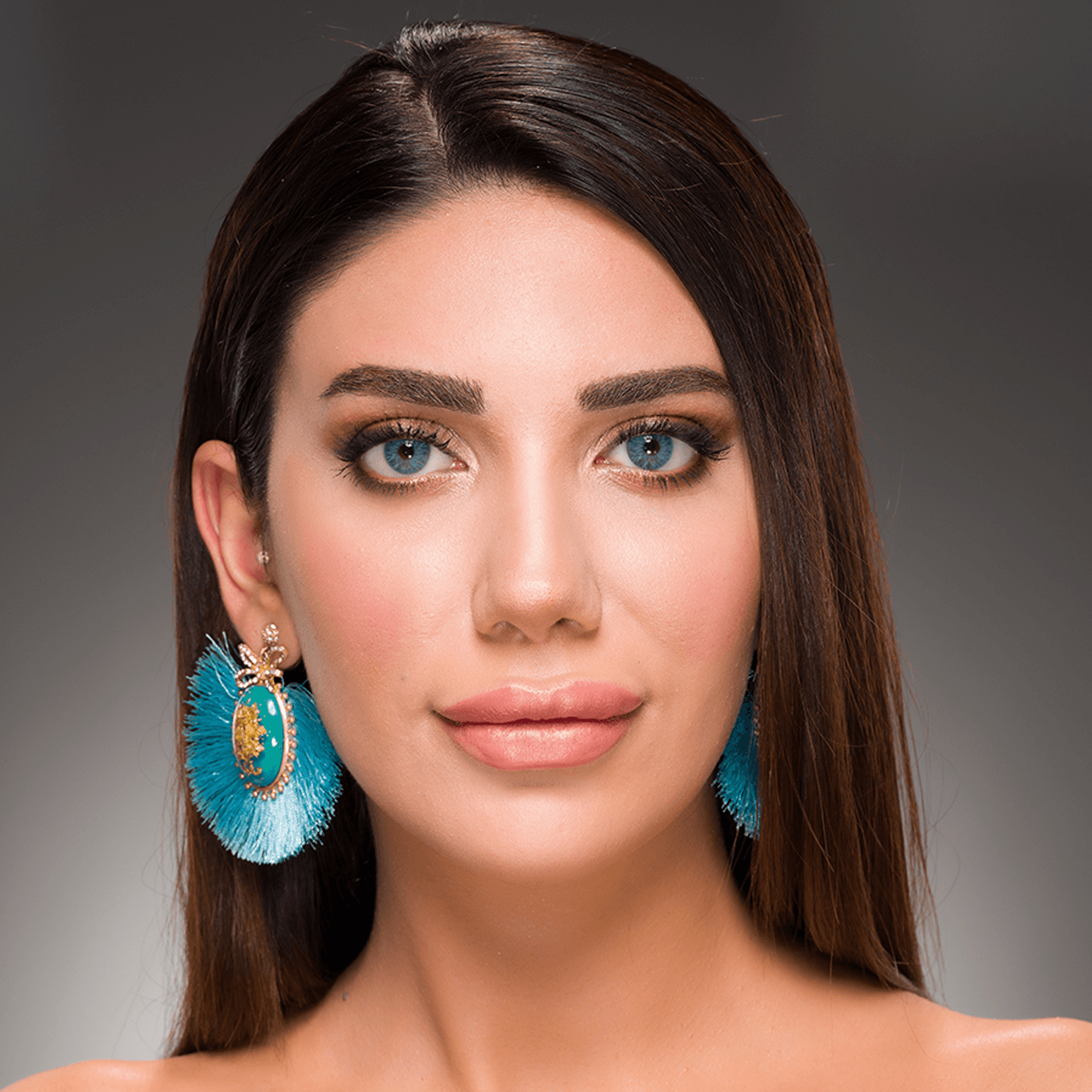
Choosing Your Comfort: Hydrogel vs. Puscon Color Lenses
Understanding the Key Difference Between Hydrogel and Puscon Color Lenses
AI Ozeti
This article explores the fundamental difference between hydrogel and Puscon color lenses, guiding users to make an informed choice for their eye health and style. Hydrogel lenses offer excellent initial comfort, ideal for shorter wear, while advanced Puscon lenses provide superior, sustained hydration and oxygen permeability, making them perfect for sensitive or dry eyes and extended wear. We delve into their material composition, comfort levels, and cost implications, emphasizing Opticzade's commitment to quality options. Ultimately, the best choice depends on individual needs, with professional consultation highly recommended.
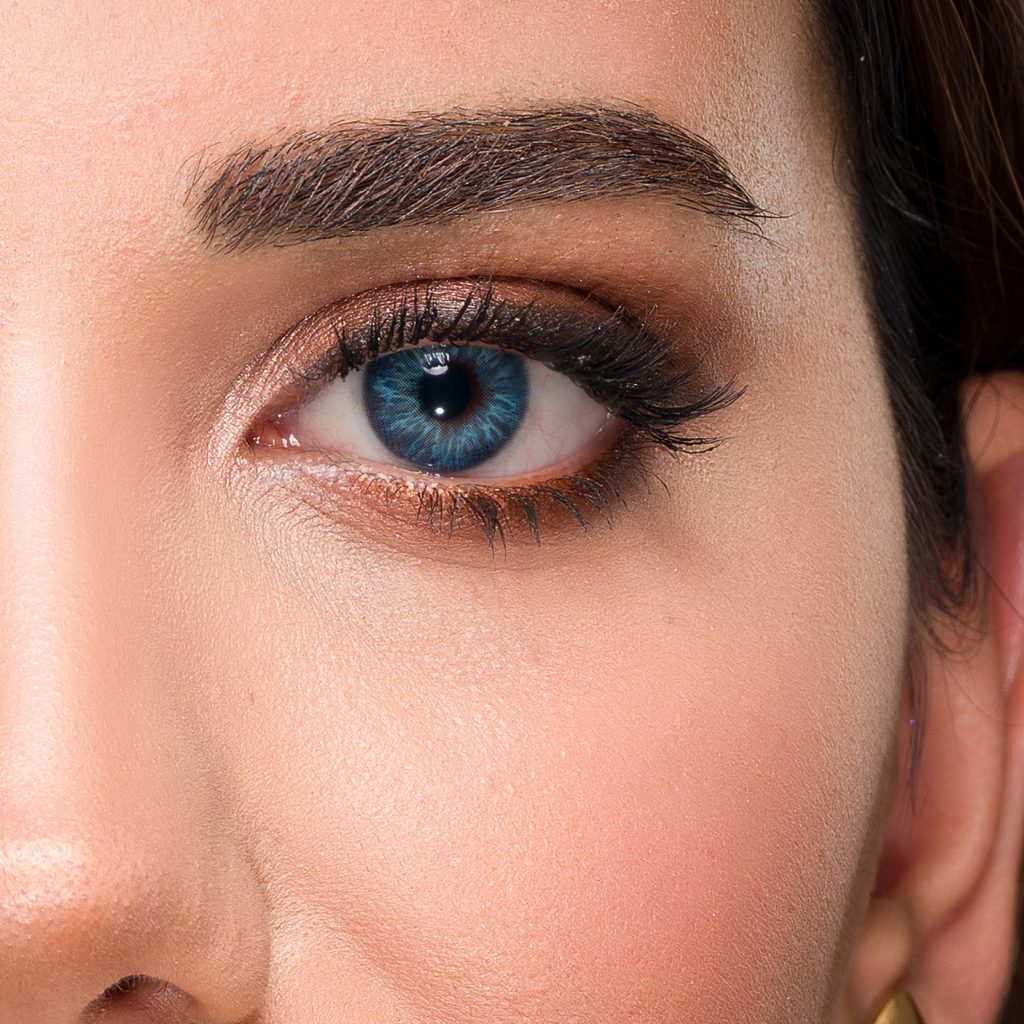
Understanding the difference between hydrogel and Puscon color lenses is crucial for anyone seeking both vibrant eye aesthetics and optimal comfort. As a leading provider of premium colored lenses, Opticzade is committed to helping you make an informed choice that aligns with your eye health and lifestyle. The material of your contact lens significantly impacts how your eyes feel throughout the day, influencing everything from hydration to oxygen permeability. Let’s dive deep into these two popular materials to uncover their unique properties and help you determine which is the best fit for your vision and style needs.
Understanding Hydrogel Color Lenses: The Foundation of Comfort
Hydrogel, a pioneering material in contact lens technology, has long been a staple for its excellent initial comfort. These lenses are made from water-absorbing plastics, and their comfort largely stems from their water content. The higher the water content, the softer and more pliable the lens tends to be, making it feel natural upon insertion. Many popular options, including various 3 Month Lenses and Unnumbered Lenses, utilize hydrogel technology.
While hydrogel lenses offer a comfortable experience for many, especially those new to colored contacts, their oxygen permeability can be a limiting factor. Oxygen reaches the cornea through the water in the lens. If the water content drops due to evaporation, the oxygen flow can decrease, potentially leading to dryness and discomfort over extended wear. This is why hydrogel lenses are often recommended for shorter wear times or for individuals who don’t experience significant eye dryness.
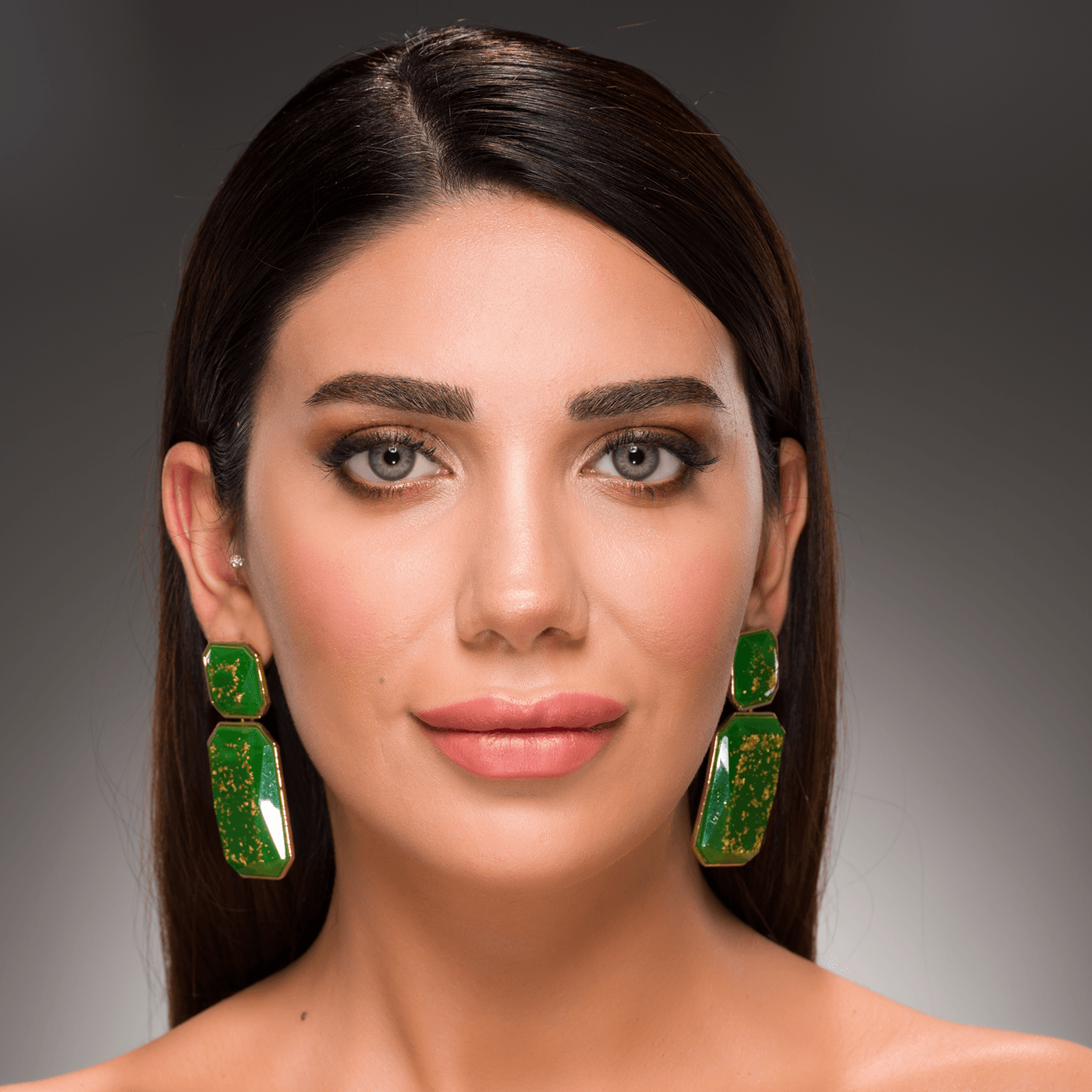
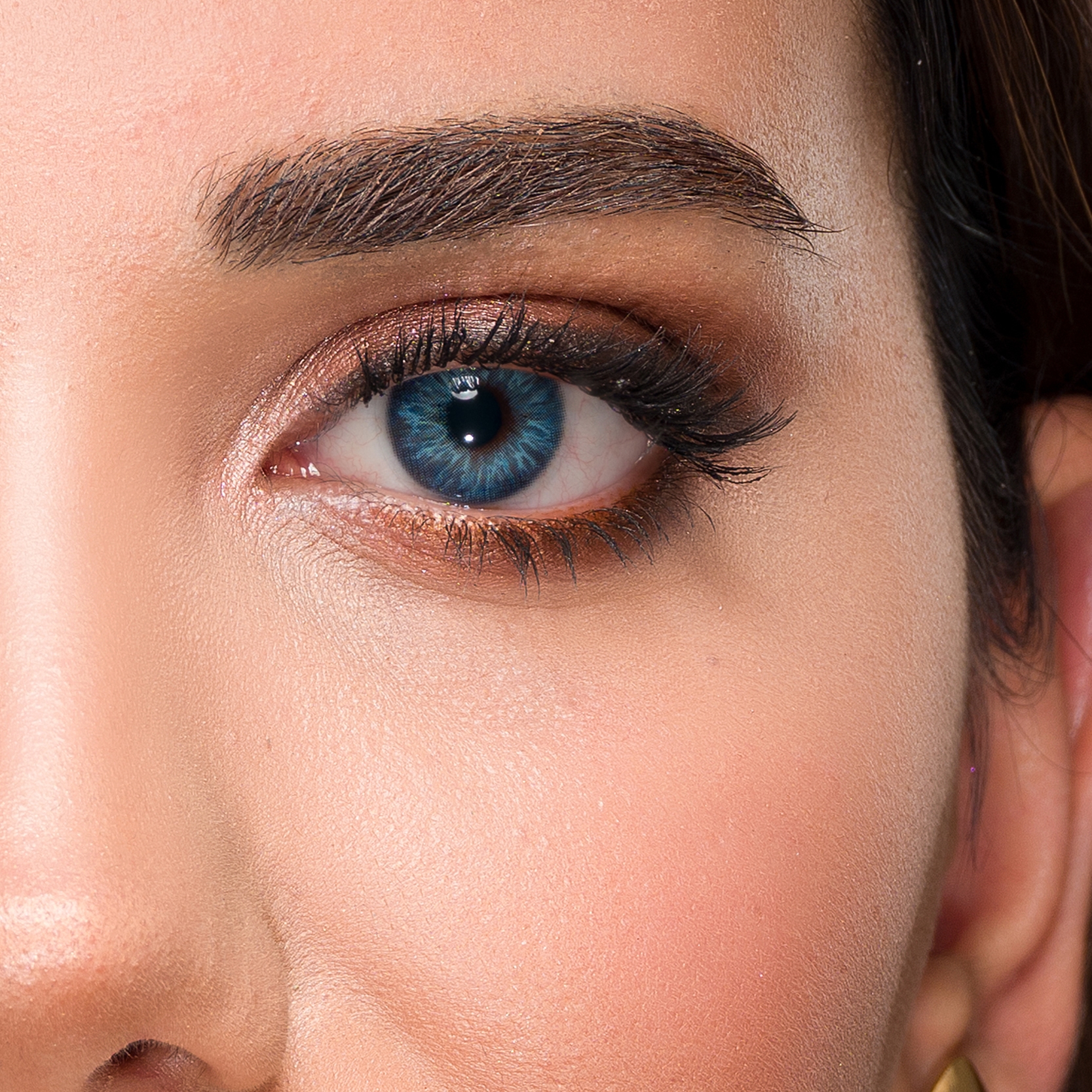
For example, a classic Cosmetic lens Alaska might be crafted from a high-quality hydrogel, providing a fantastic initial feel and vibrant color. However, if you find your eyes feeling tired or dry after several hours, you might benefit from exploring alternative materials.
Delving into Puscon Color Lenses: Advanced Hydration Technology
Puscon, short for Phosphorylcholine, represents a significant advancement in contact lens material science. It’s a biomimetic material, meaning it mimics substances naturally found in the human body, particularly the cell membranes. This unique composition allows Puscon lenses to retain moisture exceptionally well and resist protein and lipid deposits from tears, which can often lead to discomfort and reduced lens clarity over time. This makes Puscon an excellent choice for Annual Lenses, where long-term comfort and hygiene are paramount.
The key advantage of Puscon lies in its superior hydration and biocompatibility. Lenses made with Puscon, such as the advanced Cosmetic lens Amazon, are designed to keep your eyes feeling fresh and hydrated for longer durations, even in challenging environments. This is particularly beneficial for individuals with sensitive eyes or those prone to contact lens-induced dryness. The material’s structure also allows for higher oxygen transmission compared to traditional hydrogels, promoting better eye health during extended wear.
When considering the difference between hydrogel and Puscon color lenses, Puscon often stands out for its ability to provide sustained comfort and reduce the common issues associated with prolonged contact lens wear. It’s a material engineered for those who demand peak performance and comfort throughout their day.
Key Differences: Hydrogel vs. Puscon Color Lenses in Detail
To truly grasp the distinction and make an informed decision for your colored contact lenses, let’s compare hydrogel and Puscon across several critical aspects:
Puscon vs. Hydrogel: A Closer Look at Material Science
- Material Composition: Hydrogel lenses are typically made from HEMA (hydroxyethyl methacrylate) polymers, known for their water-absorbing properties. Puscon, on the other hand, incorporates Phosphorylcholine, a synthetic polymer that mimics natural cell membranes, offering enhanced biocompatibility.
- Water Content & Hydration: While both materials contain water, Puscon excels in its ability to retain moisture. Hydrogel lenses can lose water content over time, leading to dryness. Puscon’s biomimetic properties create a natural barrier against evaporation, maintaining a stable hydration level on the eye’s surface for extended periods.
- Oxygen Permeability: This is a significant point of difference between hydrogel and Puscon color lenses. Traditional hydrogels have moderate oxygen permeability, primarily relying on their water content. Puscon, with its advanced structure, generally offers higher oxygen transmission, ensuring more oxygen reaches the cornea and promoting better eye health, especially during long wear.
- Comfort & Wear Time: Hydrogel provides excellent initial comfort. However, Puscon often delivers superior sustained comfort, particularly for extended wear, thanks to its consistent hydration and higher oxygen flow. If you wear your lenses for many hours, Puscon often proves more comfortable.
- Biocompatibility & Eye Health: Puscon’s biomimetic nature makes it highly biocompatible, reducing the likelihood of irritation and allergic reactions. It also resists protein and lipid deposits more effectively than many hydrogels, contributing to cleaner lenses and better eye hygiene. This is vital for both Numbered Lenses and Unnumbered Lenses.
- Cost Implications: Due to its advanced technology and manufacturing processes, Puscon lenses can sometimes be at a higher price point than basic hydrogel options. However, the enhanced comfort, extended wear time, and potential for better eye health often justify the investment for many users. Opticzade offers competitive pricing for both.
Consider the general science behind contact lenses to appreciate these material differences further. For instance, comparing the Cosmetic lens Amon (potentially hydrogel) with the Cosmetic lens Ares (potentially Puscon) would highlight these distinctions in real-world application, offering different experiences for different users.
Choosing the Right Lens for You: Opticzade’s Expert Advice
Deciding between hydrogel and Puscon color lenses ultimately depends on your individual eye characteristics, lifestyle, and preferences. Here’s how to navigate your choice:
- For New Users or Shorter Wear: If you’re new to colored contacts or only wear them for a few hours at a time, hydrogel lenses like those from the Alaska Lens collection can offer an excellent, comfortable introduction to vibrant eye transformations.
- For Dry or Sensitive Eyes: If you experience dryness, discomfort, or have sensitive eyes, Puscon lenses are often the superior choice. Their advanced hydration properties, as seen in the Amazon Lens series, can provide all-day comfort and reduce irritation.
- For Extended Wear: For those who wear their lenses for 8+ hours daily, Puscon materials offer better oxygen permeability and moisture retention, contributing to healthier and more comfortable eyes throughout the day.
- Budget Considerations: While Puscon might have a slightly higher initial cost, consider the long-term benefits of enhanced comfort and eye health. Opticzade ensures that whether you choose a vibrant Amber Color Lens in hydrogel or Puscon, you receive the best value for quality.
Always consult with an eye care professional before trying new contact lenses. They can assess your eye health, prescription (if needed for Numbered Lenses), and recommend the material best suited for your specific needs. Opticzade, as ‘Opticzade – Beauty Color Lens’, prides itself on offering a diverse range of high-quality Colored Contact Lenses in both hydrogel and Puscon, ensuring there’s a perfect match for everyone. We believe in empowering our customers with knowledge to make the best decisions for their eye comfort and style.
For more detailed information on contact lens care and eye health, you can refer to resources like the American Optometric Association’s guidelines.
Whether you’re looking for the subtle enhancement of a Cosmetic lens Asya or the dramatic flair of a Cosmetic lens Avatar, understanding the underlying material is key to a satisfying experience. The difference between hydrogel and Puscon color lenses isn’t just about chemistry; it’s about how your eyes feel, day in and day out.
difference between hydrogel and puscon color lenses ile ilgili icerikler
Sikca Sorulan Sorular
What is the main difference between Hydrogel and Puscon color lenses?
The main difference lies in their material composition and hydration properties. Hydrogel lenses offer good initial comfort but may lead to dryness over extended wear. Puscon lenses, made with a biomimetic material, provide superior, sustained hydration, higher oxygen permeability, and resistance to deposits, making them more comfortable for longer durations and sensitive eyes.
Which type of lens is better for dry or sensitive eyes?
Puscon color lenses are generally better for dry or sensitive eyes. Their advanced biomimetic material mimics natural eye components, retaining moisture more effectively and reducing irritation, leading to enhanced comfort throughout the day.
Can I wear Puscon lenses for longer periods than Hydrogel lenses?
Yes, typically. Puscon lenses are designed for extended wear due to their higher oxygen permeability and superior moisture retention, which helps maintain eye health and comfort for longer durations compared to traditional hydrogel lenses.
Are Hydrogel or Puscon lenses more expensive?
Puscon lenses, due to their advanced technology and enhanced features like superior hydration and biocompatibility, can sometimes be at a slightly higher price point than basic hydrogel options. However, the investment often translates to greater comfort and eye health benefits.
Does Opticzade offer both Hydrogel and Puscon color lenses?
Yes, Opticzade - Beauty Color Lens prides itself on offering a diverse range of high-quality colored contact lenses in both hydrogel and Puscon materials, ensuring customers can find the perfect match for their comfort and style needs.
Onerilen Urunler
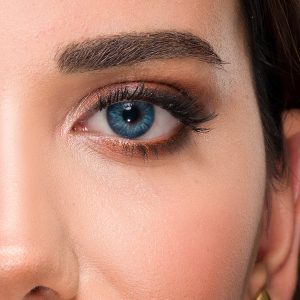
Cosmetic lens Alaska
Original price was: 70,00 €.60,00 €Current price is: 60,00 €.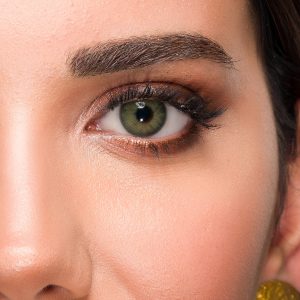
Cosmetic lens Amazon
Original price was: 70,00 €.60,00 €Current price is: 60,00 €.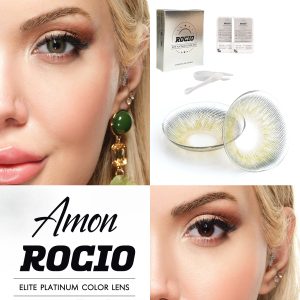
Cosmetic lens Amon
Original price was: 60,00 €.50,00 €Current price is: 50,00 €.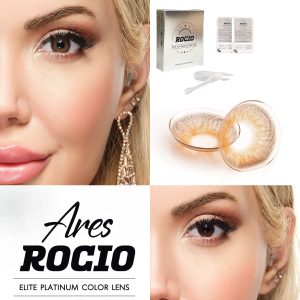
Cosmetic lens Ares
Price range: 1,00 € through 50,00 €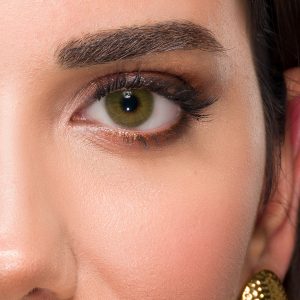
Cosmetic lens Asya
Original price was: 70,00 €.60,00 €Current price is: 60,00 €.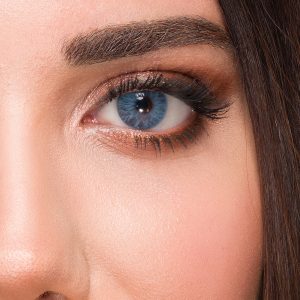
Cosmetic lens Avatar
Original price was: 70,00 €.60,00 €Current price is: 60,00 €.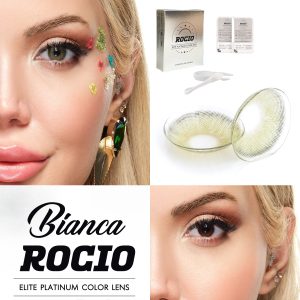
Cosmetic lens Bianca
Original price was: 60,00 €.50,00 €Current price is: 50,00 €.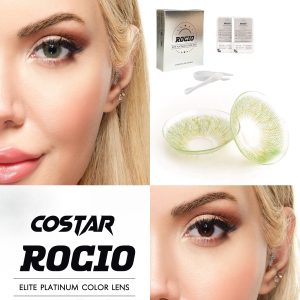
Cosmetic lens Costar
Original price was: 60,00 €.50,00 €Current price is: 50,00 €.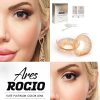
About author
