
No products in the cart.
Return To Shop
Blurry Vision with Colored Contacts: Pinpointing the Cause
Decoding Blurry Vision: Why Do My Colored Contacts Feel Blurry?
AI Ozeti
Experiencing blurry vision with colored contacts can be frustrating, but it's often due to common, solvable issues. This article explores why your colored contacts might feel blurry, covering causes like dry eyes, improper fit, debris, and poor hygiene. It emphasizes the importance of selecting the correct lens material and fit, comparing options like Cosmetic lens Alaska and Cosmetic lens Amazon, and provides essential tips for contact lens care. Ultimately, it advises seeking professional help for persistent blurriness to ensure optimal eye health and comfort.
It can be frustrating when you’ve chosen the perfect shade to enhance your eyes, only to find yourself asking, “why do my colored contacts feel blurry?” This common issue can range from a minor annoyance to a significant impediment to comfortable wear. At Opticzade, your trusted source for high-quality colored contact lenses, we understand the importance of clear vision and comfort. This article will delve into the various reasons behind blurry vision with colored contacts and provide actionable solutions to help you see clearly and enjoy your beautiful new look.
Understanding the Common Culprits Behind Blurry Colored Contacts
Blurry vision with colored contacts isn’t usually a sign of a serious problem, but rather an indication that something isn’t quite right with your lenses, your eyes, or your care routine. Several factors can contribute to this issue:
- Dry Eyes: One of the most frequent causes. Insufficient tear production or rapid evaporation of tears can lead to a dry lens surface, causing blurriness and discomfort. This is especially common with certain lens materials or in dry environments.
- Improper Lens Fit: Colored lenses, like all contact lenses, come in specific base curves and diameters. A lens that is too tight can restrict tear flow and oxygen to the eye, while a lens that is too loose can move excessively, both leading to blurry vision.
- Debris or Deposits: Dust, lint, makeup residue, or protein deposits can accumulate on the lens surface, obstructing your vision. Even a tiny particle can make your colored contacts feel blurry.
- Incorrect Prescription or Lens Power: If you’re wearing Numbered Lenses, an outdated or incorrect prescription will naturally result in blurry vision. Even with Unnumbered Lenses, if they are not purely cosmetic and have a slight power, this can be a factor.
- Lens Damage: Tears, nicks, or scratches on the lens can distort vision. Always inspect your lenses before insertion.
- Lens Orientation: If a soft contact lens is inside out, it won’t sit properly on your eye, leading to discomfort and blurriness.
The Importance of Proper Fit and Lens Material for Clear Vision
The fit and material of your Colored Lenses are paramount for both comfort and visual acuity. A lens that fits well allows for proper tear exchange and oxygen flow, crucial for eye health and clear sight. At Opticzade, we emphasize the importance of choosing the right specifications.
Comparing Popular Cosmetic Lenses: Alaska vs. Amazon
When selecting cosmetic lenses, factors like material, base curve, and diameter play a significant role. For instance, a Cosmetic lens Alaska might feature a specific hydrogel composition designed for extended comfort, while a Cosmetic lens Amazon could utilize a silicone hydrogel blend, offering higher oxygen permeability. If you find your Alaska Lens feels blurry, it might be due to a slight difference in its base curve compared to what your eye naturally requires, or perhaps a different water content that doesn’t suit your tear film. Conversely, the Amazon Lens might offer a better fit for your specific eye shape, leading to clearer vision. Brands like Opticzade offer a diverse range, including popular choices like the Amber Color Lens, each with unique characteristics that can affect how they feel and perform for individual users. Other options such as Cosmetic lens Amon, Cosmetic lens Ares, Cosmetic lens Asya, Cosmetic lens Avatar, Cosmetic lens Bianca, and Cosmetic lens Costar also come with their own material and design nuances. It’s crucial to consult with an eye care professional to determine the best fit for your eyes, especially if you’re considering 3 Month Lenses or Annual Lenses, where long-term comfort and clarity are essential.
Hygiene and Care: Preventing Blurry Vision from Contamination
Proper contact lens hygiene is non-negotiable for clear vision and eye health. Neglecting your cleaning routine is a common reason why your colored contacts feel blurry. Here’s what you need to do:
- Always Wash Your Hands: Before handling lenses, wash your hands thoroughly with soap and water and dry them with a lint-free towel.
- Use Fresh Solution: Always use fresh, sterile contact lens solution to clean and store your lenses. Never use tap water or saliva. For detailed guidelines, refer to resources like the CDC’s Contact Lens Care & Handling guide.
- Clean and Rinse: Rub your lenses gently with solution in the palm of your hand, then rinse thoroughly before placing them in a clean lens case filled with fresh solution.
- Replace Lens Case Regularly: Your lens case should be cleaned daily and replaced every three months to prevent bacterial buildup.
- Adhere to Replacement Schedule: Whether you’re using daily disposables, 3 Month Lenses, or Annual Lenses, always follow the recommended replacement schedule. Overwearing lenses can lead to protein buildup, reduced oxygen flow, and blurry vision.
- Avoid Sleeping in Lenses: Unless specifically prescribed by your eye care professional, never sleep in your colored contacts.
When to Seek Professional Help for Persistent Blurry Vision
While many causes of blurry vision with colored contacts can be resolved with proper care and lens selection, persistent blurriness, discomfort, redness, or pain are signs that you should consult an eye care professional. An optometrist or ophthalmologist can:
- Check Your Prescription: Ensure your prescription is up-to-date and accurate for any Numbered Lenses.
- Assess Lens Fit: Determine if your current lenses have the correct base curve and diameter for your eyes.
- Diagnose Underlying Issues: Identify conditions like severe dry eye, allergies, or infections that might be causing the blurriness.
- Recommend Different Lenses: Suggest alternative lens materials or brands that might be more suitable for your eyes.
For more information on eye health and when to seek professional care, the American Academy of Ophthalmology offers valuable resources. Remember, your eye health is paramount, and Opticzade is committed to providing not just beautiful Colored Contact Lenses, but also the knowledge to wear them safely and comfortably.
Don’t let blurry vision diminish your experience with colored contacts. By understanding the common causes and implementing proper care routines, you can enjoy clear, vibrant vision. If the problem persists, always consult with an eye care specialist. At Opticzade.com, we’re dedicated to helping you find the perfect lenses for both style and comfort, ensuring your journey with colored contacts is always a clear one.
why do my colored contacts feel blurry ile ilgili icerikler
Sikca Sorulan Sorular
Why do my colored contacts feel blurry even after cleaning them?
Even after cleaning, blurry vision can persist due to several factors. It could be an improper lens fit (too tight or too loose), an outdated prescription if you're wearing Numbered Lenses, or even dry eyes causing the lens to dehydrate on your eye. Protein or lipid deposits can also build up over time, especially with 3 Month Lenses or Annual Lenses, requiring a more thorough cleaning or replacement.
Can dry eyes make my colored contacts feel blurry?
Yes, absolutely. Dry eyes are a very common reason why colored contacts feel blurry. When your eyes don't produce enough tears, or if your tears evaporate too quickly, the contact lens surface can become dry and uneven, leading to hazy or blurry vision. Using rewetting drops specifically designed for contact lenses can help, but if the issue persists, consult an eye care professional.
How important is the fit of my colored contacts for clear vision?
The fit of your colored contacts is extremely important for clear vision and comfort. A lens that doesn't fit correctly (either too tight or too loose in terms of base curve and diameter) can move excessively, trap debris, or restrict oxygen flow to your cornea, all of which can cause blurriness and irritation. For example, if a Cosmetic lens Alaska doesn't fit your eye's curvature, it might feel blurrier than a Cosmetic lens Amazon that has a different base curve. Always get a professional fitting for any Colored Lenses, whether they are Numbered Lenses or Unnumbered Lenses.
When should I see an eye doctor if my colored contacts feel blurry?
You should see an eye doctor if your colored contacts feel blurry persistently, despite following proper cleaning and care routines. Also seek professional help if you experience accompanying symptoms like redness, pain, excessive tearing, light sensitivity, or a sudden decrease in vision. These could indicate an underlying eye condition or an issue with your lenses that requires professional diagnosis and treatment.
Onerilen Urunler
Cosmetic lens Alaska
Original price was: 70,00 €.60,00 €Current price is: 60,00 €.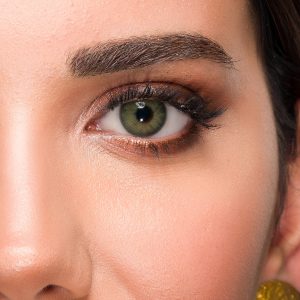
Cosmetic lens Amazon
Original price was: 70,00 €.60,00 €Current price is: 60,00 €.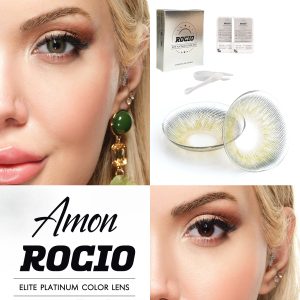
Cosmetic lens Amon
Original price was: 60,00 €.50,00 €Current price is: 50,00 €.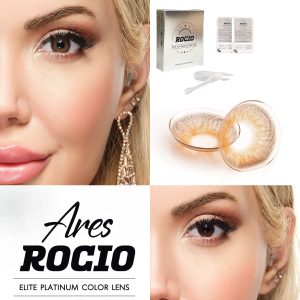
Cosmetic lens Ares
Price range: 1,00 € through 50,00 €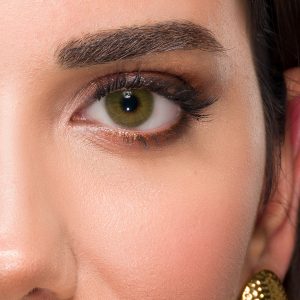
Cosmetic lens Asya
Original price was: 70,00 €.60,00 €Current price is: 60,00 €.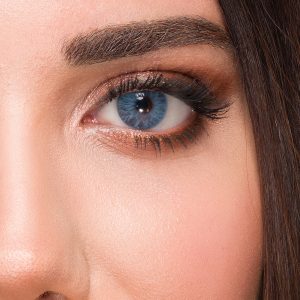
Cosmetic lens Avatar
Original price was: 70,00 €.60,00 €Current price is: 60,00 €.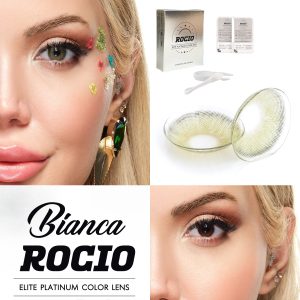
Cosmetic lens Bianca
Original price was: 60,00 €.50,00 €Current price is: 50,00 €.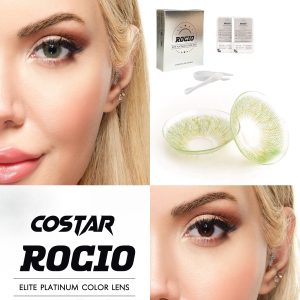
Cosmetic lens Costar
Original price was: 60,00 €.50,00 €Current price is: 50,00 €.
About author
