
No products in the cart.
Return To Shop
Rocio Pigment Density for Flash Photography: Mastering Eye Color
Mastering Rocio Pigment Density for Stunning Flash Photography
AI Ozeti
This article explores the critical role of rocio pigment density for flash photography when using colored contact lenses. It delves into how pigment density affects light interaction, color vibrancy, and common challenges like glare or revealing natural eye color under flash. The guide provides practical advice on choosing the right lenses, highlighting Opticzade's range including Alaska, Amazon, and Amber series, and offers tips for photographers and lens wearers to achieve stunning results. Ultimately, it positions Opticzade as a reliable source for high-quality colored contact lenses optimized for various photographic needs.
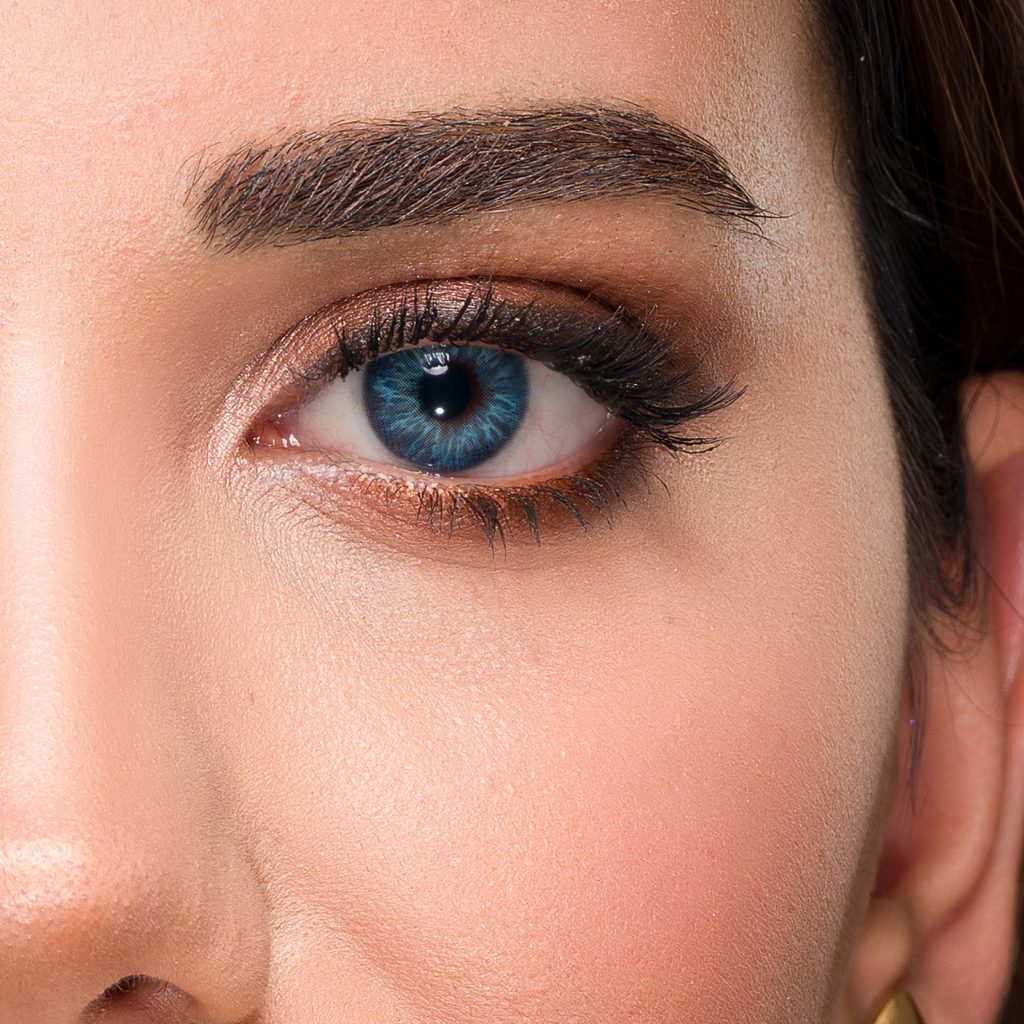
Understanding rocio pigment density for flash photography is crucial for anyone looking to achieve captivating eye effects with colored contact lenses. Whether you’re a professional photographer, a model, or simply someone who loves experimenting with their look, the interaction between lens pigment and artificial light can dramatically alter the final image. At Opticzade.com, we specialize in high-quality Beauty Color Lenses, and we’re here to guide you through the nuances of selecting the perfect lenses for your flash photography needs.
What is Rocio Pigment Density and Why it Matters for Flash?
Rocio pigment density refers to the concentration and layering of color pigments within a contact lens. This density directly influences how opaque or translucent a lens appears, and more importantly, how it reacts to different lighting conditions, especially flash. For colored contact lenses, the pigment isn’t just a surface layer; it’s often encapsulated within the lens material, affecting its interaction with light.
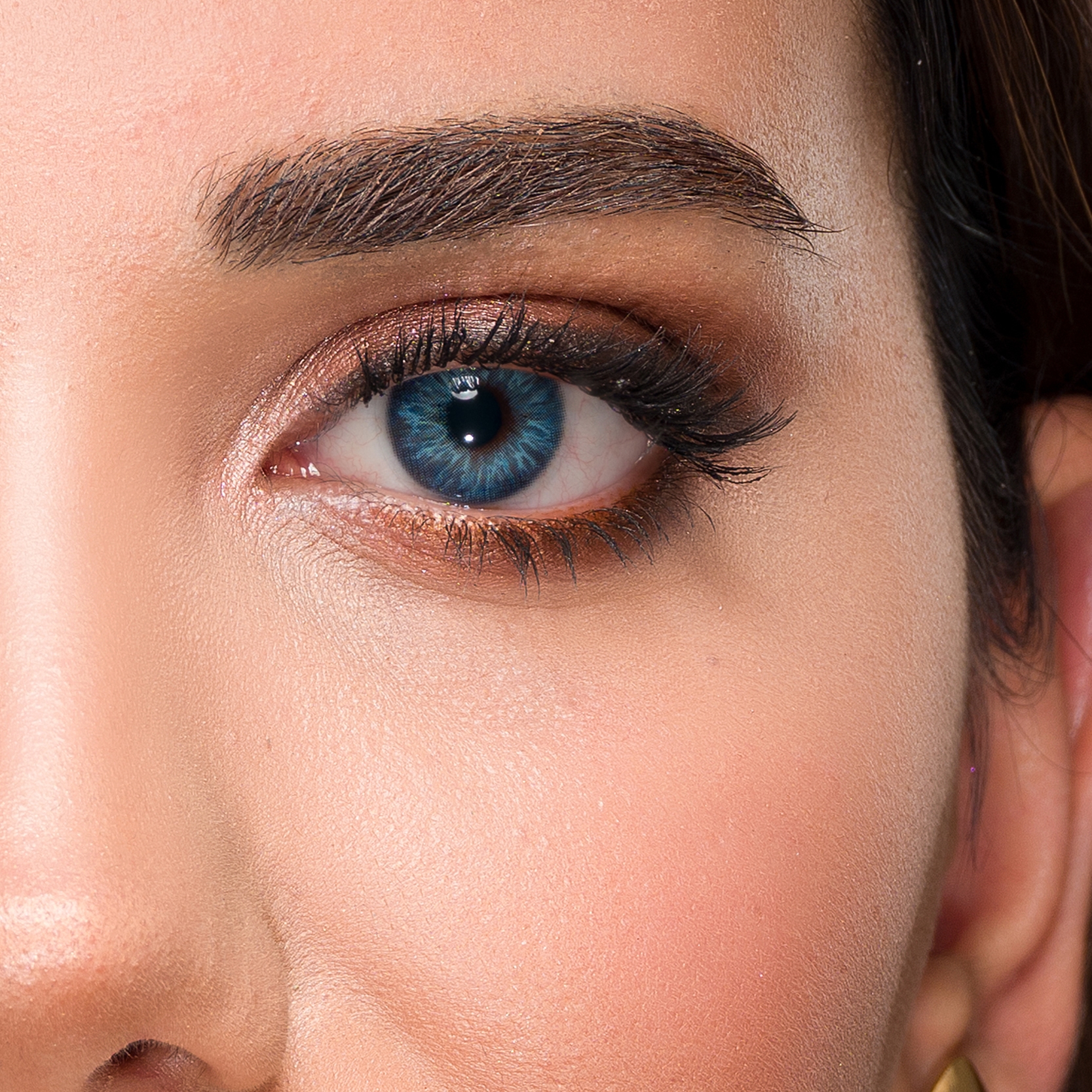
When a flash fires, it emits a burst of intense, direct light. Lenses with lower pigment density might appear more natural in ambient light but can become somewhat transparent or even reveal the wearer’s natural eye color when hit by a strong flash. Conversely, lenses with higher pigment density offer more robust color transformation, ensuring the desired hue stands out even under harsh artificial light. This is particularly important for dramatic transformations or when photographing against challenging backgrounds.
The Interaction of Flash Photography with Colored Contact Lenses
Flash photography presents unique challenges and opportunities for colored contact lenses. The sudden burst of light can:
- Intensify Color: High-density pigments can appear even more vibrant and striking.
- Create Glare or Reflection: The lens surface can reflect the flash, sometimes creating an undesirable ‘halo’ effect or obscuring the eye color.
- Reveal Natural Eye Color: Lenses with insufficient pigment density may not fully mask the natural iris, especially in darker eyes, leading to an unnatural blend.
- Highlight Texture: The flash can emphasize the intricate patterns and designs within the lens, which can be either a desired artistic effect or an unwanted distraction.
Mastering rocio pigment density for flash photography means understanding how to mitigate these challenges while maximizing the visual impact. It’s about finding the balance between a natural look and a dramatic transformation, depending on your photographic goals.
Choosing the Right Lenses for Optimal Flash Performance
Selecting the ideal colored lenses for flash photography involves considering several key factors:
Pigment Opacity and Pattern
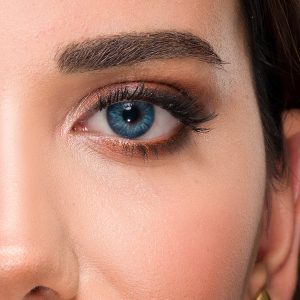
For flash photography, higher opacity is generally preferred to ensure the lens color dominates. Lenses like the Cosmetic lens Alaska or Cosmetic lens Amazon from Opticzade are known for their excellent pigment density, providing a solid color base that holds up well under flash. The pattern of the pigment also matters; a dense, uniform pattern will offer more consistent coverage than a highly intricate, sparse design when strong light is applied.
When comparing, for instance, the Cosmetic lens Alaska with the Cosmetic lens Amazon, the Alaska series often features a slightly more opaque, solid color matrix, making it excellent for complete eye color transformations under flash. The Amazon series, while also highly pigmented, might incorporate more subtle blending patterns at the limbal ring, which can offer a softer transition but still maintain strong color saturation. Both are fantastic choices among our Colored Lenses, but your specific desired effect will guide your choice.
Lens Type and Duration
The type of lens can also influence its performance under flash. Our 3 Month Lenses and Annual Lenses are designed for extended wear and often feature robust pigment encapsulation, ensuring color stability over time and consistent performance even with repeated flash exposure. Whether you need Numbered Lenses for vision correction or Unnumbered Lenses for purely cosmetic purposes, Opticzade ensures high-quality pigment density across its range.
Color Selection: Amber, Alaska, and Amazon Lenses
Certain colors and brands are renowned for their flash-friendly qualities. Our Amber Color Lens collection, for example, offers rich, warm tones that glow beautifully under flash without appearing artificial. The Alaska Lens and Amazon Lens series are also highly sought after for their vibrant and consistent color payoff, making them excellent choices for professional shoots where precise color rendition is critical. Other popular options like Cosmetic lens Amon, Cosmetic lens Ares, Cosmetic lens Asya, Cosmetic lens Avatar, Cosmetic lens Bianca, and Cosmetic lens Costar also offer varying degrees of pigment density suitable for different flash photography scenarios.
Practical Tips for Photographers and Lens Wearers
To get the best results when working with rocio pigment density for flash photography:
- Test Shots are Key: Always take a few test shots with flash before the main session. This allows you to see how the lenses react and make adjustments.
- Diffuse Your Flash: Direct flash can be harsh. Use diffusers, softboxes, or bounce the flash off a ceiling or wall to create softer, more flattering light that minimizes glare and enhances the lens color.
- Adjust Camera Settings: Experiment with flash power, aperture, and ISO. A slightly lower flash power combined with a wider aperture might produce a more natural look while still highlighting the eye color.
- Consider Lighting Angles: Avoid direct frontal flash if possible. Slight off-axis lighting can add depth and dimension to the eyes without causing harsh reflections.
- Post-Processing: Minor adjustments in post-production can refine the look, but a good starting image with well-chosen lenses is always the best foundation.
- Lens Comfort and Hydration: Ensure the wearer is comfortable. Dry eyes can lead to discomfort and affect the natural look of the eyes in photos. Opticzade lenses are designed for comfort and extended wear.
Opticzade: Your Partner for Exceptional Eye Color
At Opticzade.com, we are committed to providing Beauty Color Lenses that meet the highest standards of quality, comfort, and visual impact. Our extensive range, including popular choices like Alaska, Amazon, and Amber, is meticulously designed with optimal rocio pigment density to perform beautifully across various lighting conditions, including demanding flash photography setups. We understand the importance of vibrant, consistent color, and our lenses are crafted to help you achieve your desired aesthetic with confidence and ease.
Whether you’re aiming for a subtle enhancement or a dramatic transformation, Opticzade offers the expertise and product selection to elevate your photography and personal style. Trust Opticzade for lenses that truly shine.
rocio pigment density for flash photography ile ilgili icerikler
Sikca Sorulan Sorular
What is rocio pigment density in colored contact lenses?
Rocio pigment density refers to the concentration and layering of color pigments within a contact lens. It determines how opaque or translucent the lens appears and how effectively it masks the natural eye color, especially under intense lighting like flash photography.
Why is rocio pigment density important for flash photography?
For flash photography, high rocio pigment density is crucial because direct, intense light can make lower-density lenses appear transparent or reveal the natural eye color. Higher density ensures the desired lens color remains vibrant and consistent, preventing unwanted effects like glare or an unnatural look.
Which Opticzade lenses are best for flash photography?
Opticzade offers several lines ideal for flash photography due to their high pigment density. Our Alaska and Amazon series, along with the Amber Color Lens collection, are highly recommended for their vibrant and consistent color payoff under flash. These lenses provide excellent coverage and color transformation.
What tips can help achieve better results with colored lenses and flash?
To get the best results, always take test shots, diffuse your flash to soften the light, and experiment with camera settings like flash power and aperture. Avoiding direct frontal flash and making minor post-processing adjustments can also enhance the final image. Ensure the wearer's eyes are comfortable and hydrated.
Onerilen Urunler
Cosmetic lens Alaska
Original price was: 70,00 €.60,00 €Current price is: 60,00 €.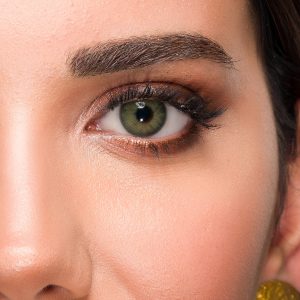
Cosmetic lens Amazon
Original price was: 70,00 €.60,00 €Current price is: 60,00 €.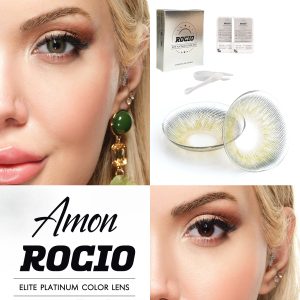
Cosmetic lens Amon
Original price was: 60,00 €.50,00 €Current price is: 50,00 €.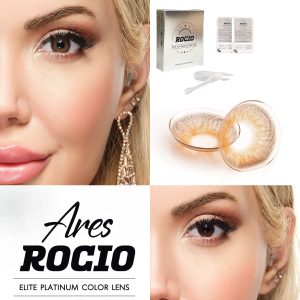
Cosmetic lens Ares
Price range: 1,00 € through 50,00 €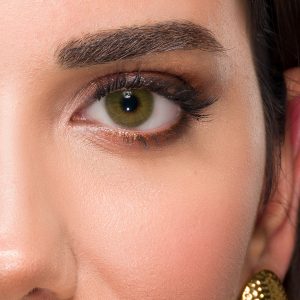
Cosmetic lens Asya
Original price was: 70,00 €.60,00 €Current price is: 60,00 €.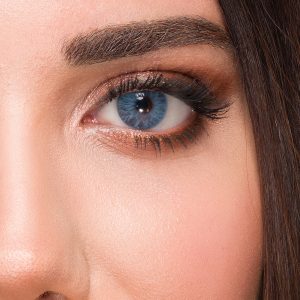
Cosmetic lens Avatar
Original price was: 70,00 €.60,00 €Current price is: 60,00 €.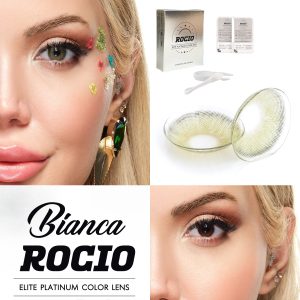
Cosmetic lens Bianca
Original price was: 60,00 €.50,00 €Current price is: 50,00 €.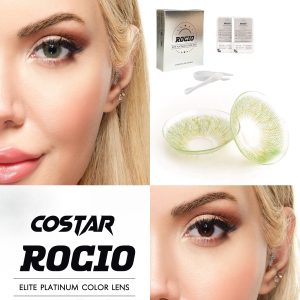
Cosmetic lens Costar
Original price was: 60,00 €.50,00 €Current price is: 50,00 €.
About author
