
No products in the cart.
Return To Shop
Optical Grade Safe Colored Contacts: Your Guide to Vibrant, Healthy Eyes
Unveiling the World of Optical Grade Safe Colored Contacts
AI Ozeti
This article explores the critical importance of choosing optical grade safe colored contacts for both aesthetic enhancement and eye health. It delves into what defines 'optical grade' safety, including certifications and manufacturing standards, and explains the science behind safe lens design, such as pigment embedding and advanced materials. The piece also differentiates between prescription (Numbered Lenses) and non-prescription (Unnumbered Lenses) colored contacts, emphasizing the necessity of professional fitting for all types. Finally, it provides essential best practices for colored contact lens wear, from hygiene to replacement schedules, reinforcing Opticzade's commitment to quality and customer education.
The allure of changing your eye color is undeniable, offering a simple yet profound way to enhance your personal style. However, the paramount concern must always be eye health. This is precisely where the concept of optical grade safe colored contacts becomes not just important, but absolutely crucial. Choosing the right lenses isn’t merely about selecting a shade; it’s about safeguarding your precious vision with products meticulously designed to meet stringent health and safety standards. At Opticzade, we understand this balance perfectly, dedicating ourselves to providing only the highest quality Colored Lenses that ensure your aesthetic desires never compromise your ocular well-being. We believe that true beauty shines brightest when health is prioritized.
What Defines Optical Grade Safety in Colored Contacts?
“Optical grade” isn’t merely a marketing term; it signifies that a product meets specific, rigorous standards for medical devices intended for ocular use. For colored contacts, this means every component – from the base materials and the pigments to the manufacturing processes – is meticulously evaluated for biocompatibility, sterility, and overall safety. Reputable manufacturers, like those partnered with Opticzade, adhere strictly to international quality management standards such as ISO 13485 for medical devices. They also diligently seek and maintain certifications from authoritative bodies like the CE (Conformité Européenne) in Europe or the FDA (Food and Drug Administration) in the United States. These certifications are not just labels; they are assurances that the lenses have undergone extensive testing for critical factors such as oxygen permeability (how much oxygen reaches your cornea), water content (for hydration and comfort), base curve, and diameter (for a proper, comfortable fit). All these elements are vital for maintaining healthy eyes during contact lens wear. Opticzade proudly ensures that all its Colored Lenses, whether for daily wear, 3 Month Lenses, or Annual Lenses, meet or exceed these global benchmarks, providing you with peace of mind. For further reading on contact lens safety, consult resources from trusted organizations like the American Academy of Ophthalmology.
The Science Behind Safe Colored Contact Lens Design
The inherent safety of optical grade safe colored contacts largely hinges on their sophisticated design and the advanced technology employed to embed the color.
Pigment Embedding: The Sandwich Method for Eye Safety
One of the most critical safety features in modern colored contacts is the “sandwich method” or embedded pigment technology. This innovative design involves encapsulating the color pigment entirely between two ultra-thin layers of clear lens material. This physical barrier prevents any direct contact between the pigment and the delicate surface of your eye, significantly minimizing the risk of irritation, allergic reactions, or the dreaded pigment leaching, which could potentially harm the cornea. This technology is a hallmark of truly safe cosmetic lenses.
Advanced Materials: Permeability and Hydration
Contemporary optical grade safe colored contacts are frequently crafted from advanced materials such as silicone hydrogel. This revolutionary material allows significantly more oxygen to permeate through the lens and reach the cornea compared to older, traditional hydrogel lenses. Adequate oxygen supply is absolutely vital for maintaining corneal health and preventing uncomfortable and potentially harmful conditions like hypoxia. Furthermore, the water content of the lens plays a crucial role in ensuring sustained comfort and hydration throughout the wear period, a particularly important consideration for longer-duration options like our 3 Month Lenses and Annual Lenses.
Integrated UV Protection
Many high-quality colored contacts also incorporate integrated UV blockers. While these lenses are not a complete substitute for UV-blocking sunglasses, they offer an additional, valuable layer of protection against harmful ultraviolet A and B rays, contributing to the overall safety profile of the lens and promoting long-term eye health.
Prescription vs. Non-Prescription: Numbered and Unnumbered Lenses
Whether you require vision correction or simply desire a striking change in eye color, optical grade safe colored contacts are available to cater to both needs. Understanding the distinction between prescription and non-prescription lenses is crucial for safe wear.
Numbered Lenses (Prescription Colored Contacts)
Numbered Lenses are corrective contact lenses that also feature a cosmetic color tint. These are medical devices and must be prescribed by a qualified eye care professional after a comprehensive eye examination. This exam not only determines your exact vision needs (sphere, cylinder, axis, add power) but also ensures the lens fits properly on your eye’s unique curvature. Wearing improperly fitted lenses, even if they correct vision, can lead to severe discomfort, corneal abrasions, oxygen deprivation, and even serious eye infections.
Unnumbered Lenses (Plano/Cosmetic Colored Contacts)
Unnumbered Lenses, also widely known as plano or cosmetic lenses, do not offer any vision correction; their sole purpose is aesthetic enhancement. However, it is a dangerous and pervasive misconception that because they don’t correct vision, they do not require a prescription or professional fitting. All contact lenses, without exception, are classified as medical devices. Therefore, they must be fitted by an optometrist or ophthalmologist to ensure proper fit, material compatibility, and overall eye health. An improper fit, even with plano lenses, can still cause severe eye health issues, including corneal damage and infections. Opticzade strongly advocates for professional consultation for all Colored Lenses, including Unnumbered Lenses, to ensure optimal eye health, comfort, and safety for every customer.
Ensuring Your Eye Health: Best Practices for Colored Contact Lens Wear
Even the most meticulously manufactured optical grade safe colored contacts require diligent care and adherence to best practices. Following these guidelines is absolutely paramount to maintaining optimal eye health when wearing any Colored Lenses.
- Always Consult a Professional: Before purchasing any Colored Lenses, whether Numbered Lenses for correction or Unnumbered Lenses for cosmetic purposes, obtain a comprehensive eye exam and a valid prescription from a qualified eye care specialist. They will accurately measure your eyes and recommend the best fit, material, and wear schedule for your individual needs.
- Hygiene is Paramount: Always wash your hands thoroughly with antibacterial soap and water, then dry them completely with a lint-free towel before touching or handling your lenses.
- Proper Cleaning and Storage: Use only fresh, recommended contact lens solution specifically designed for your lens type. Never use tap water, distilled water, or saliva, as these can introduce harmful microorganisms. Store your lenses in a clean, sterile lens case filled with fresh solution, and replace your lens case every three months to prevent bacterial buildup.
- Strictly Follow Replacement Schedules: Adhere rigorously to the recommended replacement schedule for your lenses – whether they are daily disposables, 3 Month Lenses, or Annual Lenses. Overwearing lenses beyond their intended lifespan significantly increases the risk of complications, including infections and corneal damage.
- Never Share Lenses: Sharing contact lenses, even for a brief moment, can transmit harmful bacteria, viruses, and fungi, leading to severe and potentially sight-threatening eye infections.
- Remove Before Sleep: Unless your lenses are specifically designed for extended wear and have been explicitly approved by your eye doctor for overnight use, always remove your colored contacts before sleeping. Sleeping in non-extended wear lenses drastically reduces oxygen flow to the cornea.
- Recognize Warning Signs: If you experience any redness, persistent irritation, pain, excessive tearing, light sensitivity, or blurred vision, remove your lenses immediately and consult an eye care professional without delay.
At Opticzade, we believe that informed choices lead to healthy, beautiful eyes. Our commitment extends beyond offering a diverse and high-quality selection of Colored Lenses; we aim to empower our customers with the essential knowledge to wear them safely, comfortably, and responsibly. For more information on healthy contact lens habits, visit the CDC’s Contact Lens Health page.
Conclusion
Embracing the transformative beauty of colored contacts should never come at the expense of your vision. By understanding and prioritizing optical grade safe colored contacts, you can confidently explore a world of vibrant eye transformations. Always choose reputable providers like Opticzade, who prioritize stringent safety standards, quality materials, and comprehensive customer education. Your eyes deserve nothing less than the best in both style and safety.
optical grade safe colored contacts ile ilgili icerikler
Sikca Sorulan Sorular
What does 'optical grade safe colored contacts' mean?
Optical grade safe colored contacts refers to lenses that meet stringent medical device standards for ocular use. This includes rigorous testing for biocompatibility, sterility, oxygen permeability, water content, and proper fit, ensuring they are safe for your eyes and carry certifications from bodies like the CE or FDA. Opticzade ensures all its colored lenses adhere to these high benchmarks.
Do I need a prescription for cosmetic (non-corrective) colored contacts?
Yes, absolutely. All contact lenses, including unnumbered lenses (plano/cosmetic) that do not correct vision, are classified as medical devices. A qualified eye care professional must fit them to ensure they match your eye's unique curvature and material compatibility, preventing potential damage, discomfort, or serious infections. Opticzade strongly advocates for professional consultation for all colored lenses.
How often should I replace my colored contacts?
The replacement schedule depends on the specific type of lens. Lenses can be daily disposables, 3-month lenses, or annual lenses. It is crucial to strictly adhere to the manufacturer's recommended replacement schedule and your eye care professional's advice. Overwearing lenses significantly increases the risk of eye complications and infections.
What is the 'sandwich method' in colored contact lens design?
The 'sandwich method' is a critical safety feature where the color pigment is encapsulated entirely between two layers of clear lens material. This design prevents the pigment from directly contacting your eye, minimizing the risk of irritation, allergic reactions, or pigment leaching, thus ensuring a safer and more comfortable wearing experience.
Can I sleep in my colored contacts?
Unless your colored contacts are specifically designed for extended wear and explicitly approved for overnight use by your eye doctor, you should always remove them before sleeping. Sleeping in non-extended wear lenses drastically reduces oxygen flow to your cornea, increasing the risk of discomfort, irritation, and serious eye infections. Always follow your eye care professional's recommendations.
Onerilen Urunler
Cosmetic lens Alaska
Original price was: 70,00 €.60,00 €Current price is: 60,00 €.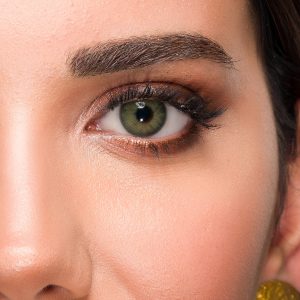
Cosmetic lens Amazon
Original price was: 70,00 €.60,00 €Current price is: 60,00 €.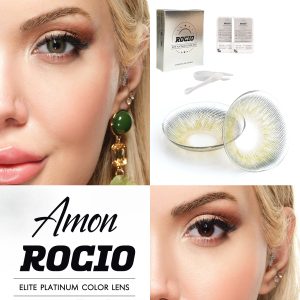
Cosmetic lens Amon
Original price was: 60,00 €.50,00 €Current price is: 50,00 €.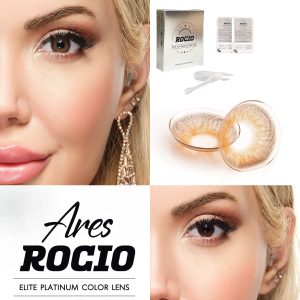
Cosmetic lens Ares
Price range: 1,00 € through 50,00 €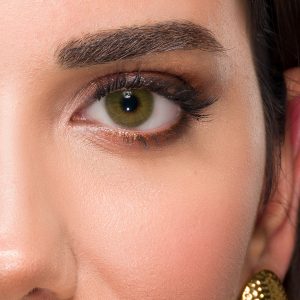
Cosmetic lens Asya
Original price was: 70,00 €.60,00 €Current price is: 60,00 €.
Cosmetic lens Avatar
Original price was: 70,00 €.60,00 €Current price is: 60,00 €.
Cosmetic lens Bianca
Original price was: 60,00 €.50,00 €Current price is: 50,00 €.
Cosmetic lens Costar
Original price was: 60,00 €.50,00 €Current price is: 50,00 €.
About author
