
No products in the cart.
Return To Shop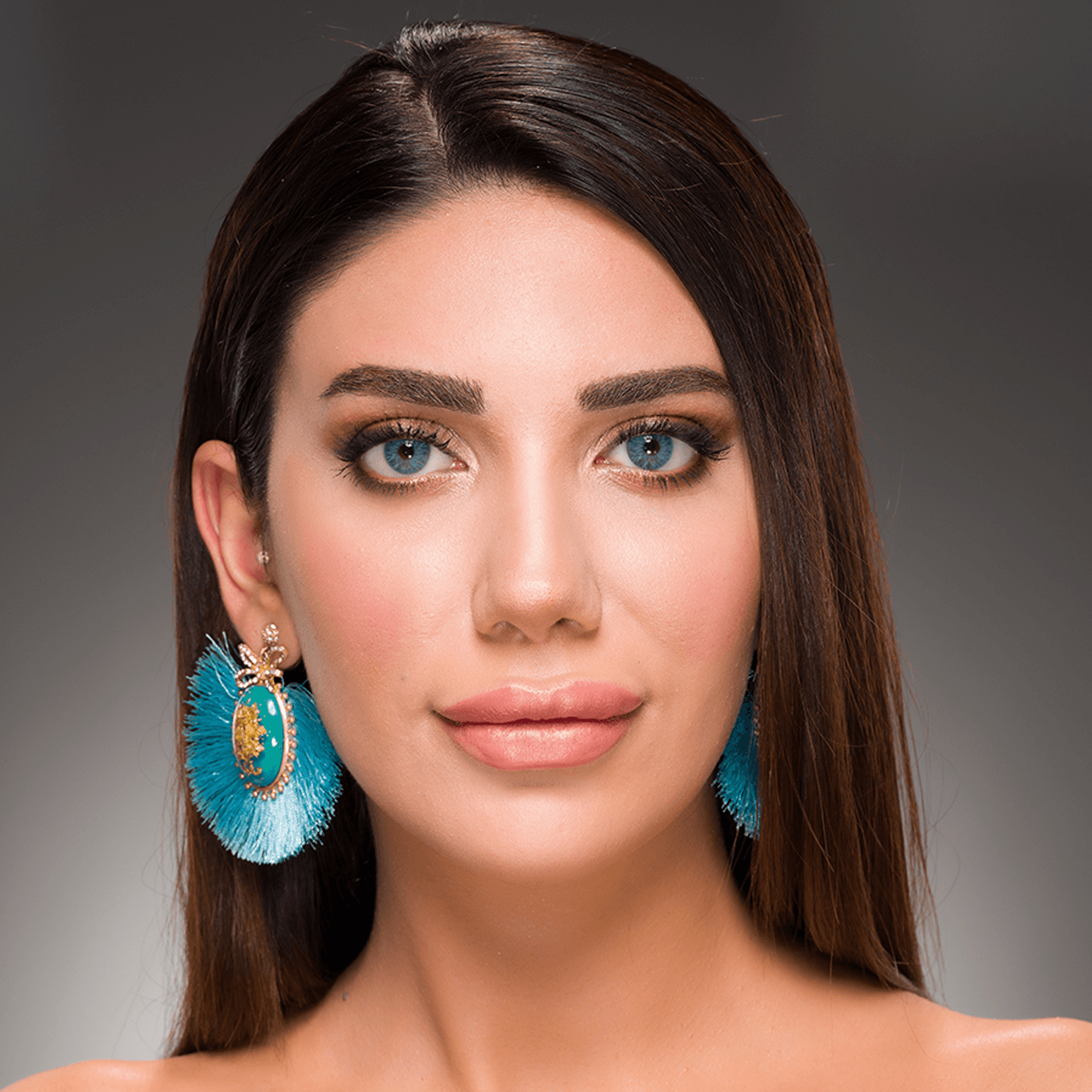
Non Prescription Cosmetic Contacts: Your Guide to Eye Enhancement
Unlocking Your Gaze: A Guide to Non Prescription Cosmetic Contacts
AI Ozeti
Non prescription cosmetic contacts offer a versatile way to change eye color for aesthetic purposes, without vision correction. Despite being purely cosmetic, they are medical devices requiring professional fitting and strict hygiene to prevent eye health risks. The article details various types, including Colored Lenses and different wear schedules like 3 Month and Annual Lenses, emphasizing the importance of choosing Unnumbered Lenses for non-corrective use. It highlights Opticzade's commitment to providing safe, high-quality products and stresses the necessity of an eye exam and proper care for responsible use.
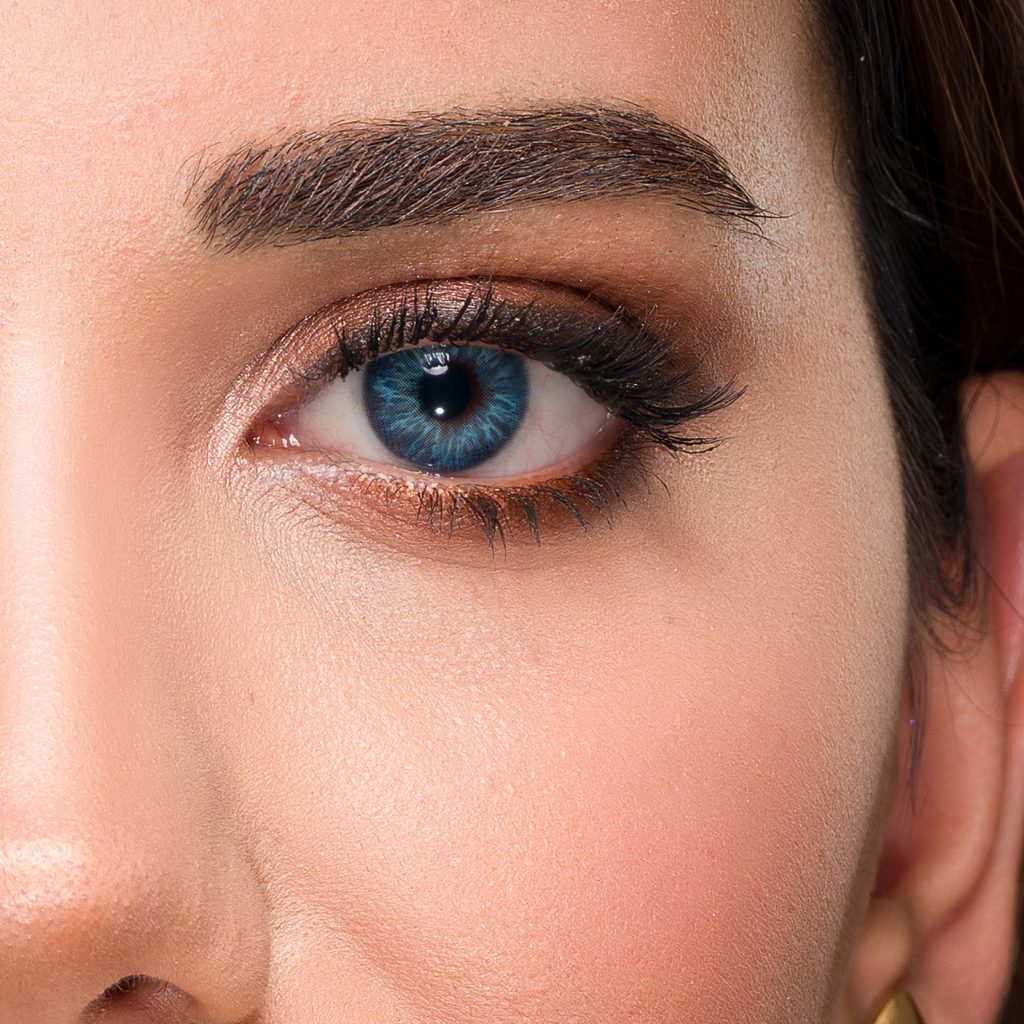
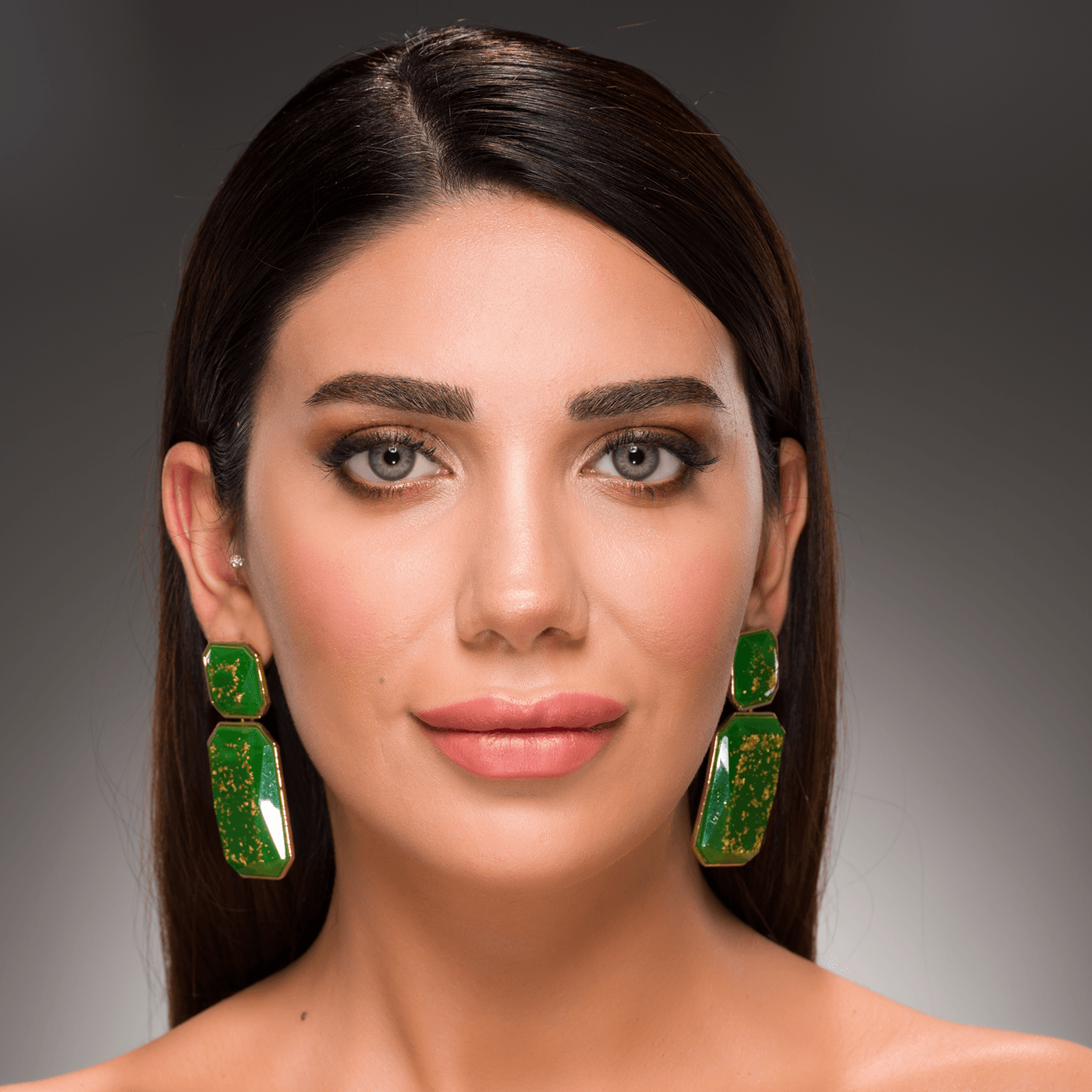
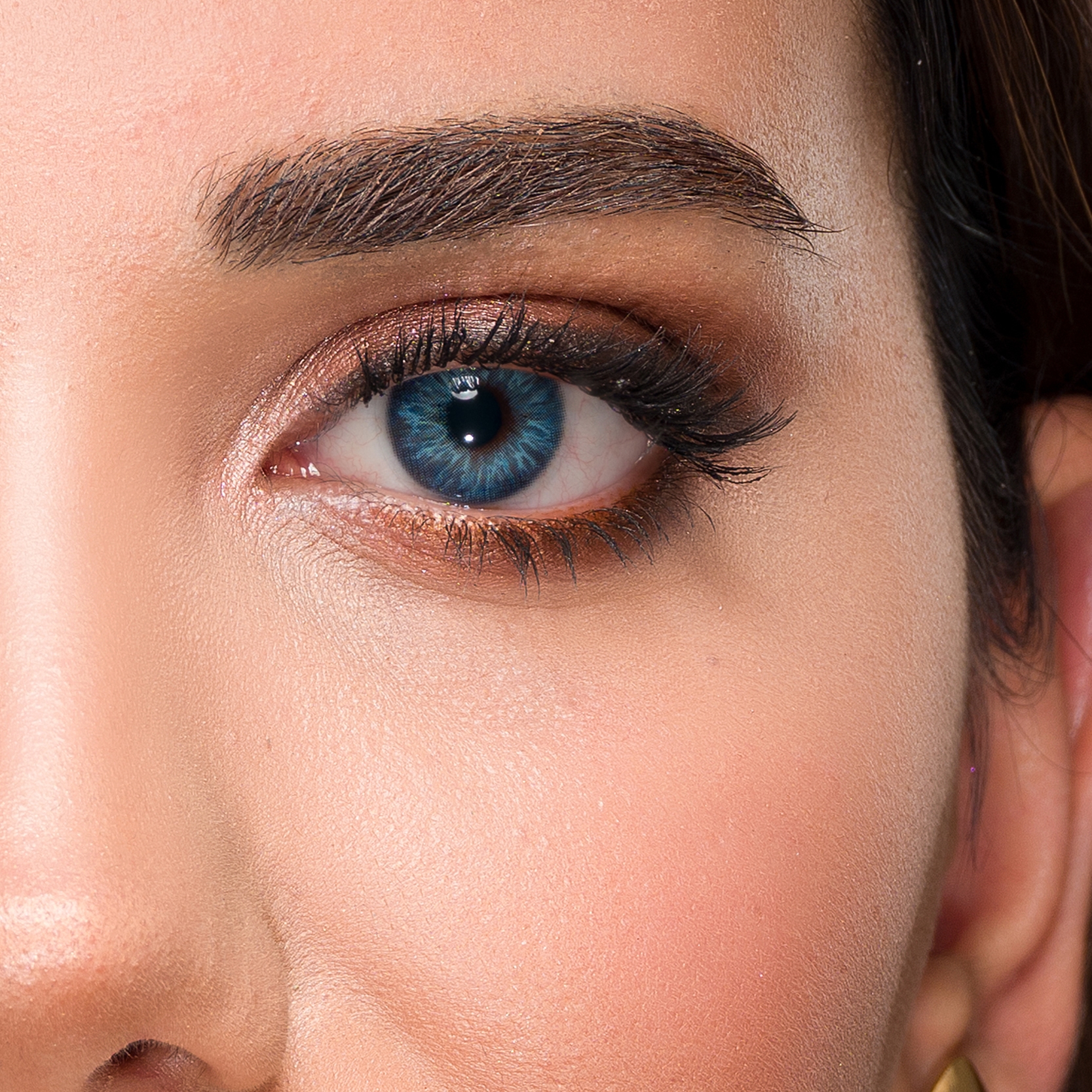
Non prescription cosmetic contacts offer a captivating way to transform your eye color and enhance your overall look without requiring vision correction. These popular accessories, often referred to as plano cosmetic lenses, are designed purely for aesthetic purposes, allowing individuals to experiment with different shades, patterns, and enlargements to achieve a desired eye appearance. While they don’t correct vision, it’s crucial to understand that non prescription cosmetic contacts are still medical devices and require the same care and professional oversight as their prescription counterparts to ensure eye health and safety.
At Opticzade, we understand the allure of a captivating gaze and are committed to providing a wide selection of high-quality, safe Colored Lenses. Our focus is on empowering you to express your unique style responsibly.
Understanding Non Prescription Cosmetic Contacts
Many people are drawn to the idea of changing their eye color, whether for a special occasion, a costume, or simply to refresh their everyday look. Non prescription cosmetic contacts make this possible. Unlike corrective lenses, these contacts have no power (often indicated as ‘0.00’ or ‘plano’), meaning they do not alter your vision. Their primary function is to change the perceived color, size, or pattern of your iris.
Despite their cosmetic nature, these lenses sit directly on the surface of your eye, making proper fitting and hygiene paramount. Misuse can lead to serious eye infections, corneal abrasions, or even permanent vision loss. This is why, even for non prescription cosmetic contacts, a professional eye exam and fitting by an optometrist are legally required in many regions and always recommended for your safety.
Types of Non Prescription Cosmetic Contacts and Their Appeal
The world of cosmetic contacts is diverse, offering a range of options to suit various preferences. Opticzade proudly offers a curated selection to help you find your perfect match:
- Colored Lenses: These are the most common type, designed to change or enhance your natural eye color. They come in various opacities:
- Enhancement Tints: Translucent lenses that intensify your natural eye color, often best for lighter eyes.
- Opaque Tints: Solid colors that completely change your eye color, suitable for both light and dark eyes.
- Circle Lenses: Popular in East Asian beauty trends, these lenses make the iris appear larger, creating a doll-like effect.
- Special Effect Lenses: Often used for costumes or theatrical purposes, these can create unique designs like cat eyes, vampire eyes, or intricate patterns.
Wear Schedules: 3 Month Lenses and Annual Lenses
Just like prescription contacts, non prescription cosmetic contacts come with specific wear schedules:
- 3 Month Lenses: These lenses are designed for extended use over approximately three months, provided they are properly cleaned and stored daily. They offer a good balance of durability and freshness.
- Annual Lenses: For those seeking a longer-term solution, Annual Lenses can be worn for up to a year with diligent daily care. These often represent a cost-effective option for regular users.
Regardless of the wear schedule, strict adherence to replacement guidelines is critical for eye health. Overwearing lenses can lead to oxygen deprivation and increased risk of infection.
Numbered vs. Unnumbered Lenses
When discussing non prescription cosmetic contacts, it’s important to differentiate between Numbered Lenses (which have a corrective power) and Unnumbered Lenses (often called plano lenses, with no power). Our focus here is on Unnumbered Lenses, which are purely for cosmetic alteration without vision correction. Always ensure you are selecting the correct type for your needs.
Safety First: Choosing and Using Non Prescription Cosmetic Contacts Responsibly
The most critical aspect of using non prescription cosmetic contacts is safety. Without proper care, even the most beautiful lenses can pose a risk to your vision. The U.S. Food and Drug Administration (FDA) classifies all contact lenses as medical devices, meaning they require a prescription and professional fitting, even if they don’t correct vision. This is not just a recommendation; it’s a legal and health imperative.
The Importance of an Eye Examination
Before purchasing any non prescription cosmetic contacts, a comprehensive eye exam by an optometrist or ophthalmologist is essential. An eye care professional will:
- Measure your eyes to ensure the lenses fit correctly (base curve and diameter). Ill-fitting lenses can scratch your cornea, cause discomfort, or cut off oxygen to your eye.
- Assess your eye health to determine if you are a suitable candidate for contact lens wear.
- Provide instructions on proper insertion, removal, cleaning, and storage.
Hygiene and Care for Your Cosmetic Contacts
Maintaining impeccable hygiene is non-negotiable:
- Always wash your hands thoroughly with soap and water before handling lenses.
- Use only fresh, sterile contact lens solution recommended by your eye care professional. Never use tap water or saliva.
- Clean, rinse, and disinfect your lenses immediately after removal.
- Store lenses in a clean lens case, replacing the case every three months.
- Never sleep in your lenses unless specifically approved by your eye doctor.
- Adhere strictly to the replacement schedule for your 3 Month Lenses or Annual Lenses.
- Never share your non prescription cosmetic contacts with anyone. This is a common cause of serious eye infections.
The Opticzade Difference: Quality and Trust for Your Gaze
At Opticzade, we prioritize your eye health and satisfaction. We believe that enhancing your natural beauty should never come at the expense of safety. Our selection of non prescription cosmetic contacts is sourced from reputable manufacturers, ensuring high-quality materials and adherence to safety standards.
We offer a wide array of Colored Lenses, from subtle enhancements to dramatic transformations, available in convenient 3 Month Lenses and durable Annual Lenses options. While we provide the lenses, we always emphasize the critical role of your eye care professional in ensuring a safe and comfortable experience.
Choosing Opticzade means choosing a partner dedicated to helping you achieve your desired look responsibly. We encourage all our customers to consult with an eye care specialist before making a purchase to ensure proper fitting and to receive personalized advice on the best non prescription cosmetic contacts for their eyes.
Conclusion: Elevate Your Look Safely with Non Prescription Cosmetic Contacts
Non prescription cosmetic contacts offer an exciting and accessible way to experiment with your appearance and express your individuality. Whether you’re looking for a subtle shift with natural-looking Colored Lenses or a bold statement, the possibilities are vast. Remember, however, that these are medical devices, and their safe use hinges on professional guidance and diligent care.
By prioritizing an eye exam, practicing excellent hygiene, and choosing trusted providers like Opticzade, you can enjoy the transformative power of non prescription cosmetic contacts while keeping your eyes healthy and vibrant. Explore our collection today and discover the perfect shade to complement your unique style.
non prescription cosmetic contacts ile ilgili icerikler
Sikca Sorulan Sorular
Are non prescription cosmetic contacts safe to use?
Yes, non prescription cosmetic contacts can be safe when used correctly. However, they are still medical devices and require a professional eye exam and fitting by an optometrist or ophthalmologist. Proper hygiene, adherence to wear schedules, and purchasing from reputable sources like Opticzade are crucial to prevent eye infections and other complications.
Do I need an eye exam for non prescription cosmetic contacts?
Absolutely. Even though non prescription cosmetic contacts do not correct vision, an eye care professional must measure your eyes to ensure a proper fit (base curve and diameter). An ill-fitting lens can cause discomfort, damage your cornea, or lead to serious eye health issues. They will also provide essential care instructions.
What are the different types of non prescription cosmetic contacts available?
Non prescription cosmetic contacts come in various types, including Colored Lenses (enhancement or opaque tints), Circle Lenses for a larger eye appearance, and special effect lenses. They also vary by wear schedule, such as 3 Month Lenses and Annual Lenses, and are typically Unnumbered Lenses (plano) meaning they have no vision corrective power.
How should I care for my non prescription cosmetic contacts?
Proper care is vital. Always wash your hands before handling lenses. Use only fresh, sterile contact lens solution for cleaning, rinsing, and storing. Never use tap water or saliva. Adhere strictly to the replacement schedule (e.g., for 3 Month Lenses or Annual Lenses), and replace your lens case every three months. Never share your lenses with anyone.
Onerilen Urunler
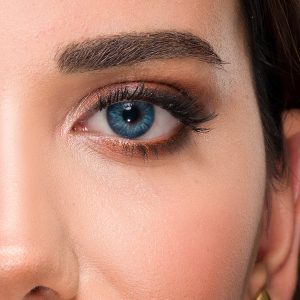
Cosmetic lens Alaska
Original price was: 70,00 €.60,00 €Current price is: 60,00 €.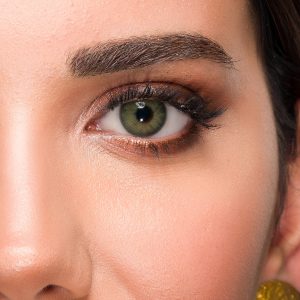
Cosmetic lens Amazon
Original price was: 70,00 €.60,00 €Current price is: 60,00 €.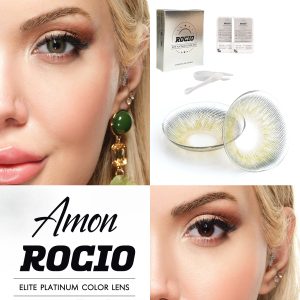
Cosmetic lens Amon
Original price was: 60,00 €.50,00 €Current price is: 50,00 €.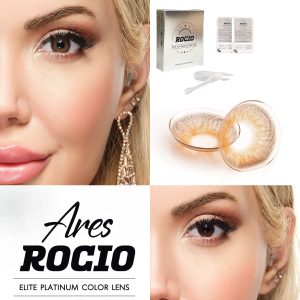
Cosmetic lens Ares
Price range: 1,00 € through 50,00 €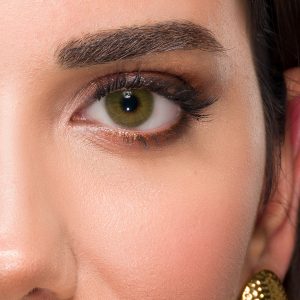
Cosmetic lens Asya
Original price was: 70,00 €.60,00 €Current price is: 60,00 €.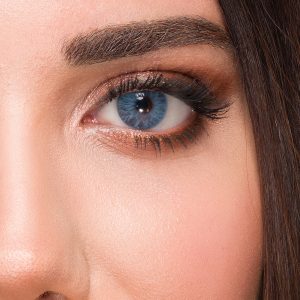
Cosmetic lens Avatar
Original price was: 70,00 €.60,00 €Current price is: 60,00 €.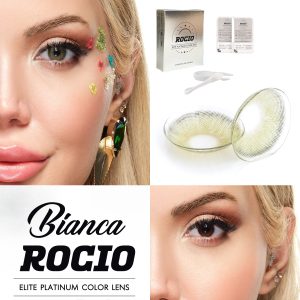
Cosmetic lens Bianca
Original price was: 60,00 €.50,00 €Current price is: 50,00 €.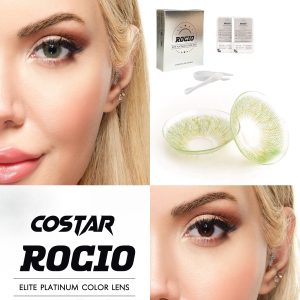
Cosmetic lens Costar
Original price was: 60,00 €.50,00 €Current price is: 50,00 €.
About author
