
No products in the cart.
Return To Shop
Hydrogel vs. Puscon Color Lenses: Unveiling the Key Differences
Understanding the Difference Between Hydrogel and Puscon Color Lenses for Optimal Comfort
AI Ozeti
This article delves into the crucial difference between hydrogel and Puscon color lenses, guiding users to make an informed choice for eye enhancement. It explains that hydrogel lenses offer comfort through high water content, while Puscon lenses provide advanced biocompatibility and superior hydration, ideal for sensitive or dry eyes. The guide compares these materials based on breathability, comfort, and durability, highlighting Puscon's premium benefits. Opticzade, a trusted source for Colored Lenses, offers expert advice on selecting the right material based on individual needs and emphasizes the importance of proper lens care for both types.
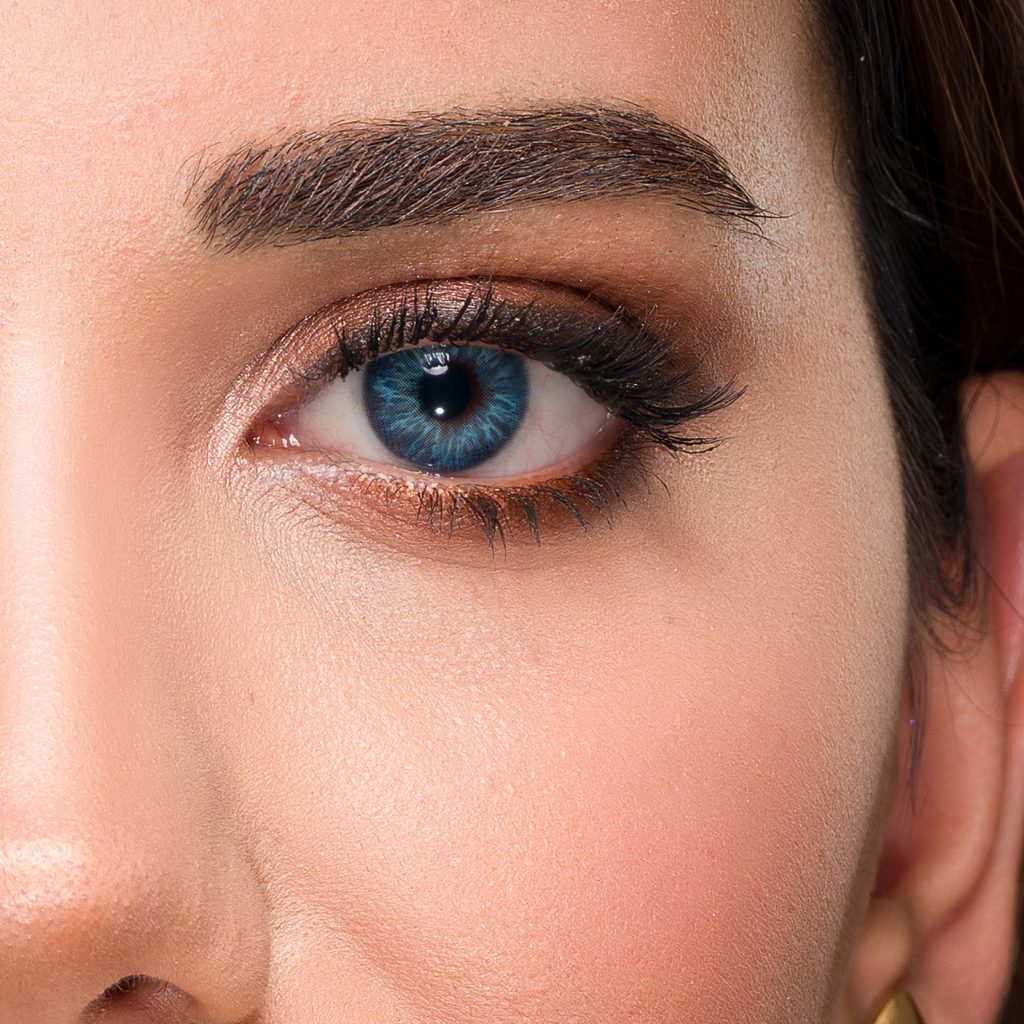
The difference between hydrogel and Puscon color lenses is a crucial factor for anyone considering enhancing their eyes with vibrant hues while prioritizing comfort and eye health. As a leading provider of high-quality Colored Lenses, Opticzade understands that choosing the right material is just as important as selecting the perfect shade. This in-depth guide will explore the unique properties of hydrogel and Puscon, helping you make an informed decision for your next pair of beautiful color lenses.
Understanding Contact Lens Materials: Hydrogel vs. Puscon
Contact lens technology has advanced significantly, offering a variety of materials designed to meet different needs. Primarily, lenses are categorized by their water content and oxygen permeability. Hydrogel and Puscon represent two distinct material innovations, each offering unique benefits for wearers of daily, 3 Month Lenses, or Annual Lenses.
Hydrogel Color Lenses: The Foundation of Comfort
Hydrogel lenses, made from a plastic polymer that absorbs water, have been a staple in the contact lens industry for decades. Their primary advantage lies in their high water content, which contributes to a soft, comfortable feel. This material allows oxygen to pass through the lens to the cornea, albeit less efficiently than newer materials like silicone hydrogel (a related but distinct material) or Puscon. For many, hydrogel lenses offer a familiar and pleasant wearing experience, especially for those who wear lenses for moderate periods.
- Comfort: High water content provides a soft, cushioned feel.
- Flexibility: Easily conforms to the eye’s surface.
- Affordability: Often more budget-friendly, making them accessible for various needs, including Unnumbered Lenses for cosmetic enhancement or Numbered Lenses for vision correction.
Many popular cosmetic lenses, such as the Cosmetic lens Alaska and Cosmetic lens Amazon, have traditionally utilized hydrogel for their vibrant designs and wearer comfort. Opticzade offers a wide range of hydrogel options, including the stunning Amber Color Lens, known for its natural look and comfortable wear.
Puscon Color Lenses: Advanced Biocompatibility and Hydration
Puscon (Poly-2-methacryloyloxyethyl phosphorylcholine) is a newer, highly advanced material designed to mimic the natural properties of the human eye. It’s a biomimetic material, meaning it’s engineered to be highly compatible with the body’s biological systems. Puscon lenses are renowned for their exceptional moisture retention and resistance to protein and lipid deposits, which can often cause discomfort and irritation with other lens types. This makes them an excellent choice for individuals with sensitive eyes or those prone to dryness.
- Biocompatibility: Mimics natural eye components, reducing irritation.
- Superior Hydration: Excellent moisture retention, ideal for dry eyes.
- Deposit Resistance: Reduces build-up of proteins and lipids, promoting clearer vision and better hygiene.
- Enhanced Comfort: Maintains a fresh, comfortable feel throughout the day.
Brands like Alaska Lens and Amazon Lens are increasingly incorporating Puscon into their premium lines, offering wearers an unparalleled experience. When comparing the Cosmetic lens Alaska in a hydrogel variant to a newer Cosmetic lens Amazon made with Puscon, many users report a noticeable improvement in end-of-day comfort and reduced dryness with the Puscon option, especially for Annual Lenses that require sustained comfort.
Key Differences: Breathability, Comfort, and Durability
Understanding the core differences between these two materials is vital for selecting the right color lenses for your lifestyle and eye health. Let’s break down the distinctions:
| Feature | Hydrogel Color Lenses | Puscon Color Lenses |
|---|---|---|
| Material Composition | Hydrophilic plastic polymer (water-absorbing) | Poly-2-methacryloyloxyethyl phosphorylcholine (biomimetic) |
| Oxygen Permeability | Good, but generally lower than Puscon | Excellent, promoting healthier eyes |
| Moisture Retention | Relies on initial water content; can dry out over time | Superior; mimics natural eye moisture, resists evaporation |
| Deposit Resistance | Moderate; can accumulate proteins/lipids | High; significantly reduces deposit build-up |
| Comfort for Dry Eyes | May cause dryness for sensitive eyes or prolonged wear | Highly recommended for dry or sensitive eyes due to sustained hydration |
| Durability/Lifespan | Good for their intended wear schedule (e.g., 3 Month Lenses) | Often more resilient due to advanced material properties |
| Price Point | Generally more affordable | Typically a premium option due to advanced technology |
The primary difference between hydrogel and Puscon color lenses often comes down to advanced comfort and eye health benefits. While hydrogel lenses are perfectly suitable for many, Puscon offers a step up in technology for those seeking superior hydration and biocompatibility, particularly with long-term wear options like Annual Lenses. For instance, comparing a Cosmetic lens Amon (hydrogel) with a Cosmetic lens Ares (Puscon) will likely highlight Puscon’s advantage in extended wear comfort.
Choosing the Right Lens for You: Opticzade’s Expert Advice
At Opticzade, we believe that informed choices lead to the best experiences. When deciding between hydrogel and Puscon color lenses, consider the following:
- Your Eye Sensitivity: If you have dry or sensitive eyes, Puscon lenses like the Cosmetic lens Asya or Cosmetic lens Avatar might offer greater comfort and reduce irritation.
- Wearing Schedule: For occasional use, hydrogel lenses can be excellent. For daily or extended wear, especially with Annual Lenses, Puscon’s superior hydration can be a game-changer.
- Budget: Hydrogel lenses are often more budget-friendly, while Puscon represents a premium investment in eye comfort and health.
- Professional Consultation: Always consult with an eye care professional. They can assess your eye health and recommend the best material and fit for you, whether you need Numbered Lenses or Unnumbered Lenses.
Opticzade is committed to providing a diverse selection of high-quality Colored Contact Lenses, including both hydrogel and Puscon options. We ensure all our products, from the subtle Cosmetic lens Bianca to the striking Cosmetic lens Costar, meet stringent safety and quality standards, allowing you to confidently explore the world of beauty color lenses.
Caring for Your Hydrogel or Puscon Lenses
Regardless of whether you choose hydrogel or Puscon, proper lens care is paramount. Always follow the manufacturer’s instructions for cleaning, disinfecting, and storing your lenses. Use only recommended contact lens solutions, and never use tap water. Adhering to the prescribed wear schedule – whether it’s daily, 3 Month Lenses, or Annual Lenses – is crucial for maintaining eye health and maximizing the lifespan of your lenses. Regular check-ups with your eye care specialist will also ensure your eyes remain healthy and that your chosen lenses continue to be the best fit for you.
In conclusion, while both hydrogel and Puscon color lenses offer fantastic ways to transform your look, understanding their fundamental differences empowers you to select the option that best aligns with your comfort needs and eye health priorities. Explore Opticzade’s extensive collection today and find your perfect pair!
difference between hydrogel and puscon color lenses ile ilgili icerikler
Sikca Sorulan Sorular
What is the main difference between hydrogel and Puscon color lenses?
The main difference lies in their material properties: Hydrogel lenses are water-absorbing plastic polymers known for their initial comfort and flexibility. Puscon (Poly-2-methacryloyloxyethyl phosphorylcholine) is a biomimetic material designed to mimic natural eye components, offering superior moisture retention, higher oxygen permeability, and excellent resistance to deposits, making them ideal for sensitive or dry eyes and extended wear.
Which lens material is better for dry eyes?
Puscon lenses are generally better for dry eyes. Their biomimetic properties and superior moisture retention help maintain hydration throughout the day, reducing the feeling of dryness and discomfort often associated with other lens types, especially during prolonged wear.
Are Puscon lenses more expensive than hydrogel lenses?
Yes, Puscon lenses typically come at a higher price point than traditional hydrogel lenses. This is due to their advanced material technology, which provides enhanced comfort, hydration, and biocompatibility, representing a premium investment in eye health and comfort.
How do I know if a color lens is hydrogel or Puscon?
The material type of a color lens is always specified on the product packaging, in the product description on retailer websites like Opticzade.com, or by consulting an eye care professional. Look for terms like 'Hydrogel,' 'Puscon,' or 'Poly-2-methacryloyloxyethyl phosphorylcholine' in the material specifications.
Can I wear hydrogel or Puscon lenses for an extended period?
The safe wearing period depends on the specific lens's design and material, as well as your eye care professional's recommendation. While Puscon lenses generally offer better comfort for extended wear due to their superior hydration and oxygen permeability, it's crucial to always adhere to the prescribed wearing schedule (e.g., daily, 3-month, or annual) and never sleep in lenses unless explicitly approved by your eye doctor.
Onerilen Urunler
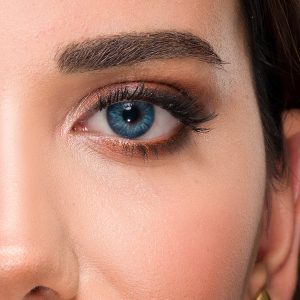
Cosmetic lens Alaska
Original price was: 70,00 €.60,00 €Current price is: 60,00 €.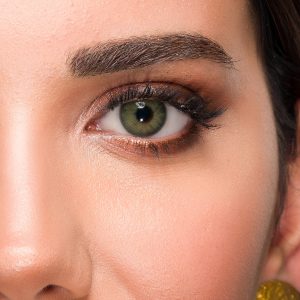
Cosmetic lens Amazon
Original price was: 70,00 €.60,00 €Current price is: 60,00 €.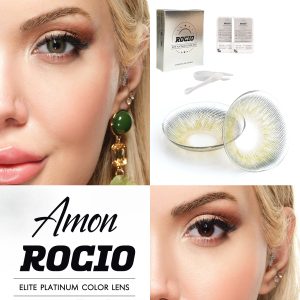
Cosmetic lens Amon
Original price was: 60,00 €.50,00 €Current price is: 50,00 €.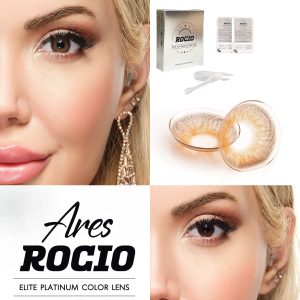
Cosmetic lens Ares
Price range: 1,00 € through 50,00 €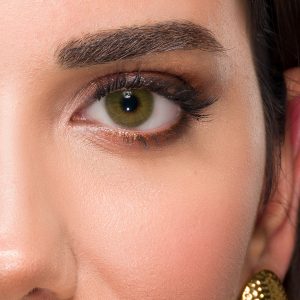
Cosmetic lens Asya
Original price was: 70,00 €.60,00 €Current price is: 60,00 €.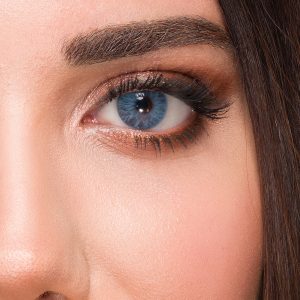
Cosmetic lens Avatar
Original price was: 70,00 €.60,00 €Current price is: 60,00 €.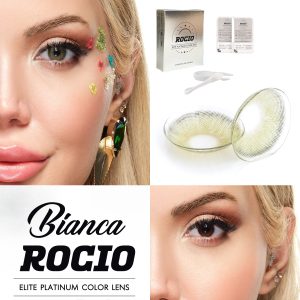
Cosmetic lens Bianca
Original price was: 60,00 €.50,00 €Current price is: 50,00 €.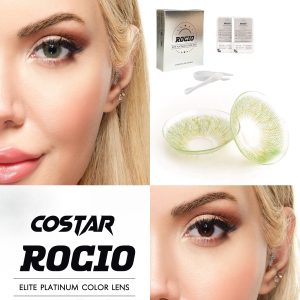
Cosmetic lens Costar
Original price was: 60,00 €.50,00 €Current price is: 50,00 €.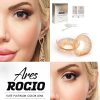
About author
