
No products in the cart.
Return To Shop
Hydrogel vs. Silicone Hydrogel Colors: Your Guide to Vibrant Lenses
Unveiling the Difference Between Hydrogel and Silicone Hydrogel Colors for Your Eyes
AI Ozeti
Understanding the difference between hydrogel and silicone hydrogel colors is crucial for choosing the right colored contact lenses. Hydrogel lenses are water-based, offering good initial comfort but less oxygen permeability, which can affect color vibrancy and lead to dryness over time. Silicone hydrogel lenses combine silicone with water, providing significantly higher oxygen transmission for superior comfort and eye health, making colors appear more vibrant and consistent. This article explores how each material impacts color appearance, comfort, and breathability, guiding users to make an informed decision based on wear time, eye sensitivity, and desired aesthetic. Opticzade offers a wide range of both types, ensuring quality and comfort for all preferences.
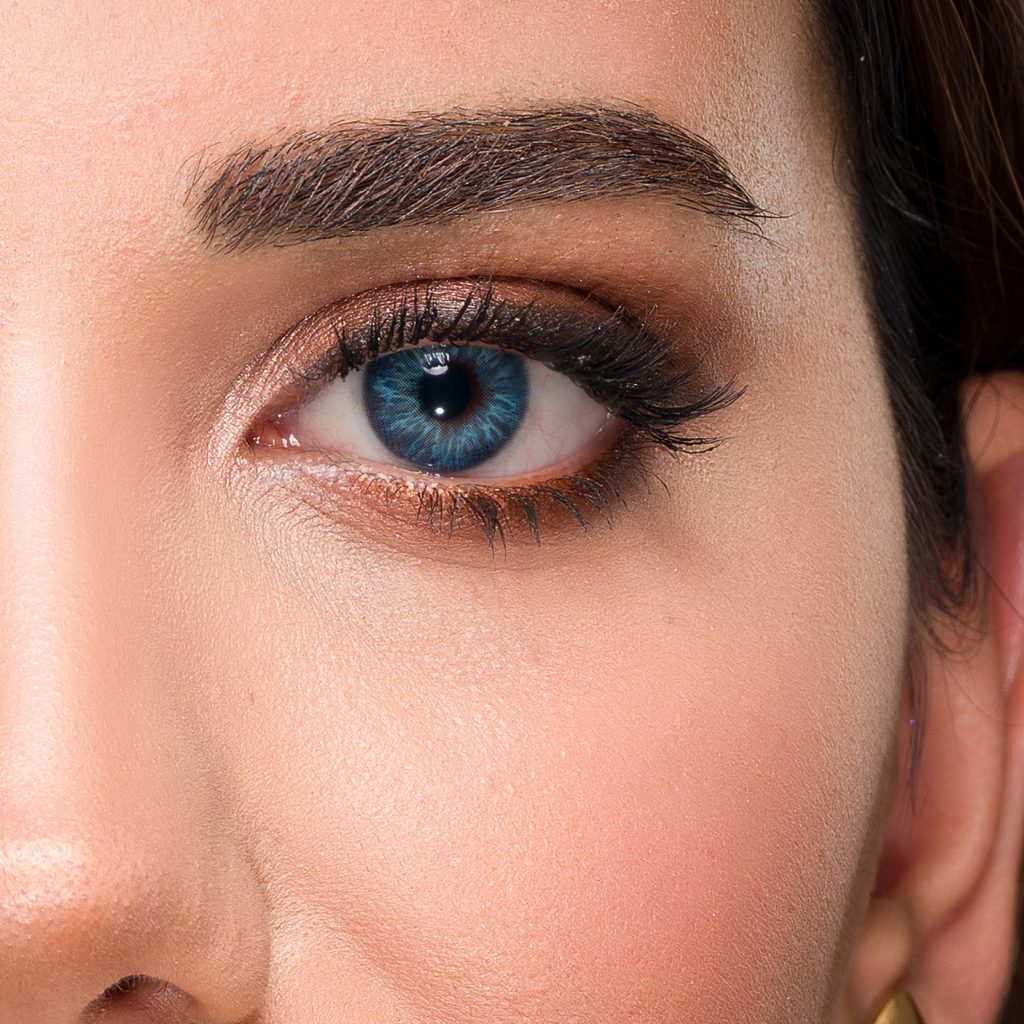
When exploring the world of Colored Lenses, understanding the difference between hydrogel and silicone hydrogel colors is paramount, not just for aesthetics but for eye health and comfort. At Opticzade, we believe an informed choice leads to the best experience, which is why we’re diving deep into how these two popular contact lens materials impact the vibrancy, feel, and overall appeal of your chosen eye color.
Understanding Contact Lens Materials: Hydrogel vs. Silicone Hydrogel
The foundation of any contact lens lies in its material. For colored contacts, this material does more than just hold the tint; it dictates how much oxygen reaches your eye, how comfortable the lens feels, and even how the color appears.
What is Hydrogel?
Hydrogel lenses, introduced decades ago, are essentially water-based plastics that are soft and flexible. Their comfort largely stems from their water content. The higher the water content, the more oxygen typically passes through to the eye. However, this oxygen transmission is still relatively limited compared to newer materials.
- Composition: Water-absorbing polymers.
- Oxygen Permeability: Moderate, dependent on water content.
- Initial Comfort: Often very good due to softness and moisture.
- Potential Drawback: Can dehydrate over extended wear, leading to discomfort and potentially affecting how the lens sits on the eye, which in turn can subtly alter color perception.
What is Silicone Hydrogel?
Silicone hydrogel represents a significant advancement in contact lens technology. These lenses combine the water-absorbing properties of hydrogel with silicone, a material known for its excellent oxygen permeability. This blend allows significantly more oxygen to reach the cornea, leading to healthier eyes and greater comfort, especially for longer wear times.
- Composition: Silicone combined with water-absorbing polymers.
- Oxygen Permeability: Significantly higher than traditional hydrogel, often 5-7 times more.
- Extended Comfort: Superior for prolonged wear due to enhanced breathability.
- Benefits: Reduces the risk of hypoxia-related complications and dryness, making them ideal for long-term wearers like those using 3 Month Lenses or Annual Lenses.
The Impact on Color Vibrancy and Appearance
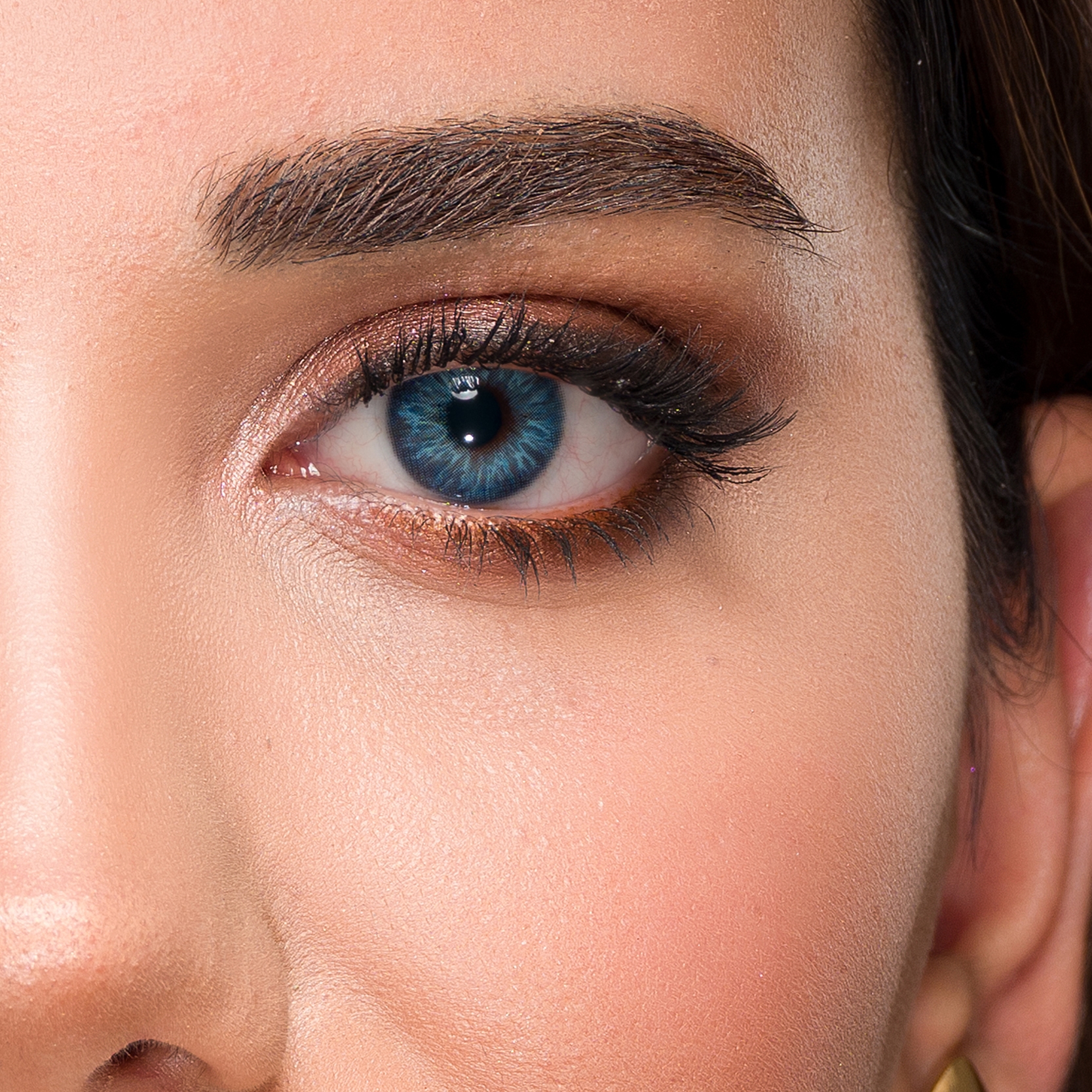
The material of your colored contact lens directly influences how the color looks on your eye and how vibrant it appears. This is a key aspect of the difference between hydrogel and silicone hydrogel colors.
How Hydrogel Affects Color
With hydrogel lenses, the color pigments are typically embedded within the lens material or printed on the surface. While they offer a wide range of beautiful shades, the lower oxygen permeability and potential for dehydration can sometimes affect the perceived vibrancy:
- Subtle Appearance: Some hydrogel lenses might offer a slightly softer or less intense color, depending on the specific design and how the dye interacts with the material.
- Comfort and Clarity: If your eyes become dry, the lens might not sit perfectly, leading to slight blurring or a less crisp appearance of the color.
- Thickness: Traditional hydrogel lenses can sometimes be thicker, which might slightly reduce light transmission and alter how the color blends with your natural eye.
For those who prefer a more understated change or have specific needs for shorter wear, hydrogel options like the Cosmetic lens Amazon can still provide stunning results.
How Silicone Hydrogel Affects Color
Silicone hydrogel lenses, with their advanced properties, can enhance the visual experience of colored contacts:
- Enhanced Vibrancy: Healthier, better-oxygenated eyes tend to reflect light more clearly, which can make the colors in silicone hydrogel lenses appear more vibrant and true to tone.
- Consistent Look: Because these lenses maintain better moisture and fit more consistently due to their breathability, the color tends to look stable and clear throughout the day, minimizing issues like dullness caused by dryness.
- Thinner Designs: The strength and flexibility of silicone hydrogel often allow for thinner lens designs, which can lead to a more natural feel and a more seamless blend of the lens color with your natural eye color.
When comparing, for instance, a Cosmetic lens Alaska (often silicone hydrogel) with a traditional hydrogel Cosmetic lens Amon, you might notice the Alaska lens offers a more vivid and consistent color experience, especially over longer wear periods. Brands like Alaska Lens and Amazon Lens have embraced these advancements to offer a superior visual and comfort experience.
Comfort, Breathability, and Eye Health: A Crucial Difference
Beyond color, the material profoundly impacts your eye’s health and comfort. This is arguably the most critical aspect of the difference between hydrogel and silicone hydrogel colors.
Oxygen Permeability and Comfort
Your cornea needs oxygen to stay healthy. Lack of oxygen (hypoxia) can lead to redness, irritation, and in severe cases, more serious eye problems. Silicone hydrogel lenses excel here, allowing up to seven times more oxygen to reach your eyes than some traditional hydrogel lenses. This makes them a preferred choice for:
- Extended Wear: Ideal for long days or even approved overnight wear (if prescribed).
- Sensitive Eyes: Reduces the likelihood of irritation and discomfort.
- Daily Comfort: Ensures your eyes feel fresh from morning till night, even with vibrant Amber Color Lens or other striking shades.
Moisture Retention and Dryness
While hydrogel lenses rely on water content for comfort, they can lose moisture throughout the day, especially in dry environments or with prolonged screen time. This can lead to dry eyes, discomfort, and a feeling that the lens is sticking to your eye.
Silicone hydrogel lenses, while also containing water, are designed to resist dehydration more effectively. Their unique structure helps maintain a stable moisture level, providing consistent comfort and reducing the sensation of dryness. This is particularly beneficial for users of Annual Lenses or 3 Month Lenses, where sustained comfort is key.
Choosing the Right Material for Your Colored Lenses
Making the right choice depends on your individual needs, lifestyle, and desired aesthetic. Whether you’re looking for Numbered Lenses (prescription) or Unnumbered Lenses (plano/cosmetic), the material matters.
Factors to Consider: Wear Time, Sensitivity, and Desired Look
- Wear Time: If you plan to wear your colored lenses for long hours, silicone hydrogel is generally the superior choice for comfort and eye health.
- Eye Sensitivity: Individuals prone to dry eyes or discomfort with traditional lenses will likely benefit more from the enhanced breathability and moisture retention of silicone hydrogel.
- Desired Color Effect: While both materials offer stunning colors, silicone hydrogel’s ability to keep eyes healthier can contribute to a consistently clearer and more vibrant appearance of the lens color throughout the day.
- Budget: Hydrogel lenses can sometimes be more budget-friendly, but the long-term comfort and health benefits of silicone hydrogel often justify the investment.
Popular Colored Lens Options and Materials
At Opticzade, we offer a diverse range of Colored Lenses, catering to every preference. Many of our premium options, such as the Cosmetic lens Alaska, Cosmetic lens Ares, and Cosmetic lens Avatar, leverage advanced silicone hydrogel technology to deliver both breathtaking color and unparalleled comfort. For those who might prefer hydrogel for specific reasons, options like Cosmetic lens Asya or Cosmetic lens Bianca are also available, offering beautiful hues in traditional materials.
When considering a specific shade, like an Amber Color Lens, remember to check the material. A vibrant Amber in silicone hydrogel might offer a different wearing experience than the same shade in hydrogel. We ensure transparency in our product descriptions so you can make an informed decision for every Cosmetic lens Costar or Cosmetic lens Amon you consider.
Opticzade: Your Trusted Source for Quality Colored Lenses
At Opticzade – Beauty Color Lens, we are committed to providing you with the highest quality Colored Lenses that prioritize both stunning aesthetics and optimal eye health. We carefully curate our collection, offering a wide array of options in both hydrogel and advanced silicone hydrogel materials.
Our goal is to help you confidently explore the difference between hydrogel and silicone hydrogel colors and find the perfect pair that not only transforms your look but also feels incredibly comfortable. From vibrant annual lenses to convenient 3-month options, and whether you need Numbered Lenses or Unnumbered Lenses, Opticzade is your go-to destination for beauty and clarity.
Explore our extensive collection today and experience the Opticzade difference – where beauty meets comfort and expertise guides your choice.
difference between hydrogel and silicone hydrogel colors ile ilgili icerikler
Sikca Sorulan Sorular
What is the primary difference between hydrogel and silicone hydrogel colored lenses?
The primary difference lies in oxygen permeability and material composition. Hydrogel lenses are water-based and offer moderate oxygen flow, while silicone hydrogel lenses incorporate silicone, allowing significantly more oxygen to reach the eye, leading to enhanced comfort and eye health, especially for extended wear.
How does the lens material affect the vibrancy of colored contacts?
The material indirectly affects vibrancy. Silicone hydrogel lenses, by promoting healthier, better-oxygenated eyes and resisting dehydration, can make colors appear clearer, more consistent, and more vibrant throughout the day. Hydrogel lenses, if they cause dryness, might lead to a slightly duller or less crisp appearance over time.
Are silicone hydrogel colored lenses more comfortable than hydrogel lenses?
Generally, yes. Silicone hydrogel lenses are often considered more comfortable, particularly for long hours of wear, due to their superior oxygen permeability and ability to maintain moisture more consistently. This reduces the risk of dryness and irritation that can occur with traditional hydrogel lenses.
Can I find both hydrogel and silicone hydrogel options for my favorite colored lens brands like Alaska or Amazon?
Yes, many popular colored lens brands and product lines, including those similar to Cosmetic lens Alaska or Cosmetic lens Amazon, offer options in both hydrogel and silicone hydrogel materials. At Opticzade, we provide clear material information for all our Colored Lenses, allowing you to choose based on your comfort and aesthetic preferences.
Which material is better for Annual Lenses or 3 Month Lenses?
For longer-wearing lenses such as Annual Lenses or 3 Month Lenses, silicone hydrogel is generally recommended. Its high oxygen permeability and superior moisture retention provide sustained comfort and better eye health over extended periods, making it a more suitable choice for frequent or prolonged use.
Onerilen Urunler
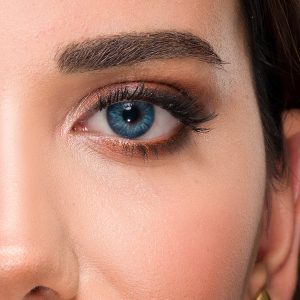
Cosmetic lens Alaska
Original price was: 70,00 €.60,00 €Current price is: 60,00 €.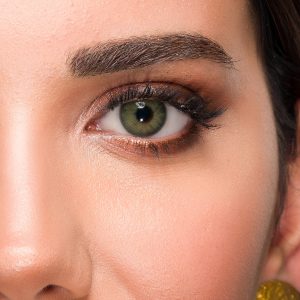
Cosmetic lens Amazon
Original price was: 70,00 €.60,00 €Current price is: 60,00 €.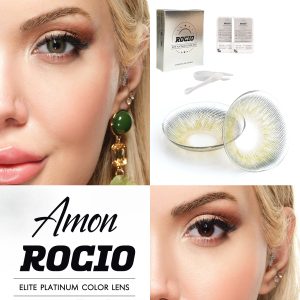
Cosmetic lens Amon
Original price was: 60,00 €.50,00 €Current price is: 50,00 €.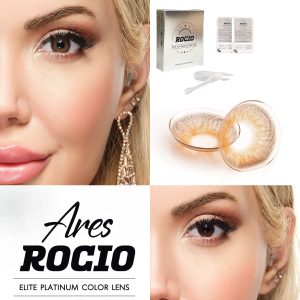
Cosmetic lens Ares
Price range: 1,00 € through 50,00 €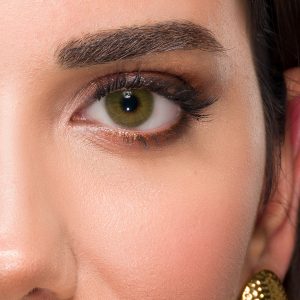
Cosmetic lens Asya
Original price was: 70,00 €.60,00 €Current price is: 60,00 €.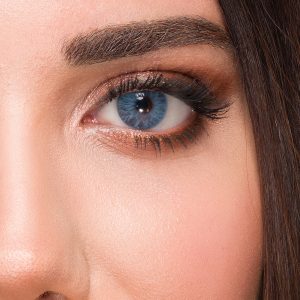
Cosmetic lens Avatar
Original price was: 70,00 €.60,00 €Current price is: 60,00 €.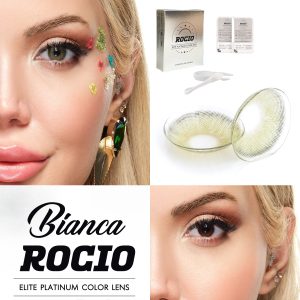
Cosmetic lens Bianca
Original price was: 60,00 €.50,00 €Current price is: 50,00 €.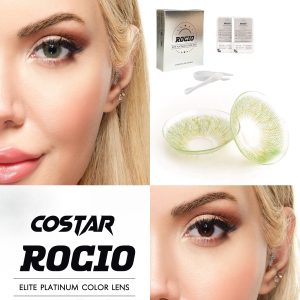
Cosmetic lens Costar
Original price was: 60,00 €.50,00 €Current price is: 50,00 €.
About author
