
No products in the cart.
Return To Shop

How to Safely Clean Reusable Contact Lenses: A Complete Guide
Master the Art: How to Safely Clean Reusable Contact Lenses
AI Ozeti
This article provides an in-depth guide on how to safely clean reusable contact lenses, a crucial practice for maintaining eye health and lens longevity. It details the essential tools, a step-by-step cleaning process including rubbing and rinsing, and advice on choosing the right contact lens solutions like multipurpose or hydrogen peroxide types. The guide also covers specific care considerations for various lens categories and brands, highlights common mistakes to avoid, and emphasizes the importance of adhering to replacement schedules for both lenses and cases. By following these expert recommendations, users can ensure comfortable wear and prevent potential eye infections.
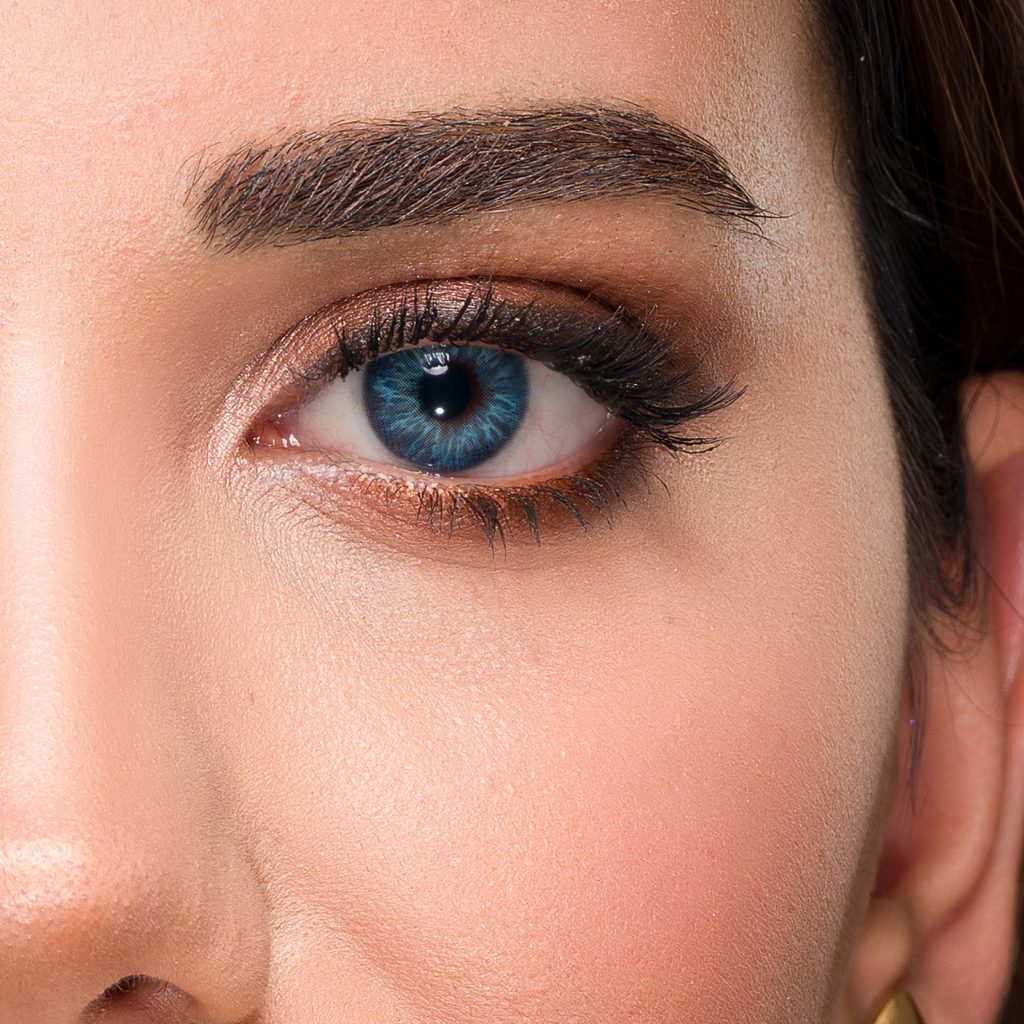
Understanding how to safely clean reusable contact lenses is paramount for maintaining optimal eye health and ensuring the longevity of your lenses. At Opticzade – Beauty Color Lens, we emphasize that proper lens care isn’t just a recommendation; it’s a critical practice that prevents infections, discomfort, and potential vision problems. Whether you wear Colored Lenses to enhance your natural beauty, or rely on Numbered Lenses for vision correction, the principles of hygiene remain the same. This comprehensive guide will walk you through every essential step, ensuring your eyes stay healthy and your lenses remain pristine.
Why Meticulous Contact Lens Cleaning is Non-Negotiable
Your eyes are delicate, and contact lenses sit directly on their surface. Over time, lenses can accumulate proteins, lipids, calcium, and environmental debris from your tears and surroundings. If not properly cleaned, these deposits can lead to:
- Eye Infections: Bacteria, fungi, and other microorganisms can thrive on dirty lenses, leading to painful and potentially sight-threatening infections like keratitis.
- Discomfort and Irritation: Deposits can make lenses feel gritty, dry, or uncomfortable, reducing wear time and overall satisfaction.
- Reduced Vision Quality: Accumulations can cloud your lenses, diminishing the clarity of your vision.
- Allergic Reactions: Some individuals may develop allergic responses to accumulated debris.
- Shorter Lens Lifespan: Proper cleaning helps maintain the integrity of the lens material, extending the life of your 3 Month Lenses or Annual Lenses as intended.
By mastering how to safely clean reusable contact lenses, you’re investing in your long-term eye health and comfort.
The Essential Tools for Your Lens Care Routine
Before you even touch your lenses, gather these crucial items:
- Approved Contact Lens Solution: Only use solutions specifically designed for contact lenses. We’ll discuss types shortly.
- Clean Contact Lens Case: A fresh, disinfected case is vital. Replace it every 1-3 months.
- Mild, Non-Cosmetic Soap: For washing your hands. Avoid soaps with lotions, fragrances, or moisturizers that can transfer to your lenses.
- Clean, Lint-Free Towel: To dry your hands thoroughly.
Step-by-Step: How to Safely Clean Reusable Contact Lenses
Follow these steps diligently every time you remove your lenses:
- Wash Your Hands Thoroughly: This is the absolute first and most critical step. Wash your hands with mild soap and water for at least 20 seconds. Rinse them completely and dry them with a clean, lint-free towel. This prevents transferring germs from your hands to your eyes or lenses.
- Prepare Your Workspace: Lay out a clean towel on a flat, clean surface. Open your contact lens case and pour fresh solution into both wells. Never “top off” old solution.
- Remove One Lens at a Time: Always start with the same eye (e.g., your right eye) to avoid mixing up your lenses, especially if you wear Numbered Lenses with different prescriptions or even Unnumbered Lenses like Cosmetic lens Alaska and Cosmetic lens Amazon, which might have subtle differences. Gently remove the lens from your eye.
- Clean (Rub) the Lens: Place the lens in the palm of your clean, dry hand. Add a few drops of fresh multipurpose or hydrogen peroxide solution. With the pad of your index finger, gently rub the lens in a back-and-forth motion for about 10-20 seconds. This physical rubbing action is crucial for dislodging deposits and debris. Many solutions are labeled “no-rub,” but most eye care professionals still recommend a gentle rub for superior cleaning.
- Rinse the Lens: Thoroughly rinse the rubbed lens with a steady stream of fresh contact lens solution. Ensure all traces of debris and loosened deposits are washed away.
- Disinfect and Store: Place the clean, rinsed lens into the appropriate well of your clean contact lens case, ensuring it’s fully submerged in fresh solution. Close the case tightly. Repeat the entire process for your other eye. Allow the lenses to soak for the minimum recommended time by the solution manufacturer, typically 4-6 hours or overnight.
Choosing the Right Contact Lens Solution for Optimal Care
The type of solution you use is just as important as the cleaning technique. Always consult your eye care professional before switching solutions.
Multipurpose Solutions
These are the most common and convenient. They clean, rinse, disinfect, and store lenses. Brands like Alaska Lens and Amazon Lens offer excellent multipurpose options. Always check the expiration date and ensure the solution is compatible with your specific lens material, whether you’re using Annual Lenses or 3 Month Lenses.
Hydrogen Peroxide Solutions
These offer a deeper clean and are often recommended for sensitive eyes or those prone to deposits. They require a special case with a neutralizing disc, as hydrogen peroxide must be neutralized before the lenses can be worn. Never put unneutralized hydrogen peroxide directly into your eyes. Examples include certain Amber Color Lens care systems.
Crucial Warning: Never Use Water!
Tap water, distilled water, and even bottled water contain microorganisms that can cause severe eye infections. Water also lacks disinfecting properties and can cause soft lenses to swell and stick to your eye. The CDC strongly advises against using water with contact lenses.
Special Considerations for Different Lens Types and Brands
While the core cleaning steps remain consistent, certain lens types and brands might have specific recommendations. For instance, the material of your Colored Contact Lenses, such as those from Opticzade, might influence the best solution choice. Always refer to the manufacturer’s instructions and your eye care specialist’s advice.
When comparing popular cosmetic lenses, you’ll find variations in material and recommended care. For example, a Cosmetic lens Alaska might have a slightly different water content or base curve than a Cosmetic lens Amazon, influencing how it interacts with certain solutions. Similarly, comparing a Cosmetic lens Amon to a Cosmetic lens Ares, or a Cosmetic lens Asya to a Cosmetic lens Avatar, often reveals differences in durability and deposit resistance. Brands like Bianca and Costar also have unique formulations. While Opticzade ensures all our lenses, including our vibrant Amber colored lenses, meet stringent safety standards, understanding these nuances helps you choose the best care regimen.
Common Mistakes to Avoid in Your Lens Care Routine
Even with the best intentions, mistakes can happen. Be vigilant about these common pitfalls:
- “Topping Off” Solution: Never add fresh solution to old solution in your case. This dilutes the disinfectant and allows bacteria to grow. Always discard old solution and use fresh.
- Using Saliva or Water: As mentioned, these are absolute no-gos.
- Not Rubbing Your Lenses: Even with “no-rub” solutions, a gentle rub significantly improves cleaning efficacy.
- Ignoring Expiration Dates: Both lenses and solutions have expiration dates. Using expired products compromises safety and effectiveness.
- Sleeping in Lenses (Unless Approved): Only extended-wear lenses are designed for overnight use, and even then, it carries risks.
- Not Replacing Your Lens Case: Your case accumulates bacteria and biofilm over time. Replace it every 1-3 months, or sooner if it looks dirty or damaged. The American Academy of Ophthalmology provides further insights on preventing contact lens infections.
When to Replace Your Lenses and Case
Adhering to replacement schedules is as important as cleaning. Whether you use 3 Month Lenses, Annual Lenses, or daily disposables (which don’t require cleaning), sticking to the schedule prevents complications. Similarly, replace your lens case regularly. A clean case is a cornerstone of effective lens hygiene.
At Opticzade – Beauty Color Lens, your eye health and satisfaction are our top priorities. By consistently following these guidelines on how to safely clean reusable contact lenses, you can enjoy clear vision, vibrant style, and comfortable wear for the entire lifespan of your lenses. If you ever experience redness, pain, blurred vision, or unusual discharge, remove your lenses immediately and consult an eye care professional.
how to safely clean reusable contact lenses ile ilgili icerikler
Onerilen Urunler
Cosmetic lens Alaska
Original price was: 70,00 €.60,00 €Current price is: 60,00 €.
Cosmetic lens Amazon
Original price was: 70,00 €.60,00 €Current price is: 60,00 €.
Cosmetic lens Amon
Original price was: 60,00 €.50,00 €Current price is: 50,00 €.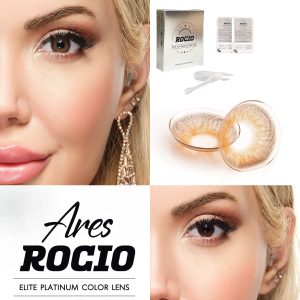
Cosmetic lens Ares
Price range: 1,00 € through 50,00 €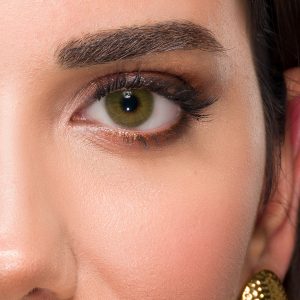
Cosmetic lens Asya
Original price was: 70,00 €.60,00 €Current price is: 60,00 €.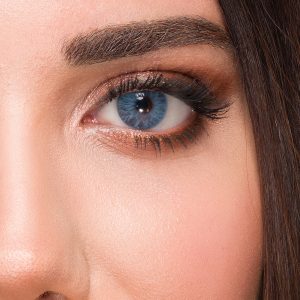
Cosmetic lens Avatar
Original price was: 70,00 €.60,00 €Current price is: 60,00 €.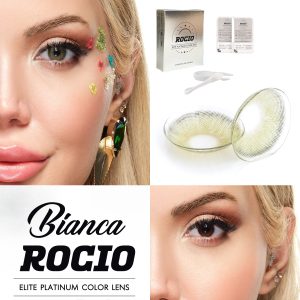
Cosmetic lens Bianca
Original price was: 60,00 €.50,00 €Current price is: 50,00 €.
Cosmetic lens Costar
Original price was: 60,00 €.50,00 €Current price is: 50,00 €.
About author
