
No products in the cart.
Return To Shop

How to put in contact lenses for beginners: A smooth start
Mastering the Art: How to Put in Contact Lenses for Beginners Confidently
AI Ozeti
This article provides a comprehensive, step-by-step guide on how to put in contact lenses for beginners, focusing on hygiene, proper technique, and common troubleshooting tips. It emphasizes the importance of preparation and patience, guiding new users through the process of lens inspection and insertion. The content also touches upon different types of lenses like Colored Lenses and Annual Lenses, and compares cosmetic options such as Cosmetic lens Alaska and Cosmetic lens Amazon. Ultimately, it aims to instill confidence in beginners, highlighting Opticzade as a trusted source for quality contact lenses and eye care advice.
Embarking on the journey of contact lens wear can feel daunting at first, but with the right guidance, learning how to put in contact lenses for beginners becomes a simple, empowering process. Millions enjoy the freedom and aesthetic versatility that contact lenses offer, from crisp vision with Numbered Lenses to stunning transformations with Colored Lenses. At Opticzade, we believe that everyone deserves a comfortable and confident experience from their very first try. This comprehensive guide is designed to walk you through each step, ensuring you master the art of lens insertion with ease.
Whether you’re exploring 3 Month Lenses for convenience or Annual Lenses for long-term value, proper insertion technique is paramount for eye health and comfort. Let’s demystify the process together.
Preparing for Your First Contact Lens Insertion
Before you even touch a lens, preparation is key. This initial stage sets the foundation for a hygienic and successful insertion, especially for those new to contact lenses.
Hygiene First: The Golden Rule
- Wash Your Hands Thoroughly: Use soap and water to wash your hands. Opt for a mild, unscented soap to avoid transferring irritants to your eyes. Rinse thoroughly to remove all soap residue.
- Dry Your Hands Completely: Use a lint-free towel to dry your hands. Lint can stick to your lenses and cause discomfort.
- Set Up Your Space: Work in a clean, well-lit area, preferably in front of a mirror. Have your lens case, fresh solution, and the contact lens blister pack ready.
Understanding Your Lenses
Before you insert, take a moment to understand your specific lenses. Are they daily disposables, or reusable lenses like 3 Month Lenses or Annual Lenses? Are they Unnumbered Lenses purely for cosmetic enhancement, or do they correct vision? Each type requires careful handling. For example, if you’re using Colored Lenses, you might notice a slight difference in thickness or rigidity compared to clear lenses, which can affect the initial feel but doesn’t change the insertion process.
Step-by-Step Guide: How to Put in Contact Lenses for Beginners
Now, let’s get to the core of how to put in contact lenses for beginners. Follow these steps carefully, and remember that practice makes perfect.
- Remove the Lens: Gently peel back the foil on the blister pack. Tip the lens into the palm of your clean, dry hand. If it doesn’t come out easily, gently slide it out with a clean fingertip. Avoid using tweezers or fingernails, which can damage the lens.
- Inspect the Lens: Place the lens on the tip of your dominant index finger. Hold it up to the light.
- Is it clean? Ensure there are no tears, debris, or lint.
- Is it right-side out? A contact lens should look like a perfect bowl with straight edges. If the edges flare out (like a soup plate), it’s inside out. Gently flip it over by rolling it between your thumb and index finger. This is crucial for comfort and vision.
- Prepare Your Eye: Use your non-dominant hand to hold your upper eyelid firmly open, close to the lash line. Use the middle finger of your dominant hand to pull down your lower eyelid. This creates a wide opening for the lens.
- Insert the Lens: Look straight ahead or slightly upwards. Gently place the contact lens directly onto the colored part of your eye (iris). You might need to blink slowly a few times to help the lens settle. Avoid blinking forcefully.
- Check for Comfort and Vision: Once the lens is in, slowly release your eyelids. Blink gently a few times. Your vision should be clear, and the lens should feel comfortable. If it feels scratchy or vision is blurry, it might be inside out, or there might be an eyelash or debris under it. Remove it, rinse with fresh solution, and re-inspect before re-inserting.
For more detailed visual instructions, reputable sources like the American Academy of Ophthalmology offer excellent guides.
Troubleshooting Common Beginner Challenges
It’s normal to face a few hurdles when you’re first learning how to put in contact lenses for beginners. Don’t get discouraged!
Dealing with Blinking and Fear
The natural reflex to blink is strong. Try these tips:
- Practice in front of a mirror: Seeing what you’re doing can build confidence.
- Keep both eyes open: Focusing on keeping your non-dominant eye open can help suppress the blink reflex in the eye you’re inserting the lens into.
- Take deep breaths: Relaxing your body can help relax your eyes.
- Use eye drops: If your eyes are dry, a few rewetting drops (approved for contact lenses) can make insertion smoother.
Comparing Cosmetic Lenses: Alaska vs. Amazon
When choosing cosmetic lenses, beginners often look for ease of handling and comfort. Brands like Alaska Lens and Amazon Lens offer a range of options. For instance, the Cosmetic lens Alaska is often praised for its natural look and comfortable fit, making it a popular choice for those seeking subtle enhancement. On the other hand, the Cosmetic lens Amazon might offer a wider array of vibrant colors, such as the Amber Color Lens, which could appeal to users looking for a more dramatic change. Both brands, along with others like Amon, Ares, and Asya, strive for quality, but individual comfort can vary. Always ensure you purchase from trusted retailers like Opticzade, where quality and safety are prioritized.
Maintaining Eye Health with Contact Lenses
Beyond insertion, proper care is crucial for healthy contact lens wear. This is especially true for reusable lenses like 3 Month Lenses and Annual Lenses.
Essential Hygiene Practices
- Always use fresh solution: Never reuse old solution or top it off.
- Clean your lens case daily: Rinse with fresh solution and let it air dry. Replace your case every 1-3 months.
- Follow wear schedules: Adhere to the recommended wear time for your specific lenses (e.g., daily, 3-month, annual). Over-wearing can lead to serious eye issues.
- Never sleep in lenses: Unless specifically approved by your eye care professional, always remove lenses before sleep.
For comprehensive guidelines on contact lens hygiene and safety, the Centers for Disease Control and Prevention (CDC) provides invaluable resources.
The Opticzade Advantage: Your Partner in Vision and Style
At Opticzade, we are committed to providing high-quality Colored Contact Lenses, including popular choices like Alaska and Amber, as well as a variety of Cosmetic lens options. We understand that learning how to put in contact lenses for beginners is a significant step, and we’re here to support you with expert advice and a diverse range of products, from Unnumbered Lenses for pure aesthetics to Numbered Lenses for vision correction. Our selection ensures you find the perfect fit for your eyes and your style. Trust Opticzade for a safe, comfortable, and beautiful contact lens experience.
With practice and patience, inserting contact lenses will become second nature. Embrace the world of enhanced vision and vibrant eye colors with confidence!
how to put in contact lenses for beginners ile ilgili icerikler
Sikca Sorulan Sorular
What are the most important steps for beginners putting in contact lenses?
The most important steps for beginners are thorough hand washing and drying, inspecting the lens to ensure it's clean and right-side out, and using your fingers to hold your eyelids wide open before gently placing the lens on your eye. Patience and practice are key.
How do I know if my contact lens is inside out?
A contact lens that is right-side out will look like a perfect bowl with straight edges. If it's inside out, the edges will flare outwards, resembling a soup plate. Inserting an inside-out lens will feel uncomfortable and your vision may be blurry.
What should I do if I can't stop blinking when trying to insert my contact lenses?
Blinking is a natural reflex. Try to keep both eyes open, as focusing on keeping your non-dominant eye open can help. Practice in front of a mirror, take deep breaths to relax, and ensure your eyelids are held firmly open with your fingers. A few rewetting drops can also help if your eyes are dry.
Are colored contact lenses harder to put in than clear ones?
Generally, no. The insertion process for Colored Lenses is the same as for clear lenses. Some colored lenses might feel slightly different due to the color pigment, but with practice, you'll find them just as easy to handle. Always ensure they are clean and right-side out for optimal comfort.
Onerilen Urunler
Cosmetic lens Alaska
Original price was: 70,00 €.60,00 €Current price is: 60,00 €.
Cosmetic lens Amazon
Original price was: 70,00 €.60,00 €Current price is: 60,00 €.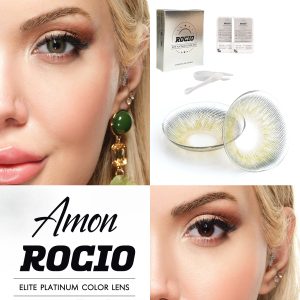
Cosmetic lens Amon
Original price was: 60,00 €.50,00 €Current price is: 50,00 €.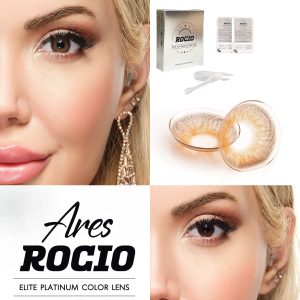
Cosmetic lens Ares
Price range: 1,00 € through 50,00 €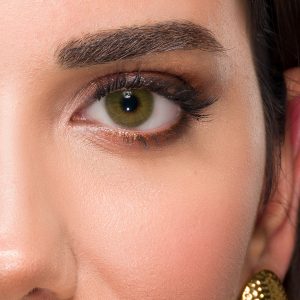
Cosmetic lens Asya
Original price was: 70,00 €.60,00 €Current price is: 60,00 €.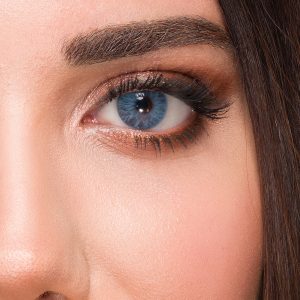
Cosmetic lens Avatar
Original price was: 70,00 €.60,00 €Current price is: 60,00 €.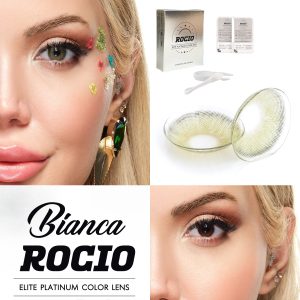
Cosmetic lens Bianca
Original price was: 60,00 €.50,00 €Current price is: 50,00 €.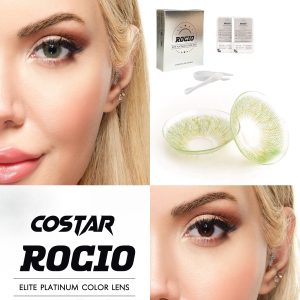
Cosmetic lens Costar
Original price was: 60,00 €.50,00 €Current price is: 50,00 €.
About author
