
No products in the cart.
Return To Shop

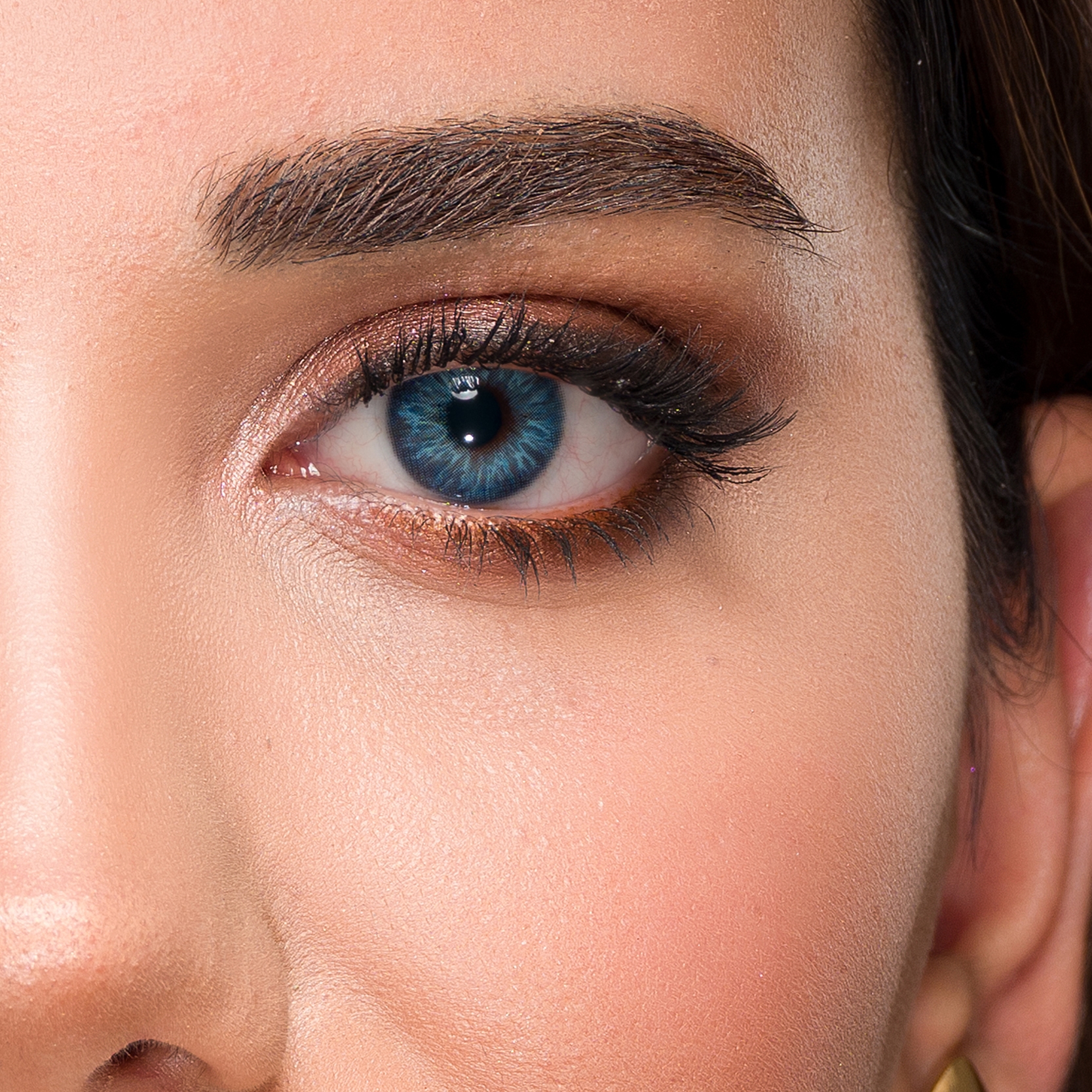
Embedded Pigment Contact Lenses Safety: Your Essential Guide
Ensuring Embedded Pigment Contact Lenses Safety: A Comprehensive Guide
AI Ozeti
This article provides an in-depth guide to embedded pigment contact lenses safety, highlighting the advanced technology that encapsulates color within the lens material to prevent direct eye contact. It emphasizes the importance of a valid prescription, proper fitting, and strict hygiene practices for all colored lenses, including 3 Month Lenses and Annual Lenses. The content also addresses common misconceptions and outlines best practices for safe lens use, reassuring readers that Opticzade's commitment to quality ensures both beauty and eye health for their Numbered and Unnumbered Lenses.
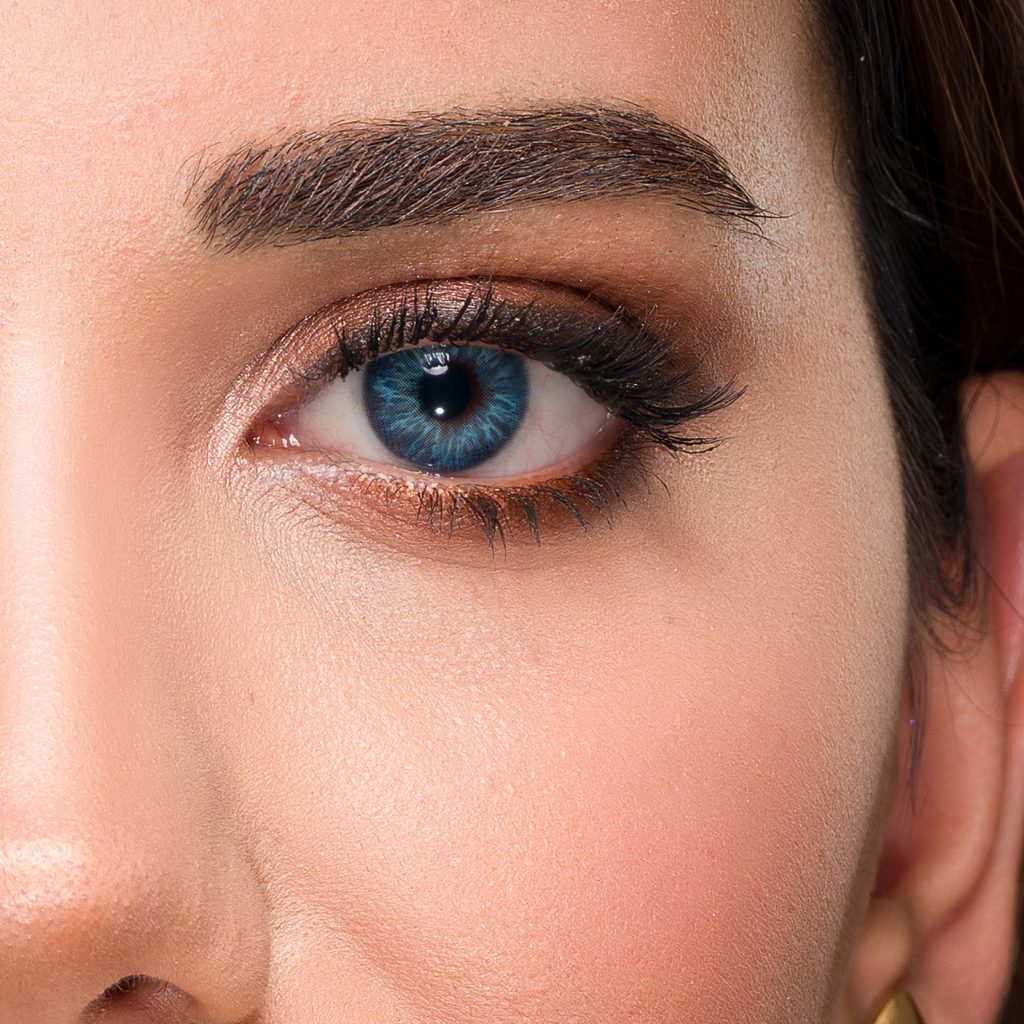
Ensuring embedded pigment contact lenses safety is paramount for anyone considering enhancing their eye color. These specialized lenses, designed with the color pigment encapsulated within the lens material, offer a vibrant yet natural look. Unlike older methods where pigment might sit on the lens surface, embedded pigment technology significantly reduces the risk of direct contact between the pigment and the eye, making them a popular choice for cosmetic enhancement. At Opticzade, we understand that beauty should never compromise health, which is why we prioritize safety and quality in all our Colored Lenses.
Understanding Embedded Pigment Contact Lenses Technology
The core of embedded pigment contact lenses safety lies in their innovative manufacturing process. This advanced design, often referred to as a “sandwich method” (though distinct from the specific term used in other articles), ensures that the colored layers are sealed between clear layers of lens material. This encapsulation prevents the pigment from touching the sensitive surface of your eye, minimizing irritation and potential allergic reactions. This design is a critical factor in the overall safety profile of modern cosmetic contact lenses.
This technology is crucial for maintaining eye health, especially for those who wear lenses for extended periods, such as our 3 Month Lenses or Annual Lenses. By isolating the pigment, these lenses offer superior comfort and reduce the likelihood of complications often associated with lower-quality cosmetic lenses.
Key Safety Considerations for Colored Contact Lenses
While embedded pigment technology significantly boosts safety, user adherence to best practices remains vital. Here are critical aspects to consider:
- Prescription Requirement: All contact lenses, including cosmetic ones, are medical devices. Whether you need Numbered Lenses (corrective vision) or Unnumbered Lenses (plano/non-corrective), a valid prescription from an eye care professional is mandatory. This ensures the lenses fit correctly and are suitable for your eyes.
- Proper Fitting: An ill-fitting lens can cause discomfort, blurred vision, corneal abrasions, and even serious infections. Only an optometrist or ophthalmologist can determine the correct base curve and diameter for your eyes.
- Hygiene Practices: Strict hygiene is non-negotiable. Always wash and dry your hands thoroughly before handling lenses. Use only fresh, sterile contact lens solution for cleaning and storage. Never use tap water or saliva.
- Material Quality: The material of the lens plays a significant role in breathability and comfort. High-quality materials allow sufficient oxygen to reach the cornea, preventing hypoxia-related issues. Opticzade is committed to sourcing lenses made from advanced, biocompatible materials that prioritize eye health.
The Importance of Embedded Pigment Contact Lenses Safety Standards
Regulatory bodies worldwide enforce stringent standards for contact lens manufacturing to ensure embedded pigment contact lenses safety. In many regions, lenses must meet specific certifications (e.g., FDA approval in the US, CE mark in Europe) that verify their quality, material safety, and manufacturing consistency. Opticzade ensures that all our products comply with these international safety standards, providing peace of mind to our customers.
These standards cover everything from the purity of the pigments used to the biocompatibility of the lens material with human eye tissue. Manufacturers must demonstrate that their lenses are non-toxic, non-irritating, and allow adequate oxygen transmission for healthy wear. Always purchase your lenses from reputable sources like Opticzade, which transparently provides information about product certifications and quality controls.
Choosing the Right Lenses for Optimal Eye Health
Selecting the appropriate contact lenses involves more than just picking a color. Consider the following to ensure optimal eye health and comfort:
- Wear Duration: Opticzade offers various wear schedules, including 3 Month Lenses and Annual Lenses. Adhering to the recommended replacement schedule is crucial to prevent protein and lipid buildup, which can lead to discomfort and infections.
- Consult an Eye Care Professional: Before purchasing any Colored Lenses, whether corrective or purely cosmetic, a comprehensive eye examination is essential. Your eye doctor will assess your eye health, measure your eye’s curvature, and determine if contact lenses are suitable for you. They can also advise on the best type of lens and care regimen for your specific needs.
- Quality and Brand Reputation: Always choose lenses from trusted brands. Opticzade is dedicated to providing high-quality Colored Lenses that meet rigorous safety standards. Our commitment to excellence ensures that you receive products that are both beautiful and safe for your eyes.
Common Misconceptions About Embedded Pigment Contact Lenses
Many myths surround cosmetic contact lenses, often leading to unnecessary fear or, conversely, complacency. One common concern is that the pigment might “leach” into the eye. Thanks to the embedded pigment technology, this is highly unlikely with properly manufactured lenses. The pigment is sealed within the lens matrix, preventing direct contact with the eye’s surface. Another misconception is that “one size fits all” for cosmetic lenses. As discussed, a proper fitting is crucial for embedded pigment contact lenses safety and comfort.
It’s also important to distinguish between legitimate, regulated cosmetic lenses and unsafe novelty lenses often sold illegally without a prescription. These unregulated lenses often use inferior materials and manufacturing processes, posing severe risks to eye health. Always ensure you purchase from a reputable source like Opticzade and have a valid prescription.
Best Practices for Safe Embedded Pigment Contact Lens Use
Even with the safest lenses, improper handling and care can lead to serious eye complications. Follow these best practices diligently:
- Clean and Disinfect Regularly: For reusable lenses (like 3 Month Lenses or Annual Lenses), clean them immediately after removal with fresh, sterile solution. Rub the lenses gently in your palm with a few drops of solution, then rinse thoroughly before placing them in a clean lens case filled with fresh solution.
- Replace Lens Case Frequently: Your lens case should be cleaned daily and replaced every one to three months to prevent bacterial buildup.
- Never Sleep in Lenses: Unless specifically prescribed by your eye doctor for extended wear, always remove your lenses before sleeping, showering, or swimming.
- Adhere to Replacement Schedule: Do not over-wear your lenses beyond their recommended duration. Whether they are 3 Month Lenses or Annual Lenses, sticking to the schedule is vital for embedded pigment contact lenses safety.
- Monitor for Symptoms: If you experience redness, irritation, pain, blurred vision, or excessive tearing, remove your lenses immediately and consult your eye care professional.
At Opticzade, your vision and eye health are our top priorities. We are dedicated to providing high-quality Colored Lenses that not only enhance your natural beauty but also adhere to the strictest safety standards. By understanding and practicing proper care, you can enjoy the stunning effects of embedded pigment contact lenses safely and comfortably. Explore our range of Numbered Lenses and Unnumbered Lenses today and experience the Opticzade difference.
embedded pigment contact lenses safety ile ilgili icerikler
Sikca Sorulan Sorular
Are embedded pigment contact lenses truly safe?
Yes, when purchased from reputable sources like Opticzade and used correctly under the guidance of an eye care professional, embedded pigment contact lenses are considered safe. Their design encapsulates the pigment between layers of lens material, preventing direct contact with the eye and minimizing irritation.
Do I need a prescription for colored contact lenses, even if they are non-corrective?
Absolutely. All contact lenses, including non-corrective (plano) colored lenses, are medical devices and require a valid prescription from an eye care professional. This ensures the lenses are properly fitted to your eyes and suitable for your eye health, preventing potential complications.
How does embedded pigment technology enhance safety?
Embedded pigment technology enhances safety by sealing the colored pigments within the lens material, typically between two clear layers. This prevents the pigment from directly touching the sensitive surface of your eye, significantly reducing the risk of irritation, allergic reactions, or pigment leaching.
What are the most important hygiene tips for embedded pigment lenses?
Key hygiene tips include always washing and drying your hands before handling lenses, using only fresh, sterile contact lens solution for cleaning and storage, never using tap water, and replacing your lens case every 1-3 months. Adhering to the recommended replacement schedule for your 3 Month Lenses or Annual Lenses is also crucial.
Onerilen Urunler
Cosmetic lens Alaska
Original price was: 70,00 €.60,00 €Current price is: 60,00 €.
Cosmetic lens Amazon
Original price was: 70,00 €.60,00 €Current price is: 60,00 €.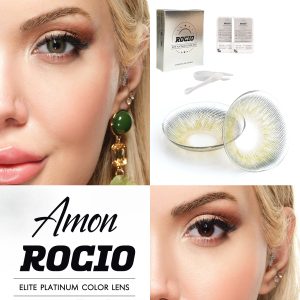
Cosmetic lens Amon
Original price was: 60,00 €.50,00 €Current price is: 50,00 €.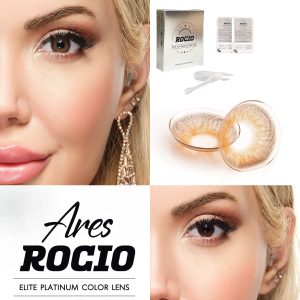
Cosmetic lens Ares
Price range: 1,00 € through 50,00 €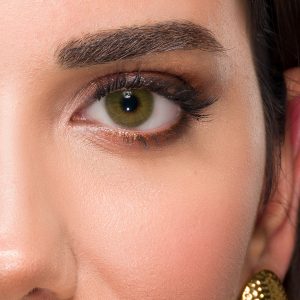
Cosmetic lens Asya
Original price was: 70,00 €.60,00 €Current price is: 60,00 €.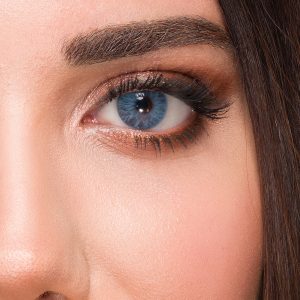
Cosmetic lens Avatar
Original price was: 70,00 €.60,00 €Current price is: 60,00 €.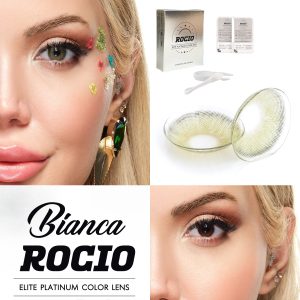
Cosmetic lens Bianca
Original price was: 60,00 €.50,00 €Current price is: 50,00 €.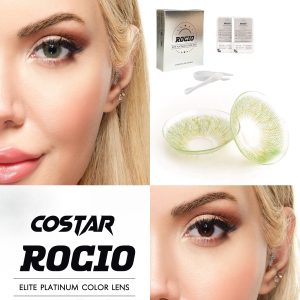
Cosmetic lens Costar
Original price was: 60,00 €.50,00 €Current price is: 50,00 €.
About author
