
No products in the cart.
Return To Shop
Claro Contact Lenses Base Curve: The Key to Your Comfort
Mastering Your Claro Contact Lenses Base Curve for Optimal Eye Health
AI Ozeti
The base curve of Claro contact lenses is crucial for comfort, clear vision, and eye health. This article explains what a base curve is, how it's measured, and why a correct fit is vital to prevent discomfort and potential eye issues. It details how optometrists determine the ideal base curve and highlights its importance across various lens types, including Colored Lenses, Numbered Lenses, and longer-wear options like 3 Month and Annual Lenses. Opticzade emphasizes professional consultation for a precise fit to ensure optimal oxygen permeability and overall ocular well-being.
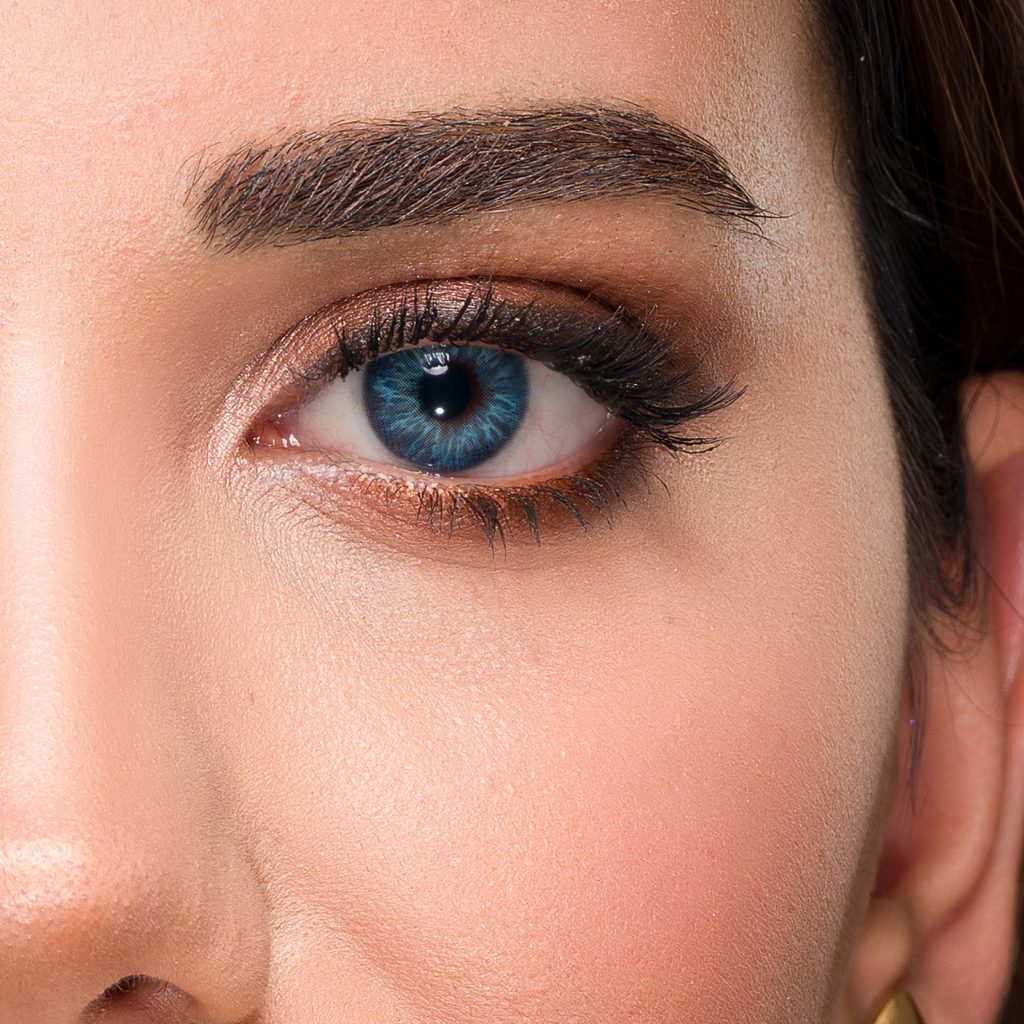
The claro contact lenses base curve is a critical, yet often overlooked, factor in achieving optimal comfort and clear vision. At Opticzade – Beauty Color Lens, we understand that a perfect fit is paramount, especially when choosing lenses that enhance your natural beauty, such as our popular Colored Lenses. This in-depth guide will demystify the base curve, explaining why it’s so important for your eye health and how it directly impacts your experience with Claro contact lenses.
What Exactly is a Contact Lens Base Curve?
The base curve (BC) of a contact lens refers to the curvature of its back surface, the part that rests directly on your eye. Think of it like the “fit” of a shoe – too tight, and it pinches; too loose, and it slips. Measured in millimeters (mm), the base curve is designed to match the natural curvature of your cornea, the transparent front part of your eye. A steeper cornea requires a steeper (smaller millimeter) base curve, while a flatter cornea needs a flatter (larger millimeter) base curve. Getting this measurement right is fundamental, as it dictates how the lens sits on your eye, influencing everything from comfort to oxygen flow.
Why the Claro Contact Lenses Base Curve is Crucial for Comfort and Health
The correct claro contact lenses base curve ensures that the lens moves appropriately with each blink, allowing for proper tear exchange beneath the lens. This tear exchange is vital for washing away debris and delivering oxygen to the cornea. If the base curve is too steep (too tight), the lens will grip the eye too firmly, restricting tear flow and oxygen. This can lead to discomfort, redness, irritation, and even serious eye health issues over time. Conversely, if the base curve is too flat (too loose), the lens will move excessively, causing blurriness, instability, and a sensation of the lens “floating” or even falling out. For those using Claro lenses, whether they are Annual Lenses or 3 Month Lenses, maintaining this ideal fit is key to enjoying continuous comfort and maintaining eye health.
The Impact on Vision Stability
Beyond comfort, the base curve significantly affects visual acuity. A well-fitted lens centers correctly on the cornea, ensuring that the optical zone of the lens aligns precisely with your pupil. This stable positioning is essential for consistent, clear vision. If the lens shifts due to an incorrect base curve, your vision can become inconsistent or blurry, particularly problematic for Numbered Lenses designed to correct specific refractive errors. Even for Unnumbered Lenses, such as our vibrant Colored Lenses, a stable fit ensures the cosmetic effect is consistently positioned and natural-looking.
How Optometrists Determine Your Ideal Claro Contact Lenses Base Curve
Determining your precise base curve requires a professional eye examination by an optometrist or ophthalmologist. They use specialized instruments, primarily a keratometer, to measure the curvature of your cornea. This measurement, combined with other factors like your eye’s overall health, tear film quality, and lifestyle, helps them prescribe the most suitable contact lens parameters, including the base curve. It’s not a one-size-fits-all solution; even slight differences in corneal shape can necessitate different base curves. This is why self-prescribing or guessing your base curve is never recommended. Opticzade always emphasizes the importance of a valid prescription from a qualified eye care professional before purchasing any contact lenses. For further reading on contact lens fitting, you can refer to resources like the American Academy of Ophthalmology: Contact Lens Care & Complications.
Common Base Curve Ranges for Claro Lenses
While specific Claro lenses might come in a range of base curves, common options often fall between 8.3 mm and 8.9 mm. Many manufacturers, including those producing Claro lenses, offer a “median” or “average” base curve (e.g., 8.6 mm) that fits a large percentage of the population. However, for individuals with particularly steep or flat corneas, specialized base curves are available. Your eye care professional will guide you to the exact base curve that aligns with your unique corneal topography, ensuring your Claro contact lenses provide the best possible experience.
Base Curve Considerations for Different Claro Lens Types at Opticzade
The importance of the claro contact lenses base curve extends across all types of lenses available at Opticzade.
- Colored Lenses: While primarily chosen for their aesthetic appeal, a correctly fitted base curve ensures these lenses remain comfortable throughout the day and that the colored pattern aligns naturally with your iris. An ill-fitting colored lens can shift, making the pupil hole misaligned and giving an unnatural appearance.
- Numbered Lenses (Prescription): For lenses correcting vision, the base curve is doubly critical. It affects both comfort and the stability of the optical correction. A shifting lens means inconsistent vision, which can be frustrating and even unsafe.
- Unnumbered Lenses (Plano): Even without vision correction, plano lenses (like many of our vibrant Unnumbered Lenses) still require a precise base curve for comfort, eye health, and to prevent irritation.
- 3 Month and Annual Lenses: These longer-wear lenses demand an even more meticulous fit. Because they are worn for extended periods, any slight discomfort or compromise in oxygen flow due to an incorrect base curve can accumulate and lead to significant issues over time. Opticzade ensures that whether you choose 3 Month Lenses or Annual Lenses, the base curve is a primary consideration for sustained eye health.
Ensuring Optimal Oxygen Permeability
The material and design of Claro lenses, combined with the correct base curve, work together to ensure optimal oxygen permeability to the cornea. When a lens fits correctly, it allows for a healthy tear film layer underneath, which facilitates oxygen transport. A tight fit (steep BC) can create a suction effect, reducing tear exchange and oxygen flow, potentially leading to corneal hypoxia. Conversely, a loose fit (flat BC) can cause excessive friction and irritation. Understanding this synergy is key to appreciating why your optometrist’s prescription for your claro contact lenses base curve is non-negotiable. For more on contact lens materials and oxygen, you might find this resource helpful: Wikipedia: Contact Lens.
Conclusion
The claro contact lenses base curve is far more than just a technical specification; it’s the foundation of your contact lens comfort, vision clarity, and long-term eye health. At Opticzade – Beauty Color Lens, we are committed to providing high-quality lenses that not only enhance your natural beauty but also prioritize your ocular well-being. Always consult with your eye care professional to determine your precise base curve, and trust Opticzade for a diverse range of Claro lenses, from stunning Colored Lenses to reliable Annual Lenses, all designed to meet the highest standards of fit and comfort. A perfect fit truly makes all the difference.
claro contact lenses base curve ile ilgili icerikler
Sikca Sorulan Sorular
What is the base curve of a contact lens?
The base curve (BC) of a contact lens refers to the curvature of its back surface, which rests directly on your eye. Measured in millimeters (mm), it's designed to match the natural curvature of your cornea for a comfortable and stable fit.
How do I find my correct Claro contact lenses base curve?
Your correct Claro contact lenses base curve can only be determined by a professional eye examination from an optometrist or ophthalmologist. They use specialized instruments like a keratometer to measure your corneal curvature and prescribe the appropriate BC for your eyes.
What happens if my contact lens base curve is wrong?
If the base curve is too steep (tight), it can restrict tear flow and oxygen, causing discomfort, redness, and irritation. If it's too flat (loose), the lens may move excessively, leading to blurriness, instability, and a sensation of the lens floating or falling out. Both scenarios can compromise eye health and vision.
Is the base curve important for Claro Colored Lenses and other types?
Yes, the base curve is crucial for all types of Claro lenses, including Colored Lenses, Numbered Lenses, Unnumbered Lenses, 3 Month Lenses, and Annual Lenses. A correct base curve ensures comfort, stable vision, proper oxygen flow, and, for colored lenses, ensures the aesthetic pattern aligns naturally with your iris.
Onerilen Urunler
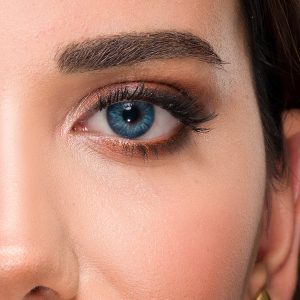
Cosmetic lens Alaska
Original price was: 70,00 €.60,00 €Current price is: 60,00 €.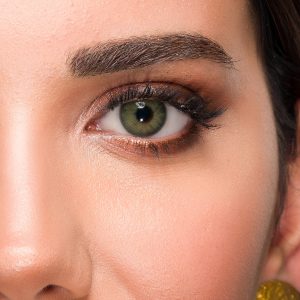
Cosmetic lens Amazon
Original price was: 70,00 €.60,00 €Current price is: 60,00 €.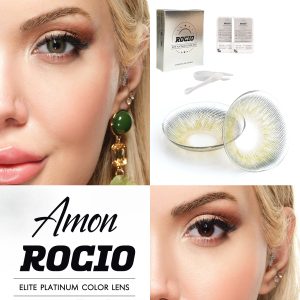
Cosmetic lens Amon
Original price was: 60,00 €.50,00 €Current price is: 50,00 €.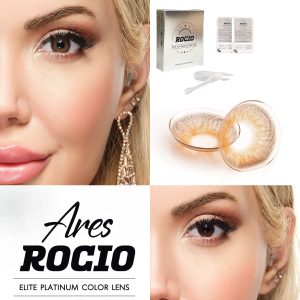
Cosmetic lens Ares
Price range: 1,00 € through 50,00 €
Cosmetic lens Asya
Original price was: 70,00 €.60,00 €Current price is: 60,00 €.
Cosmetic lens Avatar
Original price was: 70,00 €.60,00 €Current price is: 60,00 €.
Cosmetic lens Bianca
Original price was: 60,00 €.50,00 €Current price is: 50,00 €.
Cosmetic lens Costar
Original price was: 60,00 €.50,00 €Current price is: 50,00 €.
About author
