
No products in the cart.
Return To Shop

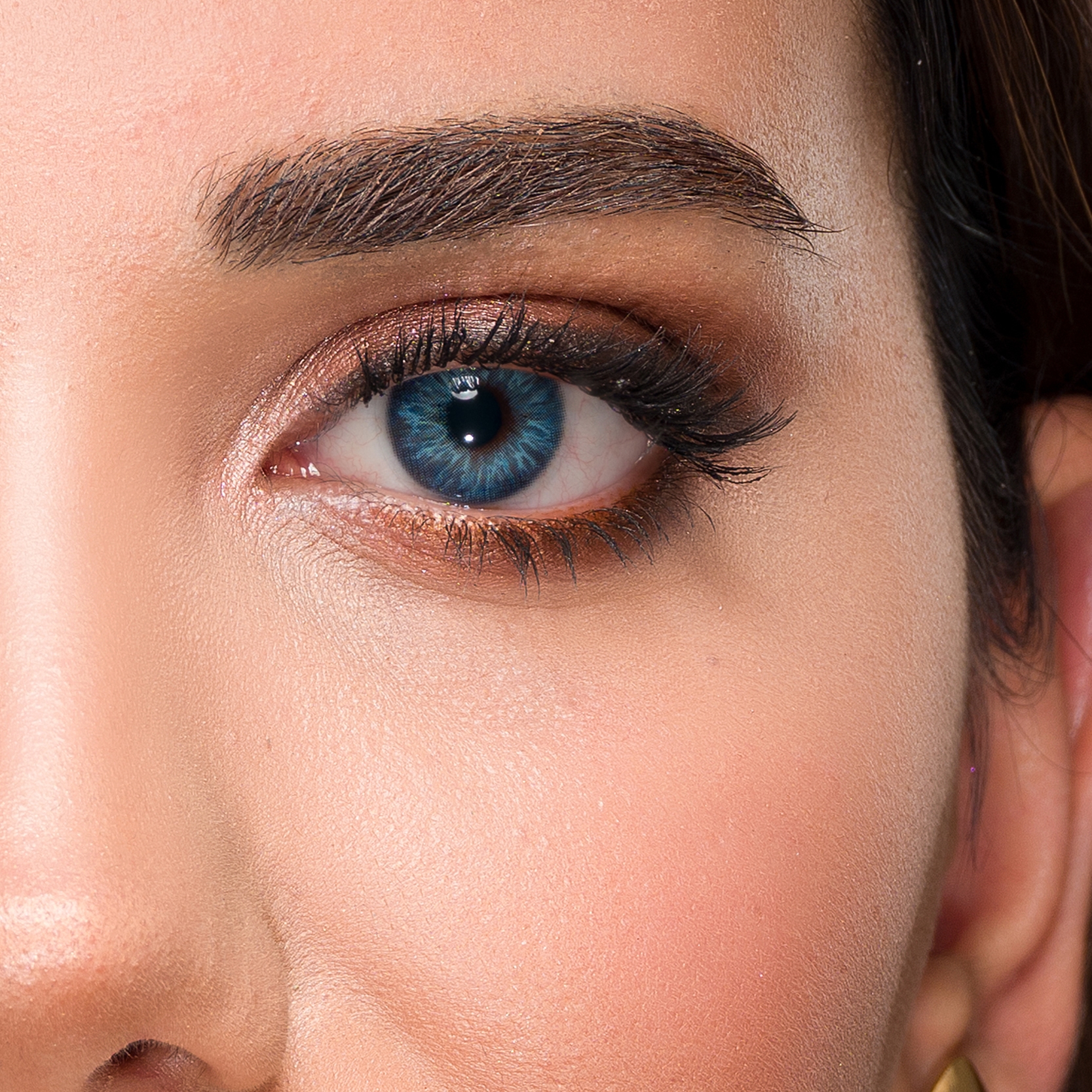
Claro Lens Sandwich Method Safety: Expert Insights
Understanding Claro Lens Sandwich Method Safety for Your Eyes
AI Ozeti
This article critically examines the "claro lens sandwich method safety," a practice of layering contact lenses that poses significant risks to eye health. It details why this method, often used with colored lenses, leads to dangers like oxygen deprivation, increased infection risk, and lens damage, impacting various lens types including 3 Month and Annual Lenses. Opticzade emphasizes abandoning this unsafe technique in favor of proper, hygienic contact lens application and choosing quality, certified Colored Lenses. The guide stresses the importance of professional eye care and making informed choices to protect precious vision.
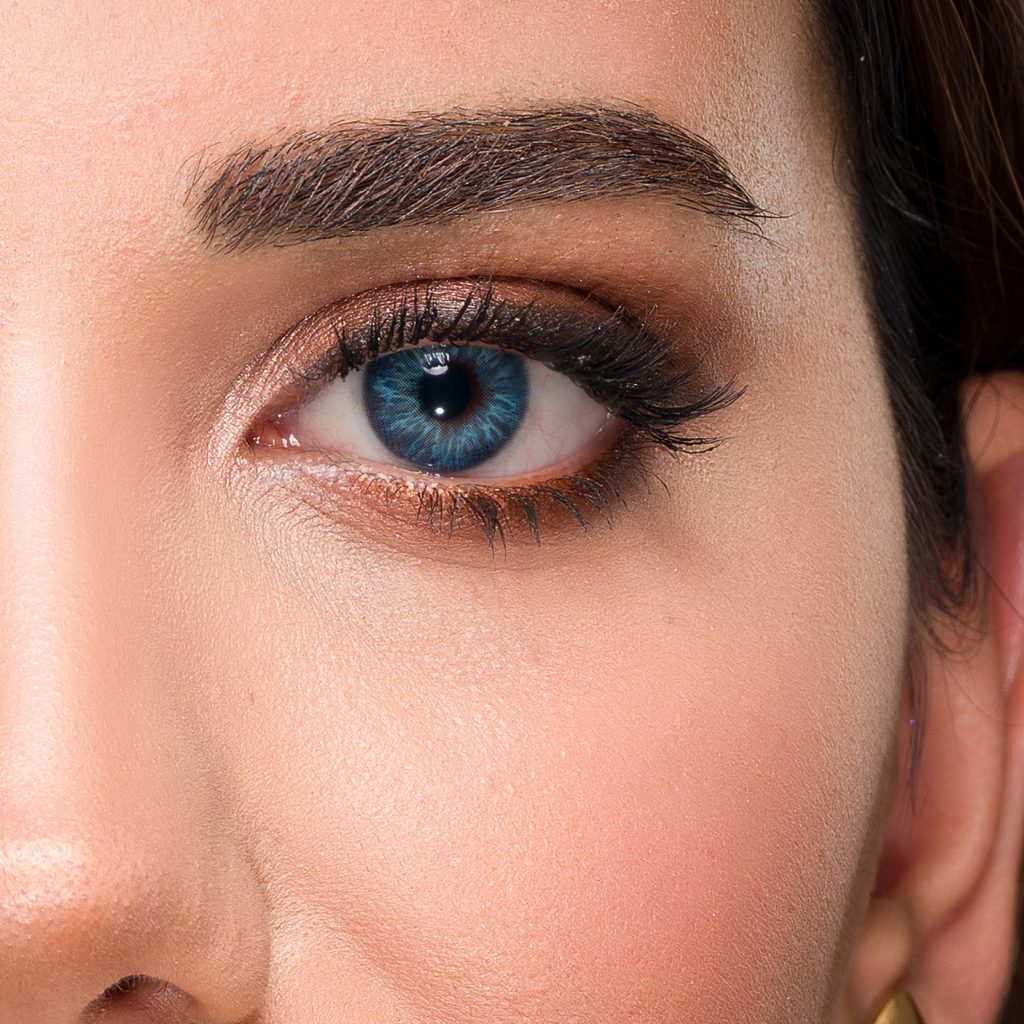
The concept of the “claro lens sandwich method safety” has emerged in online discussions, often referring to the practice of layering a colored contact lens between two clear prescription lenses. While the idea might seem appealing for achieving unique eye color effects or enhancing vision with colored lenses, it is a practice fraught with significant risks to your ocular health. At Opticzade, your trusted source for beauty color lenses, we prioritize your eye safety above all else, and it’s crucial to understand why this method is strongly discouraged by eye care professionals.
What Exactly is the Claro Lens Sandwich Method?
The “sandwich method” typically involves placing a cosmetic contact lens, such as a colored lens from brands like Claro, between two clear, corrective contact lenses. The intention is often to achieve a more vibrant or custom eye color effect, or sometimes to combine a non-prescription colored lens with a prescription clear lens in a way that isn’t officially sanctioned. For instance, a user might have a prescription for myopia and want to wear unnumbered lenses for color, attempting to layer them with their numbered lenses.
This technique is distinct from wearing a single pair of prescription colored contacts, which are designed and approved for safe wear. The sandwich method is an unofficial, DIY approach that bypasses professional guidance and lens design principles, raising immediate concerns about claro lens sandwich method safety.
Why the Claro Lens Sandwich Method Poses Serious Risks
Layering contact lenses, regardless of whether they are Claro lenses or any other brand, introduces a multitude of potential hazards to your eyes. The delicate nature of your ocular surface and the precise engineering of contact lenses make such practices extremely dangerous.
- Oxygen Deprivation: Each contact lens is designed to allow a specific amount of oxygen to reach your cornea. Stacking multiple lenses significantly reduces this vital oxygen flow. Prolonged oxygen deprivation (hypoxia) can lead to corneal swelling, blurred vision, pain, and, in severe cases, neovascularization (growth of new blood vessels into the cornea), which can permanently impair vision.
- Increased Risk of Infection: More surfaces mean more opportunities for bacteria, fungi, and other microorganisms to adhere and multiply. The space between layered lenses can trap debris and pathogens, creating a breeding ground for severe eye infections like keratitis. These infections can be painful, difficult to treat, and may result in permanent vision loss or even require corneal transplantation. The Centers for Disease Control and Prevention (CDC) consistently emphasizes proper hygiene to prevent such risks. For more information, visit the CDC’s Contact Lens Health Week page.
- Lens Damage and Discomfort: Layering lenses can cause them to rub against each other, leading to tears, scratches, or deformation of the lens material. Damaged lenses can irritate the eye, cause abrasions on the cornea, and significantly reduce comfort. This applies to all types, from 3 Month Lenses to Annual Lenses.
- Improper Fit and Corneal Abrasion: Contact lenses are individually fitted by an eye care professional to match the unique curvature of your eye. Stacking lenses alters this precise fit, leading to excessive movement, suction, or uneven pressure. This improper fit can cause severe discomfort, redness, and potentially lead to corneal abrasions or ulcers.
- Allergic Reactions: The materials in different lenses might not be compatible, or the increased thickness could trigger an allergic reaction in sensitive eyes.
The Impact on Various Colored Lens Types
The risks associated with the “sandwich method” are universal across different types of contact lenses, but they are particularly relevant when considering colored lenses. Whether you’re interested in enhancing your natural eye color with subtle unnumbered lenses or making a bold statement with vibrant numbered lenses, the integrity of the lens and its proper fit are paramount.
- Colored Lenses: These lenses often have pigment embedded within or on the surface, which can sometimes be thicker than clear lenses. Layering them exacerbates the oxygen deprivation issue.
- 3 Month Lenses & Annual Lenses: These extended-wear lenses are designed for durability and specific wear schedules. Compromising their structure by layering can shorten their lifespan and increase the risk of complications, making their intended benefits moot.
- Numbered Lenses & Unnumbered Lenses: Both prescription (numbered) and plano (unnumbered) lenses are engineered for single-layer wear. Attempting to combine them in a “sandwich” nullifies their individual safety profiles and introduces unforeseen dangers.
At Opticzade, we offer a wide range of high-quality colored contact lenses, including options for various wear durations and prescriptions, all designed for safe, single-lens wear. We strongly advise against any method that deviates from manufacturer instructions and professional recommendations.
Safe and Hygienic Application of Contact Lenses
Ensuring claro lens sandwich method safety is not about finding a safe way to stack lenses, but about abandoning the practice entirely and adopting proper lens care. Here’s how you should always handle and apply your contact lenses, whether they are Claro lenses or any other brand you choose from Opticzade:
- Wash Your Hands Thoroughly: Always wash your hands with soap and water and dry them completely with a lint-free towel before touching your contact lenses. This is the first and most critical step in preventing eye infections.
- Use Fresh Solution: Only use fresh, sterile contact lens solution recommended by your eye care professional to clean and store your lenses. Never use tap water, saliva, or expired solution.
- Check Lens Orientation: Before insertion, ensure the lens is not inside out. A properly oriented lens will have a bowl shape with straight edges, while an inside-out lens will have a saucer-like appearance with flared edges.
- Gentle Insertion: Place the lens on the tip of your index finger. Use your other hand to hold your upper eyelid open, and use the middle finger of the hand holding the lens to pull down your lower eyelid. Gently place the lens on your eye. Blink slowly to settle the lens.
- Follow Wear Schedule: Adhere strictly to the wear and replacement schedule prescribed by your eye care specialist and recommended by the lens manufacturer (e.g., daily, 3-month, annual). Overwearing lenses significantly increases infection risk.
- Regular Eye Exams: Schedule regular check-ups with your eye care professional. They can monitor your eye health, ensure your lenses fit correctly, and address any concerns. The American Academy of Ophthalmology provides valuable resources on preventing contact lens-related eye infections. You can learn more at AAO – Contact Lens Infections.
Choosing Quality Colored Lenses for Safety and Style
Instead of risky methods like the “claro lens sandwich method,” focus on selecting high-quality, authentic colored contact lenses from reputable sources like Opticzade. We ensure that all our products, from subtle enhancements to dramatic transformations, meet stringent safety and quality standards.
When you choose Opticzade, you’re not just getting beautiful Colored Lenses; you’re investing in your eye health. We offer a diverse range, including 3 Month Lenses and Annual Lenses, as well as both Numbered Lenses for vision correction and Unnumbered Lenses for purely cosmetic purposes. Each product comes with clear instructions for safe use, ensuring you can achieve your desired look without compromising your vision or ocular well-being.
When to Consult an Eye Care Professional
Your eye health is paramount. If you experience any discomfort, redness, pain, blurred vision, or excessive tearing while wearing contact lenses, remove them immediately and consult an eye care professional. Never attempt to self-diagnose or treat eye issues, especially if you’ve been experimenting with unsafe practices like the “claro lens sandwich method.” Regular eye examinations are crucial for all contact lens wearers, even those using unnumbered lenses for cosmetic purposes.
Conclusion: Prioritizing Your Eye Health Over Risky Trends
In conclusion, while the allure of unique eye effects might lead some to consider methods like the “claro lens sandwich method,” the potential risks to your vision and eye health far outweigh any perceived benefits. This practice is unequivocally unsafe and should be avoided. At Opticzade, we are committed to providing you with safe, high-quality Colored Contact Lenses and the knowledge to use them responsibly. Always prioritize professional advice, follow proper hygiene protocols, and choose certified products to ensure your eyes remain healthy and beautiful. Your vision is a precious gift; protect it with informed choices.
claro lens sandwich method safety ile ilgili icerikler
Sikca Sorulan Sorular
What is the Claro Lens Sandwich Method?
The Claro Lens Sandwich Method refers to the unofficial practice of layering a colored contact lens (like a Claro lens) between two clear, corrective contact lenses. This DIY technique is often used to achieve a unique eye color effect or to combine non-prescription colored lenses with prescription clear lenses.
Is the Claro Lens Sandwich Method safe for my eyes?
No, the Claro Lens Sandwich Method is unequivocally unsafe and strongly discouraged by eye care professionals. Layering contact lenses significantly increases risks such as oxygen deprivation, severe eye infections, lens damage, and improper fit, all of which can lead to permanent vision impairment.
What are the primary risks of layering contact lenses?
The primary risks include oxygen deprivation to the cornea, leading to swelling and potential blood vessel growth; a higher chance of severe eye infections like keratitis due to trapped debris and pathogens; physical damage to the lenses and cornea; and an improper fit that can cause discomfort, abrasions, or ulcers.
How should I safely apply my colored contact lenses from Opticzade?
Always wash and dry your hands thoroughly before handling lenses. Use fresh, sterile contact lens solution. Ensure the lens is correctly oriented and gently place it on your eye. Follow the prescribed wear and replacement schedule, and attend regular eye exams. Opticzade provides high-quality colored lenses designed for safe, single-lens wear.
Does Opticzade recommend the Claro Lens Sandwich Method?
Absolutely not. Opticzade is committed to eye safety and strongly advises against any practice that deviates from manufacturer instructions and professional recommendations, including the Claro Lens Sandwich Method. We advocate for the safe, single-lens wear of our certified Colored Lenses to protect your vision and eye health.
Onerilen Urunler
Cosmetic lens Alaska
Original price was: 70,00 €.60,00 €Current price is: 60,00 €.
Cosmetic lens Amazon
Original price was: 70,00 €.60,00 €Current price is: 60,00 €.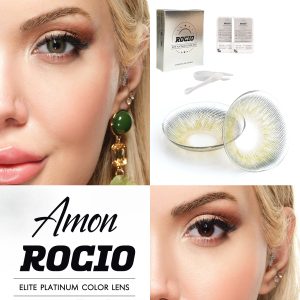
Cosmetic lens Amon
Original price was: 60,00 €.50,00 €Current price is: 50,00 €.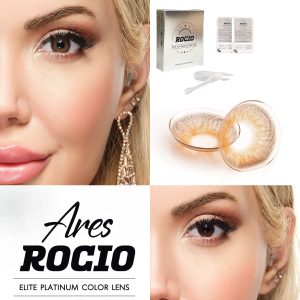
Cosmetic lens Ares
Price range: 1,00 € through 50,00 €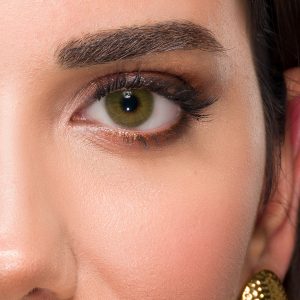
Cosmetic lens Asya
Original price was: 70,00 €.60,00 €Current price is: 60,00 €.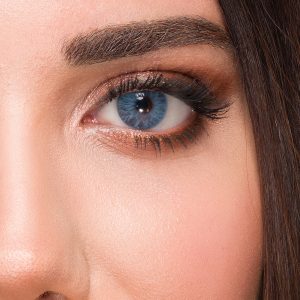
Cosmetic lens Avatar
Original price was: 70,00 €.60,00 €Current price is: 60,00 €.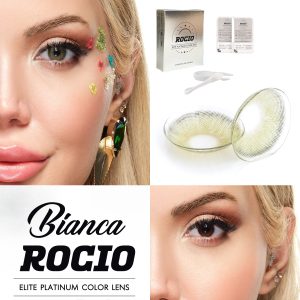
Cosmetic lens Bianca
Original price was: 60,00 €.50,00 €Current price is: 50,00 €.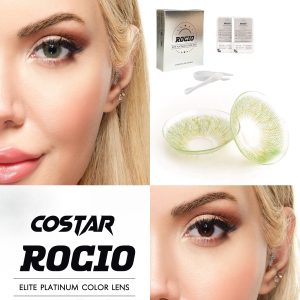
Cosmetic lens Costar
Original price was: 60,00 €.50,00 €Current price is: 50,00 €.
About author
