
No products in the cart.
Return To Shop
Why Are My Colored Contacts Blurry and Dry? Solutions
Understanding Why Your Colored Contacts Feel Blurry and Dry
AI Ozeti
Many colored contact lens wearers experience blurriness and dryness, which can stem from various factors. This article explores common causes such as improper lens fit, deposits, damage, and incorrect prescriptions for blurriness, and insufficient oxygen permeability, environmental factors, dehydration, and poor lens care for dryness. It provides practical solutions, including consulting an eye care professional, upgrading lenses, practicing meticulous hygiene, using re-wetting drops, and staying hydrated. Opticzade - Beauty Color Lens emphasizes the importance of choosing quality lenses and proper care for comfortable and clear vision.
If you’re asking, “why are my colored contacts blurry and dry?” you’re not alone. This is a common concern for many colored contact lens wearers. While colored lenses offer a fantastic way to enhance your natural eye color or transform your look, discomfort and vision issues can quickly turn that excitement into frustration. Understanding the root causes of blurriness and dryness is the first step towards finding effective solutions and enjoying your lenses comfortably.
At Opticzade – Beauty Color Lens, we understand the importance of both style and eye health. Our goal is to help you achieve vibrant eyes without compromising comfort or clarity. Let’s delve into the most common reasons behind blurry and dry colored contacts and how you can resolve these issues.
Common Causes for Blurry Colored Contacts
Blurry vision with colored contacts can be incredibly disruptive. Several factors can contribute to this issue, ranging from improper fit to lens quality.
1. Improper Lens Fit or Base Curve
Colored lenses, like all contact lenses, come in various sizes and curvatures (base curve). If your lens doesn’t fit correctly, it can move excessively on your eye, causing intermittent blurriness. A lens that’s too tight can restrict oxygen flow, while one that’s too loose will slide around. This is especially true for Cosmetic lens options, where the colored portion needs to align perfectly with your iris for both aesthetics and clear vision. Brands like Cosmetic lens Alaska or Cosmetic lens Amazon offer a range of base curves, but professional fitting is key.
2. Deposits on the Lens Surface
Over time, proteins, lipids, and other debris from your tears can accumulate on the surface of your colored contacts. These deposits create a film that obstructs light, leading to blurry vision. This is particularly prevalent with longer-wear lenses such as 3 Month Lenses or Annual Lenses if not cleaned meticulously. Regular and proper cleaning with a recommended solution is crucial.
3. Lens Damage or Defects
Even a tiny tear or scratch on your lens can cause significant blurriness and irritation. Always inspect your lenses before insertion. Sometimes, a manufacturing defect can also be the culprit. If you notice persistent blurriness with a new pair, it’s worth checking for defects.
4. Prescription Mismatch (for Numbered Lenses)
If you wear Numbered Lenses (prescription colored contacts), an outdated or incorrect prescription will inevitably lead to blurry vision. Your eyes can change over time, so regular eye exams are essential to ensure your prescription is current. Even for Unnumbered Lenses (plano or cosmetic lenses), visual anomalies can sometimes arise if the lens material or design subtly impacts your natural vision.
Why Are My Colored Contacts Blurry and Dry? Understanding Dryness
Dryness is another frequent complaint that often accompanies blurriness, creating a cycle of discomfort. Here’s why your colored contacts might be feeling dry:
1. Insufficient Oxygen Permeability
Colored contacts, especially those with opaque pigments, can sometimes have lower oxygen permeability compared to clear lenses. This means less oxygen reaches your cornea, which can lead to dryness and irritation. Modern advancements in materials, like those used in some Alaska Lens or Amber Color Lens products, aim to improve breathability, but it’s still a factor to consider.
2. Environmental Factors
Your surroundings play a huge role. Air conditioning, heating, wind, smoke, and prolonged screen time can all reduce your blink rate and accelerate tear evaporation, making your eyes and lenses feel dry. This can make even high-quality lenses like Cosmetic lens Amon or Cosmetic lens Ares feel uncomfortable.
3. Dehydration and Systemic Issues
Not drinking enough water can affect your body’s overall hydration, including tear production. Certain medications, medical conditions (like Sjogren’s syndrome), and even hormonal changes can also contribute to chronic dry eyes, exacerbating the problem when wearing contacts.
4. Improper Lens Care and Solutions
Using expired or incompatible contact lens solutions, or even tap water (which should NEVER be used), can lead to dryness and irritation. Some solutions contain preservatives that can irritate sensitive eyes. Always use fresh, sterile solution recommended for your lens type.
Solutions for Blurry and Dry Colored Contacts
Don’t let blurry and dry colored contacts deter you from enjoying your chosen look. Here are actionable steps you can take:
- Consult an Eye Care Professional: This is the most crucial step. An optometrist can assess your eye health, check your prescription (for Numbered Lenses), evaluate lens fit, and recommend the best lens type and care regimen for you. They can help determine if a different base curve or diameter, or even a different brand like Cosmetic lens Asya or Cosmetic lens Avatar, would be more suitable.
- Upgrade Your Lenses: Consider newer generation colored lenses designed for better breathability and hydration. Opticzade offers a wide selection of high-quality Colored Lenses, including 3 Month Lenses and Annual Lenses, known for their comfort and vibrant colors. Comparing options like Cosmetic lens Bianca to Cosmetic lens Costar might reveal a better fit for your eyes.
- Practice Meticulous Hygiene: Always wash your hands thoroughly before handling lenses. Clean, rinse, and disinfect your lenses daily (for reusable types) according to manufacturer instructions. Replace your lens case every 3 months.
- Use Re-wetting Drops: Carry preservative-free re-wetting drops specifically designed for contact lens wearers. These can provide instant relief from dryness.
- Stay Hydrated: Drink plenty of water throughout the day to support your body’s natural tear production.
- Take Breaks: If you spend long hours in front of screens or in dry environments, make an effort to blink more frequently and take short breaks from your lenses.
- Replace Lenses as Scheduled: Adhere strictly to the replacement schedule for your lenses (e.g., daily, monthly, 3-month, annual). Overwearing lenses significantly increases the risk of deposits and dryness.
Choosing the Right Colored Lenses at Opticzade
At Opticzade, we pride ourselves on offering a diverse range of high-quality Colored Contact Lenses that prioritize both stunning aesthetics and eye comfort. Whether you’re looking for subtle enhancement with an Amber lens or a dramatic transformation, we have options to suit every need. We feature reputable brands, including popular choices like Alaska and Amazon Lens, ensuring you receive products that meet rigorous quality standards.
We believe that understanding ‘why are my colored contacts blurry and dry’ empowers you to make informed decisions about your eye health and lens choices. By following these guidelines and consulting with an eye care professional, you can enjoy clear, comfortable vision with your beautiful colored contacts.
why are my colored contacts blurry and dry ile ilgili icerikler
Sikca Sorulan Sorular
Why do my colored contacts feel blurry?
Blurriness can be caused by an improper lens fit, deposits accumulating on the lens surface, lens damage or defects, or an outdated prescription if you're using Numbered Lenses. Consulting an eye care professional can help identify the exact cause and recommend a solution.
What makes my colored contacts feel dry?
Dryness often results from insufficient oxygen permeability of the lens, environmental factors like air conditioning or screen use, general dehydration, or improper lens care and solutions. Using re-wetting drops and ensuring proper hydration can often help.
Can lens care products cause dryness or blurriness?
Yes, using expired or incompatible contact lens solutions, or solutions with preservatives that irritate your eyes, can lead to dryness and discomfort. Always use fresh, sterile solution recommended for your specific lens type, such as those suitable for 3 Month Lenses or Annual Lenses.
When should I see an eye doctor about blurry and dry colored contacts?
You should consult an eye care professional if blurriness or dryness persists despite following proper care, if you experience pain, redness, or significant discomfort, or if you suspect your prescription (for Numbered Lenses) or lens fit is incorrect. They can provide a thorough examination and personalized recommendations.
Are some colored contact brands better for preventing dryness?
Yes, newer generation colored lenses often incorporate advanced materials designed for better breathability and hydration. Brands like Alaska Lens or certain Amber Color Lens options available at Opticzade prioritize comfort. Discussing options like Cosmetic lens Alaska versus Cosmetic lens Amazon with your eye doctor can help you choose the most suitable lens for your eyes.
Onerilen Urunler
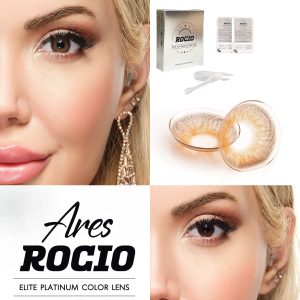
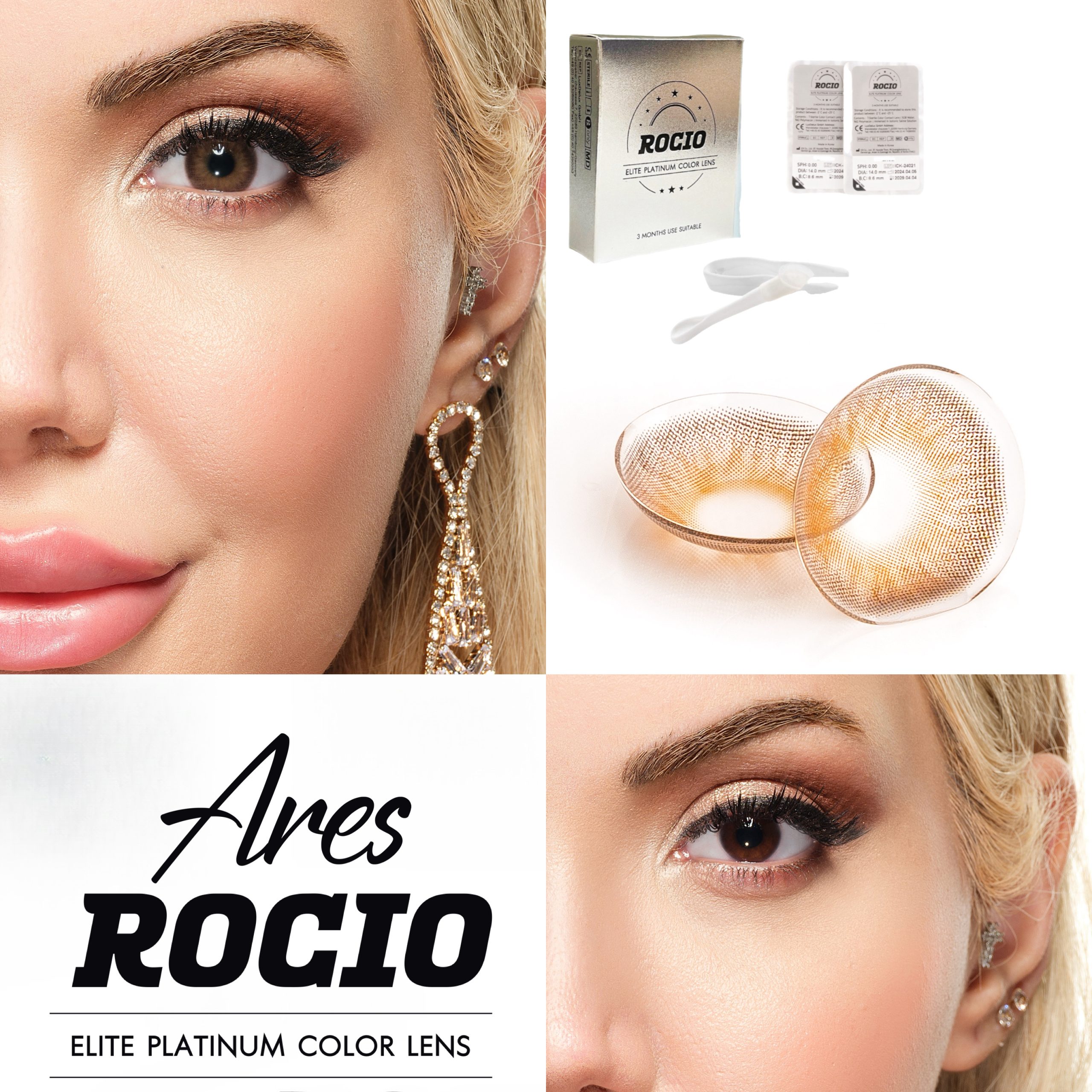
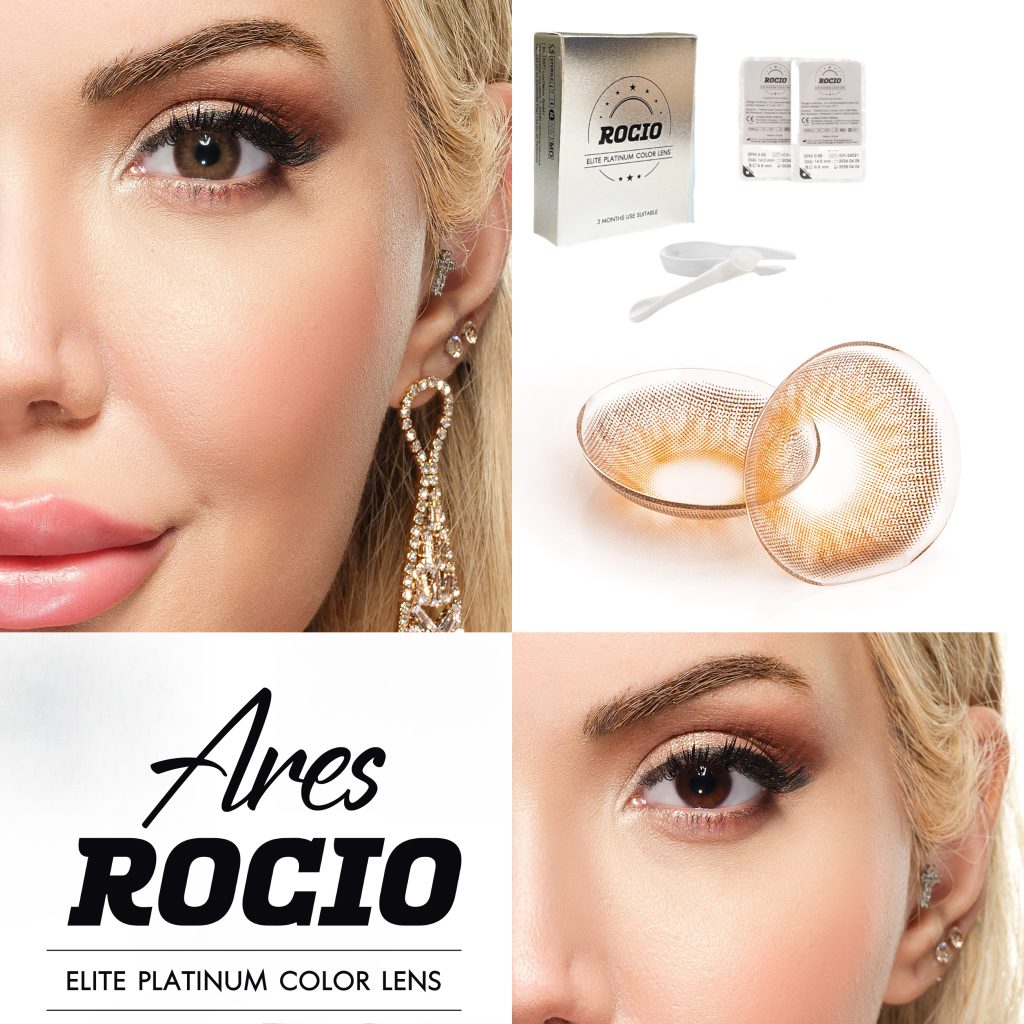
Cosmetic lens Ares
Price range: 1,00 € through 50,00 €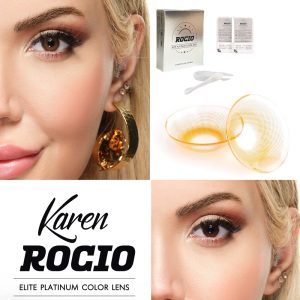
Cosmetic lens Karen
Original price was: 60,00 €.50,00 €Current price is: 50,00 €.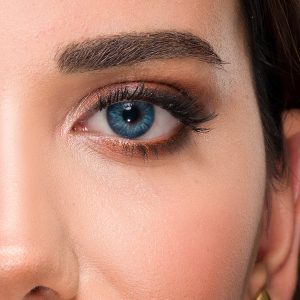
Cosmetic lens Alaska
Original price was: 70,00 €.60,00 €Current price is: 60,00 €.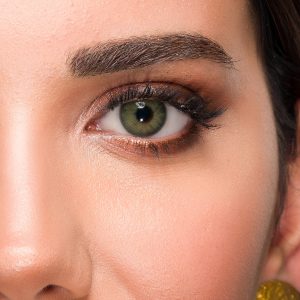
Cosmetic lens Amazon
Original price was: 70,00 €.60,00 €Current price is: 60,00 €.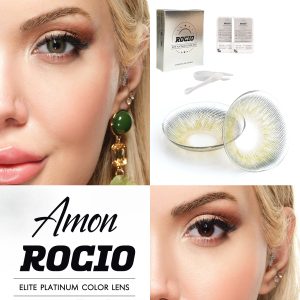
Cosmetic lens Amon
Original price was: 60,00 €.50,00 €Current price is: 50,00 €.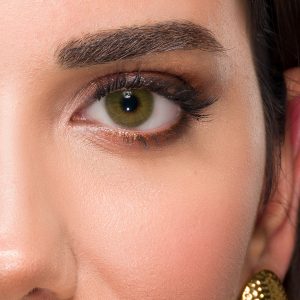
Cosmetic lens Asya
Original price was: 70,00 €.60,00 €Current price is: 60,00 €.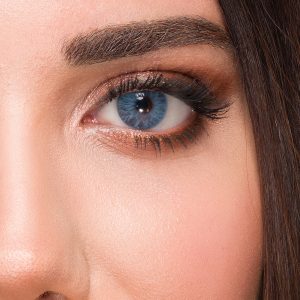
Cosmetic lens Avatar
Original price was: 70,00 €.60,00 €Current price is: 60,00 €.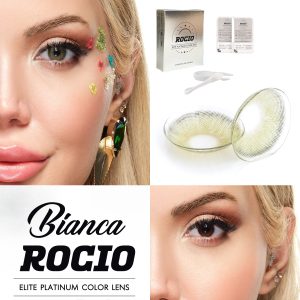
Cosmetic lens Bianca
Original price was: 60,00 €.50,00 €Current price is: 50,00 €.
About author
