
No products in the cart.
Return To Shop
Can You Sleep in Cosmetic Contact Lenses? Eye Health Risks
The Dangers of Sleeping in Cosmetic Contact Lenses
AI Ozeti
Sleeping in cosmetic contact lenses is strongly discouraged due to significant risks to eye health. This article explains why you should never sleep in colored lenses, detailing dangers such as corneal ulcers, infections, and oxygen deprivation. It outlines proper lens care, what to do if you accidentally sleep in them, and best practices for safe cosmetic lens wear. Emphasizing the importance of reputable suppliers like Opticzade, the content guides users to prioritize eye safety while enjoying the aesthetic benefits of lenses.
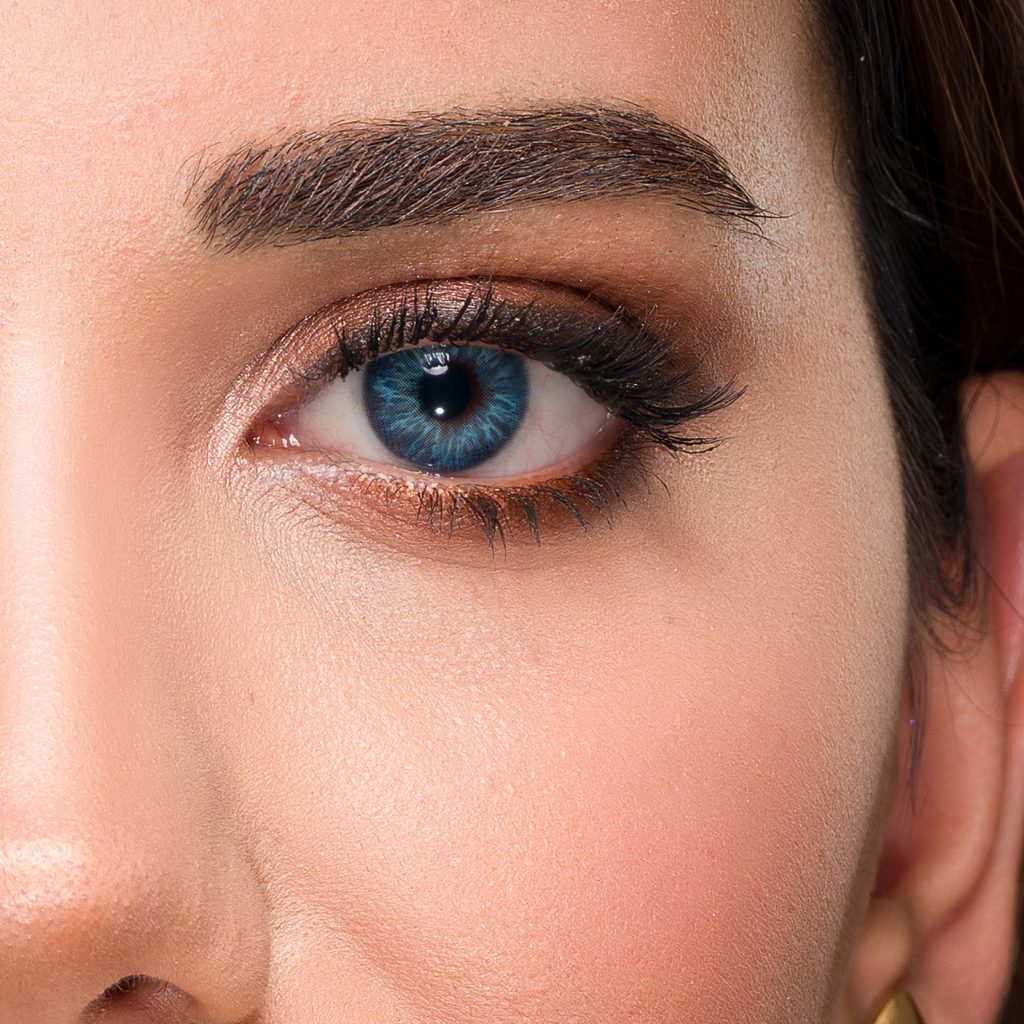
Many individuals are drawn to the transformative power of Colored Lenses, adding a captivating touch to their appearance. However, a common question arises: can you sleep in cosmetic contact lenses? The unequivocal answer from eye care professionals and safety guidelines is a resounding no. While the allure of maintaining your enhanced gaze overnight might be tempting, the risks associated with sleeping in any type of contact lens, especially cosmetic ones, far outweigh any perceived convenience.
Cosmetic contact lenses, whether they are Numbered Lenses for vision correction or Unnumbered Lenses purely for aesthetic enhancement, are not designed for extended wear during sleep. Unlike some specialized extended-wear lenses (which still require strict professional guidance), cosmetic lenses typically have lower oxygen permeability. Your eyes need a constant supply of oxygen to remain healthy. When you close your eyelids during sleep, this oxygen flow is significantly reduced, creating a breeding ground for bacteria and increasing the risk of serious eye complications.
Why Sleeping in Cosmetic Lenses is Dangerous
The primary reason you should never sleep in cosmetic contact lenses is the severe risk to your eye health. When your eyes are closed, the contact lens acts as a barrier, trapping debris and microorganisms against the cornea. This creates an environment ripe for infection and inflammation. Consider the following critical risks:
- Corneal Ulcers: This is one of the most serious complications. A corneal ulcer is an open sore on the cornea, often caused by bacterial, fungal, or amoebic infections. These can lead to severe pain, light sensitivity, discharge, and potentially permanent vision loss or even blindness if left untreated.
- Bacterial Keratitis: An infection of the cornea, bacterial keratitis can progress rapidly. Symptoms include redness, pain, blurred vision, and excessive tearing. Sleeping in lenses drastically increases your susceptibility.
- Giant Papillary Conjunctivitis (GPC): This is an allergic reaction to the contact lens material or deposits on the lens. It manifests as inflammation and bumps on the inside of your eyelids, leading to discomfort, itching, and mucus discharge.
- Corneal Neovascularization: Prolonged oxygen deprivation can cause new blood vessels to grow into the cornea, which is normally avascular. These vessels can obstruct vision and make future contact lens wear difficult or impossible.
- Dry Eye Syndrome: Lenses can absorb moisture from your eyes, and sleeping in them exacerbates dryness, leading to irritation, grittiness, and discomfort.
Even if you’re wearing high-quality Colored Lenses, such as those from reputable brands like Alaska Lens or Amber Color Lens, the material and design are optimized for daytime wear, not overnight. Opticzade, for example, emphasizes the importance of proper lens care and adherence to wear schedules to ensure the safety and longevity of your lenses and, more importantly, your eye health.
Understanding Different Lens Types and Wear Schedules
It’s crucial to differentiate between various types of contact lenses and their prescribed wear schedules. While some lenses are marketed as ‘extended wear,’ these are typically clear, medical-grade lenses with significantly higher oxygen permeability and are only to be used under strict guidance from an eye care professional. Cosmetic lenses, including popular options like 3 Month Lenses or Annual Lenses, are almost universally intended for daily wear, meaning they must be removed, cleaned, and stored properly each night.
For instance, comparing a cosmetic lens like the ‘Cosmetic lens Alaska’ with a ‘Cosmetic lens Amazon’ (hypothetical examples of popular styles), while both may offer stunning visual effects, their fundamental design principle for cosmetic use dictates daily removal. Neither is engineered for safe overnight wear. Similarly, other popular aesthetic lenses like ‘Cosmetic lens Amon’ or ‘Cosmetic lens Ares’ are designed for enhancing your look during waking hours. Always consult the manufacturer’s instructions and your optometrist’s advice, regardless of the brand or specific product, such as ‘Cosmetic lens Asya’ or ‘Cosmetic lens Avatar’.
For more detailed information on contact lens safety, you can refer to trusted sources like the Centers for Disease Control and Prevention (CDC) or the American Academy of Ophthalmology, which consistently advise against sleeping in contact lenses not specifically approved for extended wear.
What to Do If You Accidentally Sleep in Your Lenses
Accidents happen, and you might occasionally find yourself having slept in your cosmetic contact lenses. While it’s important not to panic, taking immediate and appropriate action is crucial:
- Do Not Rip Them Out: Your lenses might be stuck to your eyes due to dryness. Forcibly removing them can damage your cornea.
- Rehydrate Your Eyes: Blink several times. If they still feel dry, apply a few drops of rewetting solution (not saline or tap water) specifically designed for contact lenses. Wait a few minutes for your eyes and lenses to rehydrate.
- Gently Remove the Lenses: Once your eyes feel more comfortable and the lenses move freely, gently remove them.
- Discard the Lenses: Even if they are 3 Month Lenses or Annual Lenses, it’s best to discard the pair you slept in. They may have accumulated bacteria or been damaged, making them unsafe for further use.
- Give Your Eyes a Break: Avoid wearing any contact lenses for at least 24 hours to allow your eyes to recover. Wear glasses during this period.
- Monitor for Symptoms: Pay close attention to any signs of infection or irritation, such as redness, pain, blurred vision, discharge, or light sensitivity. If any symptoms develop, contact your eye care professional immediately.
Best Practices for Cosmetic Contact Lens Wear
To enjoy the beauty and versatility of your Colored Contact Lenses safely, adherence to proper care and wear schedules is paramount. Opticzade is committed to providing high-quality lenses and promoting responsible usage. Here are essential tips:
- Always Remove Before Sleep: This is the golden rule. No matter how tired you are, take out your lenses before going to bed, even for a short nap.
- Follow Manufacturer’s Instructions: Adhere strictly to the recommended wear schedule for your specific lenses (e.g., daily disposables, 3 Month Lenses, Annual Lenses).
- Practice Excellent Hygiene: Wash your hands thoroughly with soap and water before handling lenses. Use fresh contact lens solution every time you clean and store your lenses. Never use tap water.
- Replace Lens Case Regularly: Your lens case should be cleaned daily and replaced every 1-3 months to prevent bacterial buildup.
- Regular Eye Exams: Schedule routine check-ups with your eye care professional to ensure your eyes remain healthy and that your lenses are still a good fit.
- Purchase from Reputable Sources: Always buy your cosmetic lenses, whether ‘Cosmetic lens Bianca’ or ‘Cosmetic lens Costar’, from trusted retailers like Opticzade, which offers CE-certified products and prioritizes eye health.
By following these guidelines, you can safely enhance your natural beauty with stunning colored lenses without compromising your precious eyesight. Remember, your vision is invaluable, and proper contact lens care is a small price to pay for lifelong eye health.
can you sleep in cosmetic contact lenses ile ilgili icerikler
Sikca Sorulan Sorular
Can you sleep in cosmetic contact lenses?
No, you should never sleep in cosmetic contact lenses. They are not designed for overnight wear and doing so significantly increases your risk of serious eye infections, corneal ulcers, and other complications due to reduced oxygen flow to the eye.
What are the risks of sleeping in colored contact lenses?
Sleeping in colored contact lenses can lead to severe issues like corneal ulcers, bacterial keratitis (eye infection), giant papillary conjunctivitis (allergic reaction), corneal neovascularization (new blood vessel growth), and exacerbated dry eye syndrome. These can cause pain, blurred vision, and potentially permanent vision loss.
What should I do if I accidentally slept in my cosmetic lenses?
If you accidentally sleep in your lenses, do not remove them immediately if they feel stuck. Rehydrate your eyes with rewetting drops, then gently remove them. Discard the lenses and wear glasses for at least 24 hours. Monitor for any symptoms of infection (redness, pain, discharge) and contact an eye care professional if they appear.
Are there any contact lenses safe for sleeping?
Only specific types of 'extended wear' contact lenses, which are typically clear and have higher oxygen permeability, are approved for overnight wear. However, even these require strict adherence to an eye care professional's guidance and schedule. Cosmetic lenses are generally not designed for extended or overnight wear.
How can I safely wear my cosmetic contact lenses?
To safely wear cosmetic lenses, always remove them before sleeping, follow the manufacturer's wear schedule, practice excellent hand hygiene, use fresh contact lens solution, replace your lens case regularly, and get routine eye exams. Always purchase lenses from reputable suppliers like Opticzade.
Onerilen Urunler
Cosmetic lens Alaska
Original price was: 70,00 €.60,00 €Current price is: 60,00 €.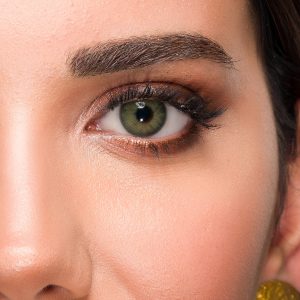
Cosmetic lens Amazon
Original price was: 70,00 €.60,00 €Current price is: 60,00 €.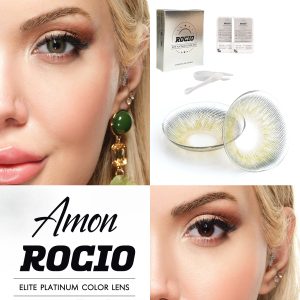
Cosmetic lens Amon
Original price was: 60,00 €.50,00 €Current price is: 50,00 €.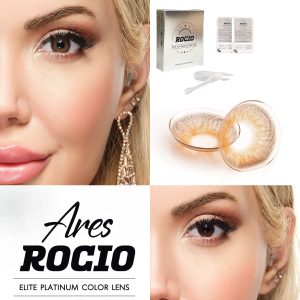
Cosmetic lens Ares
Price range: 1,00 € through 50,00 €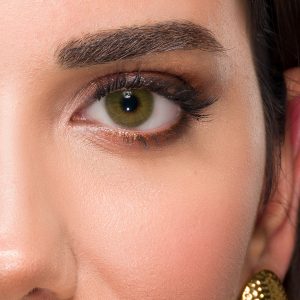
Cosmetic lens Asya
Original price was: 70,00 €.60,00 €Current price is: 60,00 €.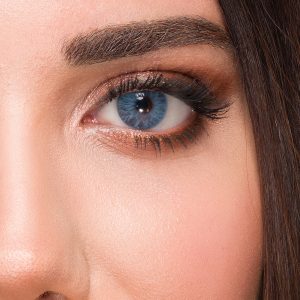
Cosmetic lens Avatar
Original price was: 70,00 €.60,00 €Current price is: 60,00 €.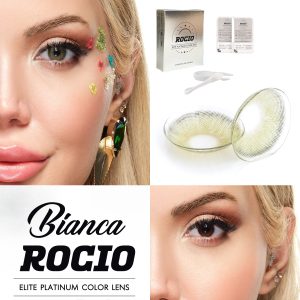
Cosmetic lens Bianca
Original price was: 60,00 €.50,00 €Current price is: 50,00 €.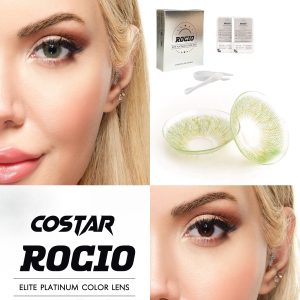
Cosmetic lens Costar
Original price was: 60,00 €.50,00 €Current price is: 50,00 €.
About author
