
No products in the cart.
Return To Shop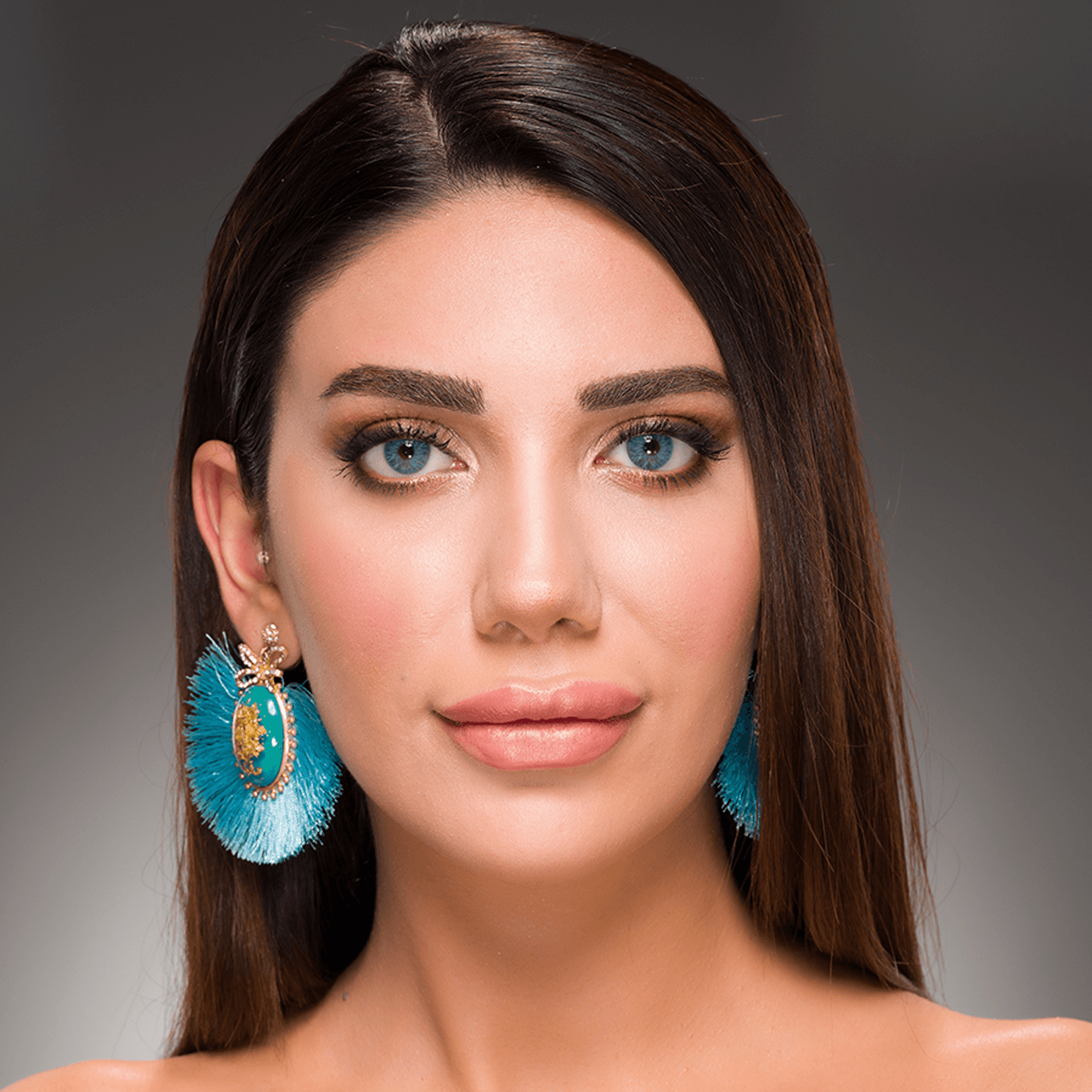
Do You Need a Prescription for Cosmetic Lenses? The Legal & Health Imperative
Understanding Why You Need a Prescription for Cosmetic Lenses
AI Ozeti
This article addresses the crucial question: "Do you need a prescription for cosmetic lenses?" It unequivocally states that all contact lenses, including purely cosmetic ones, are medical devices requiring a valid prescription for eye health and safety. The piece delves into why a prescription is non-negotiable, covering eye health assessments, corneal measurements, and proper care instructions to prevent severe complications. It also distinguishes between numbered and unnumbered lenses, and discusses various wear durations like 3 Month Lenses and Annual Lenses, emphasizing that all types necessitate professional fitting. Finally, it guides readers on choosing reputable brands like Alaska and Amazon, highlighting Opticzade's commitment to safety for stunning eye transformations.
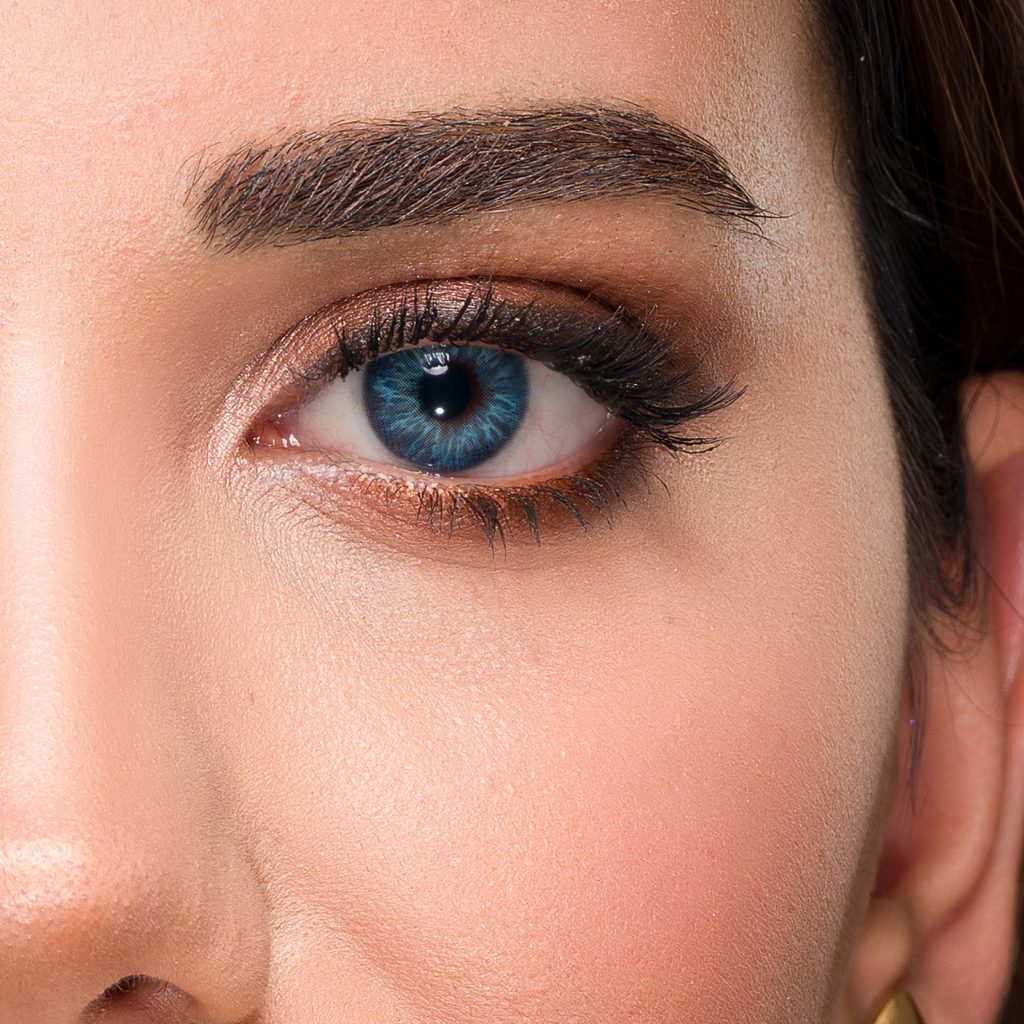
Many people wonder, “do you need a prescription for cosmetic lenses?” The unequivocal answer is yes, absolutely. Whether you’re seeking to subtly enhance your natural eye color or dramatically transform your look with vibrant new hues, all contact lenses, including those purely for cosmetic purposes, are classified as medical devices by health authorities worldwide. This classification isn’t just a formality; it’s a critical safeguard for your vision and overall eye health. At Opticzade, we champion safe and informed choices for your eye transformation journey.
The Unwavering Answer: Yes, You Need a Prescription for Cosmetic Lenses
The notion that cosmetic lenses, often referred to as colored lenses, are simply accessories you can pick up off a shelf is a dangerous misconception. In many countries, including the United States, it is illegal to sell any type of contact lens, even those with no vision correction (unnumbered lenses), without a valid prescription from a licensed eye care professional. This legal requirement underscores a fundamental truth: contact lenses are medical devices that sit directly on your eye, and their improper use can lead to severe and permanent damage.
Why a Prescription is Non-Negotiable
A prescription for cosmetic lenses isn’t just about vision correction; it’s about ensuring a proper fit and assessing your eye health. An optometrist or ophthalmologist will perform a comprehensive eye exam to determine several crucial factors:
- Eye Health Assessment: They’ll check for any pre-existing conditions like dry eyes, allergies, or infections that could be exacerbated by lens wear.
- Corneal Measurements: Your eyes are unique. The curvature of your cornea (the clear front surface of your eye) and the diameter of your iris vary from person to person. A “one-size-fits-all” approach to contact lenses, especially for cosmetic lens use, is a recipe for disaster. An ill-fitting lens can scratch your cornea, restrict oxygen flow, and lead to painful infections.
- Lens Material Compatibility: Different lens materials offer varying levels of oxygen permeability and water content. Your eye care professional will recommend a material best suited for your eyes and lifestyle.
- Proper Wear and Care Instructions: They will educate you on how to safely insert, remove, clean, and store your cosmetic lenses, minimizing the risk of complications.
Ignoring these vital steps can lead to serious eye problems, from minor irritation to vision-threatening infections and corneal ulcers. The FDA explicitly warns against buying decorative contact lenses without a prescription. You can learn more about the risks from official sources like the FDA on Decorative Contact Lenses Risks.
Legal Ramifications of Non-Prescribed Lenses
Beyond the health risks, purchasing or selling cosmetic lenses without a prescription can carry legal consequences. Unregulated online sellers or novelty shops that offer lenses without requiring a prescription are operating illegally. Consumers who purchase from such sources not only put their vision at risk but also inadvertently support an illicit market that bypasses essential health regulations. Always ensure you’re dealing with a reputable provider like Opticzade, where safety and compliance are paramount.
Beyond Color: Understanding Different Cosmetic Lens Types
Cosmetic lenses come in various forms, each designed for different durations and purposes. Regardless of their specific type, the requirement for a prescription remains constant.
Numbered vs. Unnumbered Lenses
- Numbered Lenses: These are cosmetic lenses that also include a power correction for vision (e.g., for nearsightedness or farsightedness). If you already wear prescription glasses or contacts, you might opt for numbered cosmetic lenses to combine vision correction with a change in eye color.
- Unnumbered Lenses: These lenses have no power correction; their sole purpose is aesthetic. Despite not correcting vision, they still require a prescription because they are medical devices that must fit your eye correctly and be made of appropriate materials. Many people mistakenly believe that because these don’t correct vision, they don’t need a prescription. This is a dangerous myth.
Daily, Monthly, and Annual Options
The lifespan of your cosmetic lenses also varies, each requiring specific care routines:
- Daily Lenses: Designed for single use, these are discarded at the end of the day. They offer maximum convenience and hygiene but tend to be more expensive.
- 3 Month Lenses: These are reusable lenses that can be worn for up to three months with proper cleaning and storage. They offer a balance of cost-effectiveness and convenience.
- Annual Lenses: The most durable option, annual lenses can be worn for up to a year with diligent daily cleaning and storage. Brands like Alaska Lens and Amazon Lens often offer high-quality annual options, providing long-lasting color transformation.
Regardless of the duration, proper care, as instructed by your eye care professional, is crucial to prevent infections and maintain eye health. Even the most vibrant Amber Color Lens needs meticulous care.
The Risks of Unregulated Cosmetic Lenses
The allure of changing your eye color can be strong, but the risks associated with non-prescribed or unregulated cosmetic lenses are severe and can lead to permanent vision loss. The American Academy of Ophthalmology highlights various complications that can arise from improper contact lens use. You can read more about them here: American Academy of Ophthalmology – Contact Lens Complications.
Common Eye Health Issues
When you bypass a prescription and purchase lenses that haven’t been properly fitted or vetted, you risk:
- Corneal Abrasions: Scratches on the surface of your eye, often caused by ill-fitting lenses or improper insertion/removal.
- Conjunctivitis (Pink Eye): Inflammation of the conjunctiva, often due to poor hygiene or contaminated lenses.
- Corneal Ulcers: Open sores on the cornea, which can be incredibly painful and lead to permanent scarring and vision loss if untreated.
- Bacterial or Fungal Infections: These can rapidly develop and are particularly dangerous, sometimes requiring intensive treatment or even surgery.
- Allergic Reactions: To lens materials or cleaning solutions, leading to discomfort and inflammation.
The Dangers of “One-Size-Fits-All”
No two eyes are exactly alike. The shape, size, and health of your corneas are unique. A generic “one-size-fits-all” lens, often sold without a prescription, simply cannot accommodate this natural variation. Such lenses can be too tight, cutting off oxygen to the cornea, or too loose, moving around and causing irritation and scratches. Both scenarios create an environment ripe for infection and damage. This is precisely why you need a prescription for cosmetic lenses – to ensure a perfect, safe fit tailored to your individual eyes.
Choosing Safe & Reputable Cosmetic Lenses with Opticzade
At Opticzade, we understand the desire for beautiful, transformative eye colors. Our commitment is to provide stunning Colored Contact Lenses without compromising your eye health. We believe that beauty and safety go hand-in-hand, which is why we strictly adhere to all regulations requiring a valid prescription for all our lenses.
What to Look for in a Brand
When considering cosmetic lenses, always prioritize brands that:
- Require a Prescription: This is the most crucial indicator of a responsible and legal seller.
- Are FDA-Approved or CE-Marked: These certifications ensure the lenses meet rigorous safety and quality standards.
- Are Made from High-Quality Materials: Look for breathable materials that allow sufficient oxygen to reach your eyes.
- Have Clear Instructions: Reputable brands provide comprehensive guidance on wear, care, and replacement schedules.
Brands like Alaska, Amazon, and Amber are known for offering a range of quality colored lenses, from subtle enhancements to dramatic transformations. When exploring options, you might encounter names like Cosmetic lens Alaska, Cosmetic lens Amazon, Cosmetic lens Amon, Cosmetic lens Ares, Cosmetic lens Asya, Cosmetic lens Avatar, Cosmetic lens Bianca, and Cosmetic lens Costar. Each offers unique designs and color palettes.
Comparing Popular Choices: Cosmetic lens Alaska vs. Cosmetic lens Amazon
When it comes to popular choices, the Cosmetic lens Alaska series is often praised for its natural-looking color blends and comfortable fit, making it a favorite for those seeking a subtle yet impactful change. Users frequently highlight its ability to seamlessly blend with various natural eye colors, creating a believable transformation. On the other hand, the Cosmetic lens Amazon collection is celebrated for its vibrant, bold hues and extensive range of patterns, appealing to individuals who desire a more striking and noticeable eye color alteration. While both offer quality, the choice often comes down to personal preference for natural subtlety versus dramatic flair. Both, however, require a professional fitting and prescription to ensure safety and comfort.
Why Opticzade Prioritizes Your Eye Health
At Opticzade – Beauty Color Lens, we are dedicated to providing a safe and satisfying experience. We ensure that all our Colored Lenses meet stringent quality standards and are sourced from reputable manufacturers. We streamline the process of verifying your prescription, making it easy and convenient for you to access beautiful, safe cosmetic lenses. Your vision is precious, and we are here to help you enhance your look responsibly.
In conclusion, the question “do you need a prescription for cosmetic lenses?” has a clear and critical answer: yes. Prioritize your eye health by always obtaining a valid prescription from an eye care professional before purchasing any contact lenses, cosmetic or otherwise. Embrace the beauty of colored lenses responsibly, and enjoy your stunning new look with confidence and peace of mind.
do you need a prescription for cosmetic lenses ile ilgili icerikler
Sikca Sorulan Sorular
Why is a prescription necessary for cosmetic lenses?
A prescription for cosmetic lenses is crucial because they are medical devices. An eye care professional will perform an eye exam to ensure proper fit, assess your eye health, determine suitable lens materials, and provide essential wear and care instructions. This prevents complications like infections, corneal abrasions, and vision loss.
Can I buy cosmetic lenses without a prescription online?
No, it is illegal in many regions, including the United States, to sell or purchase any type of contact lens, including cosmetic lenses, without a valid prescription. Buying from unregulated sources puts your eye health at severe risk and supports an illicit market.
What are the risks of using non-prescribed cosmetic lenses?
Using non-prescribed cosmetic lenses can lead to serious eye health issues such as corneal abrasions, conjunctivitis, corneal ulcers, and severe bacterial or fungal infections. These risks arise from ill-fitting lenses, unsuitable materials, and lack of proper hygiene guidance, potentially causing permanent vision damage.
Do 'numbered' and 'unnumbered' cosmetic lenses both require a prescription?
Yes, absolutely. Both numbered (with vision correction) and unnumbered (purely aesthetic) cosmetic lenses are classified as medical devices. They must be professionally fitted to your unique eye shape and size to ensure comfort, proper oxygen flow, and to prevent injury or infection.
How do I get a prescription for cosmetic lenses?
To get a prescription for cosmetic lenses, you need to schedule a comprehensive eye exam with a licensed optometrist or ophthalmologist. They will measure your eyes, check for any underlying conditions, and discuss the best lens options for your specific needs and desired aesthetic.
Onerilen Urunler
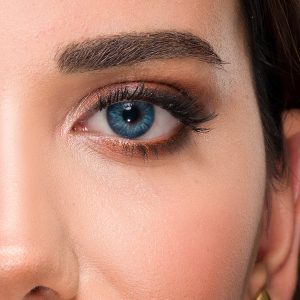
Cosmetic lens Alaska
Original price was: 70,00 €.60,00 €Current price is: 60,00 €.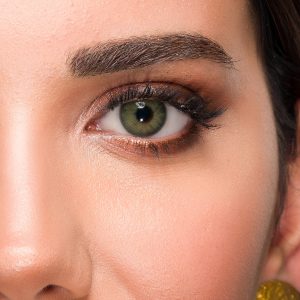
Cosmetic lens Amazon
Original price was: 70,00 €.60,00 €Current price is: 60,00 €.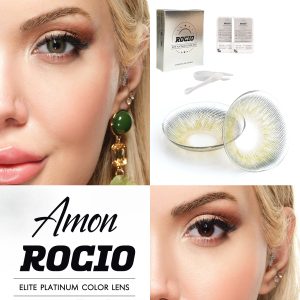
Cosmetic lens Amon
Original price was: 60,00 €.50,00 €Current price is: 50,00 €.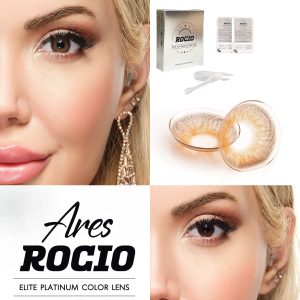
Cosmetic lens Ares
Price range: 1,00 € through 50,00 €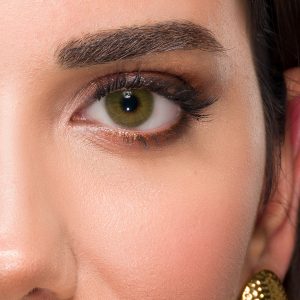
Cosmetic lens Asya
Original price was: 70,00 €.60,00 €Current price is: 60,00 €.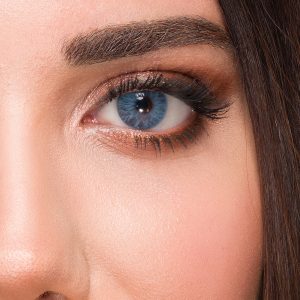
Cosmetic lens Avatar
Original price was: 70,00 €.60,00 €Current price is: 60,00 €.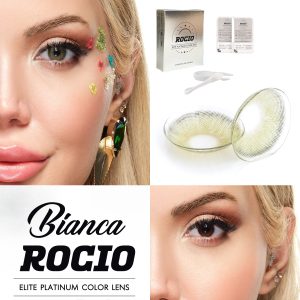
Cosmetic lens Bianca
Original price was: 60,00 €.50,00 €Current price is: 50,00 €.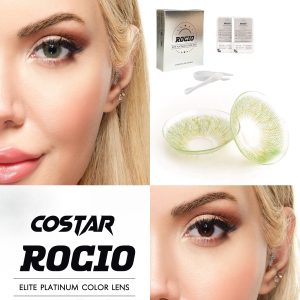
Cosmetic lens Costar
Original price was: 60,00 €.50,00 €Current price is: 50,00 €.
About author
